Russia Ukraine Crisis: Thousands of Arab students stranded, desperate to go home

Arab students
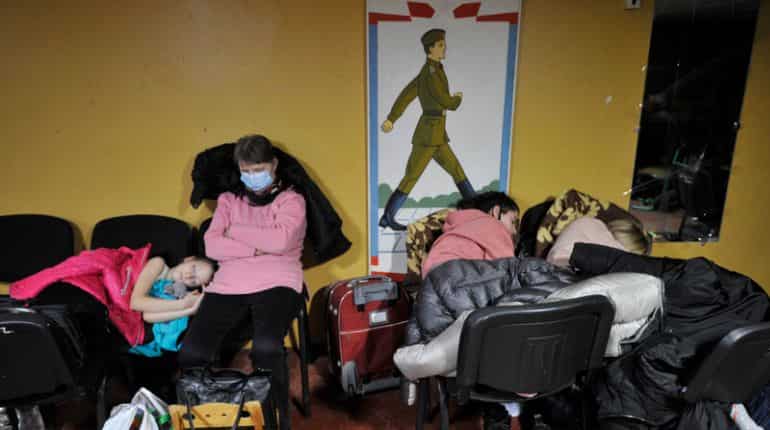
Thousands of young Arabs who took up studies inUkraine, often fleeing violence backhome, are appealing to be rescued from a new nightmare -- Russia's full scale invasion of the country.
More than 10,000Arabstudentsattend university inUkraine, drawn to the former Soviet republic by a low cost of living and, for many, the lure of relative safety compared with their own troubled homelands.
Many have criticised their governments for failing to take concrete measures to repatriate them, and sought refuge in basements or the metro system. Few dared to cross the border into neighbouring Poland or Romania in search of sanctuary.

"We left Iraq to escape war... but it's the same thing inUkraine(now)," Ali Mohammed, an Iraqistudenttold AFP by telephone from the western city of Chernivtsi.
Mohammed said he has been calling the Iraqi embassy in Kyiv around a dozen times a day since Russia launched the invasion but no one has picked up.
&imwidth=180&imheight=135&format=webp&quality=medium)
Gravitas | Iran threatens to hit key bridges in 7 countries if US resumes strikes
&imwidth=180&imheight=135&format=webp&quality=medium)
Israel examines Russia's Shahed-type drones sent by Ukraine to combat Iran | Gravitas
&imwidth=180&imheight=135&format=webp&quality=medium)
Selma Blair’s team responds to flight incident, says actress ‘did not intend to harm anyone’
&im=FitAndFill=(700,400)&imwidth=180&imheight=135&format=webp&quality=medium)
Who left the White House podium the fastest? Press secretaries with the shortest stints
&imwidth=180&imheight=135&format=webp&quality=medium)
Abhishek Sharma sets all-time record for most T20I sixes in a year
&imwidth=180&imheight=135&format=webp&quality=medium)
Vijay Deverakonda and Rashmika Mandanna's Ranabaali X Review: Netizens call it history-rich but overstuffed
&imwidth=180&imheight=135&format=webp&quality=medium)
One species, two lineages: Why Sri Lanka’s spectacled cobra differs genetically from Indian variant
&imwidth=180&imheight=135&format=webp&quality=medium)
India’s naval priorities: Ex-Navy Chief calls for third aircraft carrier, more warships and submarines
&imwidth=180&imheight=135&format=webp&quality=medium)
A secret code, a midnight escape and 300 deaths: The Russian officer who turned on Putin
&imwidth=180&imheight=135&format=webp&quality=medium)
Trump invokes national interest to waive new Russia sanctions, tariffs; India gets relief from 100% tariff threat
&imwidth=180&imheight=135&format=webp&quality=medium)
IND-W vs ZIM-W, 1st T20I: Deepti Sharma, Niki Prasad shine as India beat Zimbabwe by four wickets
&imwidth=180&imheight=135&format=webp&quality=medium)
Oil tanker carrying over 2M barrels of crude hits mine in Strait of Hormuz, catches fire, says Iran
&imwidth=180&imheight=135&format=webp&quality=medium)
US midterms 2026: Alexandria Ocasio-Cortez donates $1 million to Abdul El-Sayed’s as Michigan race heats up
&imwidth=180&imheight=135&format=webp&quality=medium)
Starlink says 'ready to connect India with high-speed internet' amid Reliance row
&imwidth=180&imheight=135&format=webp&quality=medium)
Sean ‘Diddy’ Combs transferred to new prison amid reports of special privileges
&imwidth=180&imheight=135&format=webp&quality=medium)
Pakistan to head IMF, World Bank boards after 74 years amid persistent economic crisis
&imwidth=180&imheight=135&format=webp&quality=medium)
Oregon school shooting: 16-year-old shooter identified, used shotgun bought by mother; Trump praises bystander who shot gunman as 'great hero'
&imwidth=180&imheight=135&format=webp&quality=medium)
China tells Israel to stop West Bank settlements, calls Palestine issue ‘historic injustice’
&imwidth=180&imheight=135&format=webp&quality=medium)
No Ravindra Jadeja, Yashasvi Jaiswal in India’s 2027 ODI World Cup plans: Report
&imwidth=180&imheight=135&format=webp&quality=medium)
Here’s who is eyeing the White House press secretary role after Katie Zacharia’s exit
&im=FitAndFill=(700,400)&imwidth=180&imheight=135&format=webp&quality=medium)
New Friday OTT releases (October 16, 2026): DC, Sacrifice, Aasha- 6 new movies and TV shows coming on Netflix, Zee 5, Prime Video and more
&imwidth=180&imheight=135&format=webp&quality=medium)
Infiltration bid foiled in Kupwara’s Keran sector, search operation underway
&imwidth=180&imheight=135&format=webp&quality=medium)
US lawmaker Pramila Jaypal writes to Rubio, urges to raise handling of CJP protest with India
&imwidth=180&imheight=135&format=webp&quality=medium)
‘My president, I mean my husband’: Trump's new press secretary Katie Zacharia's first briefing goes off the rails in 14 minutes

Not Khan but Pal: Why did Imran Khan choose his mother's surname over his father's? Family tree explained
&imwidth=180&imheight=135&format=webp&quality=medium)
China responds to Trump's Press Secretary Katie Zacharia after toilet remark: 'Visit China more often'
&imwidth=180&imheight=135&format=webp&quality=medium)
Ukraine drone strike disrupts 22 Russian airports, over 200 flights
&imwidth=180&imheight=135&format=webp&quality=medium)
Ankita Bhandari murder case: Parents meet CBI, seek impartial investigation
&imwidth=180&imheight=135&format=webp&quality=medium)
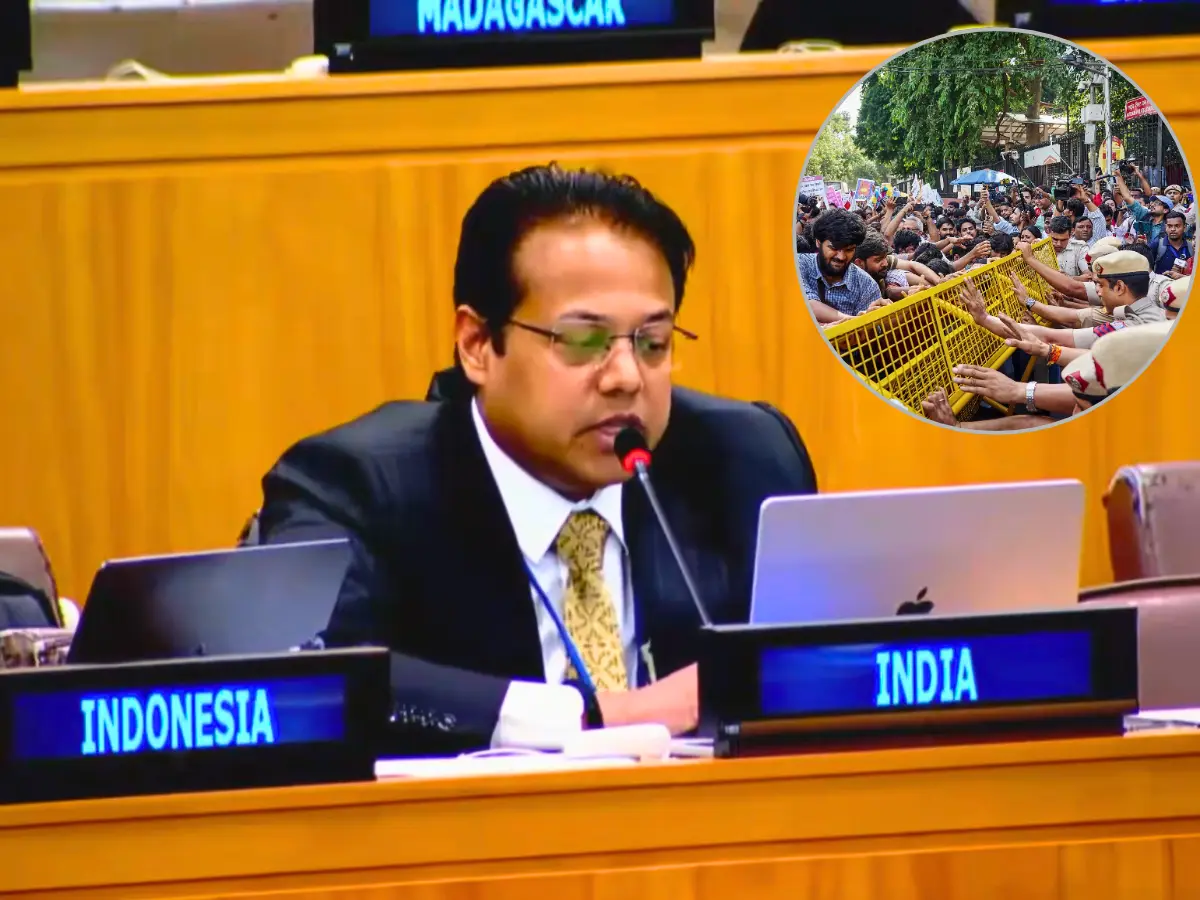
'Reason UN has lost credibility': Amid SIR protests India hits out at report alleging 'youth repression'
&imwidth=180&imheight=135&format=webp&quality=medium)
US midterms 2026: Ken Paxton may have Elon Musk to thank if he wins the Texas Senate race. Here's why
&im=FitAndFill=(700,400)&imwidth=180&imheight=135&format=webp&quality=medium)
Inside Tesla's Roadster: 10 features of Elon Musk's 'flying car' that push the limits of electric vehicles | In Pics
&imwidth=180&imheight=135&format=webp&quality=medium)
Lizard people? Ex-US Army sniper claims soldier killed by 'reptilian beings' in battle near Area 51

US ends automatic work permit extensions; Indian workers lose 540-day safety net: What it means
"We are demanding togohome. We are waiting to be rescued," he said. According to an Iraqi government official, there are 5,500 Iraqis inUkraine, 450 of themstudents.
Syrian Raed Al-Moudaress, 24, echoed him.
"I arrived in Odessa only six months ago, hoping to open a new page far away from war," he told AFP by telephone.
"I am lost. I don't know what to do," he said, adding he is spending most of his time hiding in a basement.
AmongArabcountries, Morocco has the largest number ofstudentsinUkraine, with around 8,000 enrolled in universities, followed by Egypt with more than 3,000.
"We demand solutions. The authorities must find us a solution," to get backhometo Morocco, Majda tweeted when the invasion began on Thursday.
"What are you waiting for? This is World War III," she said, addressing authorities in her country, who announced measures the following day.
Also read |Over Ukraine conflict, US, UK, EU to put crippling sanctions on Russian central bank, block SWIFT
Stay Safe
Hundreds ofstudentsfrom Lebanon, gripped by a financial crisis the World Bank says is one of the world's worst in modern times, are also trapped in the country.
"The (Beirut) authorities have not issued guidelines" for our evacuation, said Samir, 25.
"I left Lebanon because of the financial crisis, sold my car and took my small savings to study inUkraine," he told AFP fromUkraine's second city of Kharkiv, near the Russian border.
Ali Chreim, a restaurant owner from Kyiv who heads the Lebanese expat community inUkraine, said he has been helping a group of young Lebanese women, who have sought shelter in the capital's metro, by sending them food.
Before the invasion, 1,300 Lebanesestudentswere studying in the country. Half managed to flee by their own means, but the rest are stuck, Chreim said.
Beirut set up a hotline but it only functions "intermittently", he added.
Lebanese Foreign Minister Abdallah Bou Habib said the government was drawing up plans to help nationals trapped inUkraine.
Planes will be sent to neighbouring Poland and Romania at a "date to be announced later", he said.
Help us
Other countries like Egypt have also pledged to organise repatriation flights from neighbouring countries.
But for Tunisia which does not have an embassy inUkraine, getting in touch with its 1,700 citizens there is complicated.
Authorities said they had been in contact with international organisations such as the Red Cross to organise departures.
"We will begin the operation as soon as we have a full list of how many Tunisians wish to returnhome," foreign ministry official Mohammed Trabelsi told AFP.
Despairingstudentshave posted video footage online pleading for help.
"The supermarket shelves are empty, the streets have become dangerous. The embassy must help us get out of here," said two pharmacystudentsfrom Egypt stuck in the Black Sea port of Odessa.
Watch |Gravitas: The plight of Indian Students stuck in Ukraine
Other Egyptianstudentstook matters into their own hands and crossed the border into Poland, hoping to make it backhome.
Oil-rich Algeria, which has strong military links with Russia, did not ask its 1,000 nationals inUkraineto leave.
Algerian authorities have, however, urged them to stay indoors and only venture out "in case of an emergency".