Pentagon draws up new nuclear strategy in the event of war with Russia and China

&imwidth=600&imheight=450&format=webp&quality=medium "Pentagon draws up new nuclear strategy in the event of war with Russia and China")
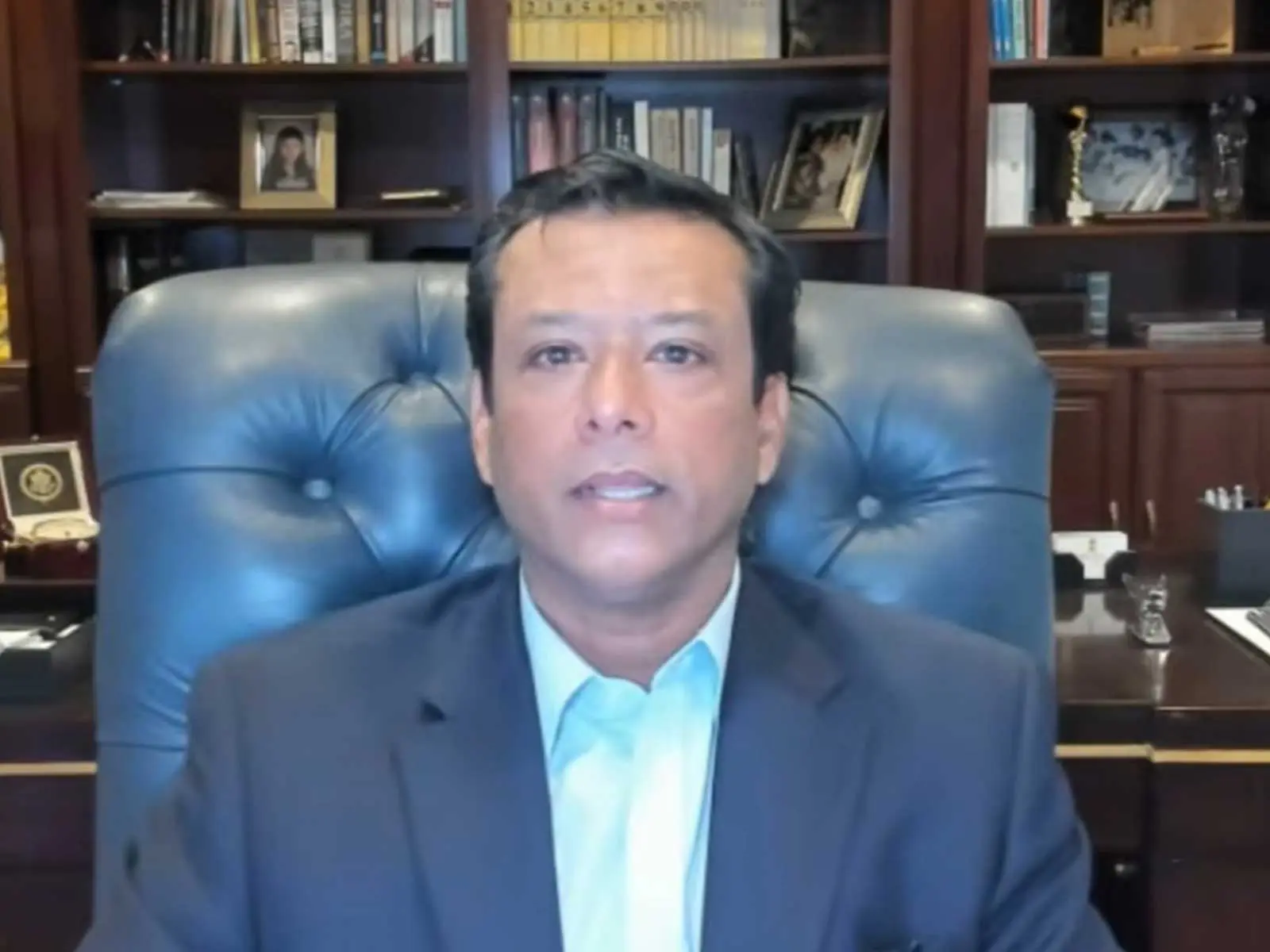
Elbridge Colby, the deputy secretary of defense for policy, will present the proposals at a closed event in Nebraska Photograph: (AFP)
Under the new framework, the retaliatory nuclear options presented to the US president during a crisis would be revised. The strategy would be aimed at preventing a conventional war from escalating into a nuclear one and denying an adversary any advantage in such a conflict.
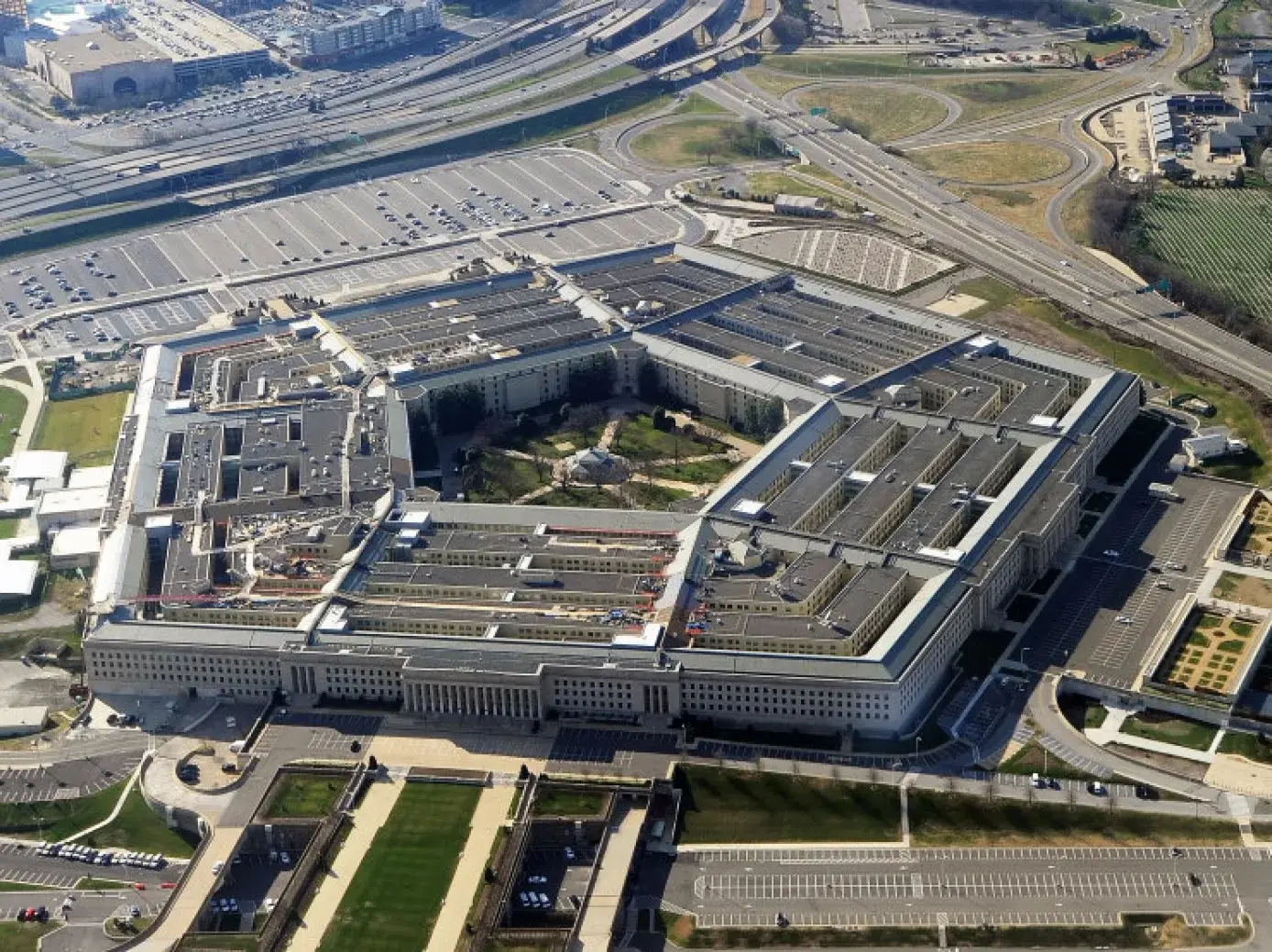
Preparing for a probable long-term strategic shift, the US Department of Defense is drafting a new nuclear strategy that prepares for the potential use of shorter-range tactical weapons in a regional war against China or Russia. The Defense Department policy chief Elbridge Colby is reportedly drafting a nuclear weapons strategy to prepare for a potential conflict with Russia or China, reported NBC News.
The strategy will underline the possible use of shorter-range tactical weapons in the event of a territorial dispute.
The tactics shared with NBC News by five people familiar with the matter reflect internal planning rather than an adopted policy.
Under the new framework, the retaliatory nuclear options presented to the US president during a crisis would be revised. Sources said the strategy would be aimed at preventing a conventional war from escalating into a nuclear one and denying an adversary any advantage in such a conflict.
The new strategy will primarily focus on any probable regional confrontations with Russia and China, which Washington regards as its principal nuclear rivals.
Trending Stories
)
)
)
)
)
)
&im=FitAndFill=(700,400))
)
)
)
)
)
)
)
)
)
)
)
)
)
)
)
)
)
)
)
)
)
)
)
)
)
)
&im=FitAndFill=(700,400))
&im=FitAndFill=(700,400))
)
&im=FitAndFill=(700,400))
)
)
)
)
)
The strategizing is being overseen by Elbridge Colby, the deputy secretary of defense for policy, who played a key role in halting US military aid to Ukraine and in reshaping the American military presence in Europe.
Also Read: Pakistan Army discards WhatsApp over spying and data breach fears, switches to China’s WeChat
New plan to favour larger role for tactical nuclear weapons
Colby is in favour of a larger role for tactical nuclear weapons in a shift from the current approach that relies on long-range strategic systems to destroy an enemy’s nuclear forces.
He argues that adversaries already understand that the US is prepared to use such weapons.
However, the approach has unsettled some specialists, who are of the view that the tactic could weaken deterrence by making the threat of a large-scale nuclear strike appear less credible. They also warned it might leave US forces less prepared for a full nuclear exchange in certain scenarios.
Colby was due to present his proposals on Wednesday at a closed military event in Nebraska during a visit to US Strategic Command, which oversees the country’s nuclear forces.
The strategy also seems to be at odds with President Donald Trump’s stated goal “that we should make our nuclear deterrence system great again,” which implies that he wants more deterrence capabilities, not fewer.
130 bodies on watchlist of US Defense Department
The Defense Department’s watchlist names 130 organisations and institutions across China, Russia, and Iran whose activities it considers a threat to US national security.
The reassessment gains urgency since the last strategic arms control treaty between Washington and Moscow lapsed in February 2026.
Trump and his administration have earlier signalled that they were weighing the deployment of additional nuclear weapons and some form of nuclear testing.
NATO members evince interest in hosting US nuclear weapons
Meanwhile, several eastern-flank NATO members, including Poland and the Baltic states, have shown interest in hosting US nuclear weapons.
Earlier decisions to cancel planned deployments and redirect military assets unsettled some European nations, which fear gaps in the deterrence and have started making autonomous arrangements, like Norway’s move to join France's nuclear umbrella.
The Pentagon previously cautioned that the US faces two major nuclear rivals at the same time in China and Russia. Moreover, China is receiving training, intelligence and advanced military technology from Russia as it helps Moscow in the war against Ukraine.