AI Action Summit in Paris concludes: India announced as next host, US warns against 'extensive regulation'

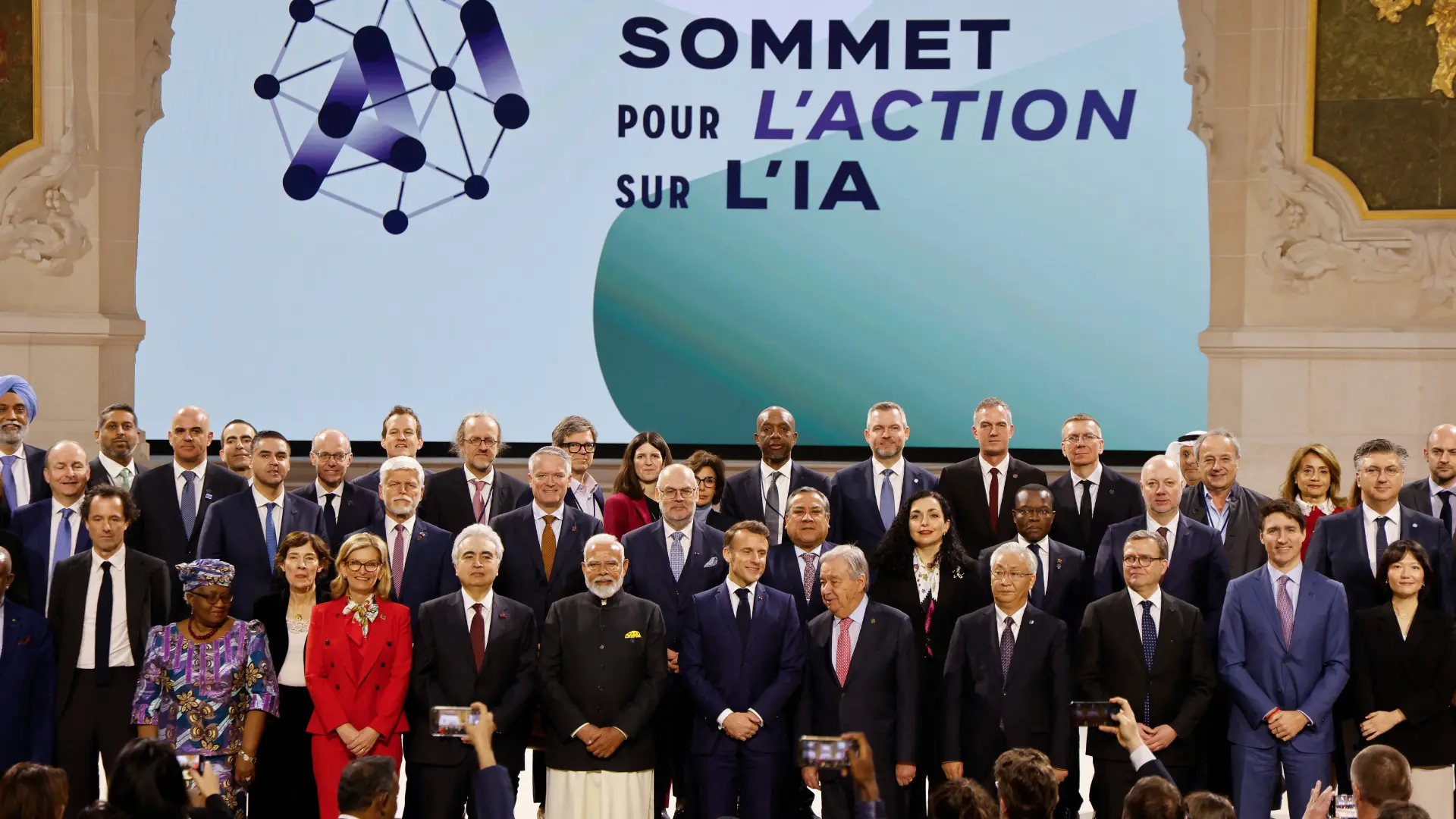
World, India news: Addressing delegates at the Grand Palais, Modi said, "To build on the momentum of this action summit, India would be happy to host the next summit."
India is set to host the next international artificial intelligence (AI) summit after co-hosting it with France at the recently concluded event in Paris. The announcement was made by French President Emmanuel Macron’s office on Tuesday.
Addressing delegates at the Grand Palais, Indian PM Modi said, "To build on the momentum of this action summit, India would be happy to host the next summit."

He also welcomed the establishment of the AI Foundation at the Council for Sustainable AI. He called for a truly global partnership that includes the Global South, ensuring that their concerns and needs are addressed.
Two-day AI Summit in Paris concludes
The two-day Paris summit focused on the rapid advancements in AI and the need for ethical and inclusive governance. However, despite the broad support for international collaboration, key players such as the United States and the United Kingdom refrained from signing the final statement.
)
US vs China over South China Sea: Washington backs Philippines, Beijing hits back
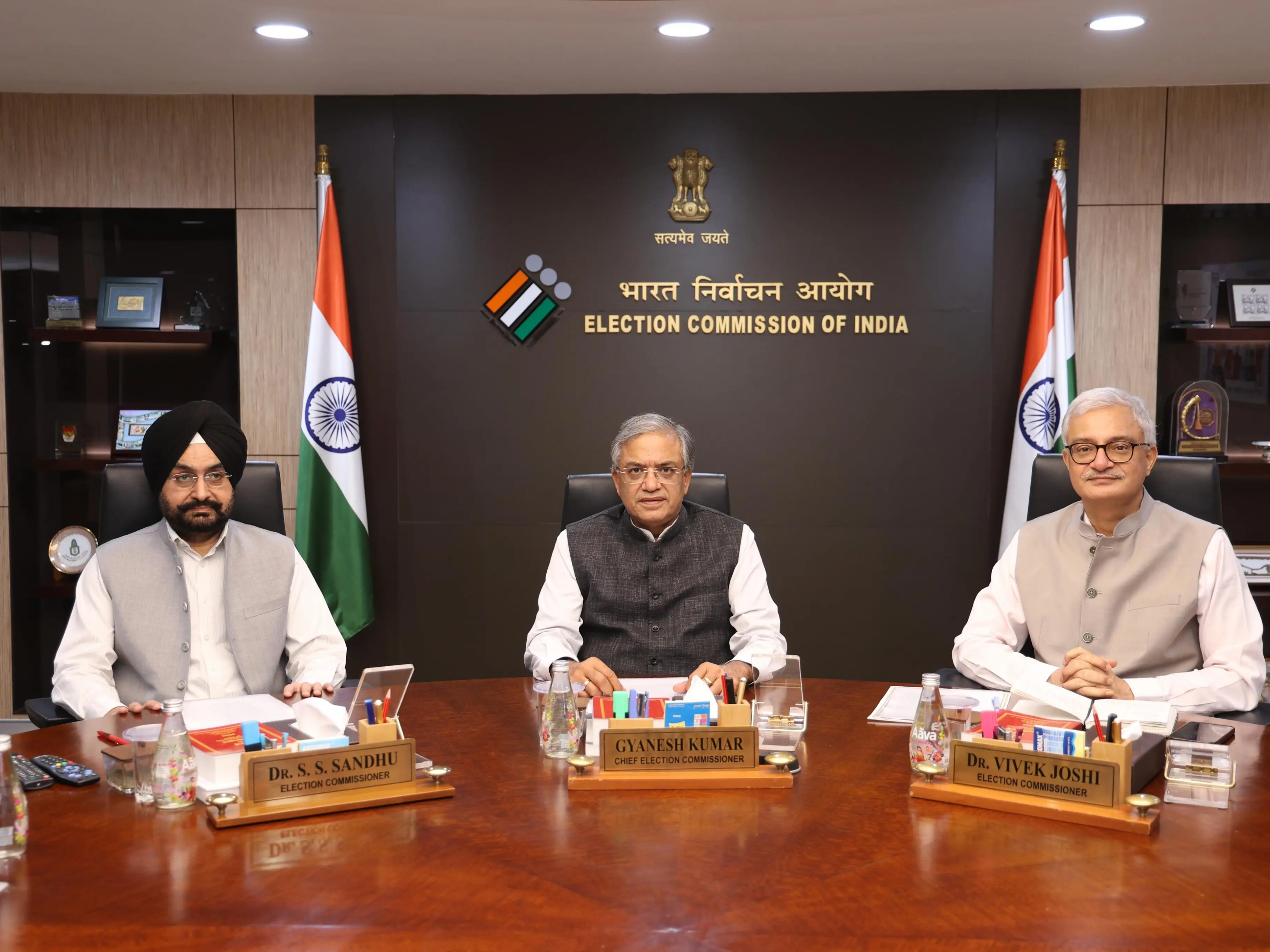)
Election Commission on 'damage control' : What do nine new decisions mean?
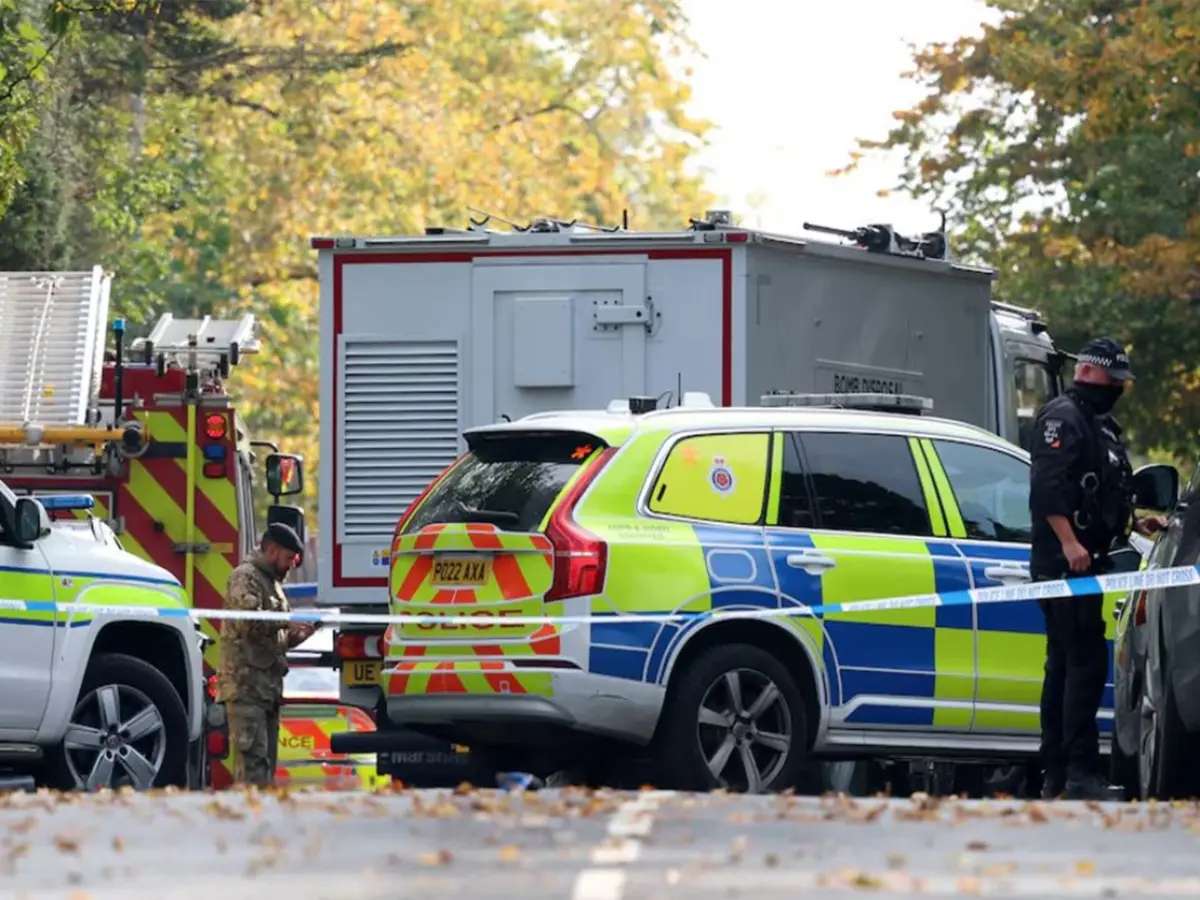)
UK police arrest several under explosives act near air base used by US forces
)
LPU students go on rampage, vandalise campus amid widespread protest: What's happening
)
OpenAI AI Agents hacked 4 websites before Hugging Face, researchers reveal
)
US Treasury Secretary Scott Bessent hails global crackdown on Iranian banks and airlines
&im=FitAndFill=(700,400))
New Friday OTT releases (September 25, 2026): Don’t Be Shy, Hunkkaar: The Roar, Mango Pachcha- 6 movies and TV shows on Netflix, Prime Video and more
)
Asian Games 2026: India face Afghanistan in quarterfinal on Sep 28; Pakistan clash with Hong Kong
)
‘Attack on Mecca a red line for Pakistan’: Shehbaz Sharif warns Houthis at UN
)
WATCH | Delhi minister Parvesh Verma slaps man during road inspection – Here’s what happened
)
'Countries far from conflict are penalised': Jaishankar calls for Gulf peace, seafarer safety at UN
)
Bigg Boss 20: Salman Khan schools Rhiti Tiwari over Qazi Touqeer clash, compares her to Dolly Bindra
)
Beyond metros: How Tier-2 and Tier-3 cities could drive India’s next AI wave
)
Gunmen kill 27 in two separate mass shootings in South Africa
&im=FitAndFill=(700,400))
Humanoid robots to virtual worlds! Korean sci-fi dramas to watch: Are You Human Too?, Memories of the Alhambra and more
)
IND vs WI 1st ODI: Naman Dhir debuts as India bowl first in Trivandrum; check playing XIs
)
‘Olympic inclusion is our major target’: WPA President Ishaun Singh on pool’s global ambitions
)
Nations League: Spain sink England at Wembley; Modric shines for Croatia
)
Two men die of suspected chemical exposure inside public toilet in Mumbai
)
Trump-Xi summit wrap: Big pageantry, Iran talks, few major developments and more meetings planned
)
‘Could kill billions...’: Bill Gates backs calls to slow AI development amid fears of catastrophe
)
Bollywood x K-pop crossover! LE SSERAFIM’s Kazuha charms fans with Shah Rukh Khan’s ‘Chammak Challo’ steps
)
US-Iran war: Trump rejects Iran's Hormuz proposal, reports suggest talks expected next week
)
Sri Lankan Tamil migrant worker gets death sentence in Saudi Arabia, help sought from India
)
'FIRST LOOK from inside Noah’s Ark': Researchers share video from inside mysterious mound in Turkey
)
UNSC reform momentum grows: Russia, Portugal, Mauritius push for India's permanent seat bid
)
Man arrested after his 22-year-old girlfriend dies at homestay in Guwahati; police suspect murder over suicide claim
)
SIR row: RTI response raises questions over EC’s claim of unanimous approval
)
WATCH | As Shehbaz Sharif claims Pakistan’s ‘victory’ during 2025 conflict, Indian diplomat R Srinivas laughs at UN
)
Ramayana: Yash’s Ravana gets first official poster from Nitesh Tiwari’s epic
)
'A terrorist country is asking me that question?': Jaishankar hits back at Pakistani journalist at UN; flags attacks on commercial shipping
)
Russia will achieve Ukraine war aims; Europe doing everything to block peace talks: Lavrov at UN
The 61 signatories, which included China, Germany, France, and India, emphasised the importance of AI being "open, inclusive, transparent, ethical, safe, secure, and trustworthy," aligning with international frameworks.
Also read: Top US, Russian officials meet hours after Trump's Ukraine 'may be Russian someday' comments
PM Modi's speech at the AI Summit in Paris
During his speech, Modi highlighted both the opportunities and challenges of AI, particularly in fields like healthcare. While admitting fears about job displacement, he underscored the need for investment in skills development.
"There are many biases we need to think carefully about," he warned, adding that AI should not exclude any nation, especially those in the Global South.
“We are at the dawn of the AI age that will shape the course of humanity. Some people worry about machines becoming superior in intelligence to humans, but no one holds the key to our collective future and shared destiny other than us, humans. That sense of responsibility must guide us,” he said.
Macron's closing address at AI Summit in Paris
Macron, in his closing address, stressed the importance of fostering trust in AI to avoid a situation where the technology becomes a source of division.
He warned that “if we break the trust, AI will divide the world,” and called for balanced regulations that do not stifle innovation but provide necessary safeguards. He outlined key factors for AI’s trusted rollout, including fair access, data quality, privacy, security, and copyright protections.
US Vice President JD Vance cautions against excessive regulation of AI
US Vice President JD Vance, meanwhile, cautioned against excessive regulation, urging a balanced approach that encourages innovation rather than restricting it. "America wants to partner with all of you. We want to embark on the AI revolution before us with the spirit of openness and collaboration," Vance said.
EU President Ursula von der Leyen announces additional investment in AI
European Commission President Ursula von der Leyen also addressed the summit, stressing how quickly AI is evolving. "This is the third summit on AI safety in just one year, and yet three new generations of ever more powerful AI models have been released in that time," she said.
She dismissed concerns that Europe was lagging in AI development, saying that "the AI race is far from over" and announced an additional €50 billion investment in AI, bringing the EU’s total AI funding to €200 billion.
Google CEO Sundar Pichai warns about risks of AI
Google CEO Sundar Pichai said, "It used to take one person their entire PhD to do one protein, and within three months, AlphaFold unlocked over 200 million protein structures. Now it’s an open database, benefiting researchers and biologists worldwide." However, he also cautioned about AI risks, particularly in the creation of deepfakes, calling for clear standards to regulate AI-generated content.
(With inputs from agencies)
