
&imwidth=800&imheight=600&format=webp&quality=medium "Palestine Action explained: The activist group now designated as terror organisation in UK")
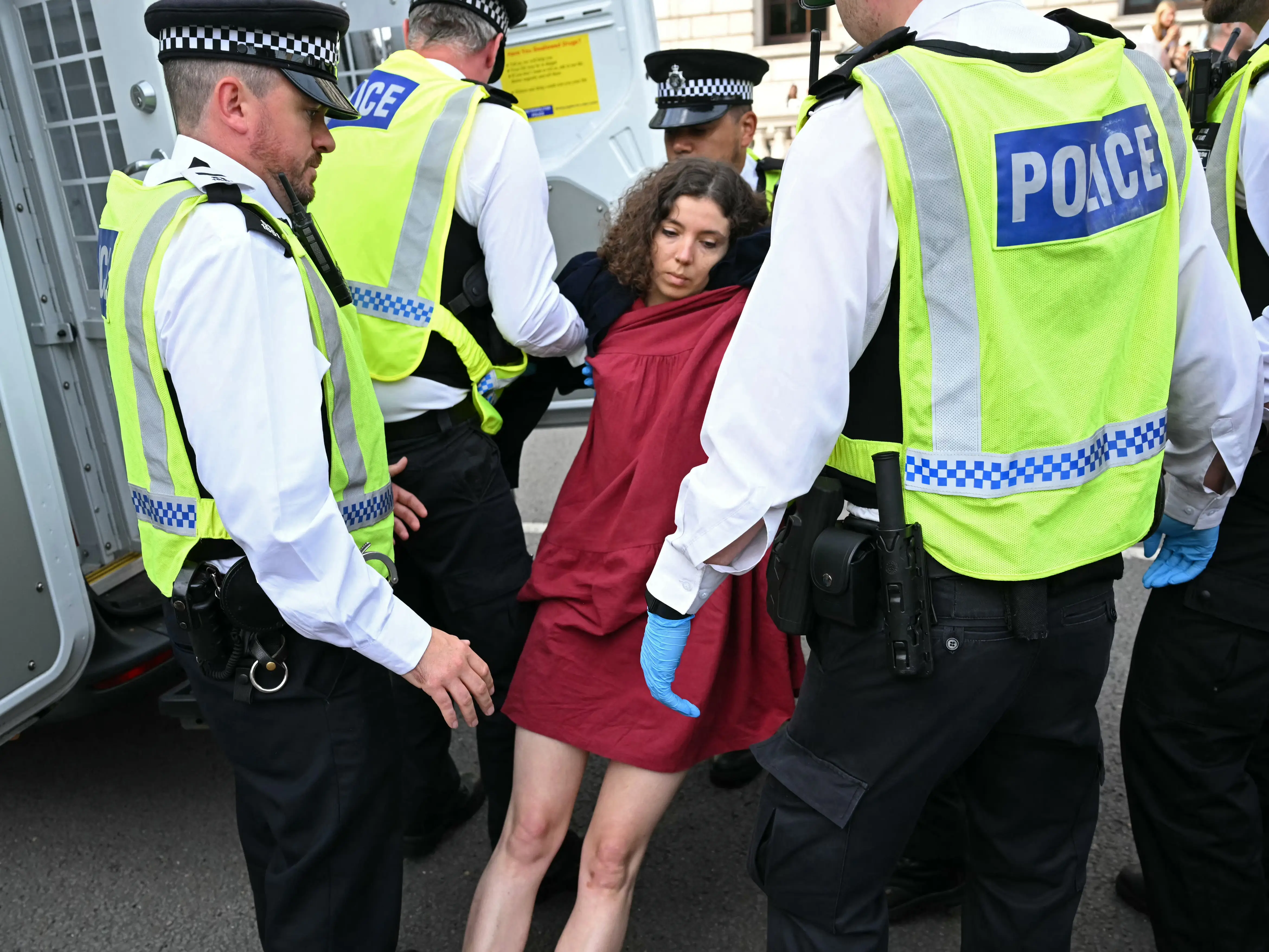
Thousands gathered in London’s Parliament Square on Saturday (September 6) to oppose the British government’s decision to outlaw the activist network Palestine Action, which was officially proscribed as a terrorist organisation in July. The Metropolitan Police estimated the turnout between 1,000 and 1,400 people, figures that matched the numbers claimed by organisers.
Tensions rose when officers moved in to make arrests, prompting chants of “shame on you” and “you’re supporting genocide” from the crowd, UK media reported. Police reinforcement was called in midway through the demonstration, though no arrest tally was released by Saturday evening. The ban has stirred broader debate in the UK around civil liberties and the boundaries of legitimate protest.

Who are Palestine Action?
Formed in 2020 by activists Huda Ammori and Richard Barnard, Palestine Action has carried out direct action campaigns targeting arms manufacturers linked to Israel. Its first operation was aimed at shutting down facilities of Elbit Systems, Israel’s biggest weapons producer, which also operates in Britain. The group has pledged to disrupt what it calls “Israel’s genocidal and apartheid regime.”
Since then, Palestine Action has staged occupations, blockades, and property damage at sites connected to companies such as UAV Tactical Systems and Leonardo. Symbolic actions have included spray-painting and defacing a portrait of Arthur Balfour at Cambridge University and seizing busts of Israel’s first president, Chaim Weizmann, from Manchester University.
Trending Stories
&im=FitAndFill=(700,400))
Suriya and Jyothika say ‘I do’ again after 20 years! See their dreamy wedding pics
)
Saudi vs Houthis: Riyadh claims to have shot Houthi drone targeting Mecca
)
Trump gets new power to hit India, China with up to 100% tariffs as US Senate clears Russia sanctions bill
)
Ex-CIA officer caught with gold bars worth $40 million seeks plea deal | Gravitas
)
Trump calls Canada-EU associate membership plan ‘laughable’ and threatens 'very serious tariffs'
)
Lionel Messi for 2026 Ballon d’Or over Mbappe and Yamal, says Diego Simeone
)
Shahzad Bhatti Network declared terrorist organisation under UAPA: Govt order
)
US Treasury rallies global financial institutions for Op Economic Outcast to isolate Iran
)
Trump's Iran war faces fresh House rebuke; 7 Republicans join Democrats in push to end conflict ahead of midterms
)
Veteran actor Anant Nag honoured with Indian cinema’s highest award
)
Fed raises rates for first time in 3 years, Kevin Warsh defies Trump as inflation mounts
)
Alex Saab, ally of Venezuela's Maduro, pleads guilty in US corruption case
)
Pakistan naval vessel returns to harbour with 'severe damage' after collision with Indian warship in Arabian Sea
)
The Early Spring season 2 is happening, but fans have one request - 'don't change the actors'
)
BRICS success stuns White House, Trump targets India with 100% tariff | Gravitas
)
Finnish president Stubb calls Trump 'good for NATO' as allies increase defense expenditure
)
Trump backs PM Modi’s anti-opium push even as India remains on US illicit drug-producing list
&im=FitAndFill=(700,400))
New OTT releases this week (September 14-20, 2026): Lust Stories 3, Waiting Hai, Irumudi- 5 new titles coming on Netflix, Prime Video and more
)
What is Article 10 of the 1991 treaty at the centre of Pakistan Navy's 'unprofessional conduct'
)
Meghan Markle's phone number leaked from children's WhatsApp group, couple switches Archie and Lilibet's school
)
Trump praises India’s Opium crackdown, hails anti-drug efforts
)
800 million years old - Scientists discover 'fingerprints' of supercontinent Gondwana in ancient rocks
)
No Pandya as Auqib Nabi earns maiden ODI call-up; Mayank returns for WI T20Is| check full squads
)
Katrina Kaif’s postpartum weight is not the problem; your gaze is
)
US, China dominate global economy: Where does India rank among the world's biggest economies?
)
Hockey: Pakistan urges AHF to move Asian Champions Trophy out of India over security concerns
)
US trade tariff: 100% tariff targets Russian buyers amid trade tensions
)
Sydney Sweeney defends provocative ad choice, the internet is still not impressed
)
Bigg Boss 20: Mahhi Vij reveals she lost Yuva role to Kareena Kapoor; 'didn’t work out in my favour'
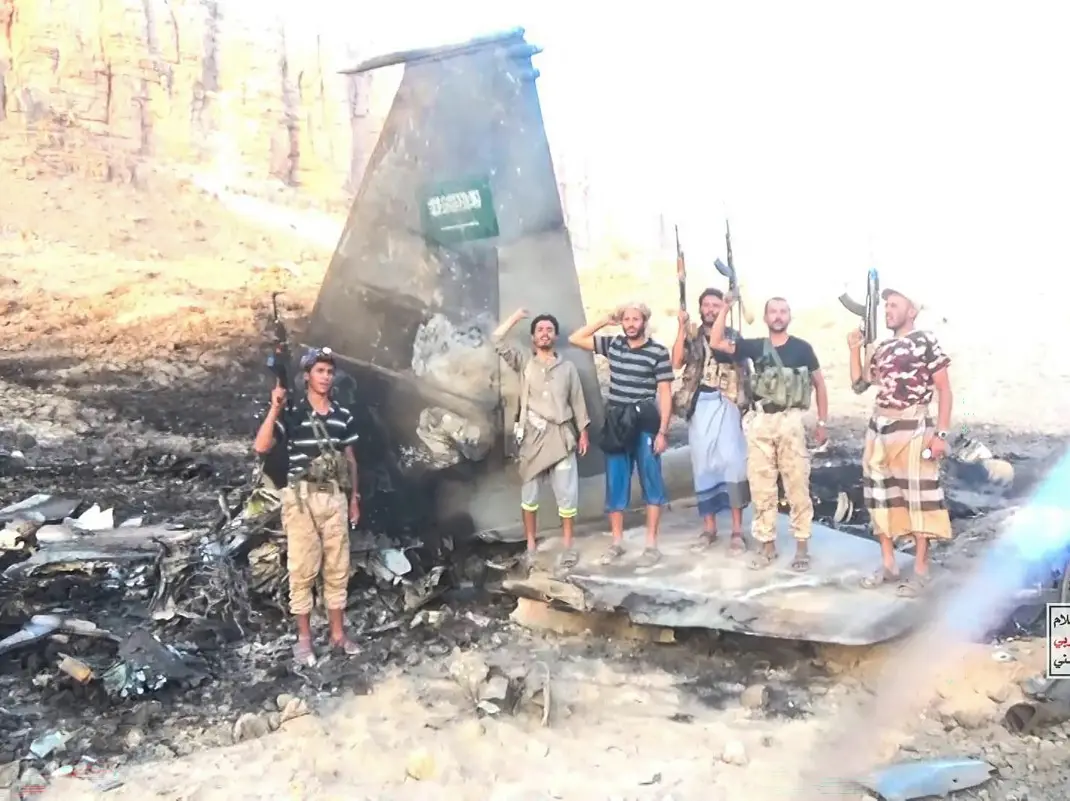)
Riyadh warns of ‘red line’ after Mecca targeted; Houthis claim downing Saudi fighter jet – What’s happening?
)
Daayra movie review: Kareena Kapoor, Prithviraj Sukumaran shine in Meghna Gulzar’s cop-versus-cop crime thriller
)
Pakistan: Imran Khan's sons Kasim & Sulaiman claim their father is 'tortured' in jail
)
FBI Director Kash Patel grilled over change of hiring rules on bestiality
)
Abhishek Sharma rises to No. 2 in T20Is; ENG’s Robinson 3rd after record Pakistan Tests
)
Extreme warming in Indian Ocean added 695 billion tons of ice to Antarctica ice sheet
)
All Indian goods to get duty-free access to New Zealand
The turning point came in late June 2025, when activists broke into RAF Brize Norton, Britain’s largest airbase, and vandalized two Airbus Voyager refueling aircraft with paint and crowbars. Days later, then–Home Secretary Yvette Cooper—recently appointed foreign secretary—used anti-terror laws to formally ban the group. The move, which placed Palestine Action on the same legal footing as Hamas, al Qaeda, and ISIS, drew sharp criticism from UN experts, rights organizations, and opposition lawmakers.
Why did the UK government outlaw it?
Officials pointed to an assessment by the Joint Terrorism Assessment Centre, arguing that Palestine Action had moved from disruptive protest into acts of sabotage. Cooper said the group’s record of criminal damage made the designation necessary for national security. Authorities had signaled concern well before this summer. A government-commissioned review in 2024 warned that the group’s tactics—and those of climate campaigners like Just Stop Oil—bore resemblance to extremist organizations and suggested they be subject to bans.

