Over 100 chemical weapons sites of Assad regime may still be existing in Syria: Report

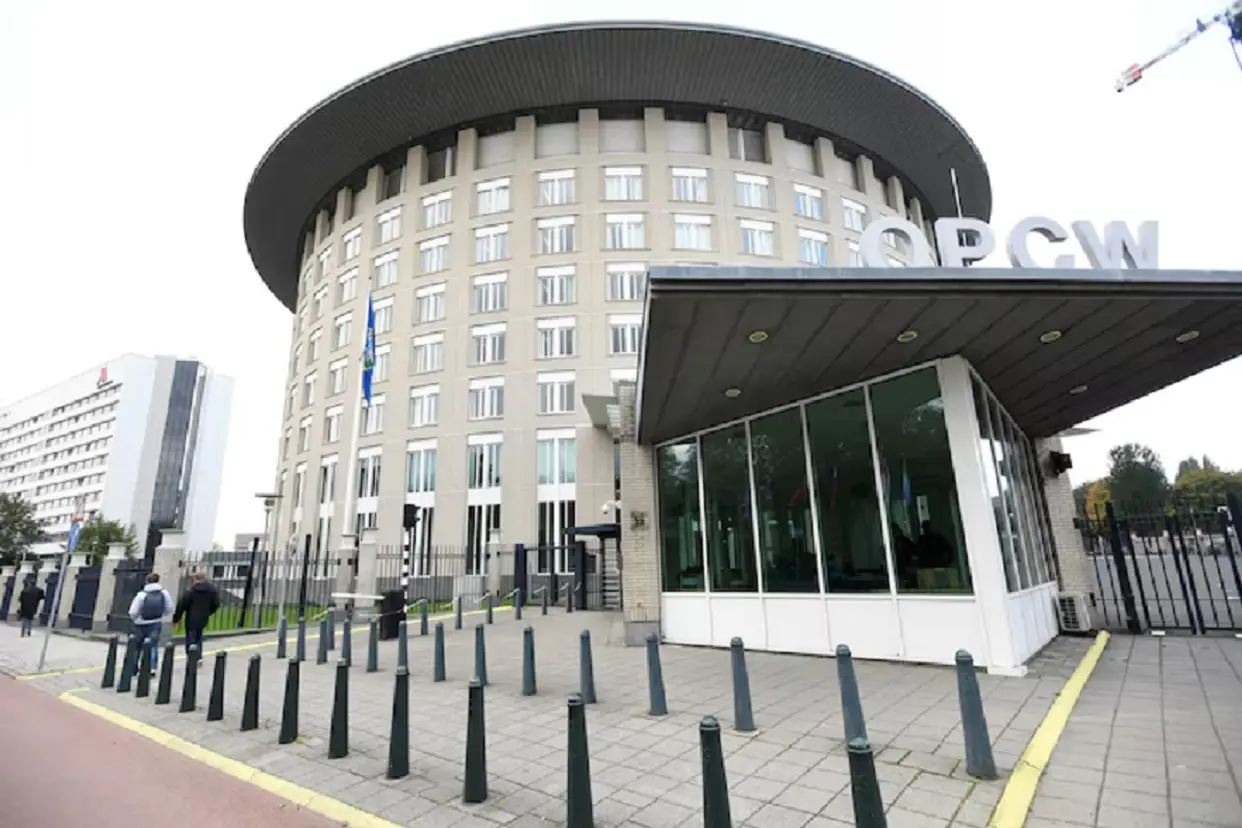
World: The suspected sites were likely used for research, manufacturing, and storage of nerve agents like sarin, chlorine, and mustard gas. Some are believed to be hidden in caves or similar difficult-to-reach sites.
As many as 100 chemical weapons sites could still be existing in Syria, far more than the 27 sites initially declared by the regime of former president Bashar al-Assad when Damascus agreed to disarm in 2013, reveals a New York Times report based on the findings of the Organization for the Prohibition of Chemical Weapons (OPCW).
The OPCW, a treaty-based agency in The Hague with 193 member countries, is tasked with implementing the 1997 Chemical Weapons Convention.
Chemical weapons inspectors were taken to previously unseen production and storage locations, dating from the rule of Bashar al-Assad, by Syria’s caretaker government.
The suspected sites were likely used for research, manufacturing, and storage of nerve agents like sarin, chlorine and mustard gas. Some are believed to be hidden in caves or similar difficult-to-reach sites, raising the risk that the dangerous stockpiles could fall into the hands of extremists and armed groups.
Also Read | Iran’s top diplomat rejects offer for direct nuclear talks with US, calls it ‘meaningless’

An OPCW team visited Syria in March to prepare for the task of locating and destroying remnants of chemical weapons stockpile. They were taken to locations that had not been declared to OPCW by the Assad government. The team was given access to documents and details about Assad’s chemical weapons programme.
“The Syrian caretaker authorities extended all possible support and cooperation,” the agency said in a summary of the visit posted online.
The OPCW was provided security and had “unfettered access” to sites and people, in sharp contrast to the situation under Assad when Syrian officials used to stonewall OPCW inspectors.
Also Read |Senior US official heads to Pakistan with focus on critical minerals deal
Although the new leadership in Syria allowed OPCW to start its ground assessments and pledged to eliminate remaining weapons, some experts are still sceptical. “There are many locations that we don’t know about because the old regime was lying to the OPCW,” Raed al-Saleh of the Syria Civil Defence told the NYT.
Moreover, Israeli airstrikes on some suspected facilities after Assad’s ouster may have destroyed key evidence, thwarting any bid to document violations. Israel says it struck suspected chemical weapons sites in Syria to prevent them from falling into the hands of hostile actors.
)
Justice eludes Air India 1985 bombing victims as Canada probe goes 'inactive' | Gravitas
)
Trump revives India-Middle East-Europe economic corridor as India emerges central to West Asia’s future: What is it?
)
Erdogan again raises Kashmir issue at UNGA, calls for dialogue under UN Charter
)
Major League Soccer referee sacked for sexist comment about female match referee
)
Trump signs Greenland security deal with Denmark, paving way for two new US military bases
)
IND vs JPN T20I: How an overturned wide became point of difference between India's win and a tie
)
Trump-Xi summit: From trade to Taiwan, what will the US and Chinese presidents discuss in Washington?
)
Cyclone Arnab: Landfall expected before midnight tomorrow as IMD issues orange alerts across six states
)
ICC plans T20I expansion and fewer ODIs in 2027–2031 FTP cycle: Report
)
US-China tech war: Businesses in the front line
)
Gravitas | Boosting NHS productivity could save 20,600 lives in UK annually: Report
)
Nor'easter could batter 13 US states this week. What you should know
)
WION Iconic Tourism Summit: Seychelles envoy says India partnership is important for Seychelles
)
US and China vie for AI dominance as calls grow for regulation | Gravitas
)
Yemen clashes kill 154 people in two days as cornered Saudi battles Houthi offensive | Gravitas
)
Bomb scare in New York amid UNGA: Suspicious suitcase found near UN headquarters
)
IND vs JPN, one-off T20I: Japan captain Kendel on pushing India to the brink - ‘It was special’
)
Mikel Arteta verbally agrees to three-year extension with Arsenal after title-winning Premier League season
)
WION Iconic Tourism Summit and Awards 2026: Key voices to discuss India’s tourism future
)
WION Iconic Tourism Summit and Iconic Awards 2026: India's travel economy leaders gather in Delhi
&im=FitAndFill=(700,400))
New OTT releases this week (September 21-27, 2026): Shaque: Trust No One, Hunkkaar, Don’t Be Shy- 5 new titles coming to Netflix, Prime Video and more
)
81st UN General Assembly: Burnham announces UK-US AI defence tie-up
)
Trump calls on nations to quit ‘rogue’ and ‘out-of-control’ International Criminal Court, rips UN
)
Infections transmitted from pregnant woman linked to autism risk
)
'What kind of confession is this?': Pakistan PM Shehbaz Sharif’s 'terrorists would be roaming New York' remark goes viral, raises alarm online. Watch
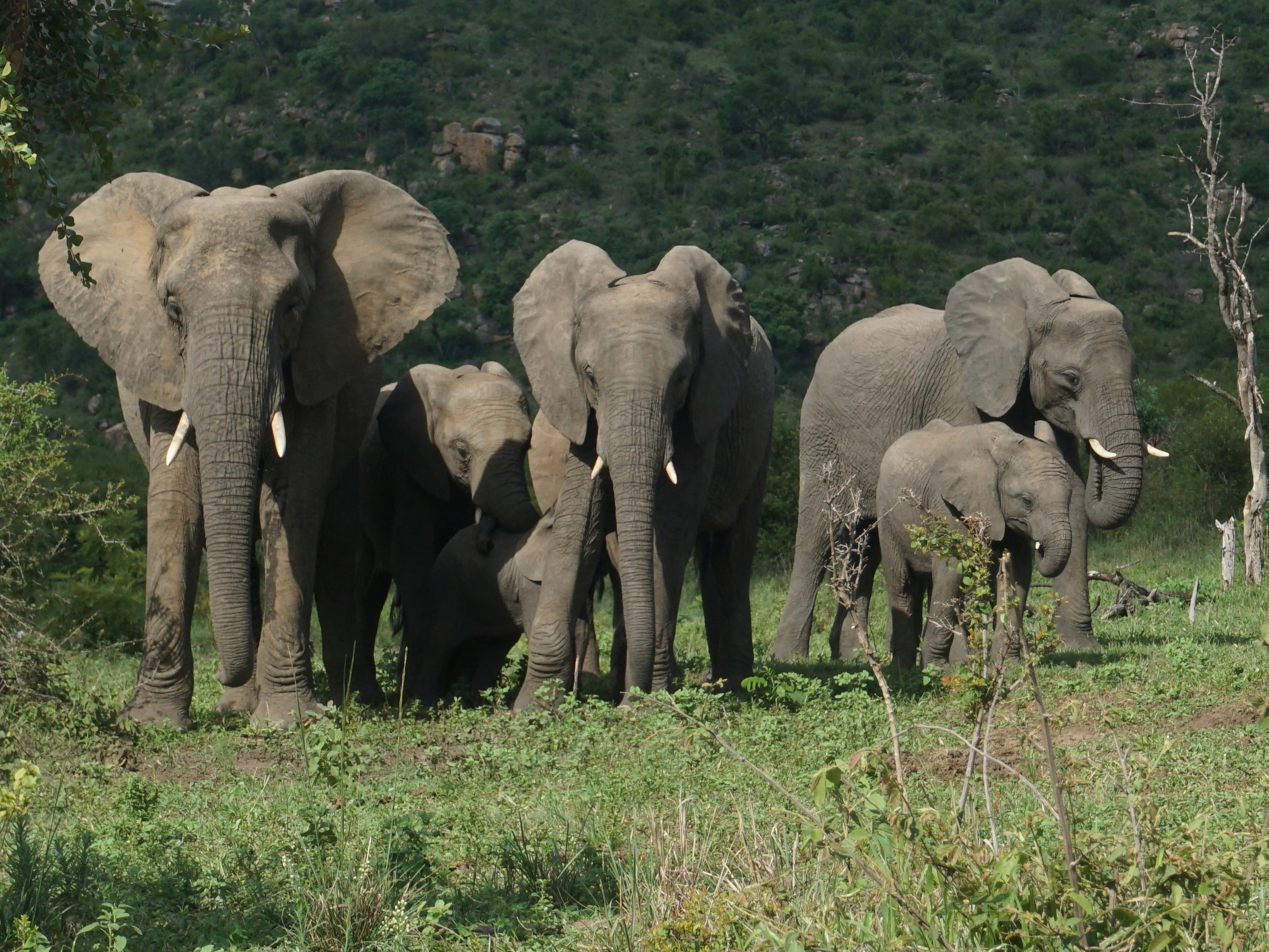)
Elephants hide behind trees, stage surprise attack on poachers targeting rhinos in South Africa
)
IIT Bombay professor Suryanarayana Doolla sent on leave amid Sahil Wakode death probe
&im=FitAndFill=(700,400))
National Film Awards 2026: Kartik Aaryan, Mammootty, Yami Gautam, Randeep Hooda and other key winners
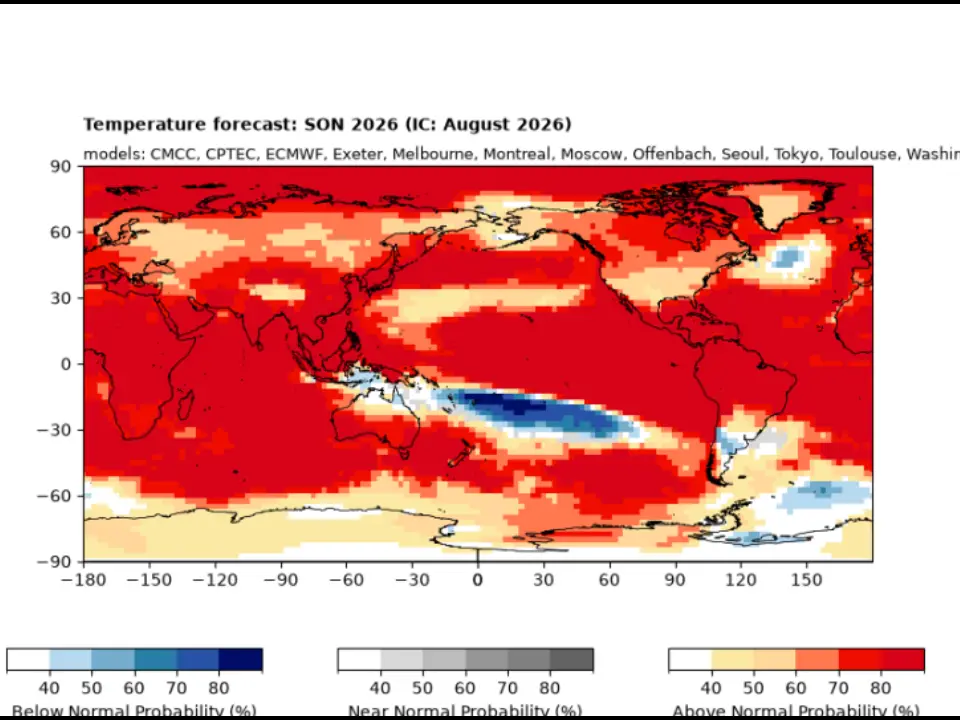)
El Niño 2026 heats up to become strongest in 1,000 years
)
Anne Hathaway to run in supporting race for Nolan's epic
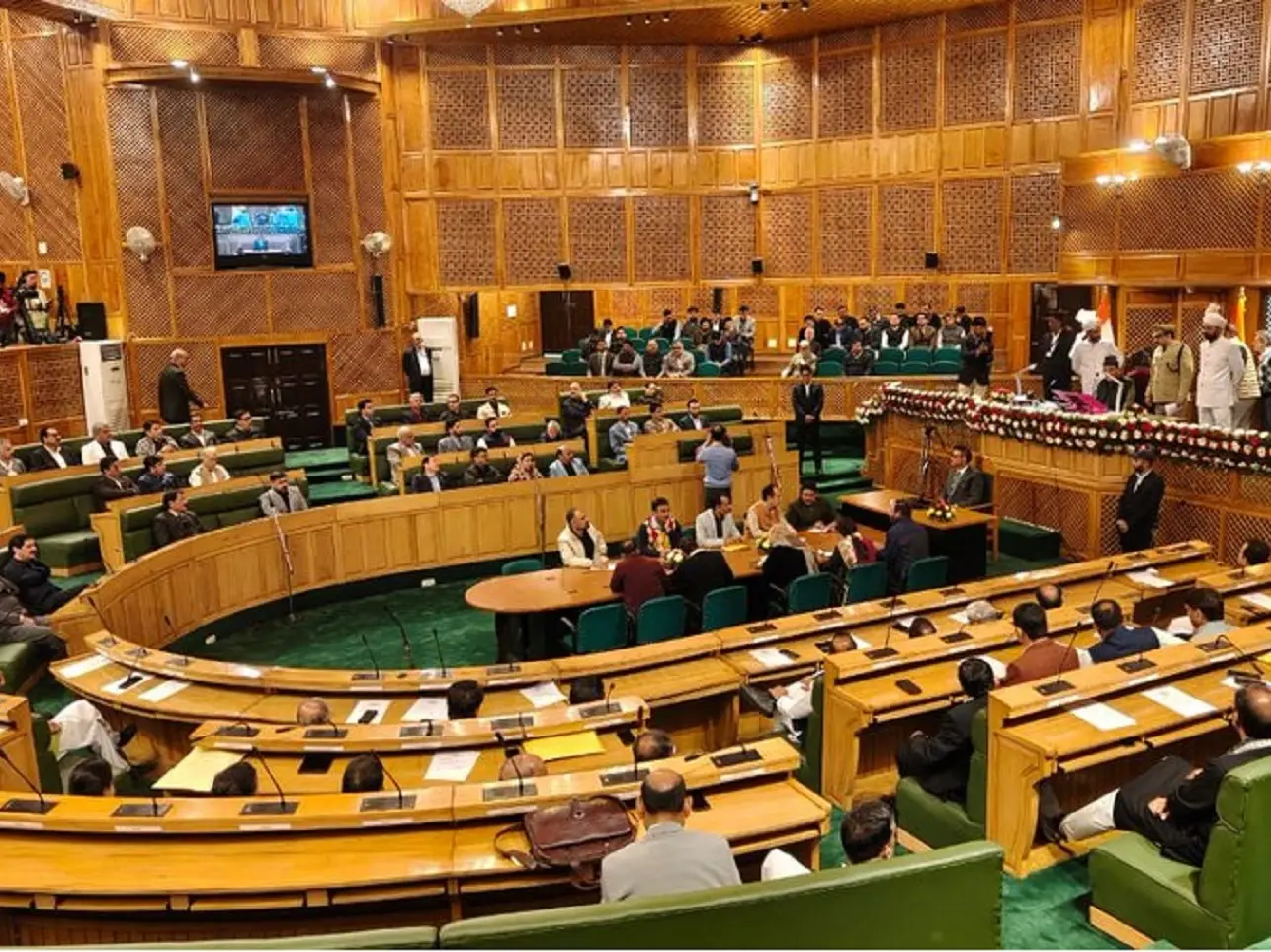)
Over 4,200 books withdrawn from circulation in J&K colleges, 94% from Kashmir
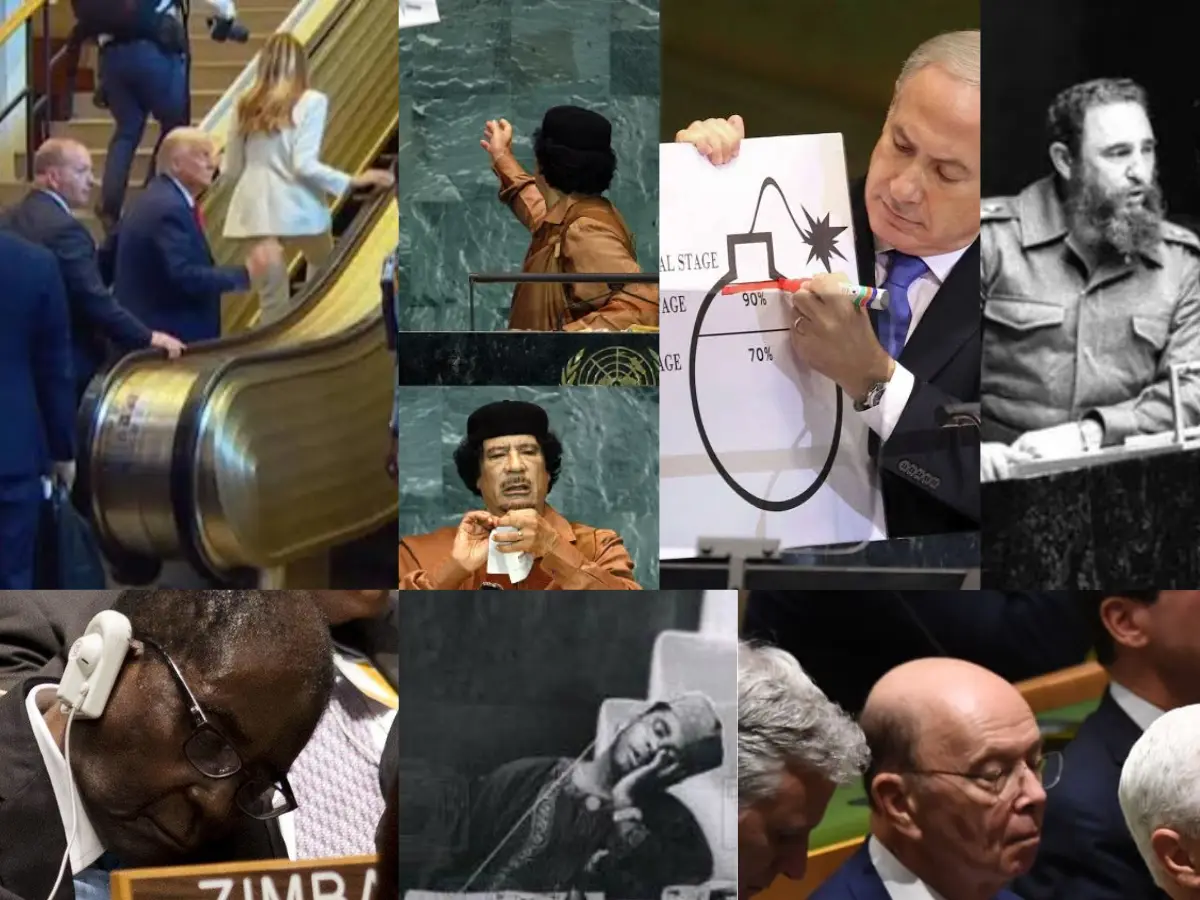)
From Gaddafi tearing up UN Charter to Trump’s ‘escalatorgate’: Most unforgettable UNGA moments
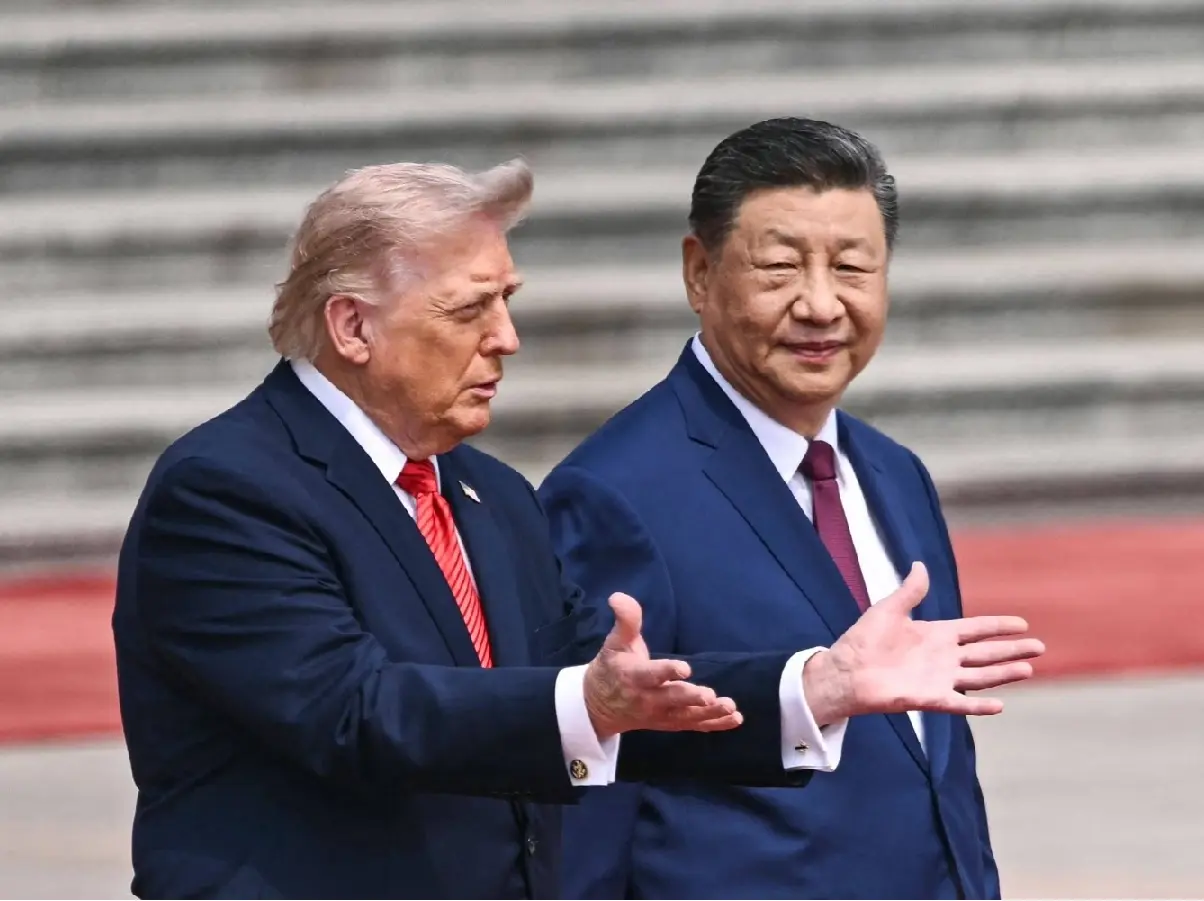)
Explainer: Why rare-earth export licences and Board of Trade are US priorities ahead of Trump-Xi summit
)
Asia prepares for record El Nino, food shock
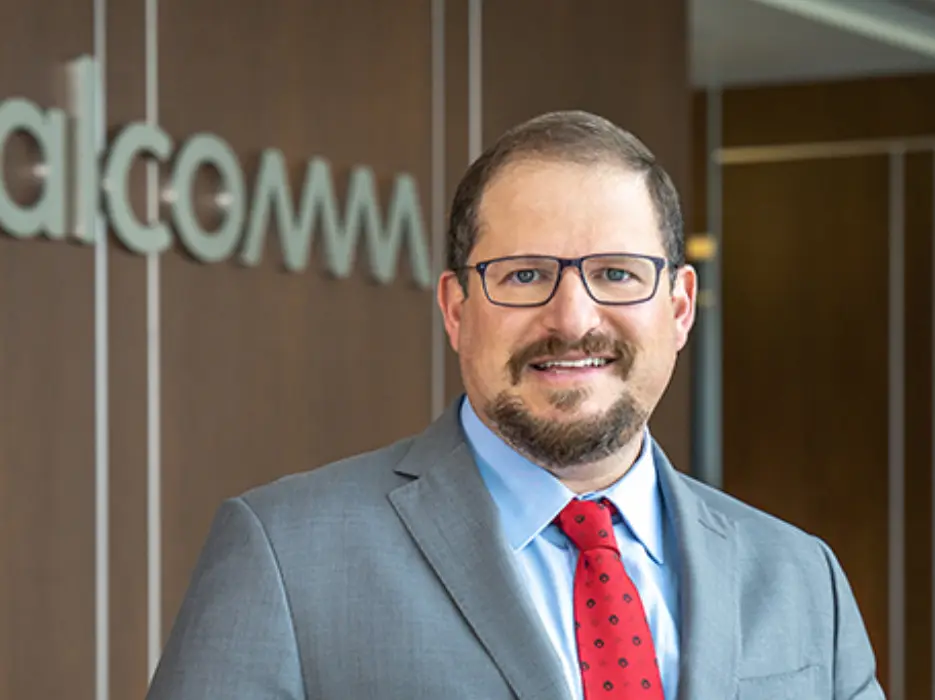)
Forget apps: Qualcomm CEO says AI agents will change how we use smartphones
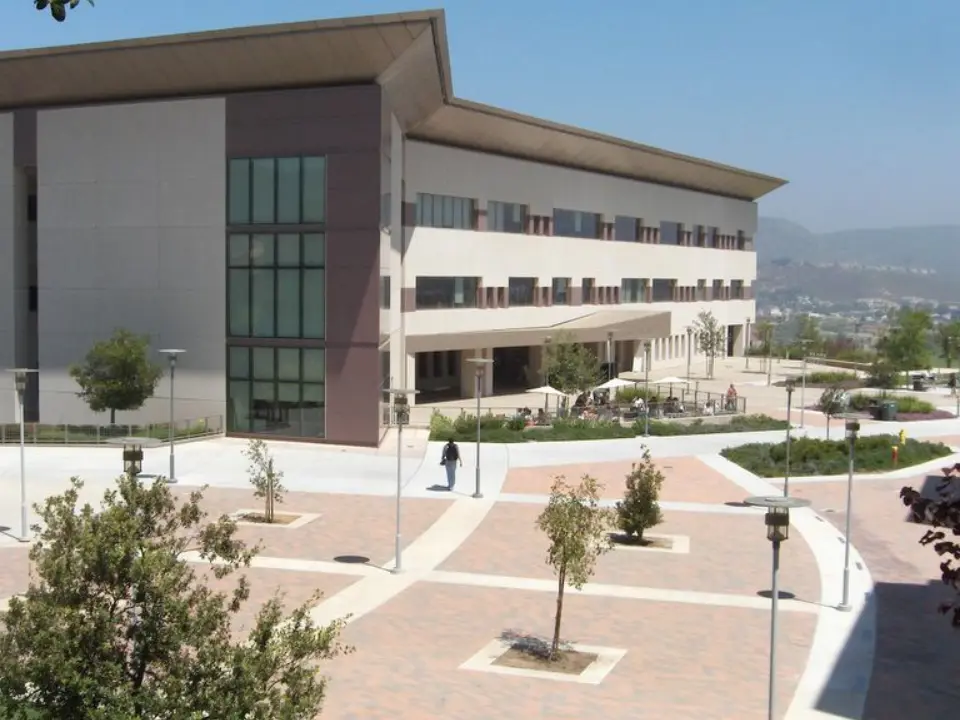)
Four female students raped during 'Red Zone' at California university. What we know
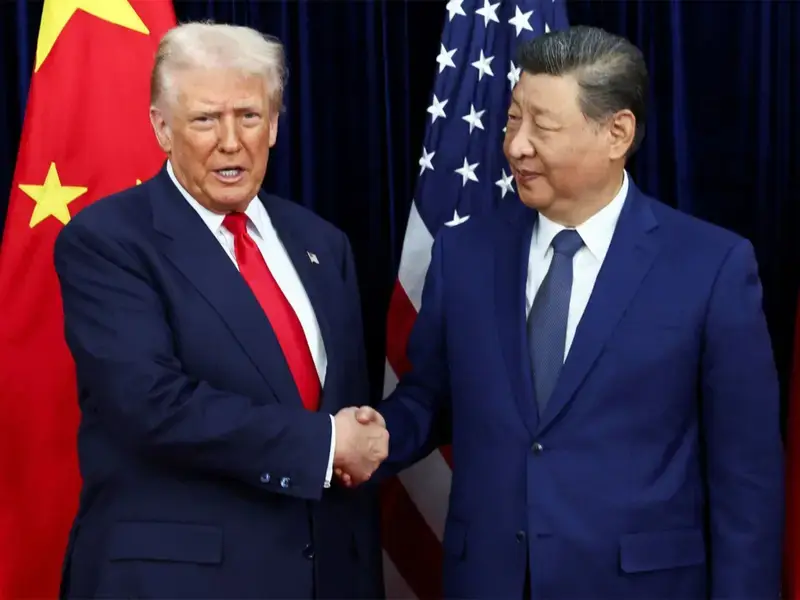)
'Taiwan and human rights are red lines': China warns US ahead of Xi-Trump visit
Also Read | Sam Altman shares his AI-generated cricketer avatar in India jersey; internet sees biz strategy, roasts him
Syria’s chemical weapons programme dates to the 1970s and involved hundreds of scientists, most of them trained in Europe. Despite official disarmament, watchdogs documented repeated use of banned substances till 2018 at least.
Assad and his Russian backers always denied ever having used chemical weapons in the civil war that began in 2011 and left hundreds of thousands dead.
Syria joined the agency under a U.S.-Russian deal after a 2013 sarin gas attack near Damascus killed hundreds. Around 1,300 metric tonnes of chemical weapons and precursors were destroyed.
But it is still believed to have kept some of the weapons and was accused of using them again in the following years.
Also Read | Pope Francis makes surprise public appearance at the Vatican
The destruction of any remaining chemical weapons was among the conditions the United States imposed on Syria if it wants sanctions relief.

