Nvidia, Intel deals with US govt: Is the Trump administration sneakily 'nationalising' firms in the name of capitalism?

&imwidth=600&imheight=450&format=webp&quality=medium "Nvidia, Intel deals with US govt: Is the Trump administration sneakily 'nationalising' firms in the name of capitalism?")
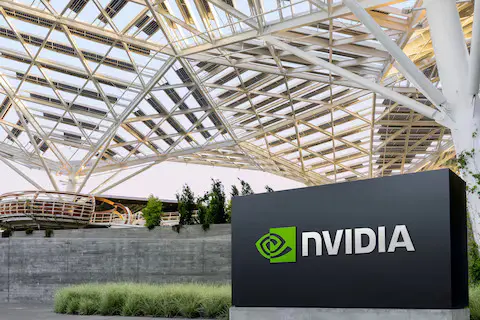
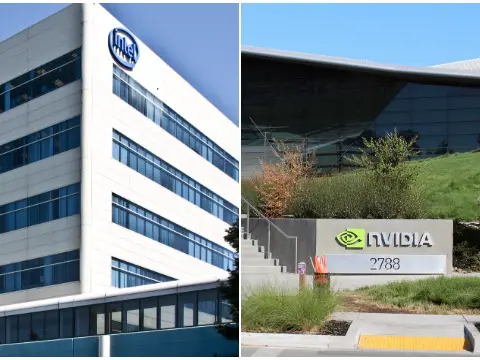
Headquarters of Intel and Nvidia Photograph: (Others)
The US government deals with chip makers Nvidia and Intel— taking revenue cuts and equity stakes- is raising questions about its avowed stance of keeping away from the markets. These moves echo China-style state capitalism. Here is why it matters
In countries where it intervened, the US had always advocated privatisation of their businesses. But two recent deals are making it look like the US is ‘nationalising’ its private sector—or at least entering business through the backdoor. How different is it from the free market ideals of the US? Here is a reality check.
America, the land of the free market where government enters business through the backdoor?
For all its preaching on privatisation—advising developing countries to keep their hands off the market or cheering on post-Soviet deregulation—America’s message was clear: government should never play entrepreneur.
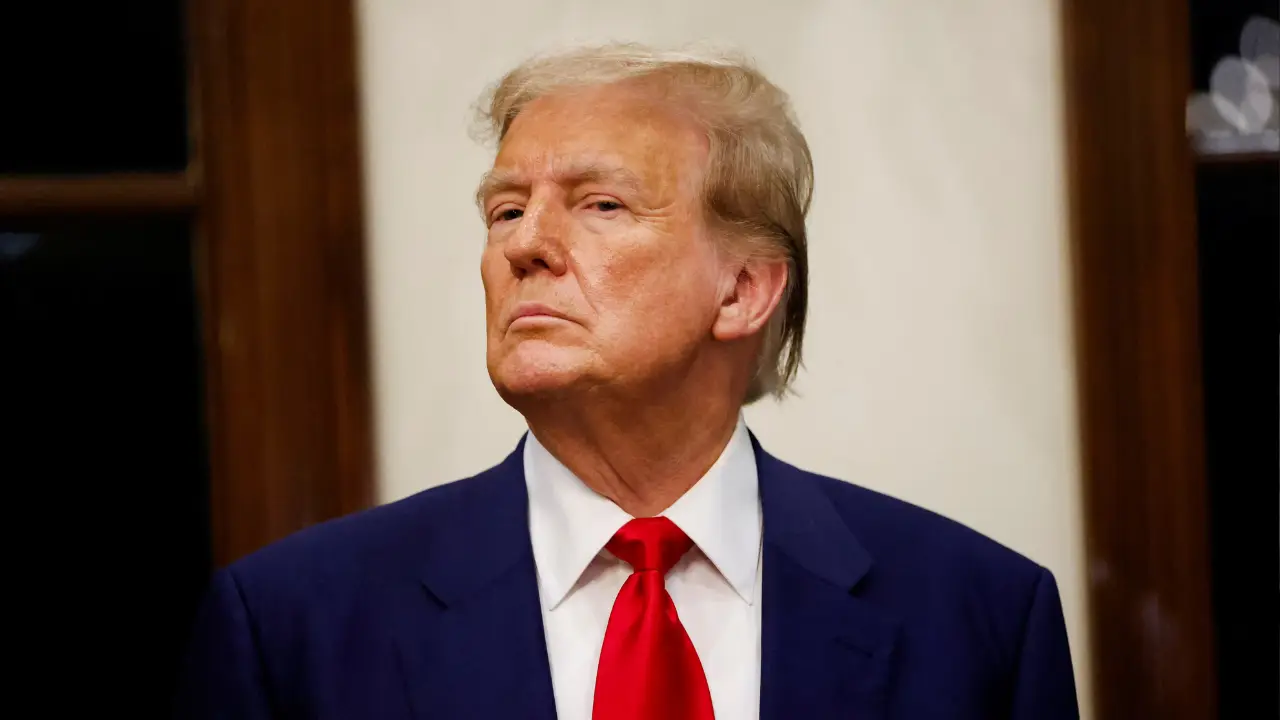
Come 2025, Uncle Sam (or should we say Donald Trump) seems to have dusted off his business suit, ready to sit at the corporate boardroom table.
The recent government deals with Nvidia and Intel suggest that the US government, long averse to nationalisation, is now flirting with it.
Add to that the reports suggesting the government may become some sort of player in keeping TikTok in the US, and you get the idea.
Trending Stories
)
)
)
)
)
)
)
)
)
)
)
)
)
)
)
)
)
)
)
)
)
)
&im=FitAndFill=(700,400))
)
)
)
)
)
)
)
)
)
)
)
)
)
None of this is happening through the front door.
What exactly is happening with Nvidia?
This month, in a move that an authoritarian regime would envy, the Trump administration secured a 15 per cent revenue cut from Nvidia and AMD’s AI chip sales to China.
In return, it granted them the golden ticket of export licences, after months of holding them back.
This arrangement will affect chips like Nvidia’s H20 and AMD’s MI308. It's expected to add more than $2 billion to the US Treasury. Who needs taxes when you can just shake the corporates a little for profits?
Critics are calling it an "unconstitutional export tax," while in practice it's a "pay-to-play" arrangement.
It smacks of commercialising national security, with the government acting as a silent business partner—without actually investing a dime or breaking a sweat.
Why is the Intel investment unusual for America?
Intel, once the rock star of chip-making, has been struggling for some time. And an unlikely knight in shining armour has arrived: Donald Trump.
The proposal is to transform some $10.9 billion in CHIPS Act grants into a 10 per cent equity stake for the government.
This is basically another way of saying that the US government is going to become a major shareholder in a private company.
Not quite socialism, right?
The government explains this as support for domestic chip production, aligning with Trump’s “America First, Silicon Edition” policy.
But it could also mean government intervention in Intel’s strategic decisions.
State capitalism is bad when China does it, but nice when the US does it?
The US has often scoffed at the 'state capitalism' of countries like China. Its officials raised concerns when the Chinese government took "golden shares" in private companies for strategic leverage.
Now, it seems the US may be entering its own phase of state capitalism too.
Experts are calling it a move divergent from America’s free-market ideals.
These new arrangements open the door to bureaucratic interventions and a fresh wave of corporate lobbying.
US government intervention in business is not new. Remember the financial crisis?
The Nvidia and Intel deals do not reflect a government takeover of these businesses, at least not yet. But government interventions in business are not new—though still rare. The last most significant example was the ‘bailouts’ of the 2008 financial crisis.
At the time, a very reluctant US government bought a 60 per cent stake in General Motors, later selling it at a $10 billion loss. It also took an 80 per cent stake in failing insurance giant AIG to stave off disaster.
Those were exceptional circumstances. But the current deals look more like business ventures, aimed at long-term strategic control of key sectors.
There have been other, less-reported deals in recent months. For instance, the US Defence Department bought a $400 million stake in MP Materials in July.
While free-market capitalism might still make for good PR, the US is now dabbling in the kind of state-run manoeuvring it once despised.
The US government is no longer just regulating and monitoring the market—it’s entering it. With a chequebook.