&imwidth=800&imheight=600&format=webp&quality=medium "No LPG for households with piped gas: India tightens rules as West Asia war impacts fuel imports")
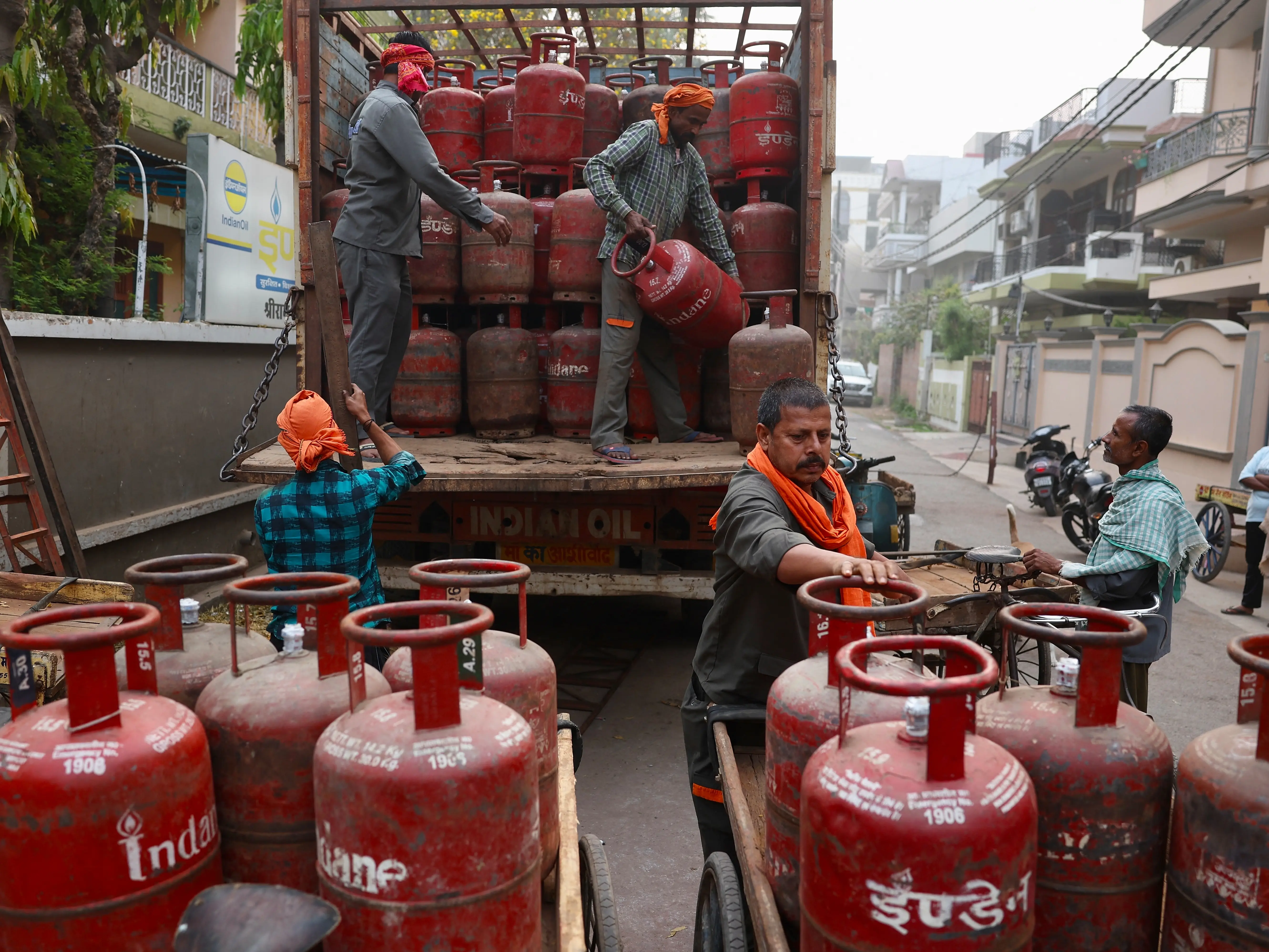
The Government of India on Saturday (March 14) issued a formal amendment to the Liquefied Petroleum Gas (Regulation of Supply and Distribution) Order, making it illegal for households with a Piped Natural Gas (PNG) connection to possess, obtain, or refill domestic LPG cylinders.
"No person having a Piped Natural Gas connection and also having a domestic LPG connection shall retain a domestic LPG connection, or take refills of domestic LPG cylinders from any Government oil company, or through their distributors. Such persons will be required to immediately surrender their domestic LPG connection," the Ministry of Petroleum and Natural Gas said in an order.
The move is part of temporary demand-management measures triggered by the energy crisis amid conflict in West Asia after the closure of the Strait of Hormuz, which accounts for shipping of nearly 90 per cent of India's LPG imports.

By moving 6 millions household entirely to PNG, the government aims to conserve the limited domestic LPG stock for rural areas and regions where piped gas infrastructure does not yet exist. It also allows the government to maintain 100 per cent supply for domestic users who have no other alternative, while rationing supplies for the commercial sector.
On March 9, the the Ministry of Petroleum and Natural Gas (MoPNG) officially invoked the Essential Commodities Act, mandating that the segments which directly impact millions of common consumers, piped natural gas (PNG) for households, compressed natural gas (CNG) for vehicles, and liquefied petroleum gas (LPG) production, will take precedence over other natural gas-consuming sectors.
Trending Stories
&im=FitAndFill=(700,400))
Why Chinese PL-15 air-to-air missiles use dual-pulse motors compared to European interceptors
)
BRICS Summit 2026: Iran's Pezeshkian praises PM Modi at BRICS
)
BRICS Summit 2026: PM Modi, Xi reach key consensus on ties, China to assume BRICS chairmanship in 2027
)
Why asking questions could be more important than memorising answers
)
How does the loss of forests affect the way wildlife lives and moves?
)
Top 5 places to visit in Goa beyond its famous beaches
)
Baba Vanga's first prophecy for 2027 is out, and straight out of science fiction
)
BRICS rejects EU carbon tax as ‘punitive’, ‘discriminatory’; warns of burden on Global South
)
Why dehydration is the hidden cause of travel fatigue on long flights
)
Did Iran President Pezeshkian touch feet of Hindu spiritual leader at Delhi event as shown in viral video?
)
From drones to KAAN fighters: Turkey outlines 229% surge in defence spending amid regional shifts
)
Why does your body need time to adjust after a long journey?
)
Frustrated man demolishes his kitchen after thousands flock to see Mother Mary his wife spotted on the wall
)
BRICS Summit 2026: Global leaders of BRICS nations attend main open session
)
Why going digital does not always mean becoming more efficient
)
Why do wild animals need quiet places to survive?
)
Ramanathaswamy temple takes centre stage as PM Modi welcomes world leaders at BRICS
)
From India, Putin warns Europe against sending troops to Ukraine, Zelensky expresses willingness to meet him at G20 Summit
)
'He is popular...': Malaysian PM Anwar Ibrahim's praise for PM Modi during bilateral meeting | WATCH
)
IND vs AFG, 1st T20I: When and where to watch live streaming in India?
)
From severe mobility problems to recovery: Madhuri the elephant’s journey of wildlife care
)
Humans may lose control of AI: Anthropic CEO calls for slowdown, Altman, Musk back him
)
Trump says Canada eager to reach a deal, it could come ‘fairly soon’ if Ottawa treats US farmers better
)
Why does your skin need protection from UV rays?
)
BRICS Summit 2026: PM Modi to hold bilateral with leaders of seven countries
)
800 million years old - Scientists discover 'fingerprints' of supercontinent Gondwana in ancient rocks
)
‘Partners, not rivals’: Xi outlines four point plan for stronger India-China ties
)
Osama Bin Laden ‘planned’ to target India, CIA reveals dozens of declassified documents
)
BRICS Summit day 1: New Delhi declaration adopted with full consensus, big diplomatic win for India
)
BRICS Summit 2026: 30+ countries seek BRICS membership
&im=FitAndFill=(700,400))
Why do air defence missiles explode near their target instead of hitting it?
)
Could staying indoors all day affect your health?
)
Who is the smiling man beside Modi, Putin and Xi at BRICS Summit 2026?
)
9-year-old Chennai prodigy clears Cambridge IGCSE grade 10 exams
)
PM Modi and China's Xi offered to help resolve Russia-Ukraine war: Kremlin
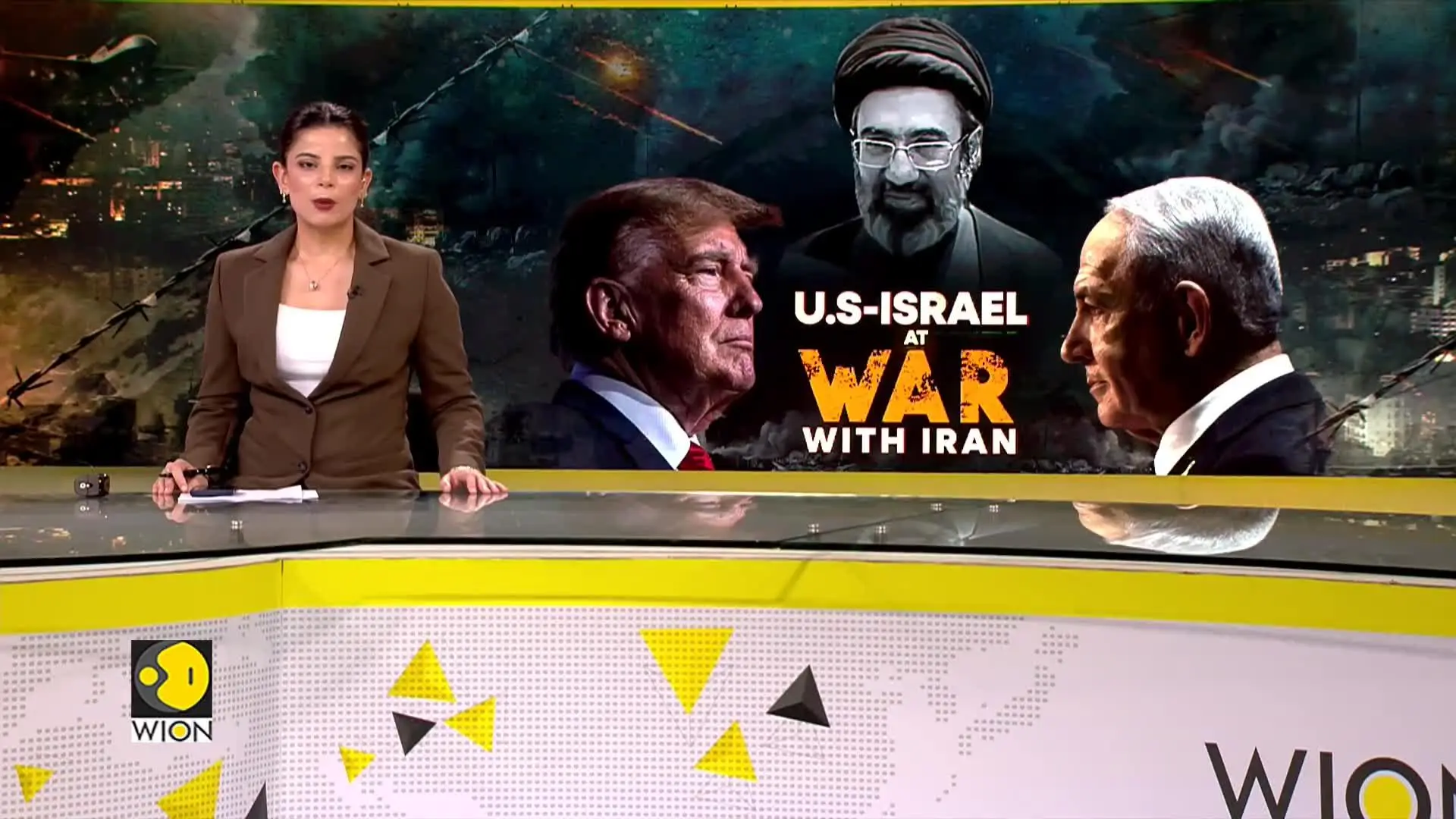
These developments come as the war in West Asia entered its 15th day, after joint US-Israeli strikes on February 28 targeted the top leadership of Iran, assassinating Supreme Leader Ayatollah Ali Khamenei on the opening day of the Military campaign.
In retaliation, Iran launched missile and drone attacks on US bases across the region and announced effective closure of the Strait of Hormuz, which accounts for nearly 20 per cent of global oil shipping, leading sharp rise in energy prices with crude crossing $100 per barrel and disrupting the supply of natural gas.
However, following India's diplomatic efforts, Iran allowed two Indian-flagged Liquefied Petroleum Gas (LPG) carriers, the Shivalik and the Nanda Devi, to transit the strait.
The Iranian Ambassador on Friday confirmed that Tehran will provide safe passage to vessels bound for India through the Strait of Hormuz, citing the long-standing friendship and shared interests between the two countries.
(Disclaimer: WION takes utmost care to accurately and responsibly report ongoing conflicts in West Asia involving Israel, Iran, US, Gulf nations and non-state actors like Hezbollah, Hamas, Houthis, Islamic State, and others. Claims and counterclaims, disinformation and misinformation are being made online and offline. Given this context, WION cannot independently verify the authenticity of all statements, social media posts, photos and videos.)