Iran widening the US-Israel divide: Lebanon De confliction cell to push Israel to the edge

&imwidth=600&imheight=450&format=webp&quality=medium "Iran widening the US-Israel divide: Lebanon De confliction cell to push Israel to the edge")
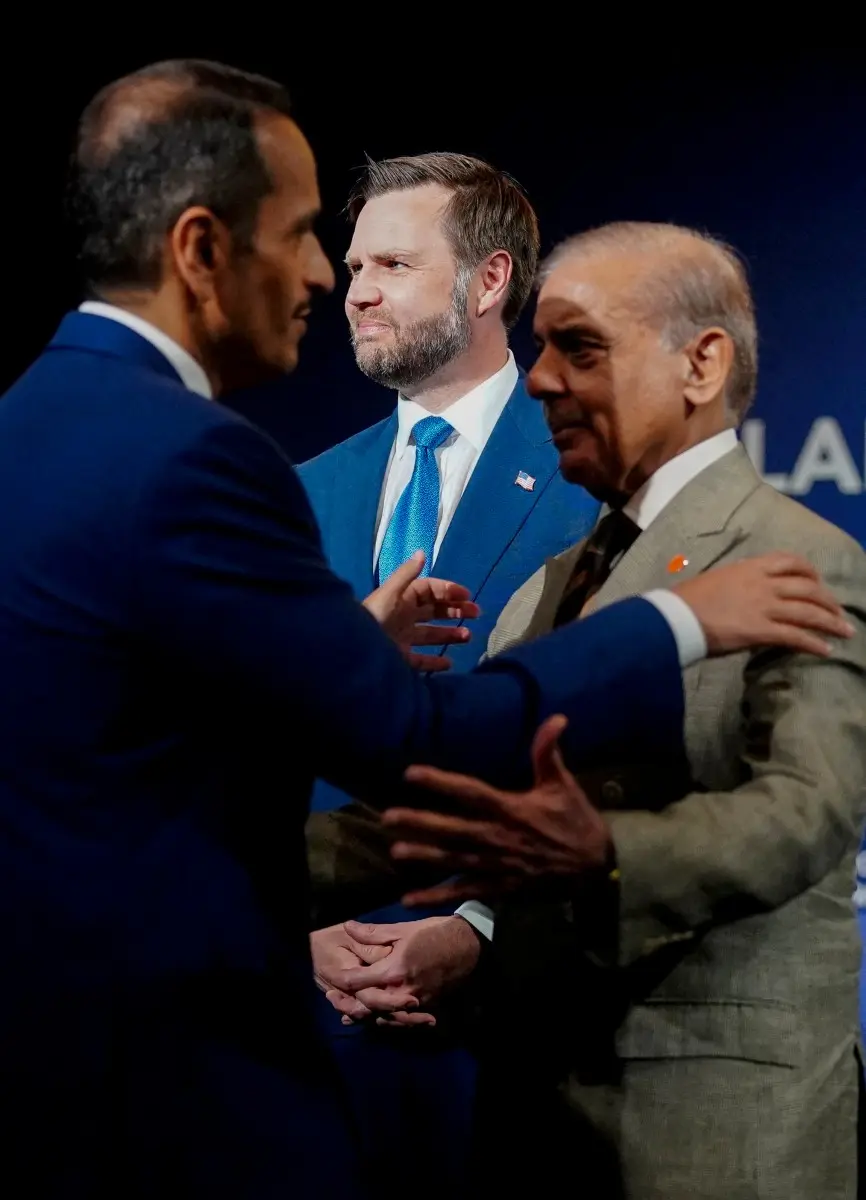
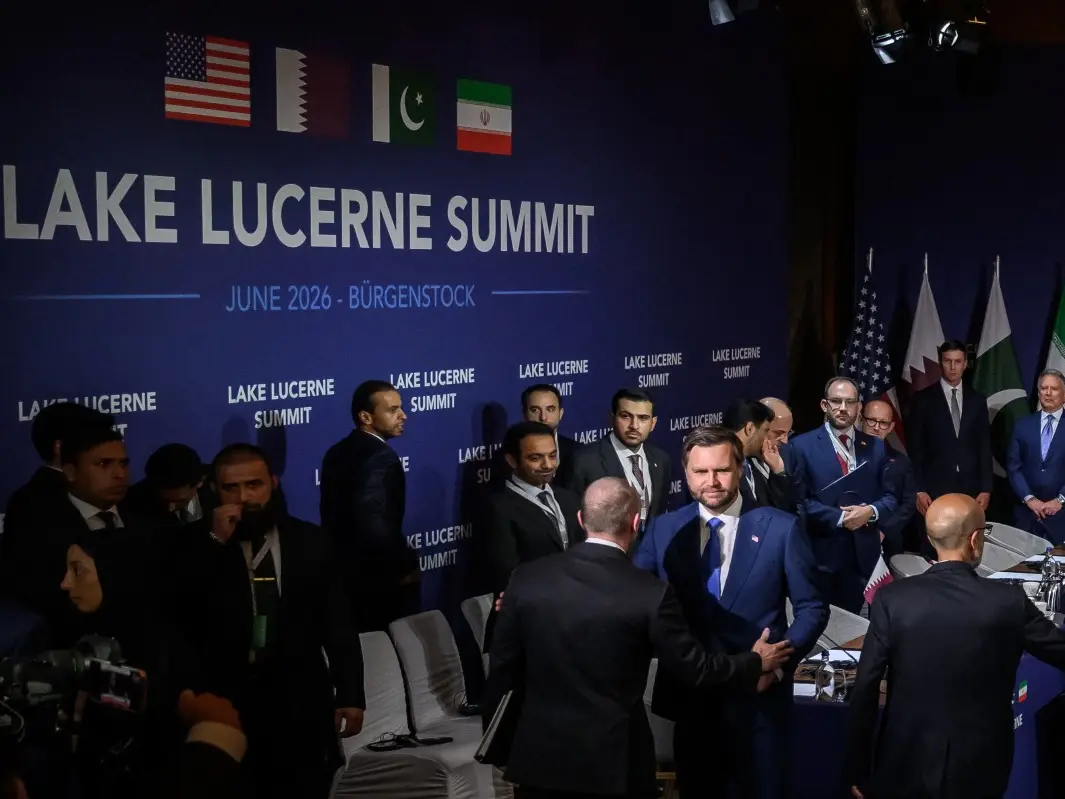
US Vice President JD Vance (C-R) stands prior to a quadrilateral meeting between the United States, Iran, Pakistan and Qatar at the Burgenstock luxury hotel complex overlooking Lake Lucerne, Switzerland, on June 21, 2026 Photograph: (AFP)
A new Lebanon De-Confliction Cell involving the US, Iran and Lebanon has emerged from the Switzerland talks mediated by Qatar and Pakistan. Here's who is in the mechanism and why analysts believe it could constrain Israel's actions in Lebanon.
Iran's negotiation team left Switzerland after 18 hours of intensive talks. The negotiations centred on the order in which Washington and Tehran fulfil their respective commitments under the memorandum of understanding. Meanwhile, as the meeting went on, it was briefly suspended after threatening statements by US President Donald Trump to bomb Iran. Iran’s delegation withdrew from the negotiations. Rather than talking face-to-face, the Iranian delegation remained at the Bürgenstock Resort in Switzerland but funnelled their messages, demands, and critiques exclusively through the mediators. Despite the drama, the negotiation yielded progress.
Qatar and Pakistan announced on Monday the creation of a new "deconfliction cell" in Lebanon, describing it as a mechanism to help enforce the Israel-Hezbollah cease-fire reached under the emerging US-Iran framework. “The parties agreed on the creation of a de-confliction cell, between the parties, the Lebanese Republic and facilitated by the Mediators, to ensure the adherence to the termination of military operations in Lebanon,” the joint statement reads.
Who is there in the Lebanon De confliction cell?
According to the joint statement by the international mediators Pakistan and Qatar, the Lebanon De-confliction Cell formally include “the Parties”.The United States, Iran, and the Lebanese Republic. Neither Hezbollah nor Israel are included in the cell, but the sovereign government of Lebanon is integrated as a direct participant. It was the first concrete operational measure to emerge from the talks. The effectiveness of this cell is likely to determine the effectiveness of the US-Iran peace talks in the upcoming 60 days.
How is it cornering Israel?
Israeli commentators argue that the events which are unfolding, including the development from Switzerland is a strategic dilemma for Israel because it changes all the rules and norms that Israel has been used to. It takes away the Israeli agency to unilaterally alter West Asia according to its whims and wishes.
Trending Stories
)
)
)
)
)
)
)
)
)
)
&im=FitAndFill=(700,400))
)
)
)
)
)
)
)
)
&im=FitAndFill=(700,400))
)
)
)
)
)
)
)
)
)
)
)
)
)
)
)
&im=FitAndFill=(700,400))
)
)
)
The earlier ceasefire with Hezbollah was managed between the US and Israel, allowing Israel freedom of action. It maintained its presence in southern Lebanon and continued to destroy Lebanese villages, killing more than 600 Lebanese people and pushing many Lebanese out of their villages. But analysts are viewing this as a different negotiation; the US seems to be struggling with what historians call a "manufactured victory" or a strategic illusion. Both Israel and the US are failing to strategically materialise the battlefield gains. Israel is kind of compelled to play along, even though it continues to deny withdrawl from Lebanon and is arranging a negotiation with the Lebanese authority next Tuesday. But the thinking, the planning, the manoeuvring in Israel centres around how much compromise Israel can make without completely losing the confidence of the Israeli public.
Is Iran deliberately dividing the US-Israeli alliance?
The Israeli minister of defence claims that it will remain in Beaufort Castle, which is beyond the “Yellow Line”, beyond the Litani River, and it is deeper than the 8 km that Israel seems to suggest that the United States wants Israeli troops to pull back to now. Some analysts are posing a question whether the Iranians are deliberately manipulating the situation to create further division between the US and Israel. Because if we consider just military prowess, Israel, no matter how it conducts itself, will fail to continue a multifront war while angering Washington.
“I think Iran is using Lebanon as a tool to widen the gap between Israel and the United States - or to be more precise, between the Netanyahu government and the Trump administration,” said Wolfgang Pusztai, a prominent Austrian security, defence, and foreign policy analyst who specialises in the Middle East and North Africa. He thinks it's a great opportunity for them to split the alliance between Washington and Tel Aviv. Even though Iran wants Israel to retreat from Lebanon, it can't realistically expect Israel not to retaliate or strike back later on. It understands that Israel might fall back temporarily, but the larger project to defang Iran and its proxies appears to be a feasible endeavour until there is a US-Israeli alliance. The deal might seem very lucrative on the surface, but it poses an existential threat to either Iran or the US-Israel alliance.