&imwidth=800&imheight=600&format=webp&quality=medium "Keeping Indus Waters Treaty in abeyance is 'real threat' to regional stability, says Pakistan Deputy PM Dar")
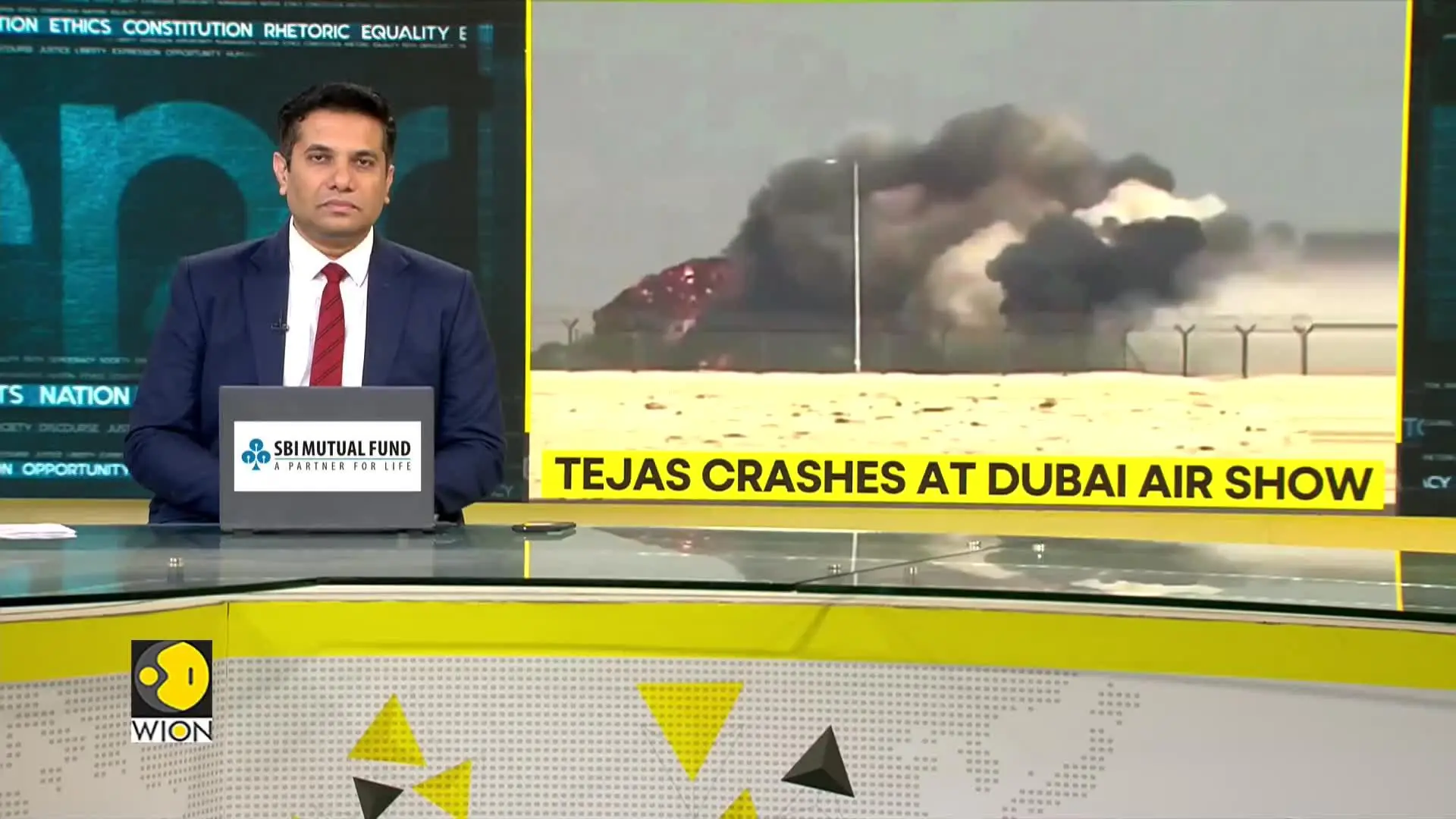
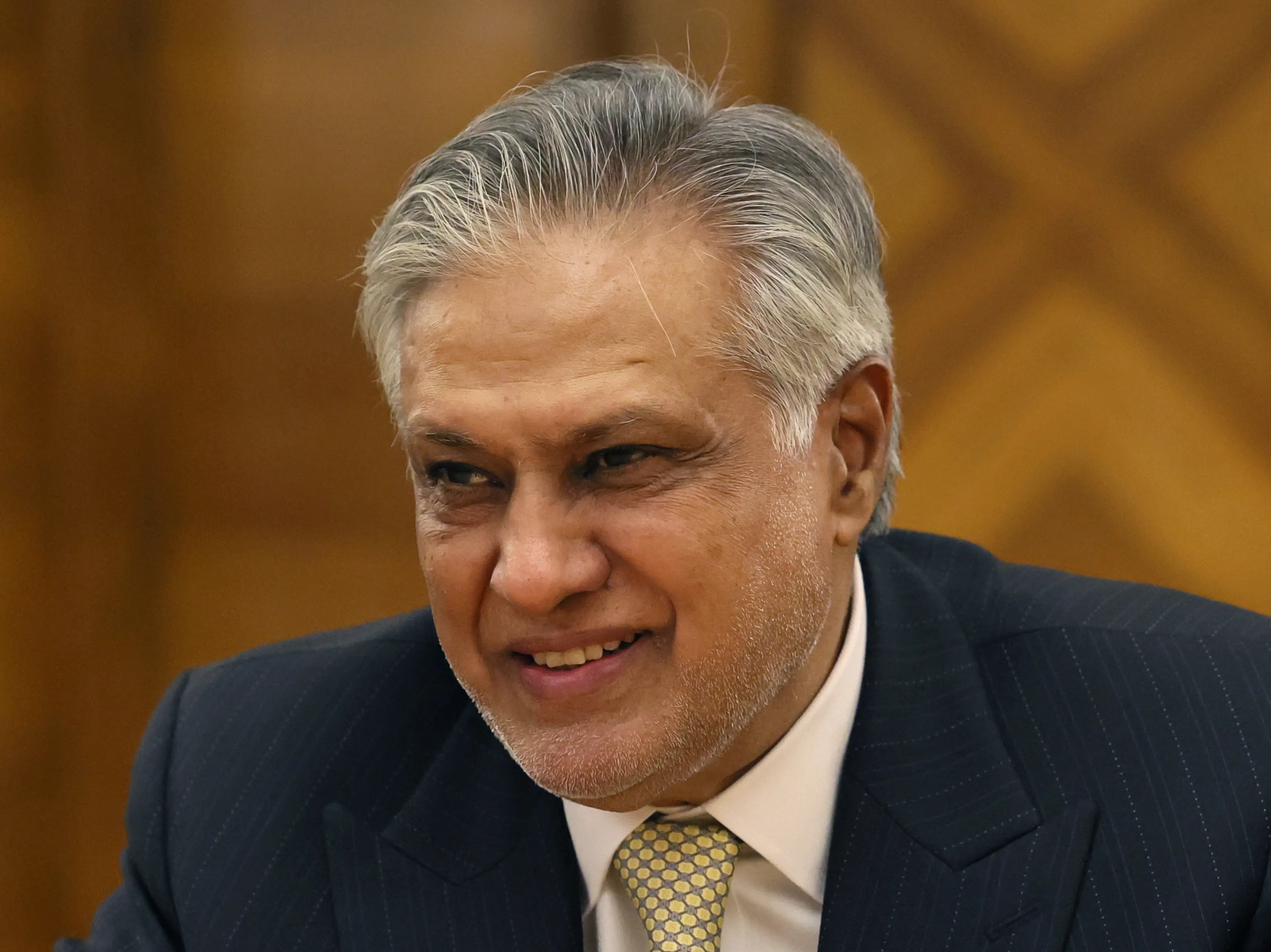
Pakistan Deputy Prime Minister Ishaq Dar on Friday (Nov 21) echoed Islamabad's rhetoric from a multilateral forum, declaring India's decision to hold the Indus Water Treaty in abeyance as 'unilateral and illegal,' adding that steps to hold the treaty in abeyance are a 'real threat to regional stability. However, he conveniently avoided addressing India's concern about cross-border terror emerging from his country.
Speaking at the Indo-Pacific Ministerial forum roundtable in Brussels, Dar, who is also serving as Foreign Minister in Pakistan, took the usual moral stance on the issue and said that water must be a source of cooperation, “and not weaponised for politics”.

After repeating his usual rhetoric against India, Dar took aim at its Western neighbour and blamed the Afghan Taliban for the strain in ties, adding that Kabul is responsible for recent terror strikes inside Pakistan.
“We desire a peaceful, stable, friendly, connected, and prosperous Afghanistan. We urge the Afghan Taliban regime to act responsibly, honour their commitments, and work towards rooting out terrorism from its soil,” he said.
Trending Stories
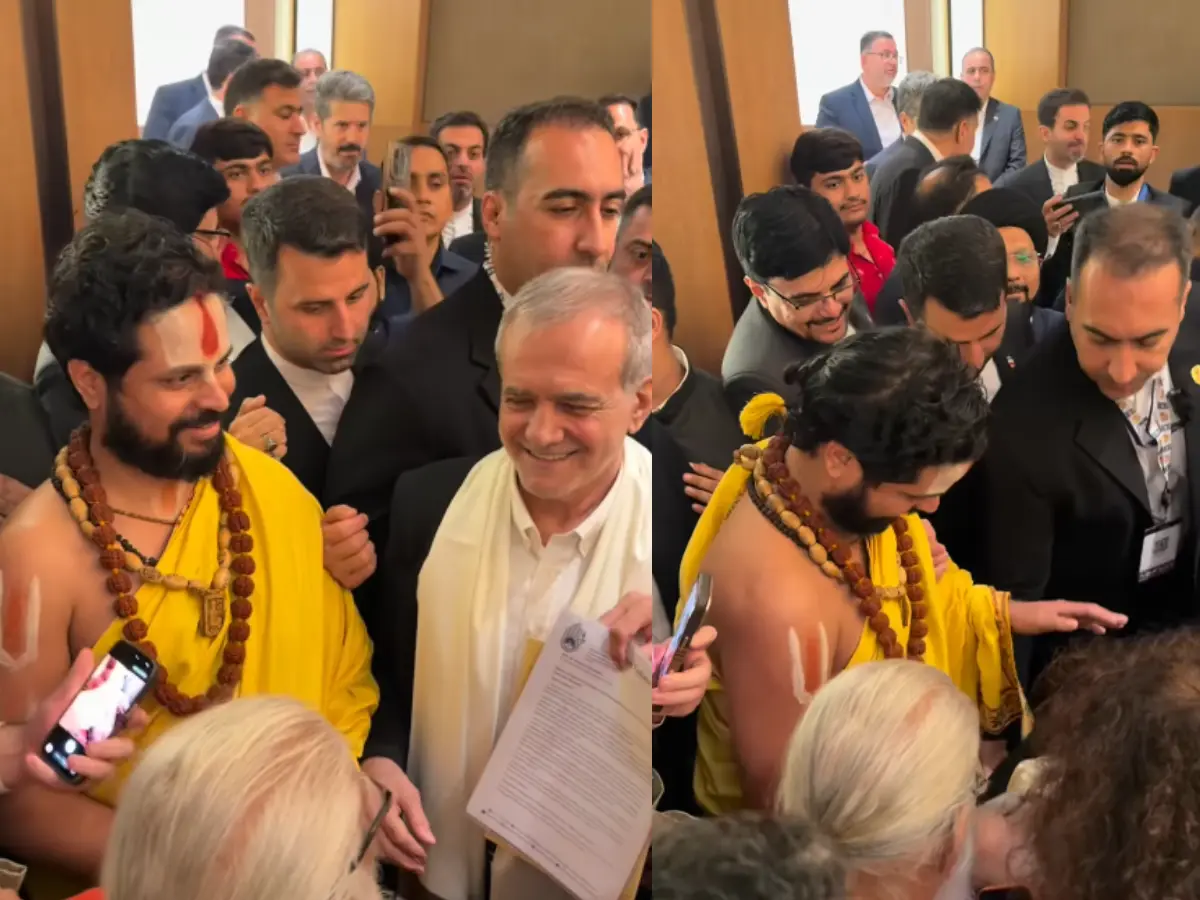)
Did Iran President Pezeshkian touch feet of Hindu spiritual leader at Delhi event as shown in viral video?
&im=FitAndFill=(700,400))
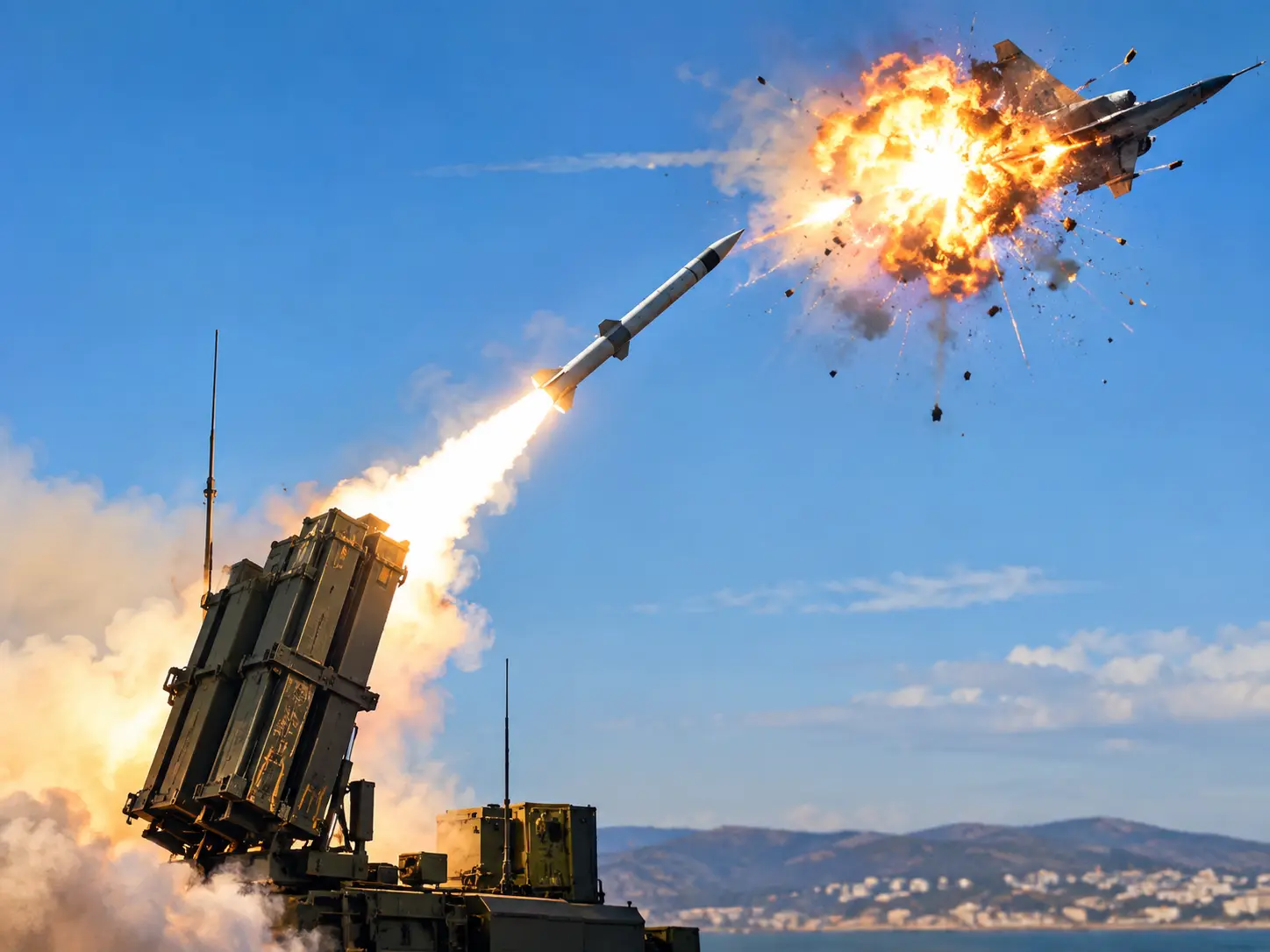
Why do air defence missiles explode near their target instead of hitting it?
)
BRICS Summit 2026: PM Modi to hold bilateral with leaders of seven countries
)
Could staying indoors all day affect your health?
)
BRICS Summit 2026: Consensus on joint declaration, diplomatic win for India
)
Bigg Boss 20: Qazi Touqeer gets a special ‘rockstar’ moment from Salman Khan
)
800 million years old - Scientists discover 'fingerprints' of supercontinent Gondwana in ancient rocks
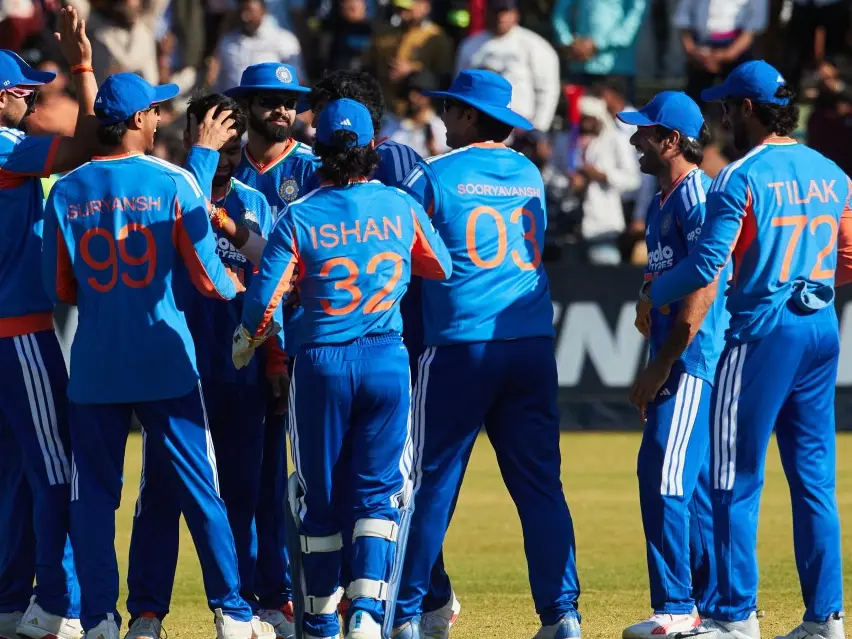)
IND vs AFG, 1st T20I: When and where to watch live streaming in India?
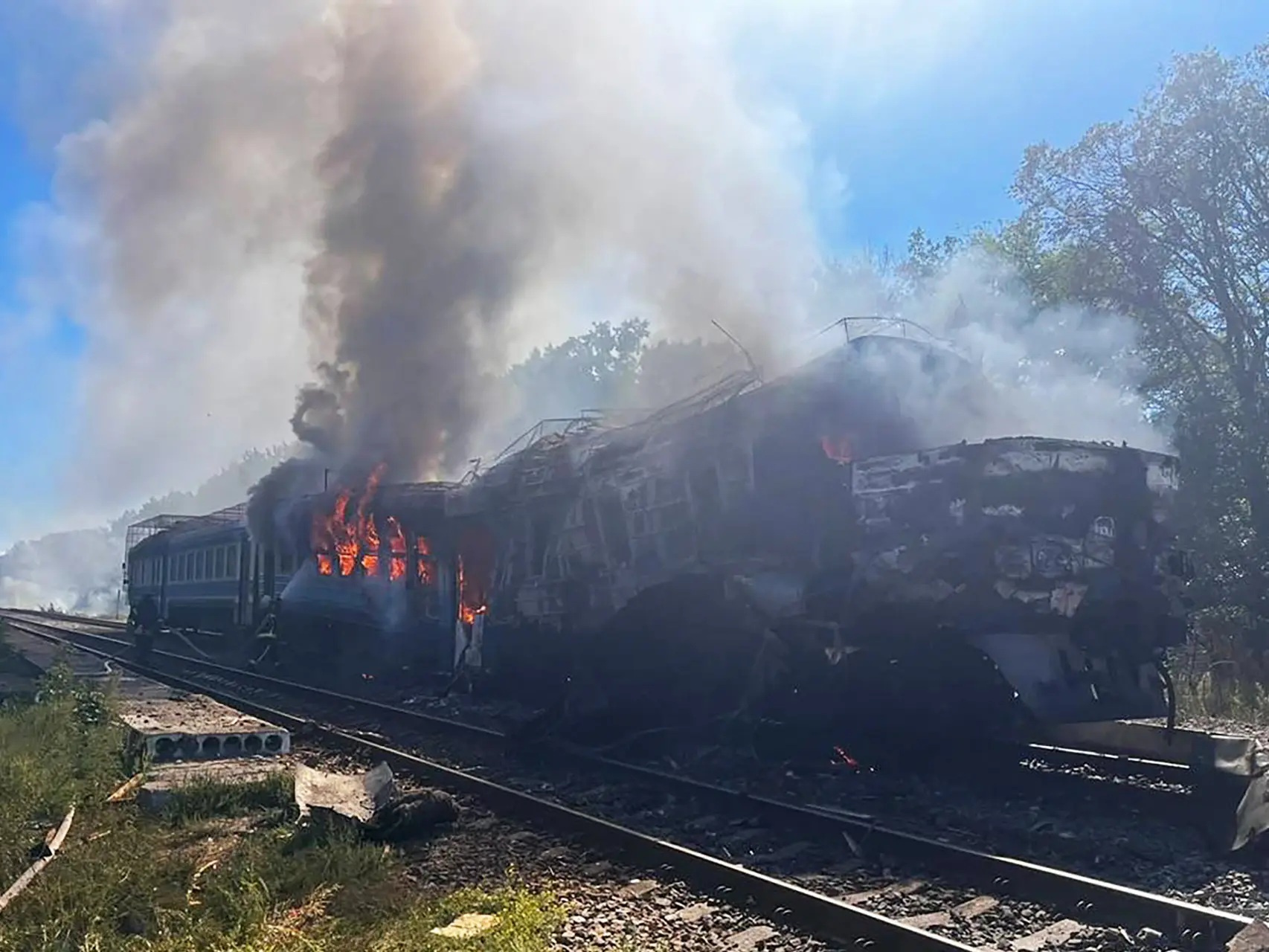)
Russian drone hits Warsaw-bound train near Polish border, Zelensky accuses Moscow of ‘deliberate’ targeting
&im=FitAndFill=(700,400))
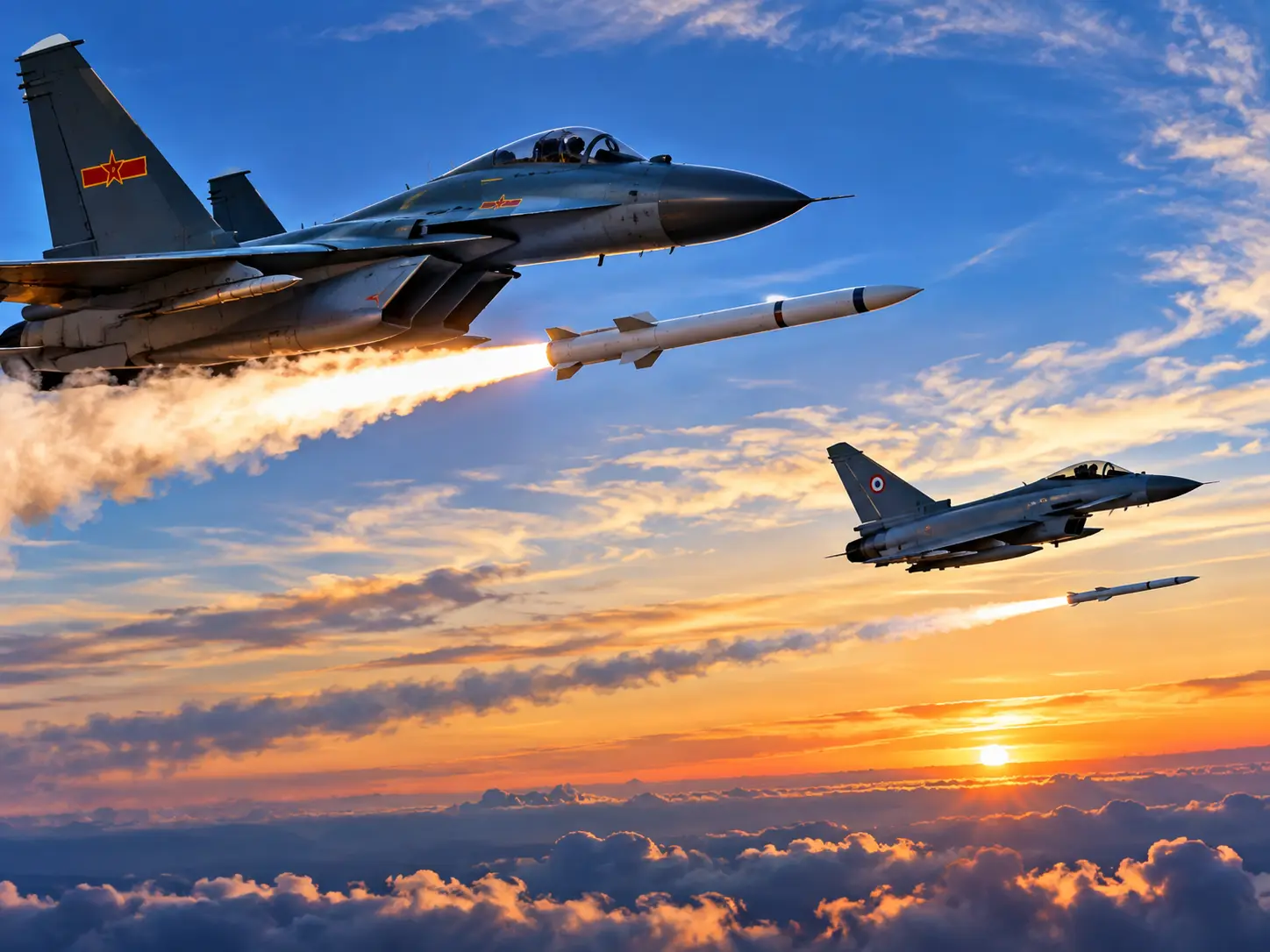
Why Chinese PL-15 air-to-air missiles use dual-pulse motors compared to European interceptors
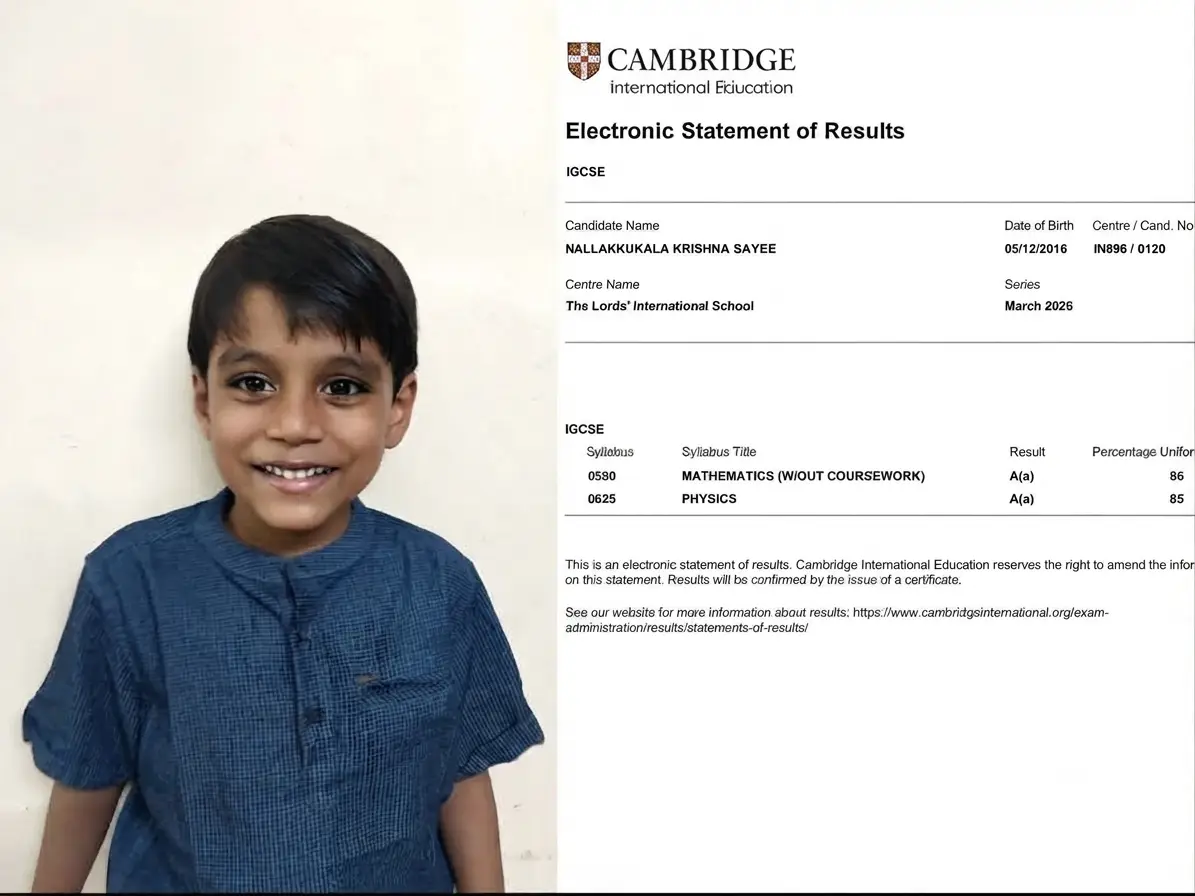)
9-year-old Chennai prodigy clears Cambridge IGCSE grade 10 exams
&im=FitAndFill=(700,400))
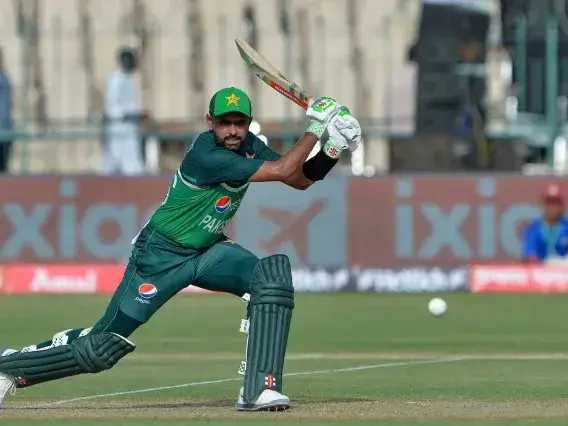
Meet top 5 batters fastest to 3000 runs in T20Is
)
Celine Dion makes emotional stage comeback after six years: 'I'm so delighted to see you'
)
Why going digital does not always mean becoming more efficient
)
Why does your body need time to adjust after a long journey?
)
Why dehydration is the hidden cause of travel fatigue on long flights
)
BRICS Summit 2026: PM Modi, Xi reach key consensus on ties, China to assume BRICS chairmanship in 2027
)
Humans may lose control of AI: Anthropic CEO calls for slowdown, Altman, Musk back him
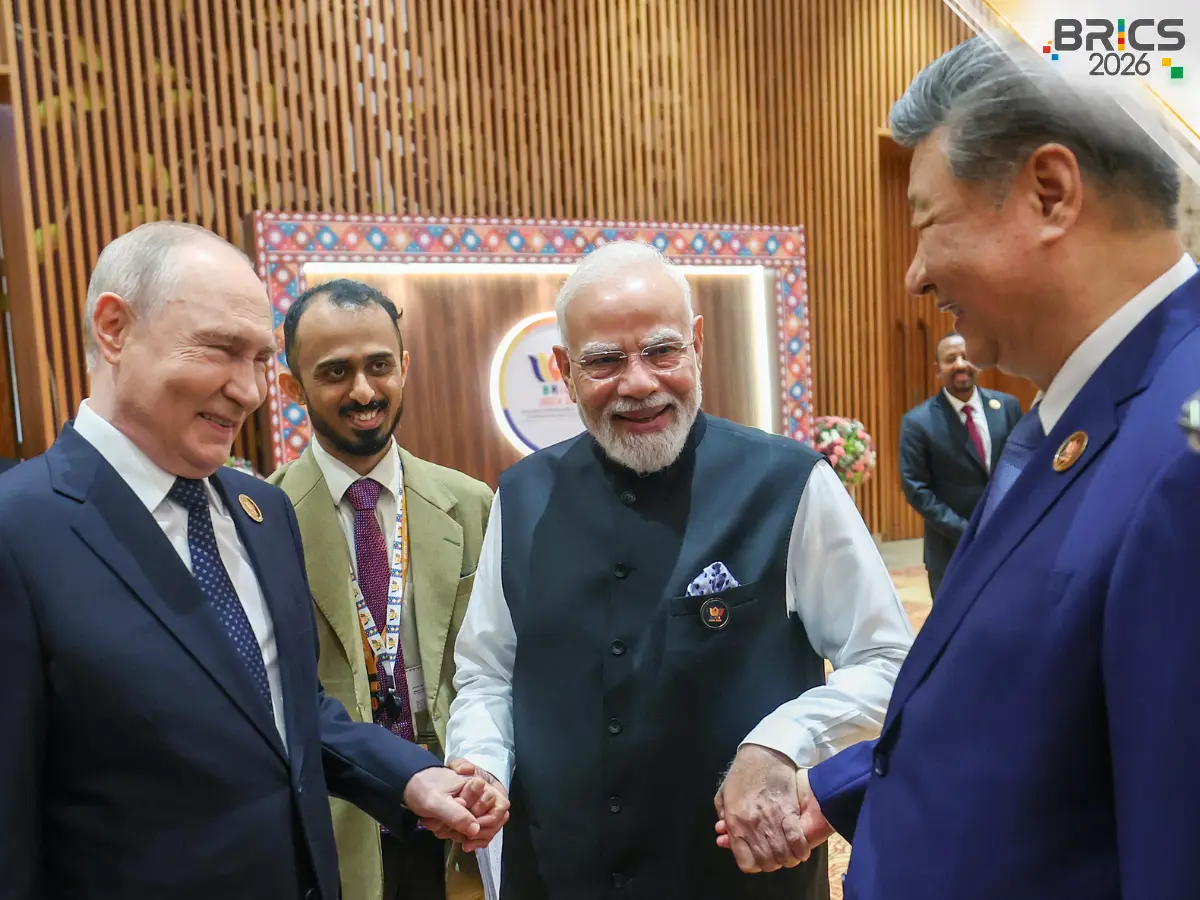)
PM Modi and China's Xi offered to help resolve Russia-Ukraine war: Kremlin
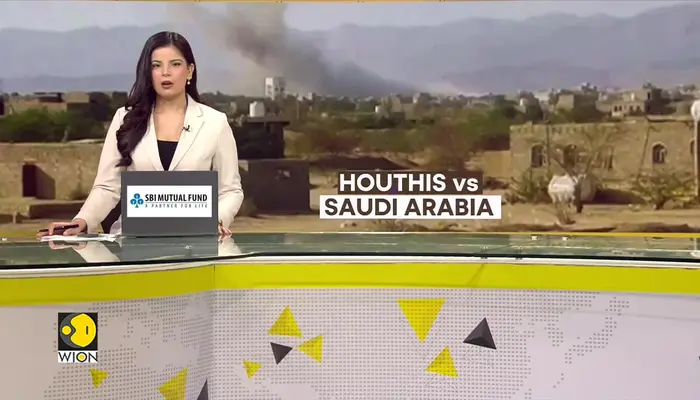)
Houthis launch cross-border strike on Saudi Arabia as Yemen war escalates
)
War is making Russia stronger? How Ukraine is shaping Moscow’s next generation of weapons
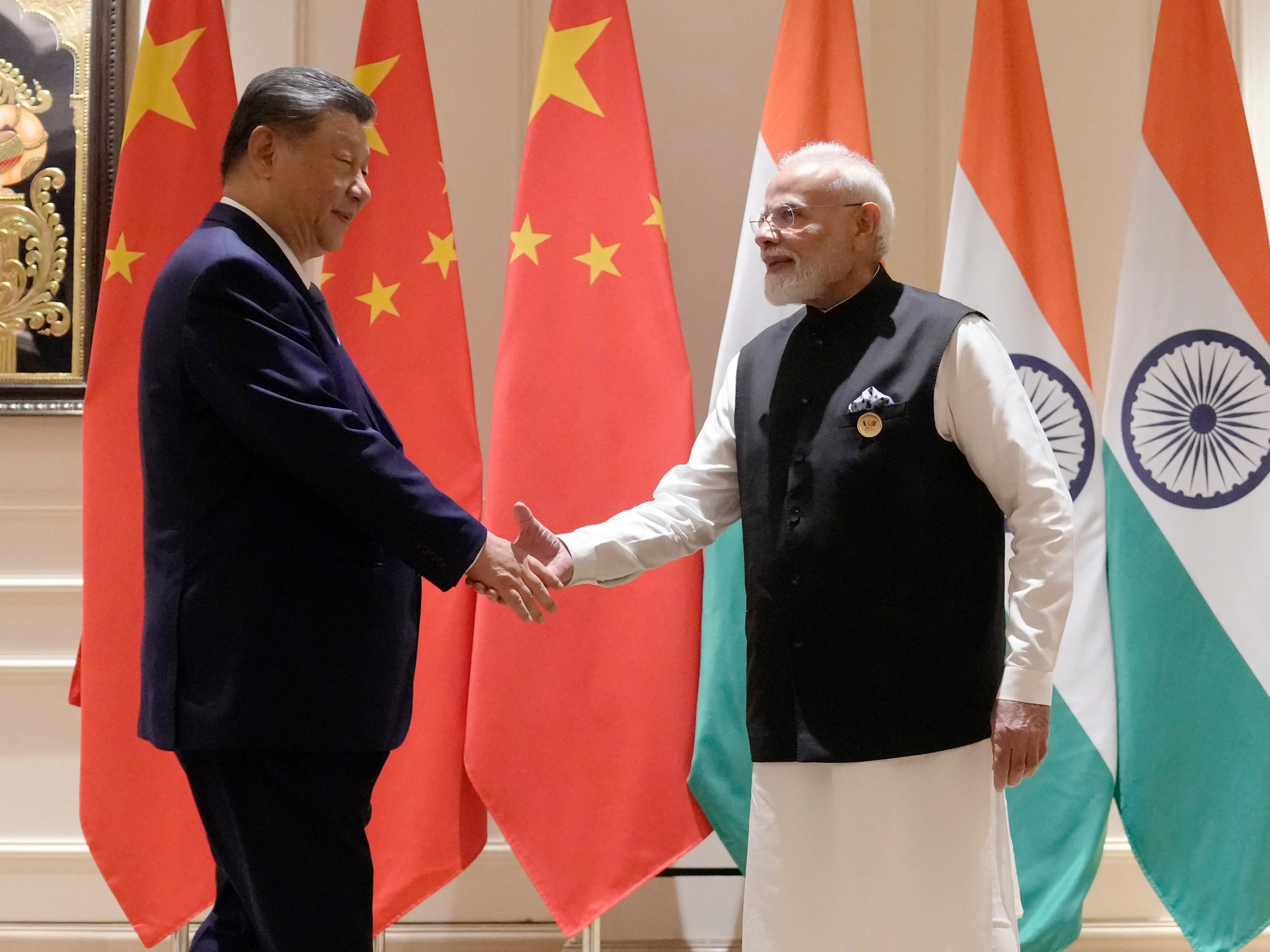)
‘Partners, not rivals’: Xi outlines four point plan for stronger India-China ties
)
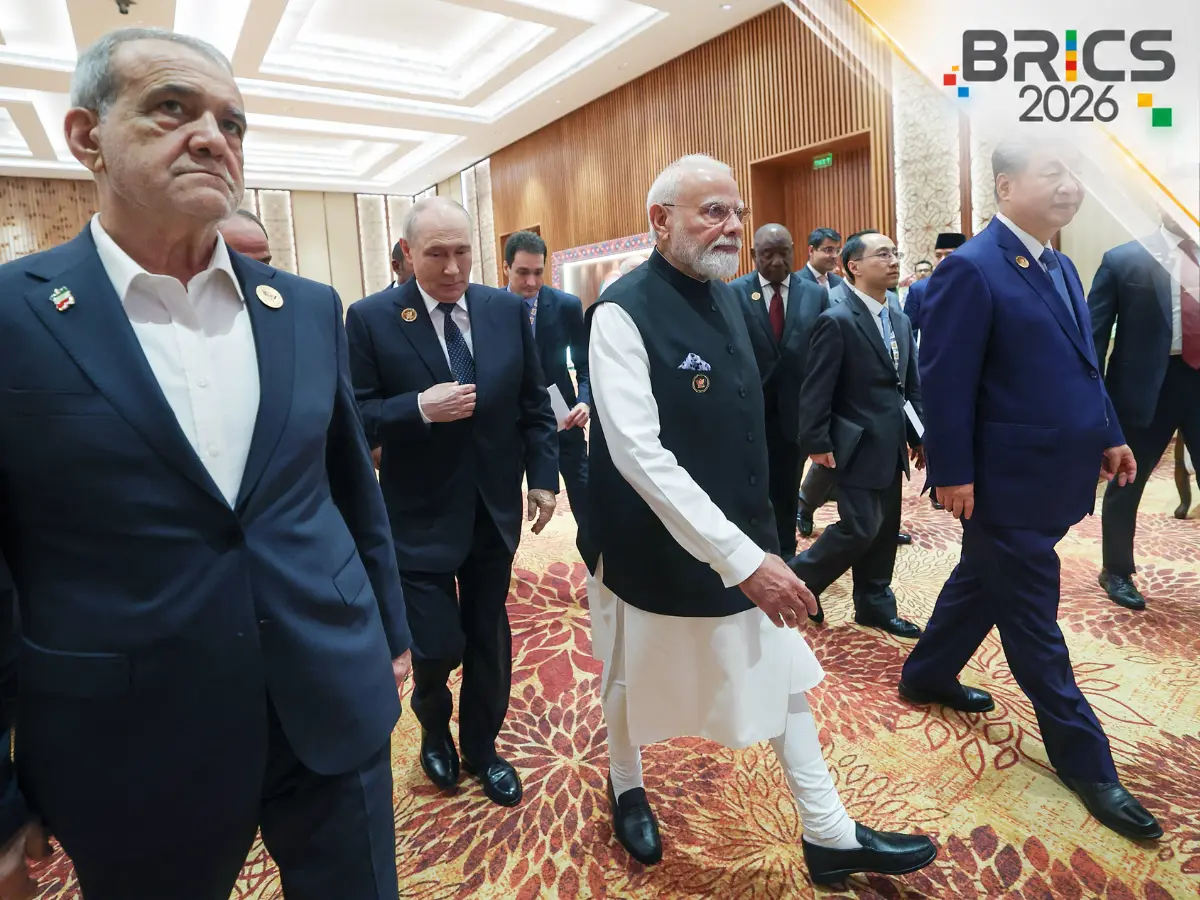
BRICS Summit day 1: New Delhi declaration adopted with full consensus, big diplomatic win for India
)
'Iran won't surrender': Pezeshkian sends blunt message to US while attending BRICS Summit in India
)
Migration protests return to Portsmouth as rival demonstrations face off
)
BRICS Summit 2026: PM Modi addresses Day 2 of 18th BRICS summit
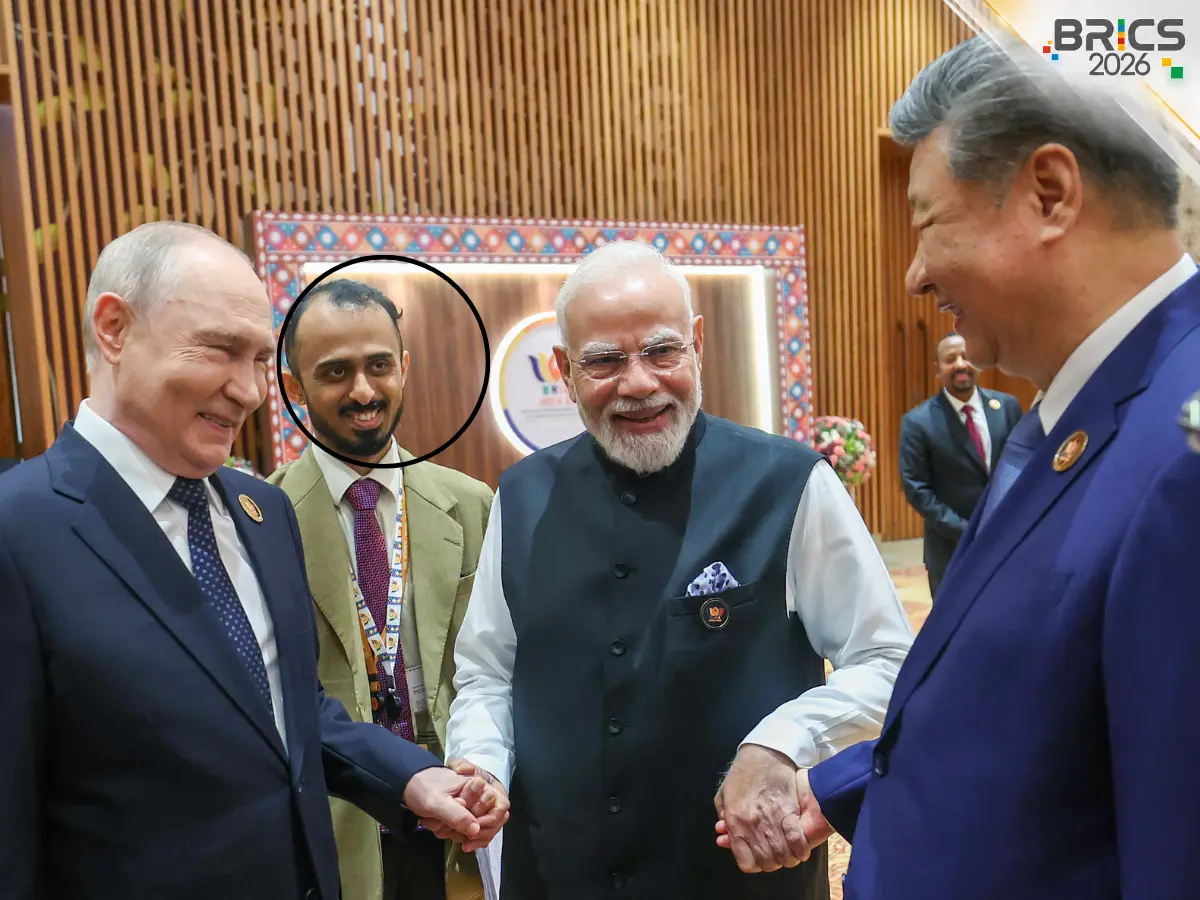)
Who is the smiling man beside Modi, Putin and Xi at BRICS Summit 2026?
)
Why asking questions could be more important than memorising answers
)
BRICS Summit 2026: Chinese president Xi Jinping departs from New Delhi after attending BRICS summit
)
BRICS Summit 2026: Global leaders of BRICS nations attend main open session
)
How does the loss of forests affect the way wildlife lives and moves?
)
Top 5 places to visit in Goa beyond its famous beaches
)
Why do wild animals need quiet places to survive?
)
From severe mobility problems to recovery: Madhuri the elephant’s journey of wildlife care
)
Ramanathaswamy temple takes centre stage as PM Modi welcomes world leaders at BRICS
)
Osama Bin Laden ‘planned’ to target India, CIA reveals dozens of declassified documents
)
Why does your skin need protection from UV rays?
)
Trump says Canada eager to reach a deal, it could come ‘fairly soon’ if Ottawa treats US farmers better
)
'He is popular...': Malaysian PM Anwar Ibrahim's praise for PM Modi during bilateral meeting | WATCH
India has put the treaty on abeyance as one of the counter-measures against Pakistan in the wake of the dastardly Pahalgam terror attack in Jammu and Kashmir, which claimed 26 lives, mostly tourists. Stating its position after the Move in New Delhi in a clear message to Islamabad, "Terror and talks cannot go together; water and blood cannot flow together."
The Indus Waters Treaty, brokered by the World Bank and signed in September 1960, divided control of the rivers between India and Pakistan, giving India the eastern rivers Ravi, Beas and Sutlej, and Pakistan the western rivers Indus, Jhelum and Chenab.
Although the treaty has endured wars and tense relations, it is often criticised in India, where many believe it grants an unfair share of water rights.