Japan set to restart world’s largest nuclear power plant, 15 years after Fukushima disaster

&imwidth=600&imheight=450&format=webp&quality=medium "Japan set to restart world’s largest nuclear power plant, 15 years after Fukushima disaster")
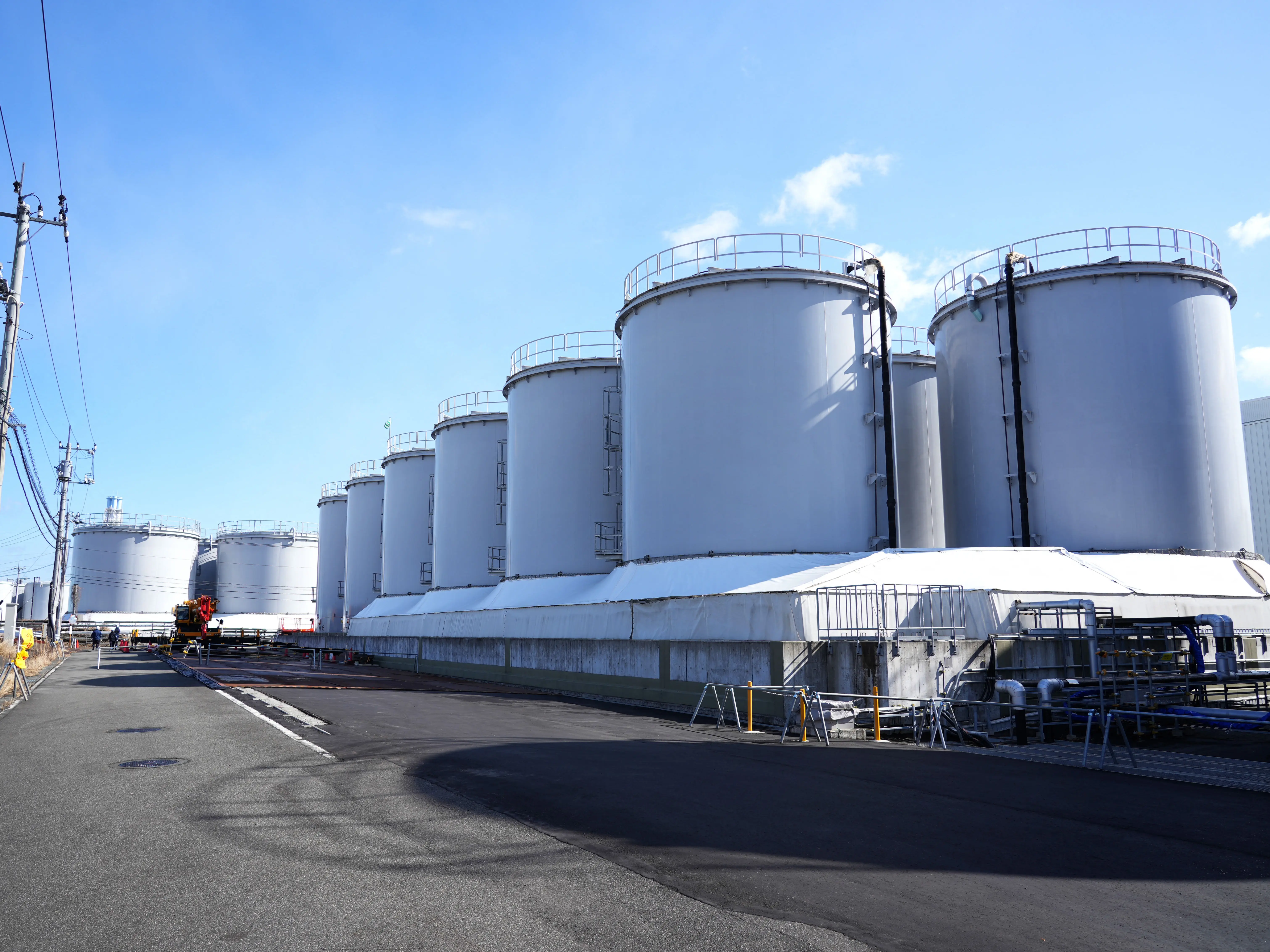
View of water tanks set to be dismantled is seen at Tokyo Electric Power Company (TEPCO) Fukushima Daiichi Nuclear Power Plant in Okuma Photograph: (AFP (File Photo)
Japan’s decision comes as it seeks to move away from costly and more polluting imported fossil fuels towards clean and economical nuclear energy amid rising energy demand.
Japanese authorities gave final approval on Monday (Dec 22) to restart the world's largest nuclear power plant, which had been out of operation for nearly 15 years after the Fukushima nuclear disaster, which led the country to shut down all of its 54 nuclear power stations. With the move, Japan intends to shift its energy dependence away from more costly and polluting fossil fuels.
The nod to resume operations at the Kashiwazaki-Kariwa plant, situated about 220km northwest of Tokyo, came after a series of inspections and Niigata prefectural assembly's vote, as the Japanese remain cautious after the 2011 earthquake and tsunami destroyed the Fukushima Daiichi plant in the worst nuclear disaster since Chernobyl.
Since 2011, Japan has restarted 14 of the 33 nuclear reactors that remain operable. The Niigata plant will be the first plant to be operated by Tokyo Electric Power Co (TEPCO), the company which ran the crippled Fukushima plant.
Before the Fukushima meltdown, the nuclear reactors powered around 30 per cent of Japan's electricity needs. Since then, Tokyo has increased its dependence on costly imported fossil fuels, including coal and gas, to fulfil its energy requirements.
Imported fossil fuels contribute approximately 60-70 per cent to Japan's power generation and have put a strain on the country's budget, costing $68 billion in the previous year alone.
Trending Stories
)
)
)
)
&im=FitAndFill=(700,400))
)
)
)
)
)
&im=FitAndFill=(700,400))
)
)
)
)
)
)
)
)
)
)
)
)
)
)
&im=FitAndFill=(700,400))
)
)
)
)
)
)
)
)
)
)
Japan's move away from fossils also aligns with its increasing energy demand to power data centres, vital to AI infrastructure and its goal to reach net zero emissions in 2050, as Japan ranks the World's fifth largest emitter of carbon dioxide after China, the United States, India and Russia.
Fukushima disaster
The Fukushima nuclear disaster occurred in March 2011 after a magnitude 9.0–9.1 earthquake, the strongest ever recorded in Japan, triggered a devastating tsunami that struck the Fukushima Daiichi nuclear power plant.
Flooding disabled backup generators and cooling systems, leading to reactor meltdowns, hydrogen explosions, and radioactive releases. The crisis forced mass evacuations, contaminated land and water, and reshaped Japan’s nuclear energy policy.