Japan’s Sanae Takaichi reappointed as Prime Minister after massive election win

&imwidth=600&imheight=450&format=webp&quality=medium "Japan’s Sanae Takaichi reappointed as Prime Minister after massive election win")
Sanae Takaichi Photograph: (AFP)
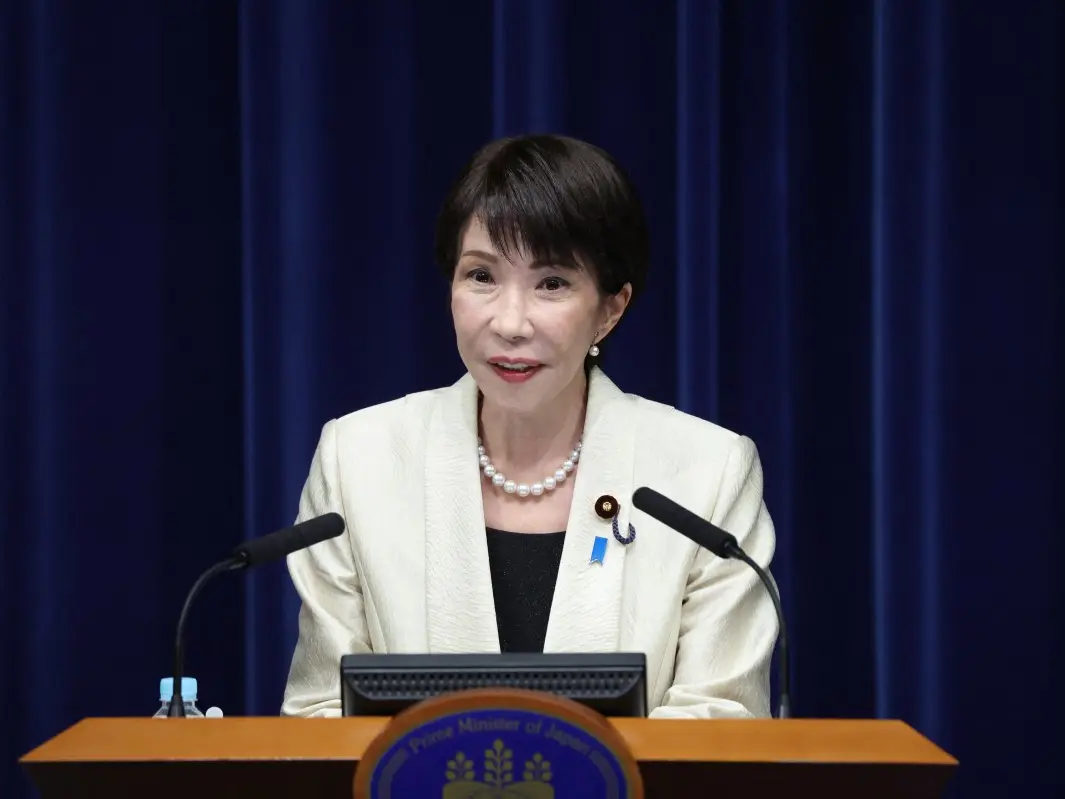
Japan reappoints Prime Minister Sanae Takaichi after a landslide win, as she pushes defense reforms, tax relief, and fiscal discipline
Japan’s lower house on Wednesday (February 18) officially reappointed Sanae Takaichi as Prime Minister, just 10 days after her party clinched a commanding victory in snap elections. The 64-year-old leader, who became Japan’s first woman Prime Minister in October, secured a two-thirds majority for her Liberal Democratic Party (LDP) in the February 8 vote. The decisive outcome strengthens her mandate as she advances a platform centered on national security and economic revitalisation.
Takaichi has pledged to expand Japan’s defense capabilities to safeguard its territory and surrounding waters, a stance that could further inflame tensions with Beijing. She previously indicated that Tokyo might consider military involvement if China attempted to seize Taiwan by force, prompting sharp criticism from Chinese officials. At the Munich Security Conference, China’s Foreign Minister Wang Yi accused elements within Japan of attempting to “revive militarism.” In a major policy address expected Friday, Takaichi is anticipated to outline revisions to Japan’s “Free and Open Indo-Pacific” (FOIP) strategy.
Also Read: AI Impact Summit 2026: Google CEO Sundar Pichai announces new India-US subsea cable project
Government officials say the regional security landscape has grown increasingly challenging since the framework was first introduced. Planned measures are expected to include reinforcing supply chains and deepening free trade ties through the Comprehensive and Progressive Agreement for Trans-Pacific Partnership (CPTPP), which Britain joined in 2024. Her administration is also preparing legislation to establish a National Intelligence Agency and initiate formal debate over an anti-espionage law.
Domestically, Takaichi faces mounting economic pressures. Despite persistent labor shortages and a declining population, she has promised stricter immigration policies. To ease the burden of rising prices, she intends to temporarily remove the consumption tax on food for two years. The proposal, however, has heightened investor concerns about Japan’s already substantial public debt. Long-term government bond yields reached record highs last month, and the International Monetary Fund has warned that debt-servicing costs could double between 2025 and 2031. Critics argue that suspending the food tax would reduce a stable source of government revenue.
Trending Stories
&imwidth=280&imheight=210&format=webp&quality=medium)
&imwidth=280&imheight=210&format=webp&quality=medium)
&imwidth=280&imheight=210&format=webp&quality=medium)
&imwidth=280&imheight=210&format=webp&quality=medium)
&im=FitAndFill=(700,400)&imwidth=280&imheight=210&format=webp&quality=medium)
&imwidth=280&imheight=210&format=webp&quality=medium)
&imwidth=280&imheight=210&format=webp&quality=medium)
&imwidth=280&imheight=210&format=webp&quality=medium)
&imwidth=280&imheight=210&format=webp&quality=medium)
&imwidth=280&imheight=210&format=webp&quality=medium)
&imwidth=280&imheight=210&format=webp&quality=medium)
&imwidth=280&imheight=210&format=webp&quality=medium)
&imwidth=280&imheight=210&format=webp&quality=medium)
&imwidth=280&imheight=210&format=webp&quality=medium)
&imwidth=280&imheight=210&format=webp&quality=medium)
&imwidth=280&imheight=210&format=webp&quality=medium)
&imwidth=280&imheight=210&format=webp&quality=medium)
&imwidth=280&imheight=210&format=webp&quality=medium)
&imwidth=280&imheight=210&format=webp&quality=medium)
&imwidth=280&imheight=210&format=webp&quality=medium)
&imwidth=280&imheight=210&format=webp&quality=medium)
&imwidth=280&imheight=210&format=webp&quality=medium)
&imwidth=280&imheight=210&format=webp&quality=medium)
&imwidth=280&imheight=210&format=webp&quality=medium)
&imwidth=280&imheight=210&format=webp&quality=medium)
&imwidth=280&imheight=210&format=webp&quality=medium)
&imwidth=280&imheight=210&format=webp&quality=medium)
&imwidth=280&imheight=210&format=webp&quality=medium)
&imwidth=280&imheight=210&format=webp&quality=medium)
&imwidth=280&imheight=210&format=webp&quality=medium)
&imwidth=280&imheight=210&format=webp&quality=medium)
&imwidth=280&imheight=210&format=webp&quality=medium)
&imwidth=280&imheight=210&format=webp&quality=medium)
&imwidth=280&imheight=210&format=webp&quality=medium)
&im=FitAndFill=(700,400)&imwidth=280&imheight=210&format=webp&quality=medium)
&imwidth=280&imheight=210&format=webp&quality=medium)
&imwidth=280&imheight=210&format=webp&quality=medium)
&imwidth=280&imheight=210&format=webp&quality=medium)
&imwidth=280&imheight=210&format=webp&quality=medium)
&im=FitAndFill=(700,400)&imwidth=280&imheight=210&format=webp&quality=medium)
In response, Takaichi is expected to reiterate her commitment to disciplined fiscal management and set goals to curb the debt burden. She also plans to establish a bipartisan national council to examine tax reform and identify sustainable funding solutions for Japan’s expanding social security costs tied to its aging population. Her immediate priority will be securing parliamentary approval for the national budget for the fiscal year beginning April 1, a process delayed by the election campaign.
The ruling coalition is additionally seeking legislation that would criminalise the destruction of the national flag. Lawmakers also aim to accelerate debate on constitutional revisions and reforms to imperial succession rules amid concerns over the shrinking pool of eligible heirs. Takaichi and many within the LDP oppose allowing a woman to ascend the Chrysanthemum Throne, though proposals to adopt additional male members into the imperial family remain under discussion.

