Iran’s state media slam Foreign Minister Araghchi’s Hormuz tweet, say it let Trump claim victory

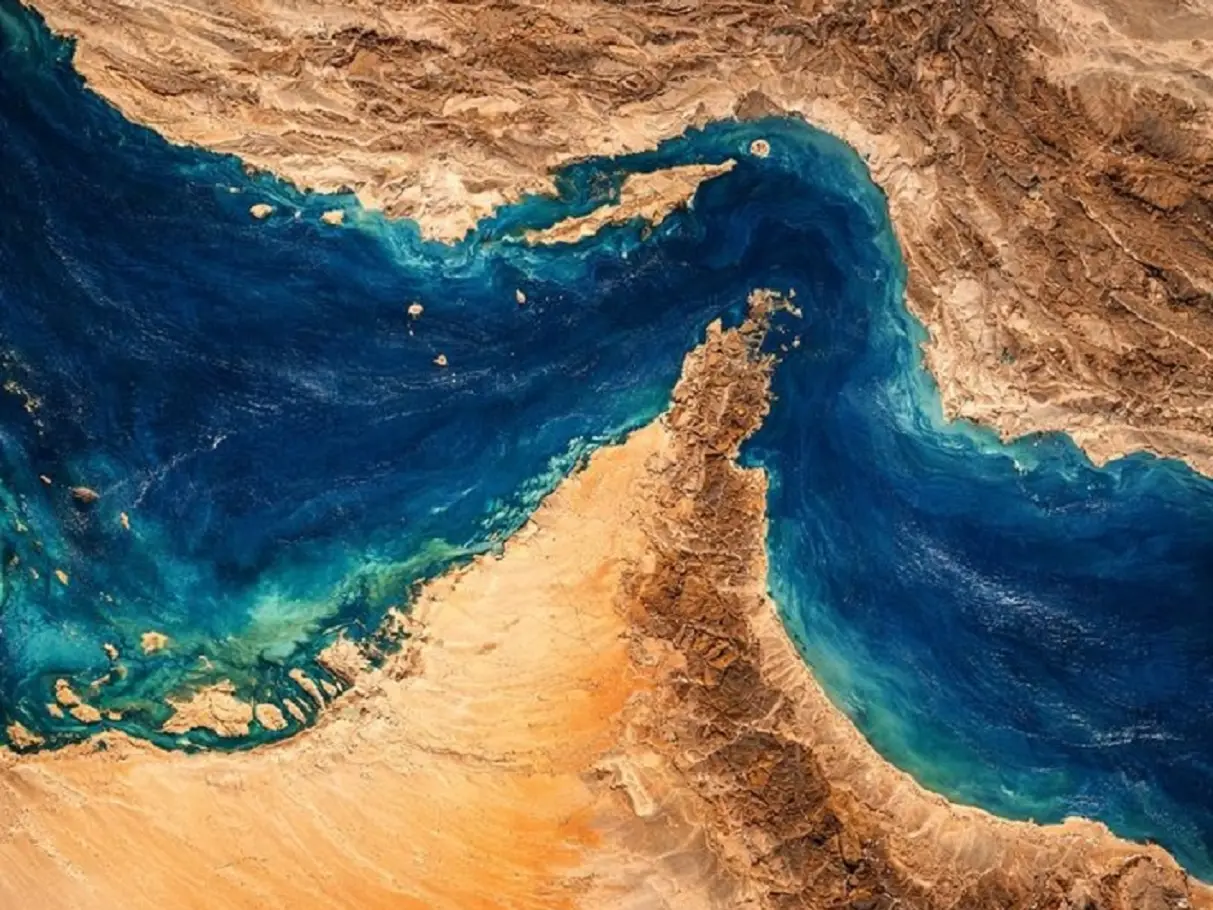&imwidth=600&imheight=450&format=webp&quality=medium "Iran’s state media slam Foreign Minister Araghchi’s Hormuz tweet, say it let Trump claim victory")
Iran’s foreign ministry clarified that the country’s stockpile of enriched uranium will not be transferred anywhere Photograph: (X)
Tasnim News Agency described Abbas Araghchi’s post as a bad and incomplete tweet that created misleading ambiguity about the reopening of the strait. The IRGC outlet said the announcement lacked sufficient explanations about the conditions, mechanisms, and restrictions on vessel transit.
Iran’s state media launched a scathing attack on Foreign Minister Abbas Araghchi and the negotiating team in sharply worded criticism on Friday over the announcement of the reopening of the Strait of Hormuz on X, saying the move created confusion and gave US President Donald Trump an opportunity to claim victory.
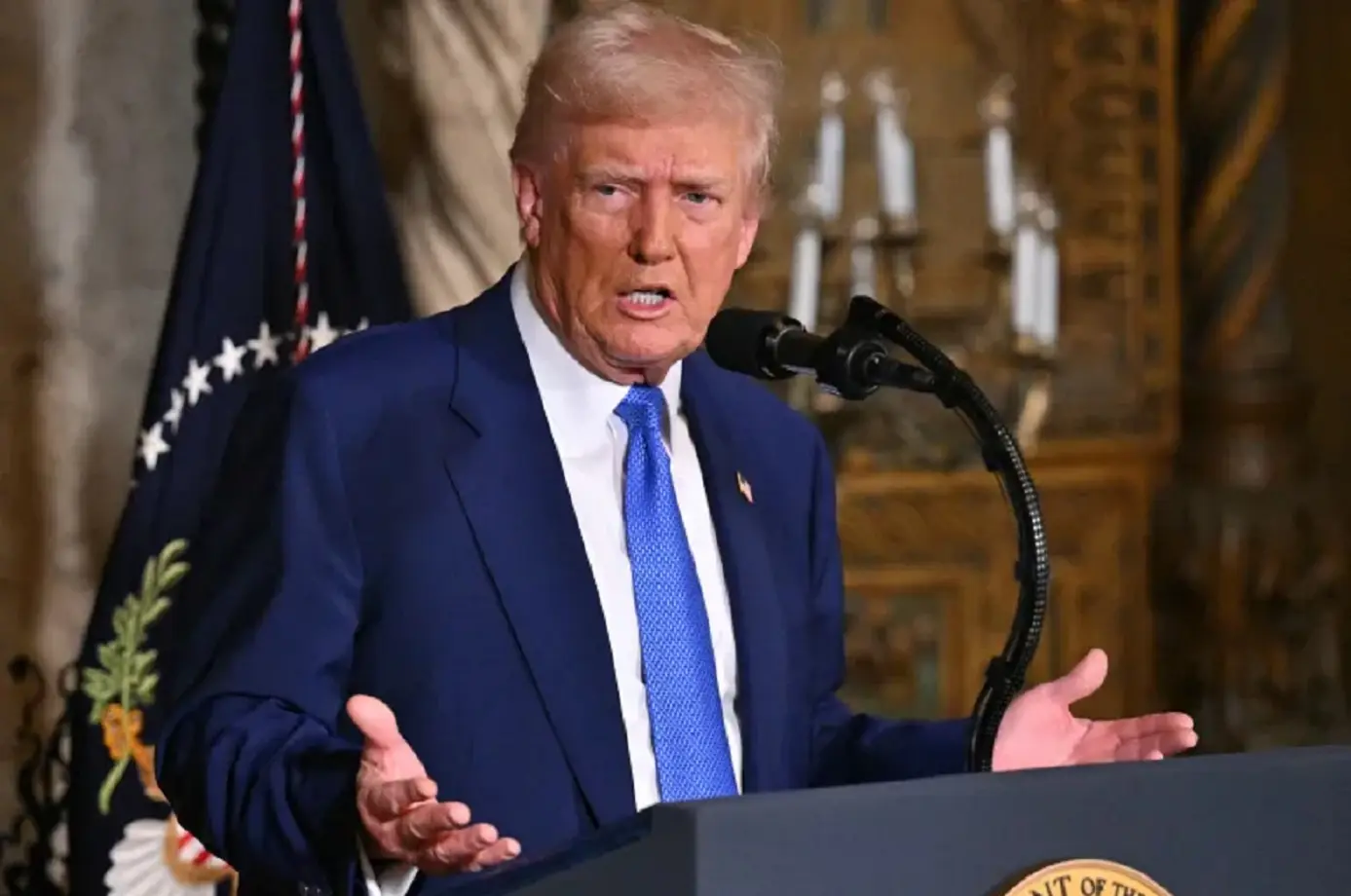
After Araghchi’s tweet, Trump said, “Iran has just announced that the Strait of Iran [sic] is fully open and ready for full passage.”
Araghchi’s post was widely criticised by Iranian hardliners and their outlets, including the state-run Mehr News which said Araghchi’s tweet “provided the best opportunity for Trump to go beyond reality, declare himself the winner of the war, and celebrate victory.”
‘Entire team should collectively explain…’
“It is clear that ceasefire-related negotiations are not being handled solely by the Foreign Ministry. Therefore, it is natural that under these circumstances the entire team should collectively explain the decisions that have been made,” Mehr News said.
Tasnim News Agency described the post as a “bad and incomplete tweet that created misleading ambiguity about the reopening of the Strait of Hormuz.”
‘Announcement lacked necessary and sufficient explanations’
The IRGC outlet said the announcement lacked “necessary and sufficient explanations” about the conditions, mechanisms, and restrictions on vessel transit.
Fellow IRGC outlet Fars News Agency earlier quoted an informed source close to the Supreme National Security Council as saying that the Strait’s reopening was subject to three conditions.
“Ships must be commercial. The passage of military vessels is prohibited, and neither the ships nor their cargo may be linked to hostile countries. Vessels must pass through routes designated by Iran, and transit must be coordinated with Iranian forces responsible for managing passage.”
“In line with the ceasefire in Lebanon, the passage for all commercial vessels through Strait of Hormuz is declared completely open for the remaining period of ceasefire, on the coordinated route as already announced by Ports and Maritime Organisation of the Islamic Rep. of Iran,” Araghchi had said in his post on X.
Trending Stories
&imwidth=280&imheight=210&format=webp&quality=medium)
&imwidth=280&imheight=210&format=webp&quality=medium)
&imwidth=280&imheight=210&format=webp&quality=medium)
&imwidth=280&imheight=210&format=webp&quality=medium)
&imwidth=280&imheight=210&format=webp&quality=medium)
&imwidth=280&imheight=210&format=webp&quality=medium)
&imwidth=280&imheight=210&format=webp&quality=medium)
&imwidth=280&imheight=210&format=webp&quality=medium)
&imwidth=280&imheight=210&format=webp&quality=medium)
&imwidth=280&imheight=210&format=webp&quality=medium)
&imwidth=280&imheight=210&format=webp&quality=medium)
&imwidth=280&imheight=210&format=webp&quality=medium)
&imwidth=280&imheight=210&format=webp&quality=medium)
&imwidth=280&imheight=210&format=webp&quality=medium)
&imwidth=280&imheight=210&format=webp&quality=medium)
&imwidth=280&imheight=210&format=webp&quality=medium)
&imwidth=280&imheight=210&format=webp&quality=medium)
&imwidth=280&imheight=210&format=webp&quality=medium)
&im=FitAndFill=(700,400)&imwidth=280&imheight=210&format=webp&quality=medium)
&imwidth=280&imheight=210&format=webp&quality=medium)
&imwidth=280&imheight=210&format=webp&quality=medium)
&imwidth=280&imheight=210&format=webp&quality=medium)
&imwidth=280&imheight=210&format=webp&quality=medium)
&imwidth=280&imheight=210&format=webp&quality=medium)
&imwidth=280&imheight=210&format=webp&quality=medium)
&imwidth=280&imheight=210&format=webp&quality=medium)
&imwidth=280&imheight=210&format=webp&quality=medium)
&im=FitAndFill=(700,400)&imwidth=280&imheight=210&format=webp&quality=medium)
&imwidth=280&imheight=210&format=webp&quality=medium)
&imwidth=280&imheight=210&format=webp&quality=medium)
&imwidth=280&imheight=210&format=webp&quality=medium)
&imwidth=280&imheight=210&format=webp&quality=medium)
&imwidth=280&imheight=210&format=webp&quality=medium)
&imwidth=280&imheight=210&format=webp&quality=medium)
‘Complete poor judgment in communication’
Tasnim said Araghchi’s post on X lacked “any verbal explanation or at least sufficient written clarification” which it said amounted to “complete poor judgment in communication.”
The outlet urged either the Foreign Ministry to revise its approach or the Supreme National Security Council to step in and impose a more coherent messaging framework.
The criticism was echoed by Fars News Agency, which addressed authorities directly and questioned their silence. Fars also cautioned that without clear messaging, “the narrative of the enemy and hostile media” could fill the gap, adding that “this ‘lack of explanation’ itself needs explanation.”
Tasnim criticised the statement as being misleading after US President Donald Trump insisted that the American blockade on Iranian ships and ports “will remain in full force” until Iran reaches a deal on the country’s nuclear programme.
‘Lapse in communication etiquette’
“The publication of this tweet, without any verbal explanation or at least adequate written clarification, is considered a complete lapse in communication etiquette,” said Tasnim in a statement.
Trump also said that Tehran has agreed to suspend its nuclear programme “indefintely.”
Meanwhile, Iran’s foreign ministry issued a clarification saying the country’s stockpile of enriched uranium will not be transferred “anywhere”, denying Trump’s claim that the Islamic Republic had agreed to hand it over.
“Iran’s enriched uranium is not going to be transferred anywhere,” Iranian foreign ministry spokesman Esmaeil Baqaei told state TV.