Iran's $20,000 drone struck $1.1 billion US radar that helps Gulf nations intercept missiles? Why it matters

&imwidth=600&imheight=450&format=webp&quality=medium "Iran's $20,000 drone struck $1.1 billion US radar that helps Gulf nations intercept missiles? Why it matters")
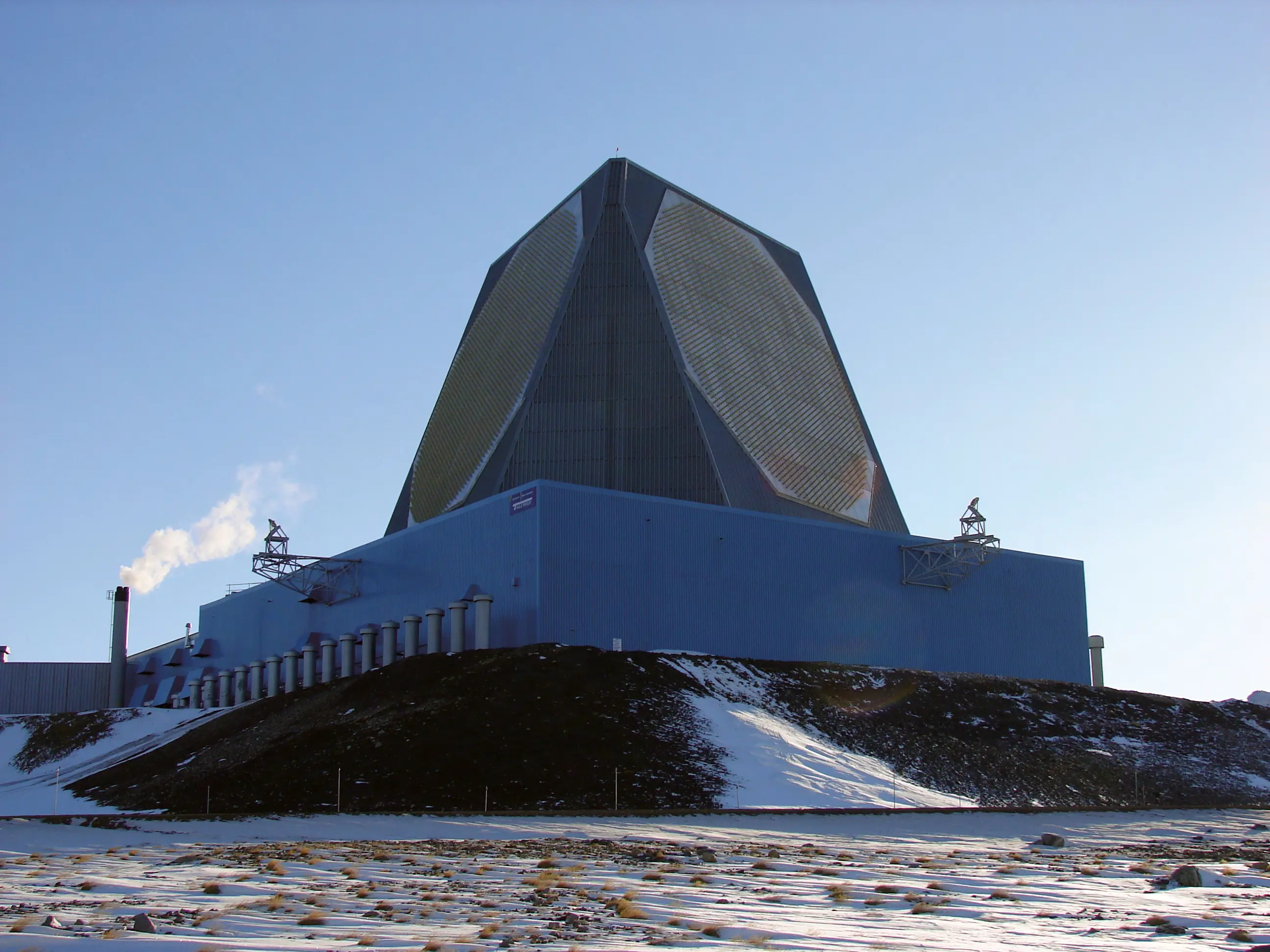
This AN FPS-132 Upgraded Early Warning radar (UEWR) is similar to the one damaged in Iranian strike in Qatar Photograph: (Others)
An Iranian strike damaged the $1.1 billion US radar at Al Udeid Air Base in Qatar. This is highlighting the cost asymmetry of the conflict, where cheap drones or missiles can threaten expensive missile defence systems.
Iran is probably winning the cost asymmetry of the current conflict with Israel and the US. One example is the claims that a suicide drone from Iran reportedly destroyed a billion-dollar radar in Qatar, operated by the US to help friendly Gulf states in intercepting incoming projectiles. Here is why it matters.
When a $20,000 Shahed drone attacked a billion-dollar radar
Now, let us take the reports with a pinch of salt. Some say a Shahed-series kamikaze drone from Iran, which costs as little as $20,000 per unit, struck the AN/FPS-132 Block 5 Upgraded Early Warning Radar (UEWR) at Al Udeid Air Base in Qatar. Other reports say it was a costlier Iranian missile that hit the radar. There are also reports that it was a combined drone-missile attack.
One thing is more or less certain: The UEWR did suffer severe damage.
Operated by the US Space Force, this radar is a critical component for ballistic missile early warning and tracking across the Middle East. It feeds data into integrated US and allied interception systems such as THAAD and Patriot batteries, which are used by some Gulf nations to intercept incoming projectiles from Iran.
Trending Stories
&imwidth=280&imheight=210&format=webp&quality=medium)
&imwidth=280&imheight=210&format=webp&quality=medium)
&imwidth=280&imheight=210&format=webp&quality=medium)
&imwidth=280&imheight=210&format=webp&quality=medium)
&imwidth=280&imheight=210&format=webp&quality=medium)
&imwidth=280&imheight=210&format=webp&quality=medium)
&imwidth=280&imheight=210&format=webp&quality=medium)
&imwidth=280&imheight=210&format=webp&quality=medium)
&imwidth=280&imheight=210&format=webp&quality=medium)
&imwidth=280&imheight=210&format=webp&quality=medium)
&imwidth=280&imheight=210&format=webp&quality=medium)
&imwidth=280&imheight=210&format=webp&quality=medium)
&imwidth=280&imheight=210&format=webp&quality=medium)
&imwidth=280&imheight=210&format=webp&quality=medium)
&imwidth=280&imheight=210&format=webp&quality=medium)
&imwidth=280&imheight=210&format=webp&quality=medium)
&imwidth=280&imheight=210&format=webp&quality=medium)
&imwidth=280&imheight=210&format=webp&quality=medium)
&imwidth=280&imheight=210&format=webp&quality=medium)
&imwidth=280&imheight=210&format=webp&quality=medium)
&im=FitAndFill=(700,400)&imwidth=280&imheight=210&format=webp&quality=medium)
&imwidth=280&imheight=210&format=webp&quality=medium)
&imwidth=280&imheight=210&format=webp&quality=medium)
&imwidth=280&imheight=210&format=webp&quality=medium)
&im=FitAndFill=(700,400)&imwidth=280&imheight=210&format=webp&quality=medium)
&imwidth=280&imheight=210&format=webp&quality=medium)
&imwidth=280&imheight=210&format=webp&quality=medium)
&im=FitAndFill=(700,400)&imwidth=280&imheight=210&format=webp&quality=medium)
&imwidth=280&imheight=210&format=webp&quality=medium)
&imwidth=280&imheight=210&format=webp&quality=medium)
&imwidth=280&imheight=210&format=webp&quality=medium)
&imwidth=280&imheight=210&format=webp&quality=medium)
&imwidth=280&imheight=210&format=webp&quality=medium)
&imwidth=280&imheight=210&format=webp&quality=medium)
How badly hit was the US radar in Qatar?
Claims vary, as Iranian state media and the Islamic Revolutionary Guard Corps (IRGC) claimed the radar was “completely destroyed”. However, American and independent assessments described it as ‘significantly damaged’. One or more phased-array panels of the radar were reportedly lost, making it inoperable or severely degraded without immediate repairs. Satellite imagery appeared to show visible impact damage.
The operating cost of the Qatar radar was over $1 billion
According to multiple reports, the AN/FPS-132 UEWR system is worth around $1.1 billion, including development, deployment, training and operational costs.
This estimate is only for the radar component. Associated interception systems, such as THAAD missile batteries, can add $1–1.8 billion per unit when integrated with the radar.
How was the Qatar radar being used by Gulf states for collective defence against Iran?
The radar hosted by Qatar at Al Udeid Air Base provides early warning and tracking data for ballistic missiles over a range of up to 5,000 km, supporting US Central Command (CENTCOM) operations and allied defences in the Persian Gulf region.
The radar helps Qatar and several other Gulf countries by integrating with their air defence networks, which in turn rely on it for direct early warning against Iranian threats to airspace and infrastructure.
The United Arab Emirates (UAE) uses data from the radar for its THAAD and Patriot missile defence systems to intercept projectiles from Iran. In recent days, hundreds of Iranian missiles and drones targeting Dubai, Abu Dhabi, and oil facilities of UAE have reportedly been intercepted with the help of this radar.
The radar is critical for Saudi Arabia, helping it defend Riyadh, Jeddah, and eastern oil fields, integrating with US-supplied Patriot missiles to counter ballistic missiles.
In Bahrain, the radar supports US Naval Forces Central Command and aids in intercepting threats to Manama and naval assets in the Gulf.
To a lesser extent, the radar provides regional coverage for Kuwait and Oman, mainly for border defence and the security of oil export routes, primarily through data sharing.
Also read: Iran launches fresh retaliatory strikes on Israel, US bases in Dubai, Qatar, Iraq, Bahrain, Oman
The cost arbitrage of the war: Why the damage to US-supplied radar matters
The cost asymmetry of this warfare - as seen in the radar attack - could eventually be a deciding factor in how long it drags on and who wins.
Iran has essentially used cheap, mass-produced drones and missiles to overwhelm or bypass high-cost US defences. For instance, the Patriot missiles used by some Gulf states in their interceptor systems cost about $4 million each.
There are already reports that many missile interceptors in the Gulf states— for which the Qatar radar is a crucial early warning system — have been depleted.
This raises questions about how dependable current air defence networks are.
The loss of the Qatar radar will reduce real-time detection capabilities for ballistic threats. This could embolden Iran and its proxies. Damage to or destruction of the radar also puts pressure on Gulf allies to seek an immediate ceasefire even as their interceptor stockpiles are depleting. At the current usage rate, Qatar’s Patriot missiles could last only a few more days, according to some reports.
Doubts are now being raised about the effectiveness of US-supplied missile shields against 'saturation attacks' by Iran.
The US has sold billions of dollars’ worth of these missile defence systems to Gulf states over the past decades. But it appears that it's a costly solution that can be breached by a cheap projectile such as an Iranian drone.
Disclaimer: WION takes utmost care to accurately and responsibly report ongoing conflicts in West Asia involving Israel, Iran, US, Gulf nations and non-state actors like Hezbollah, Hamas, Houthis, Islamic State, and others. Claims and counterclaims, disinformation and misinformation are being made online and offline. Given this context, WION cannot independently verify the authenticity of all statements, social media posts, photos and videos.