India-Japan Summit goes beyond $61 billion bet

&imwidth=600&imheight=450&format=webp&quality=medium "India-Japan Summit goes beyond $61 billion bet")
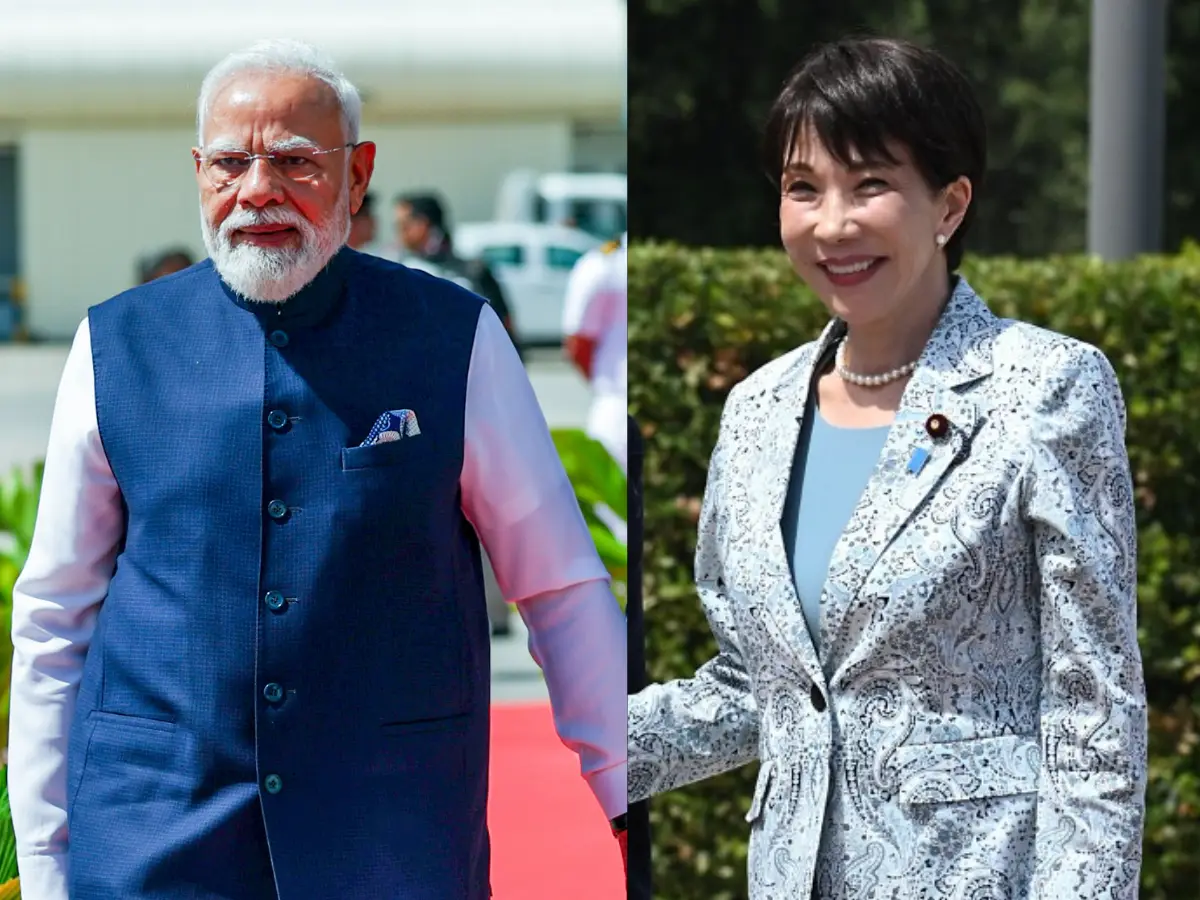
Indian PM Modi and Japan PM Sanae Takaichi Photograph: (X)
The India-Japan Summit 2026 is about more than investment. As China tightens trade pressure, Japan is deepening ties with India through strategic investments, supply-chain diversification, critical minerals, semiconductors and economic security, signalling a long-term geopolitical pivot.
The interest in the India-Japan summit extends beyond both countries, with the outcomes expected to have far-reaching consequences. The real story isn't the $61 billion that Japan has pledged to invest in India over the next decade but what it's fleeing from.
Japan's Prime Minister Sanae Takaichi's Delhi visit is being sold as investment diplomacy. Look closer, and it's a hedging operation. Days before she landed, Beijing slapped export controls on 40 Japanese entities, including defence contractors and research labs. That was a retaliation for Takaichi's warning that a Chinese move on Taiwan could trigger Japanese self-defence action. That's not the backdrop, but the trigger.
Japan Inc., already squeezed by Trump's tariffs on one side, now faces weaponised trade access on the other. So, for Japan, India isn't just a partner but a strategic ballast. The numbers back this.
Japanese investment in India ran to $3.2 billion between April and December 2025 alone, against a pledged $61 billion over the coming decade. That investment was announced when Indian Prime Minister Narendra Modi visited Tokyo last August, before the China-Japan rupture hardened. The Yes Bank stake, $1.6 billion for 20 per cent, wasn't isolated banking interest; it was Japanese capital testing Indian financial exposure ahead of a bigger pivot.
Trending Stories
&im=FitAndFill=(700,400)&imwidth=280&imheight=210&format=webp&quality=medium)
&imwidth=280&imheight=210&format=webp&quality=medium)
&imwidth=280&imheight=210&format=webp&quality=medium)
&imwidth=280&imheight=210&format=webp&quality=medium)
&imwidth=280&imheight=210&format=webp&quality=medium)
&imwidth=280&imheight=210&format=webp&quality=medium)
&imwidth=280&imheight=210&format=webp&quality=medium)
&imwidth=280&imheight=210&format=webp&quality=medium)
&imwidth=280&imheight=210&format=webp&quality=medium)
&imwidth=280&imheight=210&format=webp&quality=medium)
&imwidth=280&imheight=210&format=webp&quality=medium)
&imwidth=280&imheight=210&format=webp&quality=medium)
&imwidth=280&imheight=210&format=webp&quality=medium)
&imwidth=280&imheight=210&format=webp&quality=medium)
&imwidth=280&imheight=210&format=webp&quality=medium)
&imwidth=280&imheight=210&format=webp&quality=medium)
&imwidth=280&imheight=210&format=webp&quality=medium)
&imwidth=280&imheight=210&format=webp&quality=medium)
&imwidth=280&imheight=210&format=webp&quality=medium)
&imwidth=280&imheight=210&format=webp&quality=medium)
&im=FitAndFill=(700,400)&imwidth=280&imheight=210&format=webp&quality=medium)
&imwidth=280&imheight=210&format=webp&quality=medium)
&imwidth=280&imheight=210&format=webp&quality=medium)
&imwidth=280&imheight=210&format=webp&quality=medium)
&imwidth=280&imheight=210&format=webp&quality=medium)
&imwidth=280&imheight=210&format=webp&quality=medium)
&im=FitAndFill=(700,400)&imwidth=280&imheight=210&format=webp&quality=medium)
&imwidth=280&imheight=210&format=webp&quality=medium)
&imwidth=280&imheight=210&format=webp&quality=medium)
&imwidth=280&imheight=210&format=webp&quality=medium)
&imwidth=280&imheight=210&format=webp&quality=medium)
&imwidth=280&imheight=210&format=webp&quality=medium)
&imwidth=280&imheight=210&format=webp&quality=medium)
&imwidth=280&imheight=210&format=webp&quality=medium)
&imwidth=280&imheight=210&format=webp&quality=medium)
&imwidth=280&imheight=210&format=webp&quality=medium)
&imwidth=280&imheight=210&format=webp&quality=medium)
&imwidth=280&imheight=210&format=webp&quality=medium)
&imwidth=280&imheight=210&format=webp&quality=medium)
Investors will watch for fresh moves into Indian banking or NBFCS.
That's the tell for capital, not just factories, relocating away from China. The joint declaration on "economic coercion", deliberately unnamed but obviously aimed at Beijing, matters more than any single MoU. That signals Japan is willing to use India as a diplomatic co-signatory against Chinese trade weaponisation, something Tokyo has avoided doing bilaterally with New Delhi before. Critical minerals and semiconductor cooperation follow the same logic. That is not innovation for Japan's own sake but supply-chain insurance after China's rare-earth leverage over Japan became impossible to ignore. The AI initiative and 500-professional talent pipeline are the soft wrapper. The hard core is this: Japan is quietly re-routing its China-dependent economic security architecture through India. And Delhi is charging strategic rent for the privileged access, minerals and defence-tech reciprocity. Investors will watch for the fine print and not the headline figure.
