Desperation and dignity: In quake-ravaged Venezuela, survivors lean on the kindness of strangers

&imwidth=600&imheight=450&format=webp&quality=medium "Desperation and dignity: In quake-ravaged Venezuela, survivors lean on the kindness of strangers")
Desperation and dignity: In quake-ravaged Venezuela, survivors lean on the kindness of strangers Photograph: (Credit: AFP)
As aid lines grow in Venezuela's disaster zone of La Guaira, quake survivors rely on volunteers and NGOs for survival. Read the ground report.
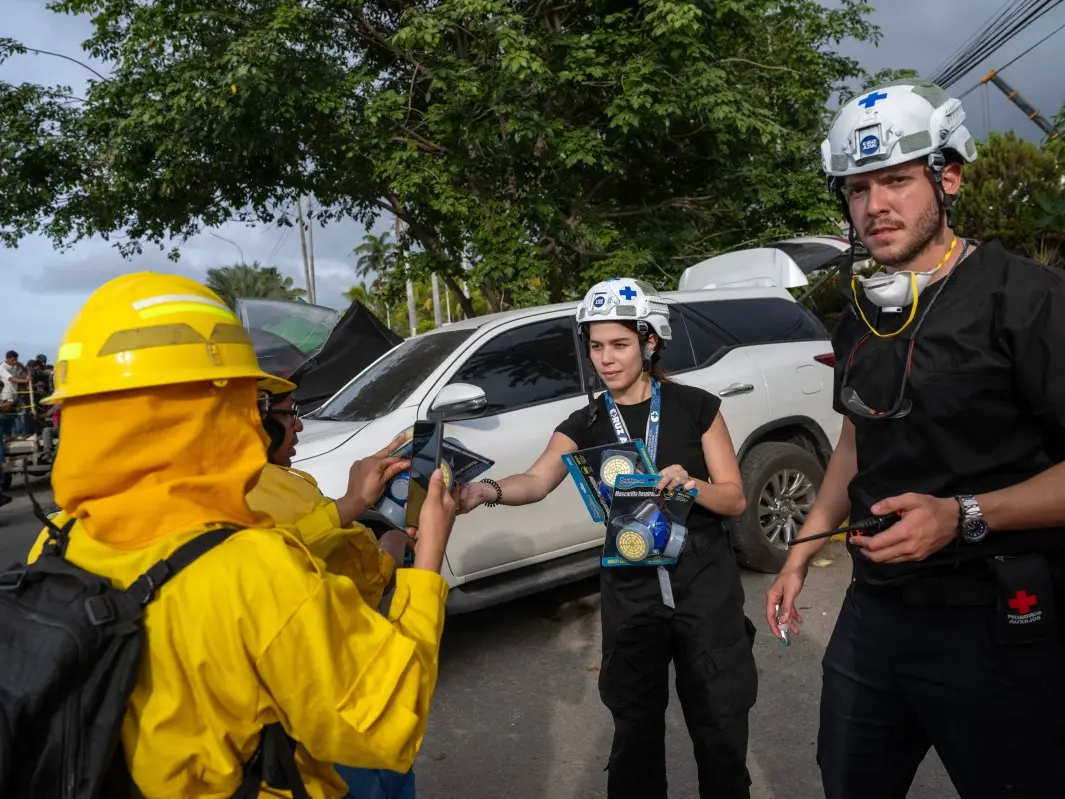
Lines for humanitarian aid in Venezuela's La Guaira grow longer daily as survivors of two devastating earthquakes have nowhere else to go. Last week's twin tremors, measuring magnitudes 7.2 and 7.5, killed nearly 2,000 people and affected more than 15,000 others, leading authorities to declare the state a "disaster zone." With food and water becoming increasingly scarce in local markets, ordinary citizens and volunteers have stepped in to help.
Donations from across the nation are arriving via private vehicles distributing food, water, soap, and toilet paper, alongside trucks from the NGO World Central Kitchen. For displaced residents like 24-year-old Nataly Cardona, who is currently living on the street, this assistance is vital. Survivors like Raoni Izaguirre spend hours waiting in lines under the sun for indispensable donations. Meanwhile, fortunate residents are actively supporting neighbours; Aysmar Lopez, for instance, cooks and delivers meals to several shelters.
Medical professionals and veterinarians have also descended on the coastal city to provide care. The “Pink Brigade” medical specialists and students, including 30-year-old physician Kerlis Artigas, travelled from another state to treat injuries and donate medication. International aid teams are working in tandem alongside doctors from Italy, Mexico, and El Salvador. They operate out of mobile facilities at an improvised shelter on a golf course. They frequently treat high blood pressure, dehydration, fever, nervous breakdowns, and respiratory issues.
As the calamity struck, veterinarians brought food, medicine, and IV fluids for dehydrated or injured pets. They also established a communication network to reunite rescued cats and dogs with their owners.
Trending Stories
&im=FitAndFill=(700,400))
)
)
)
)
)
)
)
)
)
)
)
)
)
)
&im=FitAndFill=(700,400))
)
)
&im=FitAndFill=(700,400))
)
)
)
)
)
)
)
&im=FitAndFill=(700,400))
)
)
)
)
)
)
&im=FitAndFill=(700,400))
Despite official assistance points being set up throughout the battered streets, survivors express a strong preference for volunteers and foreign aid over their own government. "The people helping us here are those who come from outside," resident Tibisay Mendez told news agency AFP. She added that deployed police and officials mostly stand around taking photos and making TikToks.
Izaguirre echoed this sentiment, calling the government's inaction unjustifiable. He noted that instead of utilising state resources to help, authorities simply sit back and wait for foreign nations to provide the critical support the community desperately needs.

