Ilish missing in action: No Bangladeshi hilsa for Bengal’s Ranna puja this year

&imwidth=600&imheight=450&format=webp&quality=medium "Ilish missing in action: No Bangladeshi hilsa for Bengal’s Ranna puja this year")
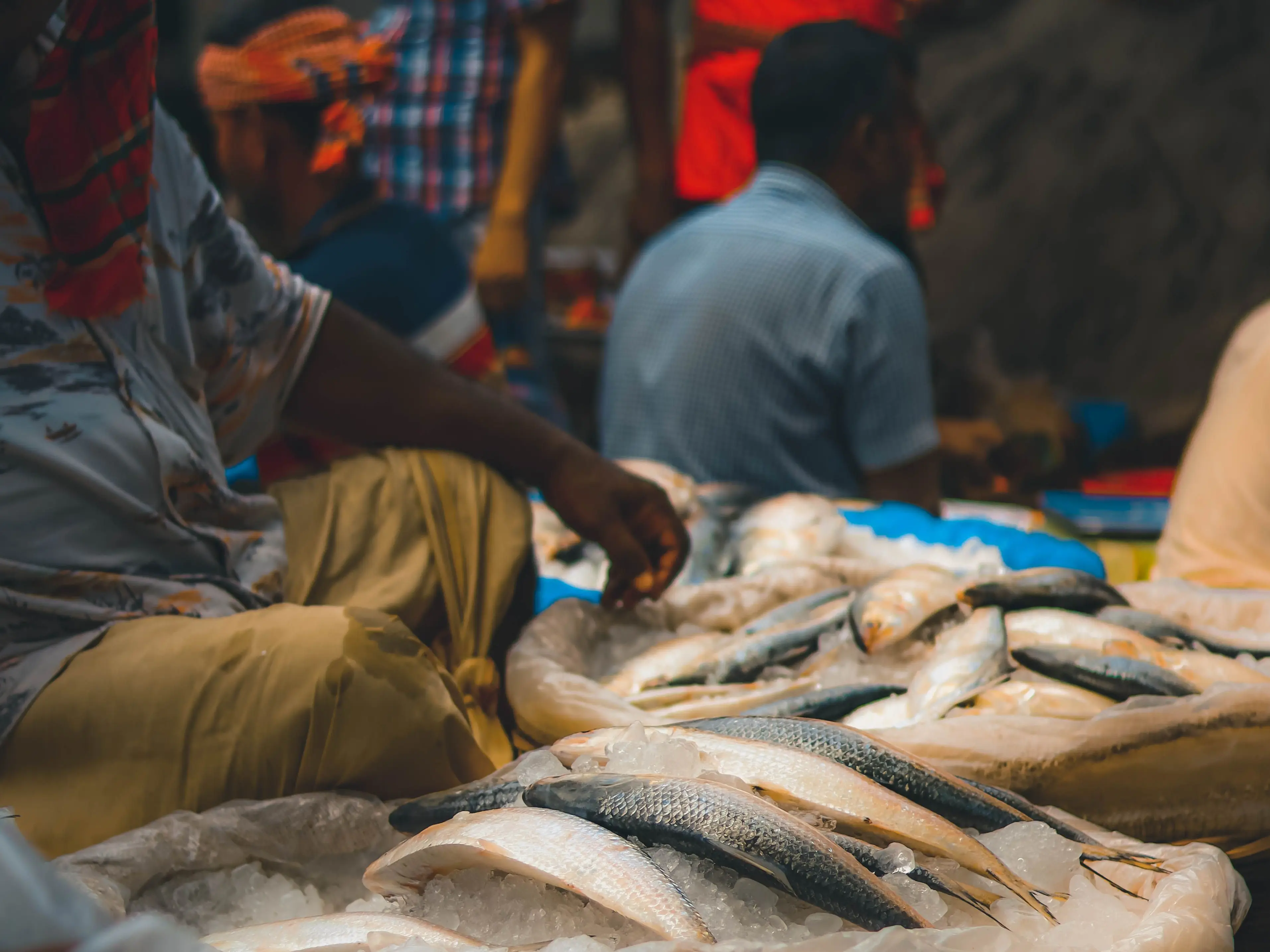
Hilsa crisis in West Bengal Photograph: (Credit: Pexels/Representative image)
Bengal's traditional Ranna Puja celebrations will miss out on authentic Bangladeshi Hilsa this year, as market scarcity and import restrictions leave festive menus incomplete.
As Ranna Puja approaches, Bengali kitchens across Kolkata and West Bengal are staring at an unusual gap on the plate — Padma and Meghna hilsa, the fish most synonymous with the festival, is simply not arriving. Markets this year are being propped up instead by Myanmar hilsa, and in a twist few saw coming, by hilsa shipped in from Gujarat, a large share of which is now being re-exported to Bangladesh itself.
Ranna Puja is a Bengali festival, falling on September 17 this year, honoring Goddess Manasa, where elaborate cooking (often with hilsa) happens the night before, followed by a no-cooking day when the meal is eaten cold. It remains a strong tradition in rural Bengal and Kolkata's suburbs.
Weather has kept the fish at sea. According to trade sources, as many as a dozen low-pressure systems have formed in the Bay of Bengal near Bangladesh over just 51 days this monsoon. The resulting heavy rain has pushed hilsa to stay put in the saline waters of the deep sea rather than migrate toward the coast, while repeated weather-related restrictions have kept Bangladeshi fishermen from venturing into deep water at all.
The river catch has collapsed
With the fish reluctant to move, hilsa have largely failed to enter the freshwater stretches and estuaries of the Padma and Meghna — the very zones that produce Bangladesh's prized, high-value catch. Production this season is described as almost negligible.
Trending Stories
)
)
)
)
)
)
)
)
)
)
)
)
)
)
)
)
)
)
&im=FitAndFill=(700,400))
)
)
)
&im=FitAndFill=(700,400))
)
&im=FitAndFill=(700,400))
&im=FitAndFill=(700,400))
)
Bangladesh is keeping what little it has.
Whatever hilsa Bangladeshi fishermen have managed to land is reportedly not even enough to satisfy domestic demand. Padma-Meghna hilsa is currently selling at record prices within Bangladesh itself, leaving little incentive — or surplus — to export.
Also read: West Bengal rolls out digital spot fines; ₹200 for littering, banned plastic, public urination
Indian importers came back empty-handed
On August 17, a delegation of eight Indian importing agencies travelled to Dhaka and met Bangladesh's Commerce Secretary, the Commerce Minister, and India's High Commissioner to Bangladesh, Dinesh Trivedi. They were told plainly: there is no fish available. Officials indicated that if supply improves, an attempt would be made to send consignments before Durga Puja — offering no comfort for Ranna Puja itself.
A pattern of shrinking shipments.
The numbers tell their own story. In 2024, Bangladesh had intended to send 4,600 metric tonnes of hilsa to India; in the end, only about 1,250 metric tonnes actually crossed over. In 2025, the situation was starker still — just 125 metric tonnes of Bangladeshi hilsa entered India, and even that arrived only on the night after Ranna Puja, coinciding with Vishwakarma Puja. Throughout that period, prices stayed well beyond the reach of middle-class households.
A reversal nobody predicted
In an ironic twist to the annual hilsa story, it is now India that is exporting to Bangladesh — a sizeable quantity of hilsa from Gujarat's waters is currently making its way across the border, even as Bengal's own festive tables go without the fish of the Padma and Meghna.
"This year the picture has simply flipped," says Atul Chandra Das, President of the West Bengal Hilsa Export Import Association, summing up a season in which erratic weather, restricted fishing, and Bangladesh's own shortage have combined to keep the silvery treasure off Bengali plates just when tradition demands it most.
