‘I rejected it’: Trump confirms turning down Iran’s proposal to reopen Hormuz, claims Tehran is losing ‘badly’

&imwidth=600&imheight=450&format=webp&quality=medium "‘I rejected it’: Trump confirms turning down Iran’s proposal to reopen Hormuz, claims Tehran is losing ‘badly’")
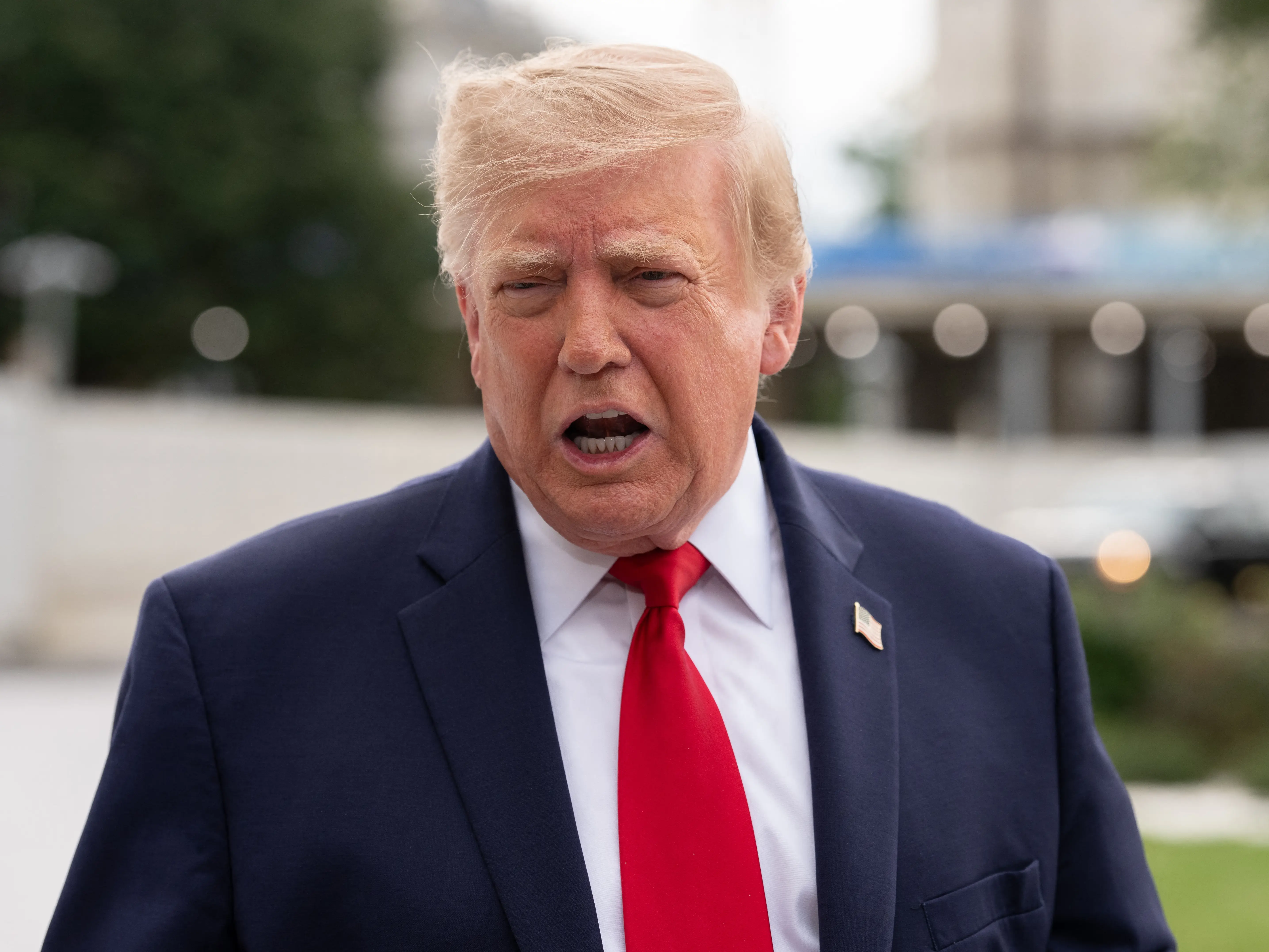
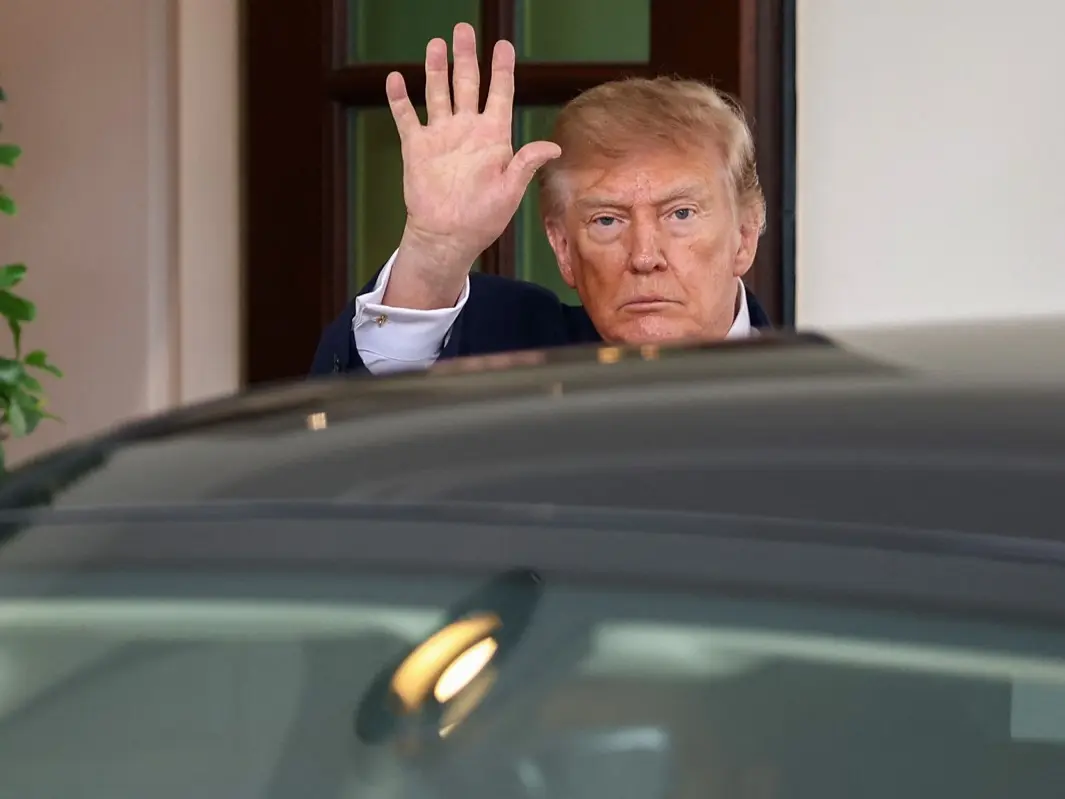
US President Donald Trump speaks to the media on the South Lawn of the White House on September 26, 2026 in Washington, DC. Photograph: (AFP)
Trump said he rejected Iran’s proposal to reopen the Strait of Hormuz, calling it unacceptable and claiming Tehran wants a deal because it is losing the war badly.
US President Donald Trump on Saturday (Sep 26) confirmed that he is rejecting Iran’s latest proposal to reopen the Strait of Hormuz, which had been disrupted since the war began in February this year. Calling the proposal “unacceptable”, Trump claimed that Iranians wants to make a deal “immediately” because they were losing the war “so badly”. This comes after reports suggested that the US president has rejected a seven-day ceasefire proposal.
“They have made a proposal and I rejected it,” Trump told reporters at the White House. Iran’s plan includes reopening the Strait of Hormuz and resumption of talks over Tehran’s nuclear program. It also demands lifting of the US naval blockade and ending of sanctions.
“They want to make a deal where they open the strait immediately because they’re losing so badly,” he added. “They want a make a deal, and I think that’s fine. I like making a deal too, but that deal would not be acceptable.”
The proposal had been conveyed to Washington through Qatari mediators during the UN General Assembly in New York. Iranian Foreign Minister Abbas Araghchi said Tehran had put forward a concrete seven-day roadmap to restore maritime traffic and restart negotiations.
What did Iran offer?
Under Tehran’s plan, the US would need to meet several conditions, including lifting its naval blockade, easing sanctions on Iranian oil and observing a wider cessation of hostilities.
Trending Stories
)
)
)
)
)
)
)
)
)
)
)
)
)
)
)
)
)
)
)
)
)
)
)
)
)
)
)
)
)
)
)
)
)
)
&im=FitAndFill=(700,400))
)
)
)
Iranian President Masoud Pezeshkian said the proposal had been developed in coordination with Supreme Leader Mojtaba Khamenei. Araghchi said the Strait would be reopened on the seventh day after Washington accepted the plan.
“Iran has conveyed to the United States, through Qatar, a concrete seven-day plan,” Araghchi said. “If the necessary conditions are met, the strait can be reopened, and normal maritime passage restored within seven days.”
He added: “The choice now rests with the United States.”
Hormuz remains key flashpoint
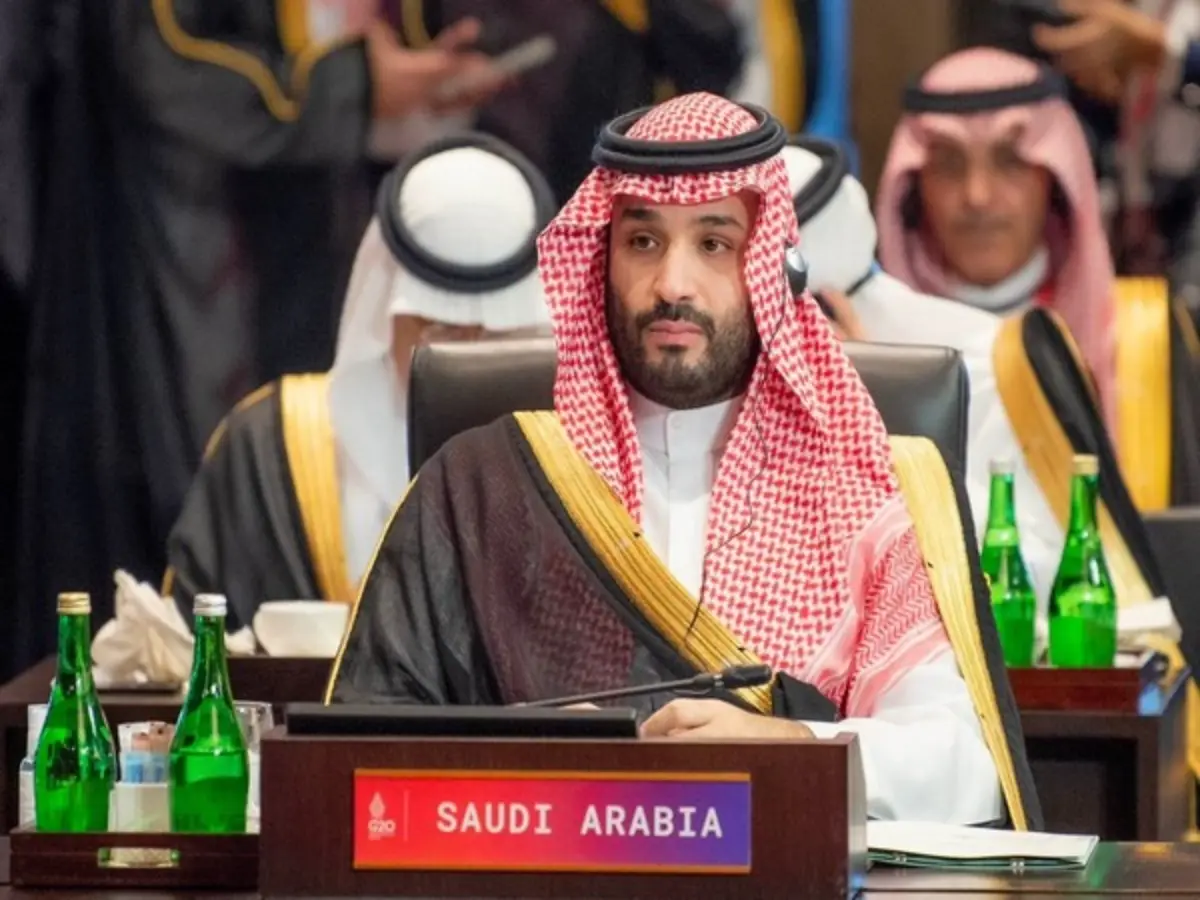
The Strait of Hormuz has become one of the central pressure points in the conflict because of its importance to global energy shipments. Saudi Foreign Minister Faisal bin Farhan urged countries to ensure that the waterway and Bab al-Mandab remain open, warning against their use as tools of pressure.
Meanwhile, Russian Foreign Minister Sergey Lavrov said Moscow was ready to contribute to stabilising the region.
Trump’s rejection leaves the diplomatic track uncertain, with The Wall Street Journal reporting that he remains sceptical about Tehran meeting US demands and expects military action to resume.

