How Donald Trump's 'tremendous resentment for Japan' fueled his tariff obsession

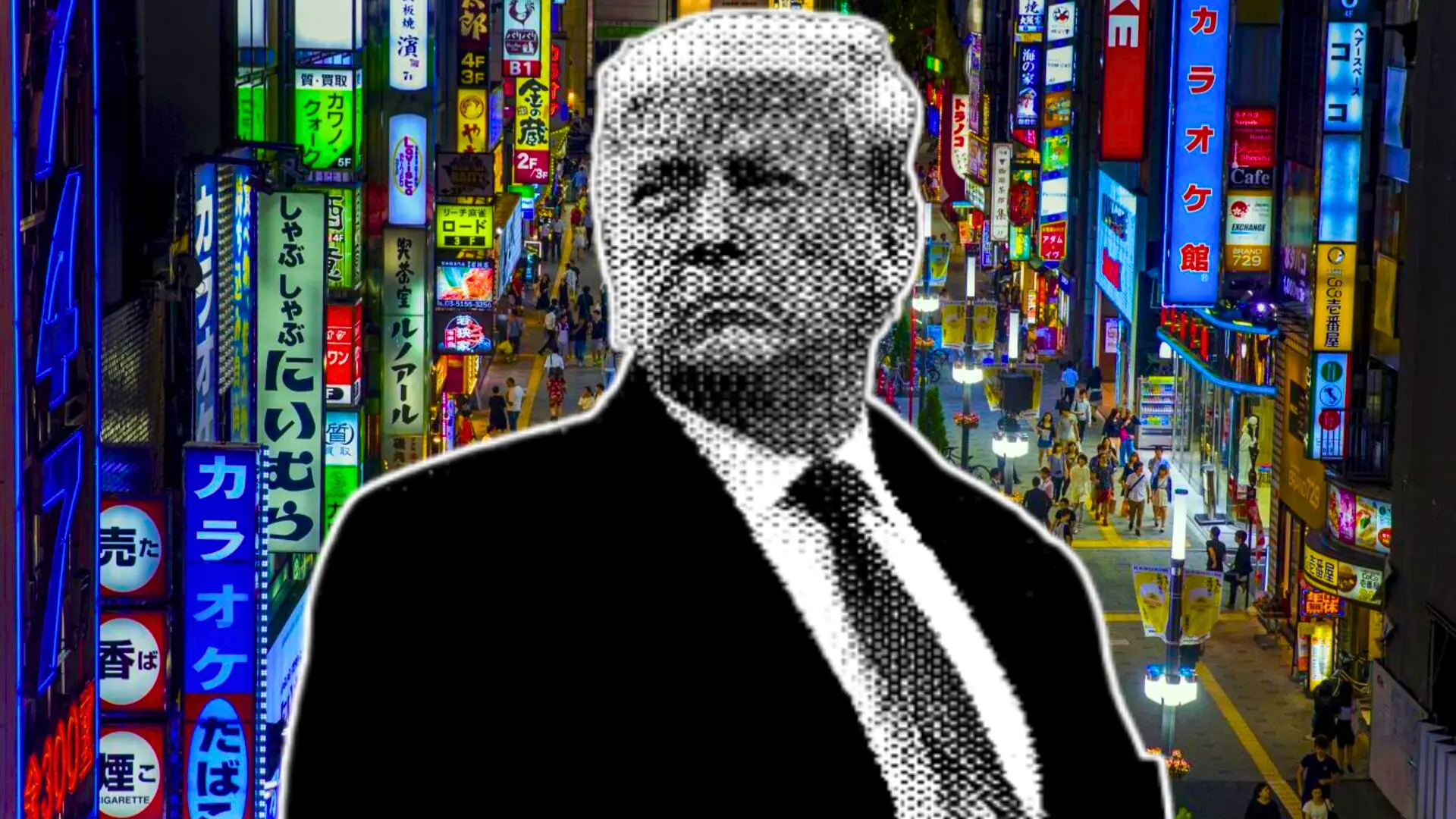
World: Trump often complained about how hard it was to make deals with large groups of Japanese businessmen. "I'm tired of watching other countries ripping off the United States," he said.
The US President Donald Trump's decision to impose tariffs on Canada, Mexico, and China has dramatically affected relations with three of America’s key trading partners.
But Trump's obsession with tariffs is not new, it dates back to when he was just a young businessman.
In the 1990s, when Donald Trump had financial troubles and needed money quickly, he took his 282ft (85m) superyacht, the Trump Princess, to Asia to attract wealthy Japanese buyers.

This was not his first time looking for Japanese investors. During this time, he formed his views on trade and America’s relationships with other countries, leading to his strong belief in tariffs: taxes on imports.
Trump's tremendous resentment for Japan
Barbara Res, a former executive vice president at the Trump Organisation, told the BBC that Trump had "a tremendous resentment for Japan." She said he disliked how Japanese businessmen were seen as smart and felt the US was not getting enough in return for protecting Japan.
)
What’s in a name? Trump’s 'Lake America' move gets a tit-for-tat response from Canada
)
Outrage erupts after 3-year-old is married to 60-year-old man in Pakistan, link to her sister's murder being probed
)
Trump gifts Xi a bald eagle sculpture at White House dinner: Here’s what it symbolises
)
‘Not just a local tragedy’: Nepal PM Shah warns UN of growing climate threat, says Nepal floods were 'a warning to the world'
)
CNN, Politico and MS NOW back in White House after judge blocks Trump’s media ban
)
Farhan, who went viral for AK47 celebration vs India in Asia Cup, hopes to lead Pakistan beyond Asian Games
)
'We would all be dead': Netanyahu defends decision to strike Iran's nuclear facilities in his UN speech
Don't Be Shy movie review: A frothy coming-of-age tale that is too shy to experiment
)
IIT Bombay CCTV footage emerges: Sahil Wakode seen looking at phone in examination hall
)
Welcome actor Mushtaq Khan dies at 56 after battling cancer
)
Trump's welcome to Xi demonstrates 'attraction' to dictators: Chuck Schumer
)
Nations League: Germany draw on Klopp debut; Portugal, Norway win
)
WION Iconic Tourism Summit 2026: Union Minister Shekhawat on 'experiential travel', peace diplomacy
)
Scientists detect first radio signals directly from faraway planet
)
A seven-day roadmap? Iran proposes plan to end war, reopen Strait of Hormuz and resume nuclear talks
)
China to test supersonic jet that moves at Mach 2, double the speed of sound
)
Xi Jinping's 'special plane' vs Trump's Air Force One: What's the difference?
)
UNGA 2026: Israeli PM attacks Britain, France for past colonialism
)
West Indies coach Sammy looking at India series as opportunity to finetune ahead of ODI World Cup 2027 qualifiers
)
‘We’ve never gotten along better’: Trump praises Xi, jokes about White House ballroom at high-stakes state dinner
)
Nearly half of young people trust AI over humans to check facts, major study finds
)
'Partners rather than rivals': Xi Jinping's first message after landing in US for Trump summit
)
Yemen called Trump for US military support in fight against Houthis: Official
)
2,000-foot tube, laser tests and more: China builds towns to expand nuclear arsenal, satellite images show
)
Meet Adrian Abraham: 9-year-old Indian-origin guitar prodigy aiming for a Guinness World Record
)
US faces fresh cost crunch as mortgage rates hit 7%, oil tops $107 and gas prices surge
)
Trump-Xi state dinner 2026: Who is invited? Full guest list of tech CEOs, business leaders and officials
)
'Blockbuster' nor'easter develops an eye similar to hurricanes as warnings are issued
)
Alarming video emerges as landslide damages houses in Sikkim’s Rimbi village. Watch
)
'Making history': Xi Jinping praises Trump as US-China leaders dine at White House
)
'What kind of confession is this?': Pakistan PM Shehbaz Sharif’s 'terrorists would be roaming New York' remark goes viral, raises alarm online. Watch
&im=FitAndFill=(700,400))
Netanyahu at UN: Mass walkout, attack on Mamdani and Iran threats | In Pics
)
'We do not wish to continue. It's America that must choose': Iran president Pezeshkian calls on US to end war
)
WION Iconic Tourism Summit: How local tourism MSMEs must upskill for AI integration
)
Bollywood mourns Mushtaq Khan: Sunny Deol, Rajpal Yadav and others pay tribute
)
'FIRST LOOK from inside Noah’s Ark': Researchers share video from inside mysterious mound in Turkey
)
Who is Lt-Gen Nauman Mahmood, Pakistan's first secretary general of Makkah Defence Alliance?
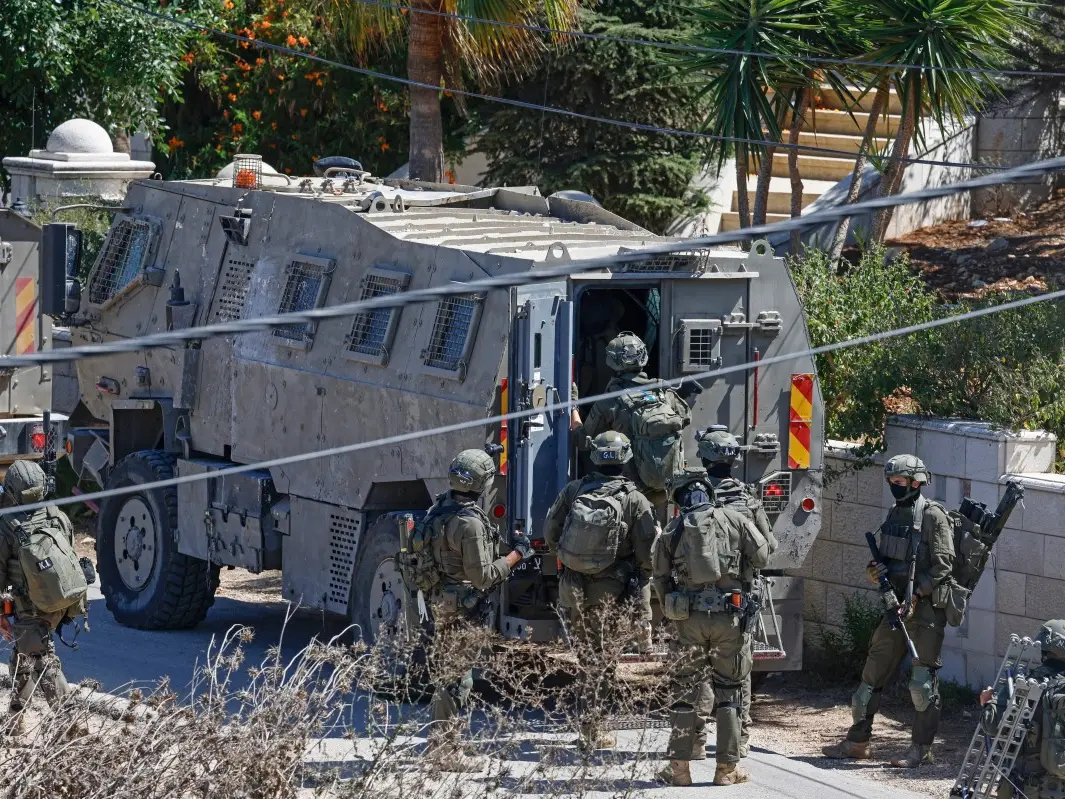)
Israeli envoy to US Yechiel Leiter’s son critically injured in West Bank ramming attack
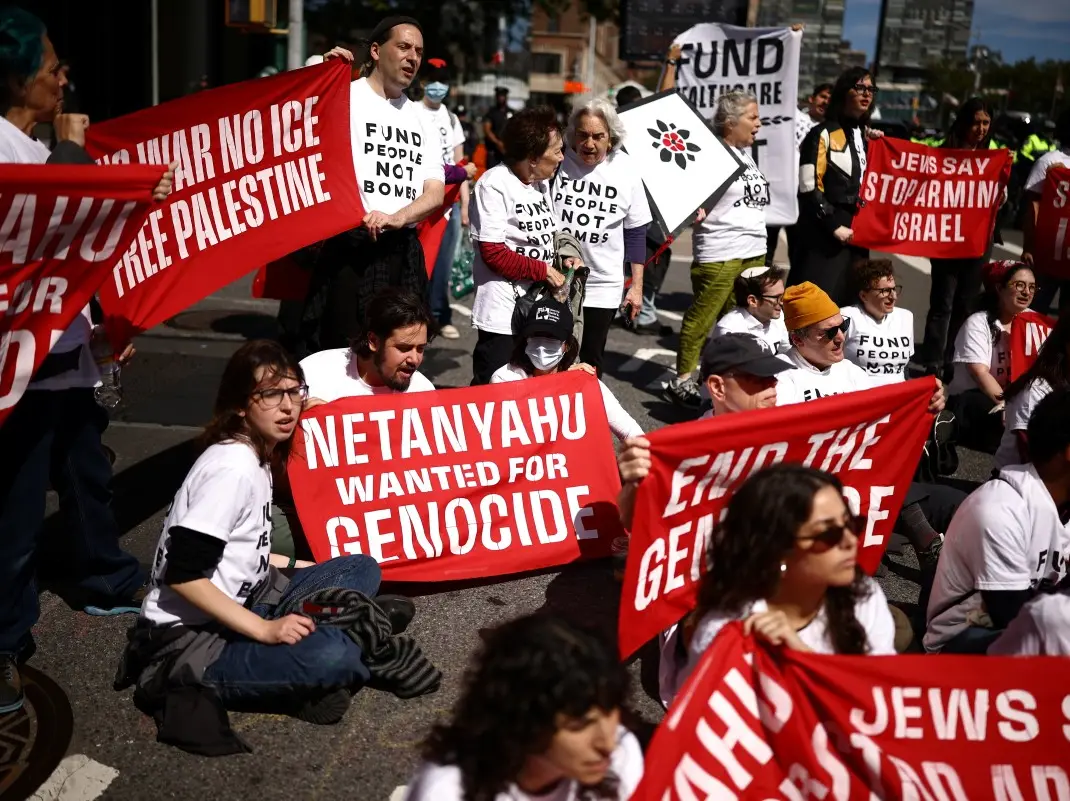)
'Fund people, not bombs': Hundreds take to New York streets as Netanyahu delivers speech at UN; dozens arrested
)
Trump often complained about how hard it was to make deals with large groups of Japanese businessmen. "I'm tired of watching other countries ripping off the United States," he said.
Allies should 'pay their fair share'
After releasing his 1987 book, The Art of the Deal, Trump spoke out against America's trade policies in various interviews. On The Oprah Show, he told Oprah Winfrey that America’s allies should "pay their fair share" and accused Japan of "dumping" products into the US while making it "impossible to do business" there.
At the time, Japan was becoming a big competitor in manufacturing, especially in electronics and cars. As US factories closed and Japanese brands grew, some experts believed Japan might overtake the US as the world’s biggest economy.
Before his interview with Oprah, Trump spent nearly $100,000 on full-page ads in three major US newspapers to publish an "open letter." The ad, titled "There's nothing wrong with America's Foreign Defense Policy that a little backbone can't cure," claimed Japan and other nations were taking advantage of the US. He wrote, "The Japanese, unimpeded by the huge costs of defending themselves (as long as the United States will do it for free), have built a strong and vibrant economy with unprecedented surpluses."
Trump thought the solution was simple: tax these wealthy nations. "The world is laughing at America's politicians as we protect ships we don't own, carrying oil we don't need, destined for allies who won't help," he wrote.
This ad showed Trump’s approach to foreign policy, believing that America’s allies were taking advantage of the country. He rejected the idea that the US should support other nations without getting something in return and instead pushed for a tougher trade policy.
Clyde Prestowitz, who worked with Japan during the Reagan administration, said Trump’s views were not supported by serious experts. "Tariffs are kind of a showy thing that you can say, look what I did, I banged those guys… so you know, you can be a tough guy. Whether or not they are effective in any way is really open to discussion," he told the BBC.
Also read: PlayStation Network outage disrupts services for PS4, PS5 users; angry gamers demand answers
Prestowitz argued that the real issue, both then and now, is that the US lacks a solid manufacturing strategy, even though it complains about unfair trade.
Till now, Trump’s economic beliefs remain the same. He still sees tariffs as a way to push other countries to open their markets and reduce trade deficits. Joseph LaVorgna, a former chief economist of the National Economic Council during Trump’s first term, told the BBC, "I think that President Trump understands something which is very important, being a businessman and being transactional, and that is free trade is great in theory but in the real world you need to have fair trade and that's a level playing field."
(With inputs from agencies)
