&imwidth=800&imheight=600&format=webp&quality=medium "Gulf states seek UNSC mandate for force to protect Hormuz; China, France, Russia may veto move")
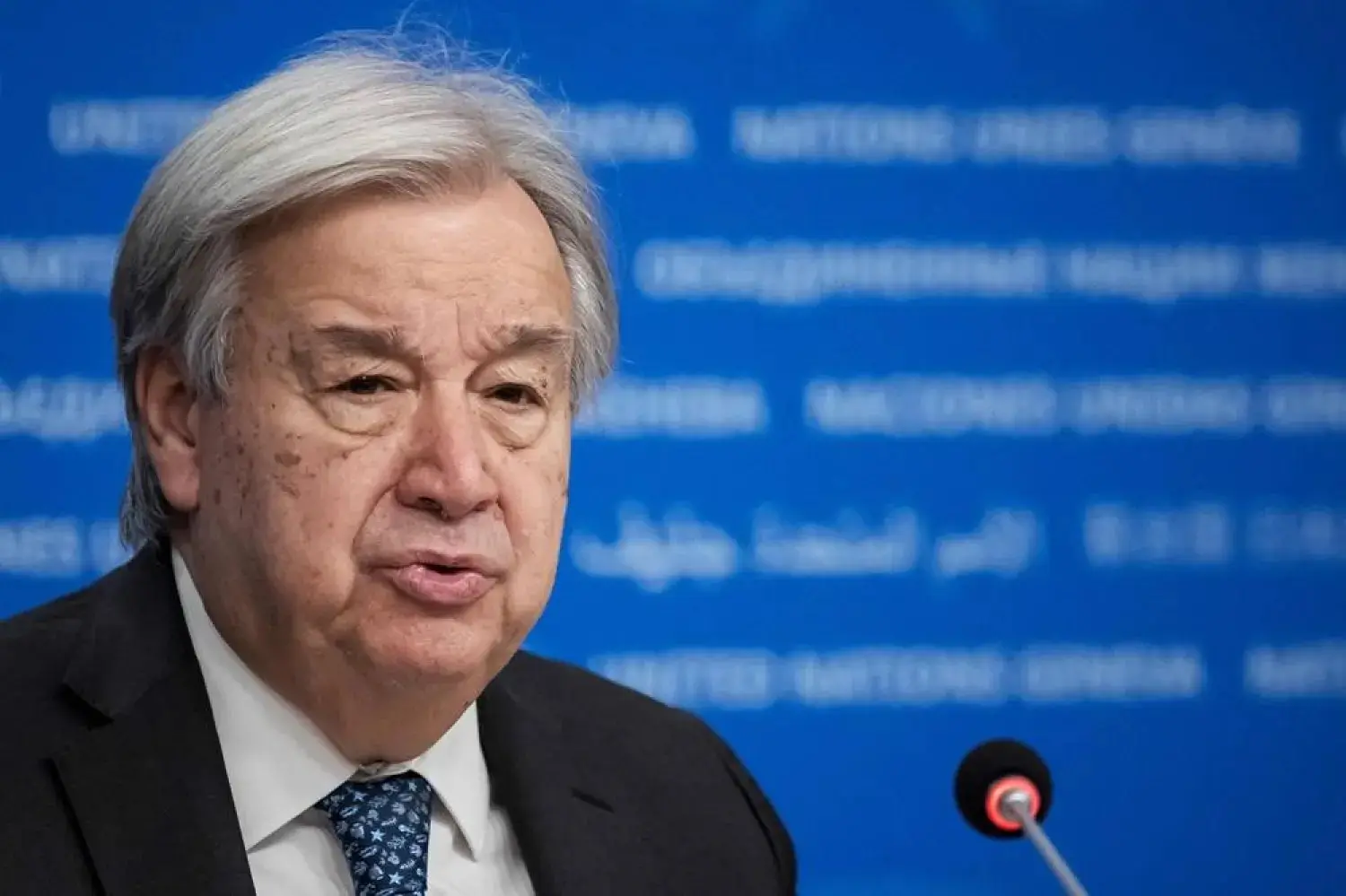
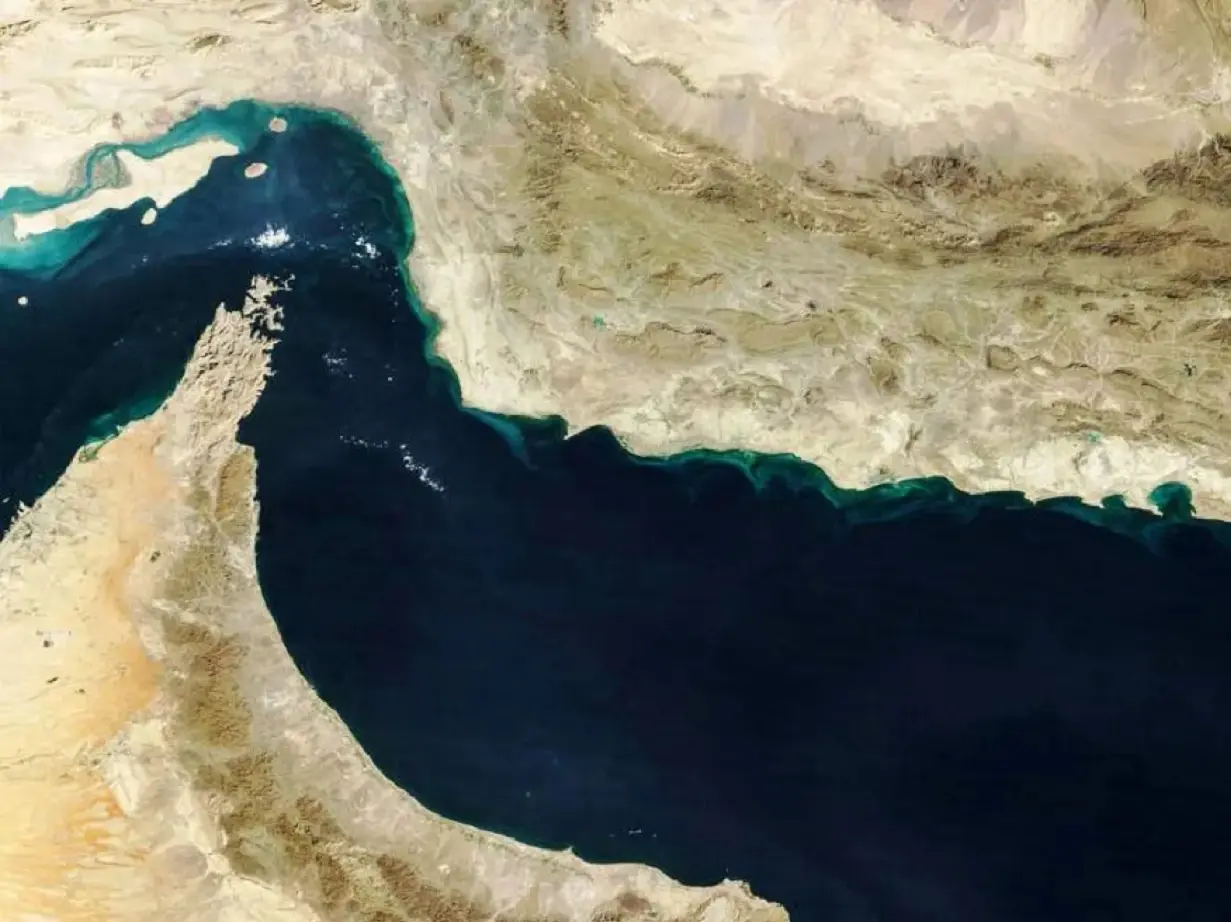
The Gulf Cooperation Council (GCC) on Thursday urged the United Nations Security Council (UNSC) to authorise the use of force to protect the Strait of Hormuz from Iranian attacks. The secretary-general of the GCC has urged the UNSC to sanction the use of force. GCC secretary-general Jassem al-Budaiwi said, “Iran has closed the Strait of Hormuz, prevented commercial vessels and oil tankers from transiting, and imposed conditions on some to pass through the Strait.”
He made the remarks in New York during the inaugural Security Council session focused on collaboration with the GCC, which includes Saudi Arabia, the UAE, Bahrain, Qatar, Kuwait, and Oman.

Iran has blocked the key shipping lane in retaliation for US-Israeli strikes, crippling fuel supplies and hurting the global economy.
“We call upon the Security Council to assume its full responsibility and take all necessary measures to protect maritime routes and ensure the safe continuation of international navigation,” al-Budaiwi said.
Bahrain has proposed a draft resolution that would let states use “all necessary measures” to ensure free transit through the Strait of Hormuz.
Trending Stories
)
The Early Spring is proof not everyone can talk about their real feelings, and it is perfectly OK
)
UN votes to ‘correct the map’ as India backs fairer world view
)
Nigerian Navy discovers 99,000 litres of suspected stolen, illegally refined products as it intensifies anti-crude oil theft operations
)
Who is Aditi Paudel? 17-year-old becomes Japan's first literacy ambassador
)
Bengaluru: Officials find 40 kg expired chilli at chairman's club
)
Jaishankar rejects trade link to ending Ukraine war
)
Israeli strikes on Lebanon kill three, injure 23 despite truce
)
Alpine glacier was covered with sheep wool sheets to prevent melting. It worked
)
South Korea mulls deploying military assets to Strait of Hormuz
)
World's fifth-largest economy, British army can't afford to train
)
Breaking | Vance takes the podium: First White House briefing since Leavitt's exit
)
Taiwan raises 'concerns' over China's missile test
)
BRICS 2026: $1 trillion sovereign capital set to converge in Delhi for first iBRICS Summit
)
What is Iran's Pickaxe Mountain that Trump has again threatened to bomb?
)
UN votes to correct world map that visually shrank Africa for 450 years
)
Former NewJeans member Danielle launches YouTube channel, hints at new solo journey
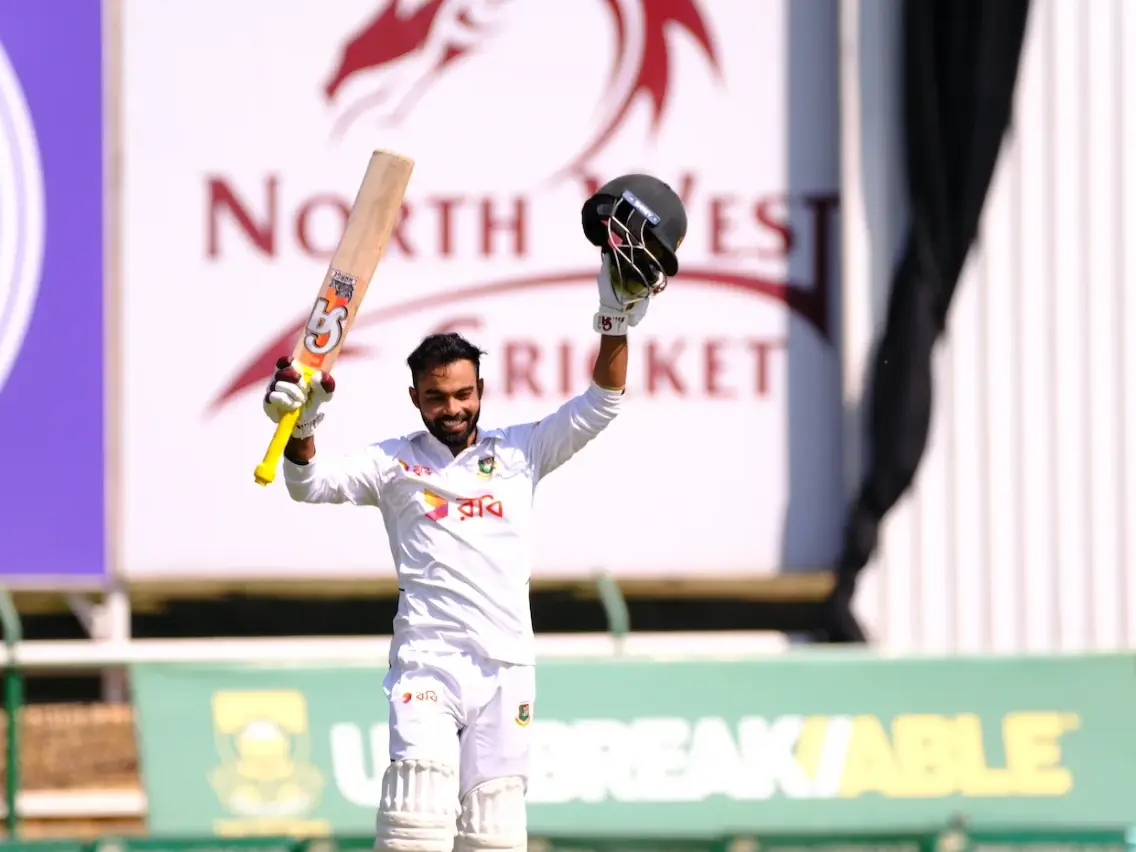)
Bangladesh batter Towhid Hridoy creates history with 350 not out in South Africa
)
Brendan Fraser’s transformation fuels The Mummy 4 excitement as fans welcome back Rick O’Connell
&im=FitAndFill=(700,400))
Krishna Janmashtami 2026: From Dhaniya Panjiri to Makhana Kheer- 5 best sweet dishes perfect for celebrating Lord Krishna’s birth
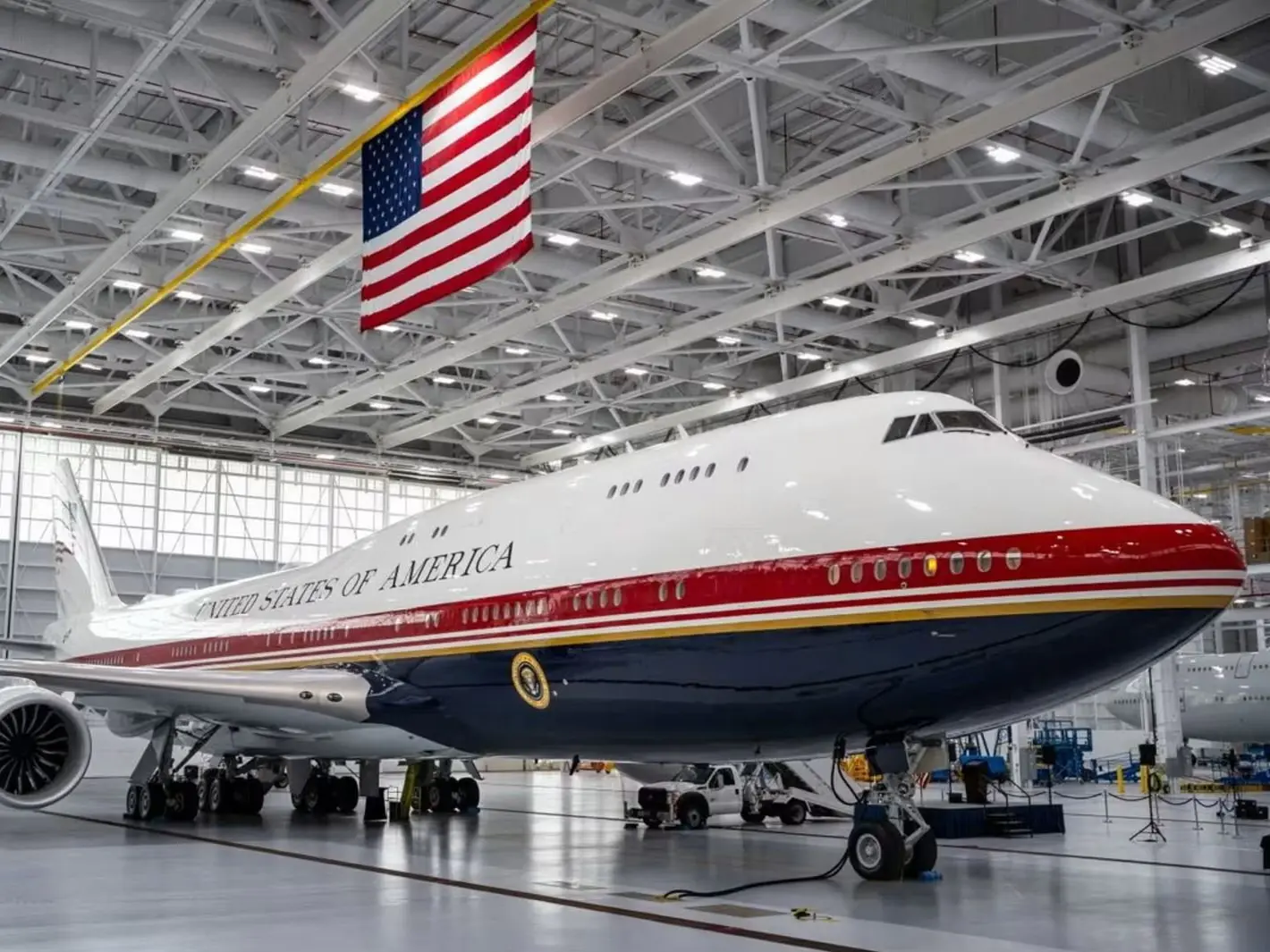)
Donald Trump plans to travel to Ireland on Qatari-donated jet amid security concerns
)
Nazi-looted art to return to Jewish heirs
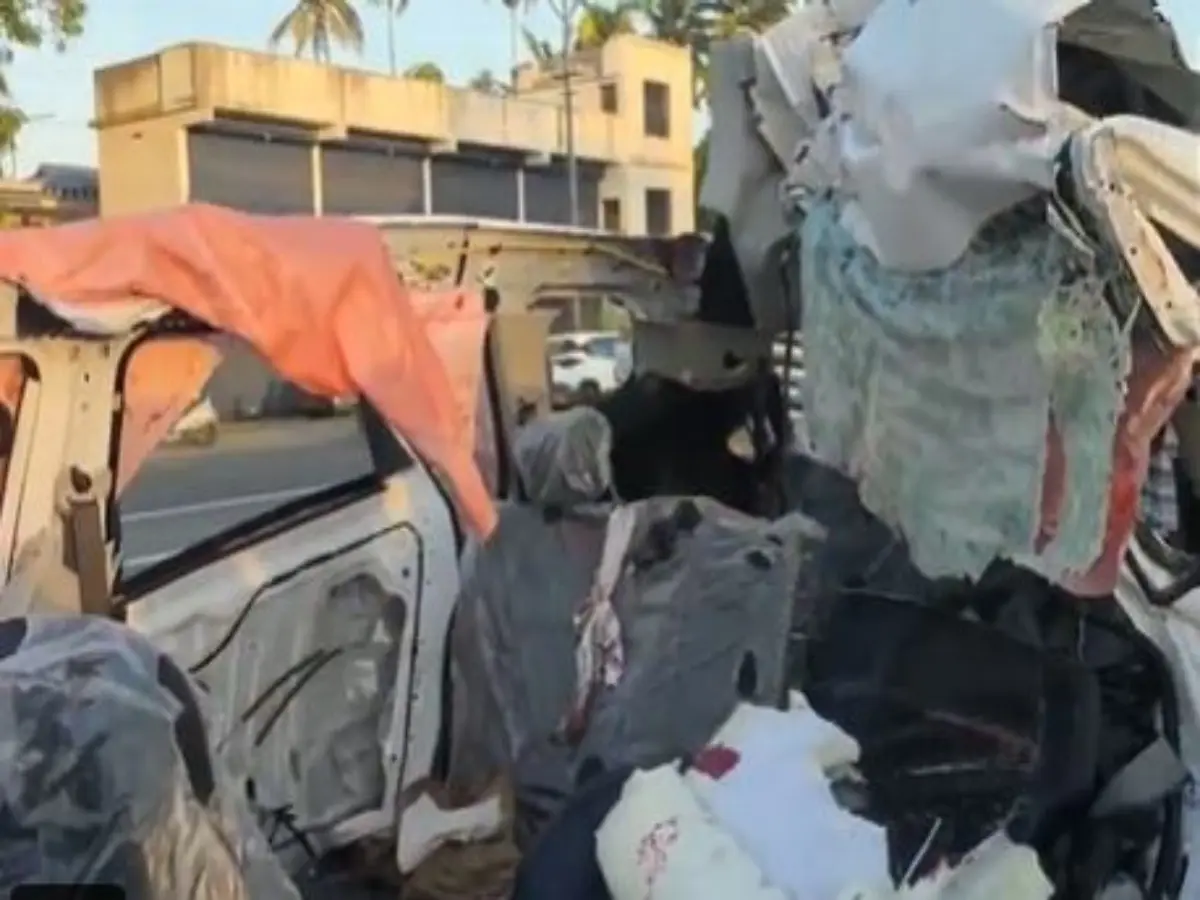)
Eight killed in Kerala’s Thrissur after car rams into lorry parked on highway
&im=FitAndFill=(700,400))
Why Russian fighter jets use bulky, low-pressure tyres compared to US jets
)
FBI-wanted fraud accused arrested in Jalandhar over $600,000 scam
&im=FitAndFill=(700,400))
Why US tanks weigh over 20 tons more than Russian tanks
&im=FitAndFill=(700,400))
New Friday OTT releases (September 4, 2026): GDN, Dhamaal 4, Jagamae Sangeetham- Watch 6 new movies and TV shows on Netflix, Prime Video and more
)
Killing the Himalayas slowly: Human urine is melting a glacier on Mount Everest
However, the measure has divided the 15-member Security Council.
Also Read: ‘World on edge of wider war, people are already struggling,’ says UN chief Antonio Guterres
According to diplomatic sources, Russia, China, and France, who hold veto privileges, have voiced strong objections despite several modifications to the text.
A fifth version of the draft text was distributed to member states on Thursday. French President Emmanuel Macron has said that a military operation to free the Strait is “unrealistic”.
Around a fifth of the world’s oil and liquefied natural gas passes through the Strait of Hormuz. Its near-total blockade is impacting global supplies of oil, liquid natural gas, and fertilisers, leading to a sharp rise in energy prices.
Britain marshals 41 countries for Strait of Hormuz reopening
The United Kingdom on Thursday accused Iran of holding the global economy hostage during a summit where representatives from over 40 nations discussed strategies to compel Tehran to reopen the Strait of Hormuz.
UK Foreign Secretary Yvette Cooper said the talks showed “the strength of our international determination” to reopen the strait.
“We have seen Iran hijack an international shipping route to hold the global economy hostage,” Cooper said at the start of the meeting.
A Security Council resolution requires at least nine votes in favour, and no vetoes from its five permanent members—the United States, Russia, China, Britain, and France.