
&imwidth=800&imheight=600&format=webp&quality=medium "Gas diplomacy ahoy! Hormuz crisis offers opportunity for India to play mediator and help its homes")
Pardon the pun, but it is time for India’s diplomats to fire on all cylinders – especially keeping in mind an emerging shortage of cooking gas for hotels, restaurants and homes that threatens the everyday eating habits of hundreds of millions of Indians.
The crisis that has arisen from the militarisation of the Strait of Hormuz in the Persian Gulf offers an opportunity for India in its own interest to tell both the United States and Iran to allow legitimate Indian interests to prevail – and that is also lawful opportunity to move in coordination with other leading economies of the world, especially its Gulf friends and BRICS partners (Brazil, Russia, China and South Africa) to exercise collective leverage to end what for most analysts looks like a pointless war threatening the world economy and peace.
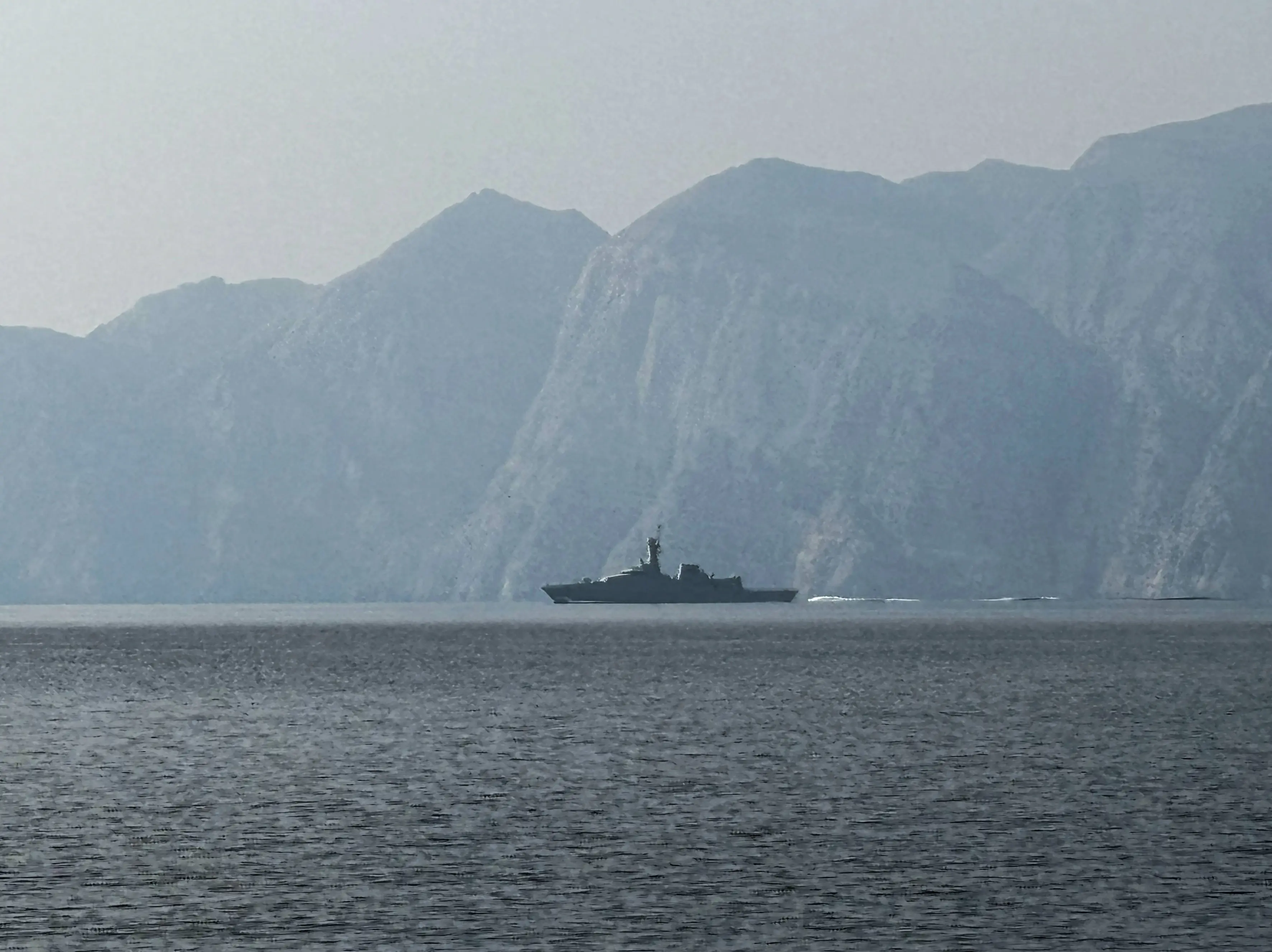
The United States has said it took out more than a dozen mine-laying vessels from Iran, even as Tehran’s Islamic Republic regime said it would block the region’s exports, but with a helpful caveat that it would not allow things to be shipped to its “enemies”. India most certainly is not an enemy of Iran, nor is the US. But either country, indirectly or directly affecting the well-being of its citizens, is not something Prime Minister Narendra Modi’s government should accept without demur. If anything, the Ministry of External Affairs has now crossed the “none of our business” threshold on the issue.

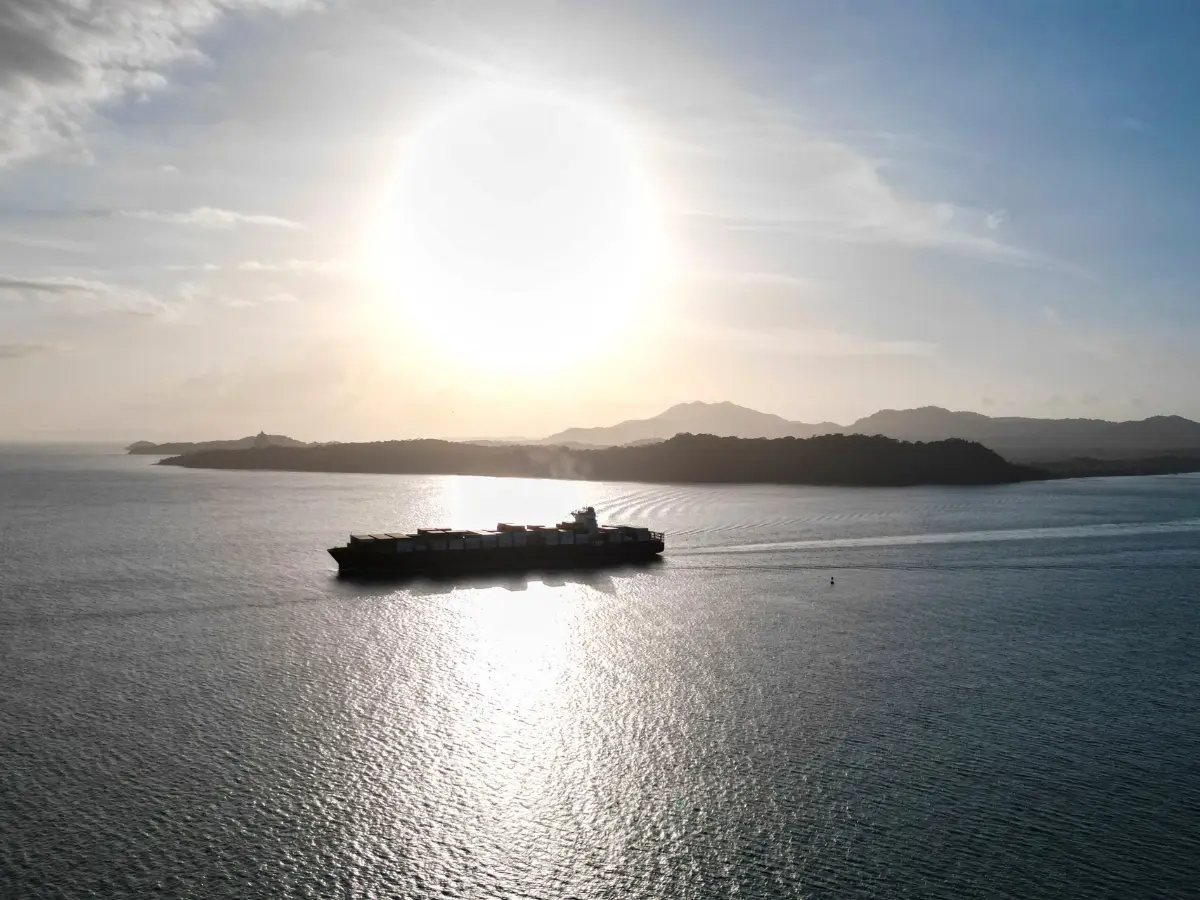
Apart from the fact that the Strait of Hormuz is critical because about 20% of the world’s oil is shipped through it, it is extra important for India because about 50% of the liquefied natural gas (LNG) supplies to India pass through the strait, mostly from Qatar, which is a peninsula that juts into the Persian Gulf in which the Hormuz waterway is like a bottleneck.
The strait is as much a diplomatic minefield as it is a zone for military mines. About 5,800 km in area, but one that has a width of about only 37 km at its narrowest waterway, it is a choke point that needs nuanced discussion – but offers ample scope for both trade under international law and diplomatic space that India can navigate without unsolicited services from a supercop like President Donald Trump’s US.
Iran controls a few islands, including Abu Musa, Greater Tunb and Lesser Tunb in the Hormuz area allowing it de facto control but these three islands are disputed by the United Arab Emirates, which is a reasonably trusted friend of India. The problem for India gets acute only if Qatar is seen by Iran as an enemy state in view of the US military facilities there. By all indications, Tehran’s Islamic rulers are using Qatar’s status in West Asia as a lever to pressure the US to stop its reckless bombings. Officially, Iran and Qatar have cordial relations, including shared interests in the oil economy.
Trending Stories
)
Did India risk its US trade deal despite softer stance at BRICS?
)
First naval drone battle? Ukraine says Sargan 3000 sank Russian unmanned boat
)
Practical Magic 2 breaks Spidey spell over North American box office
)
'Huge destructive power': North Korea calls its latest missile launches 'live-fire drill' even as US dismisses 'immediate threat'
&im=FitAndFill=(700,400))
Meet top 5 batters fastest to 3000 runs in T20Is
)
‘Let’s go’: Newly declassified videos show dramatic rescue of US Air Force officers downed in Iran
)
Delhi’s balancing act: BRICS serves as a stage for West Asia diplomacy
&im=FitAndFill=(700,400))
Why European Meteor missiles use ramjet engines compared to standard US solid rockets
)
'He is popular...': Malaysian PM Anwar Ibrahim's praise for PM Modi during bilateral meeting | WATCH
)
Iran, India agree to deepen humanitarian and political ties, President Pezeshkian says
)
‘Want to reset ties with India, have engagement based on mutual interests,’ says Bangladesh minister
)
Trump says Canada eager to reach a deal, it could come ‘fairly soon’ if Ottawa treats US farmers better
)
Turkish Airlines plane flies through a storm three times, triggering severe turbulence
)
‘Partners, not rivals’: Xi outlines four point plan for stronger India-China ties
&im=FitAndFill=(700,400))
Why Chinese PL-15 air-to-air missiles use dual-pulse motors compared to European interceptors
)
Russia proposes to build 360 kmph Ivolga FG trains in India: What happened on sidelines of BRICS
)
800 million years old - Scientists discover 'fingerprints' of supercontinent Gondwana in ancient rocks
)
China discovers vast gold and silver 'mine' in the Pacific with unheard-of deposits
)
Russian drone hits Warsaw-bound train near Polish border, Zelensky accuses Moscow of ‘deliberate’ targeting
)
War is making Russia stronger? How Ukraine is shaping Moscow’s next generation of weapons
)
NEET-UG to move to computer-based test soon, NTA DG says ‘CBT is the future’
)
Woman removes all her clothes on American Airlines flight, performs 'indecent acts'; arrested
)
Liam Neeson sparks romance rumours after holding hands with Stella Stocker at TIFF 2026
&im=FitAndFill=(700,400))
New OTT releases this week (September 14-20, 2026): Lust Stories 3, Waiting Hai, Irumudi- 5 new titles coming on Netflix, Prime Video and more
)
Indian importers urge Bangladesh to lift export ban on 'Hilsa' fish ahead of Durga Puja
)
Did China give Iran intel before US base strike that killed 3 troops? Trump says, 'You’re right...'
)
Baba Vanga's first prophecy for 2027 is out, and straight out of science fiction
)
Akram, Afridi, Mushtaq tear into PCB after Pakistan’s Test series collapse in UK
&im=FitAndFill=(700,400))
From Rinku Singh to Mayank Yadav, 5 players dropped from India’s squad for Afghanistan T20Is
)
PM Modi and China's Xi offered to help resolve Russia-Ukraine war: Kremlin
)
China thinned Himalayan troop presence in 2025, India defence report says; terms border situation 'stable'
)
Humans may lose control of AI: Anthropic CEO calls for slowdown, Altman, Musk back him
India has every right to police its own goods and services in the Hormuz area if it involves shipments from Qatar to India, from India to the UAE and other Gulf states.
Authoritative legal guides say the Strait of Hormuz must be viewed under transit passage rules governed by the United Nations Convention of the Law of the Sea (UNCLOS). We are now understandably in a Trumpist world in which international law and UN conventions have been thrown to the sea winds, but the law does allow ships and aircraft uninterrupted and continuous rights to freely navigate the strait even when there is a security crisis, as long as the transit is legitimate which in the current context means oil and LNG supplies meant for commercial, not military use, in India.
In a sense, India can become both an international interlocutor and a party legitimately pursuing the interests of bilateral trade for its own citizens in the Hormuz tangle. If played well, this can be a card of utmost geopolitical significance for India, offering an opportunity for course correction in its autonomous diplomacy in which ties with Israel and, indeed, the US, are becoming an albatross around its neck. Surely we need partners who listen to our interests, and where they are not, the much-touted term, “strategic autonomy,” has to be unequivocally invoked. Hormuz thus offers a multilateral opportunity in a bilateral package.
Only defined zones near islands and exclusive economic zones are exempt from transit rights in the high seas enjoyed by trading ships. Most certainly, Iran does not have rights to plant dangerous mines in the legitimate navigation zones, nor does that allow the US to impede trade by India or other legitimately entitled states and step up its military presence in the area.
Militarily and geographically, the Strait of Hormuz remains a narrow area, but diplomatically, there is enough for India to assert itself, if not as an emerging power concerned about peace and stability in Asia, at least as a country that owes its citizens some energy security for homes and hearths.
