&imwidth=800&imheight=600&format=webp&quality=medium "Falling from the sky: What’s really behind the deadly trend of fighter jet crashes in Asia?")
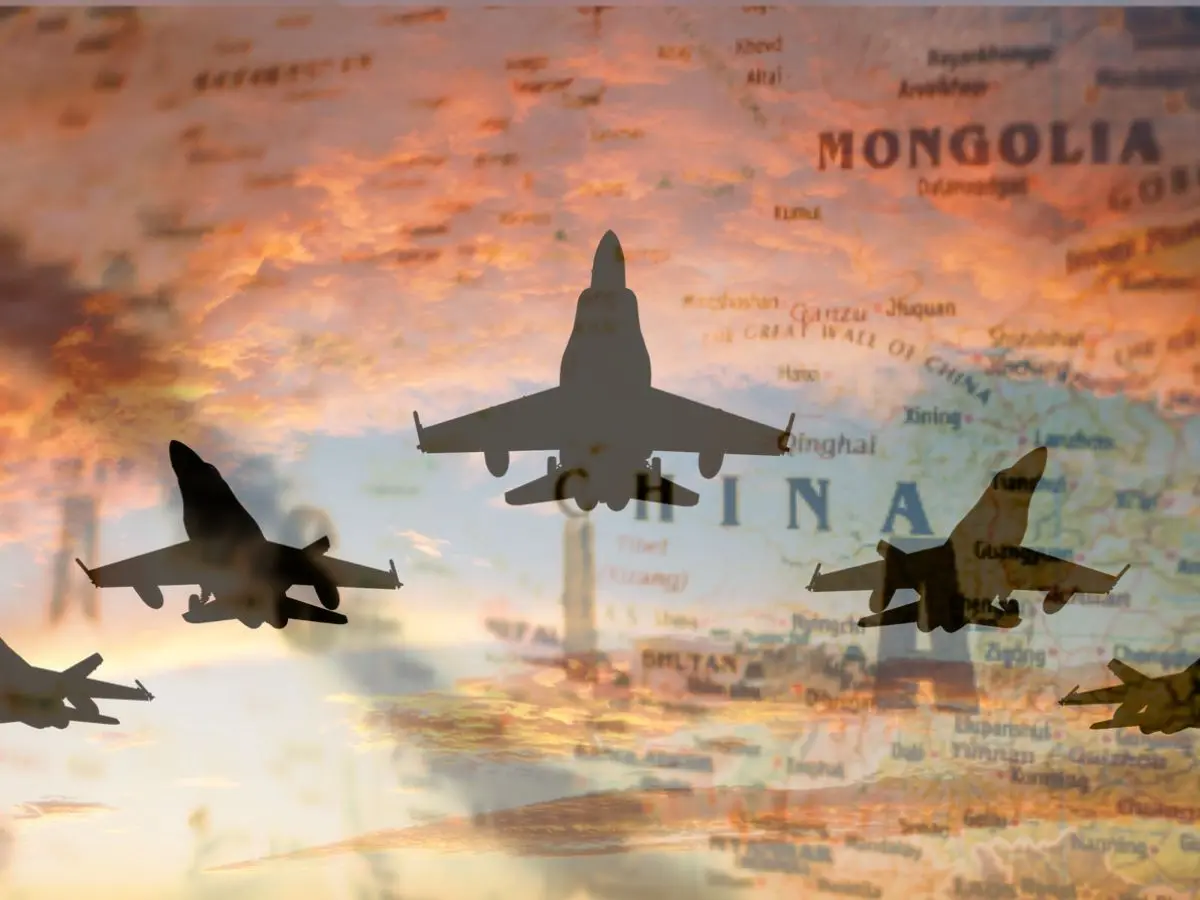
A string of recent accidents involving fighter jets across Asia has exposed systemic vulnerabilities in ageing fleets and strained maintenance regimes. The worst occurred on July 21, 2025, when a Bangladesh Air Force F‑7 BGI training jet crashed into the Milestone School campus in Dhaka. The tragedy killed at least 29 people, including the pilot and 25 children, and injured more than 100 others as the jet suffered mechanical failure shortly after take‑off. Other incidents include fatal crashes of Indian Air Force Jaguars in Rajasthan in July and earlier in Gujarat, highlighting the rising risk even in larger air forces.
China leads Asia with approximately 1,212 fighter and interceptor aircraft, being the second largest in the world behind the United States. India follows, fielding some 513 combat aircraft, while Pakistan operates close to 328 such jets. South Korea and Taiwan maintain 315 and 285 fighters respectively. India currently operates 31 combat squadrons, down from sanctioned strength of 42, equating to roughly 522 aircraft, just surpassing Pakistan’s estimated 450 jets. China boasts 66 squadrons, emphasising its numerical advantage.
The Legacy Aircraft Dilemma

Many fleets still rely on Cold‑War era jets. Bangladesh’s F‑7 BGI is the final Chinese export variant of the Soviet‑designed MiG‑21, delivered between 2011 and 2013. Despite upgrades, the F‑7 family has long been involved in accidents. Nations including Pakistan and Iran still operate F‑7s, some of which have crashed repeatedly over the years. India continues to operate a dwindling number of MiG‑21s, once criticised as 'flying coffins', though plans to retire the type were accelerated in 2023‑24, cutting the fleet from 127 to just 36 aircraft. Nevertheless, India has consistently emphasised its commitment to modernising the air force by inducting domestically produced fighter jets.
Maintenance and Training Shortfalls
Older aircraft are difficult to maintain, since they demand more frequent and rigorous maintenance. Structural fatigue, obsolete avionics and difficulties sourcing spare parts all heighten accident risk. Maintenance budgets in smaller air forces are often insufficient; training hours are cut, and flight simulators are in short supply. Pilot error in challenging environments, monsoon weather, mountainous terrain and dense urban areas, becomes more likely when training is limited.
Trending Stories
)
Emmys 2026: Matthew Rhys wins Best Actor twice, sets historic 78-year record
)
3 Italians fly from Delhi to Munich without immigration clearance; Air India gets notice on major security lapse
)
Did India risk its US trade deal despite softer stance at BRICS?
)
Pakistan puts Pak Rs 70 lakh bounty on UN terrorist Masood Azhar; move draws skepticism in Delhi
)
‘US ensuring global energy supplies’: Trump demands reimbursement for securing Strait of Hormuz
)
'Huge destructive power': North Korea calls its latest missile launches 'live-fire drill' even as US dismisses 'immediate threat'
)
‘Let’s go’: Newly declassified videos show dramatic rescue of US Air Force officers downed in Iran
)
Ukraine strikes Syzran Oil Refinery deep inside Russia, fires erupt
)
Emmy Awards 2026: Widow's Bay and The Pitt win in lead categories- check out the complete list of winners
&im=FitAndFill=(700,400))
Why European Meteor missiles use ramjet engines compared to standard US solid rockets
)
Iran, India agree to deepen humanitarian and political ties, President Pezeshkian says
)
‘Want to reset ties with India, have engagement based on mutual interests,’ says Bangladesh minister
&im=FitAndFill=(700,400))
Emmys 2026 Red Carpet: Zendaya, Nicole Kidman and Julia Garner lead the glamour peak
)
Turkish Airlines plane flies through a storm three times, triggering severe turbulence
&im=FitAndFill=(700,400))
Why Chinese PL-15 air-to-air missiles use dual-pulse motors compared to European interceptors
)
What is Hyrox, in news for athlete who soiled herself, but kept running and using common equipment?
)
Russia proposes to build 360 kmph Ivolga FG trains in India: What happened on sidelines of BRICS
)
800 million years old - Scientists discover 'fingerprints' of supercontinent Gondwana in ancient rocks
)
China discovers vast gold and silver 'mine' in the Pacific with unheard-of deposits
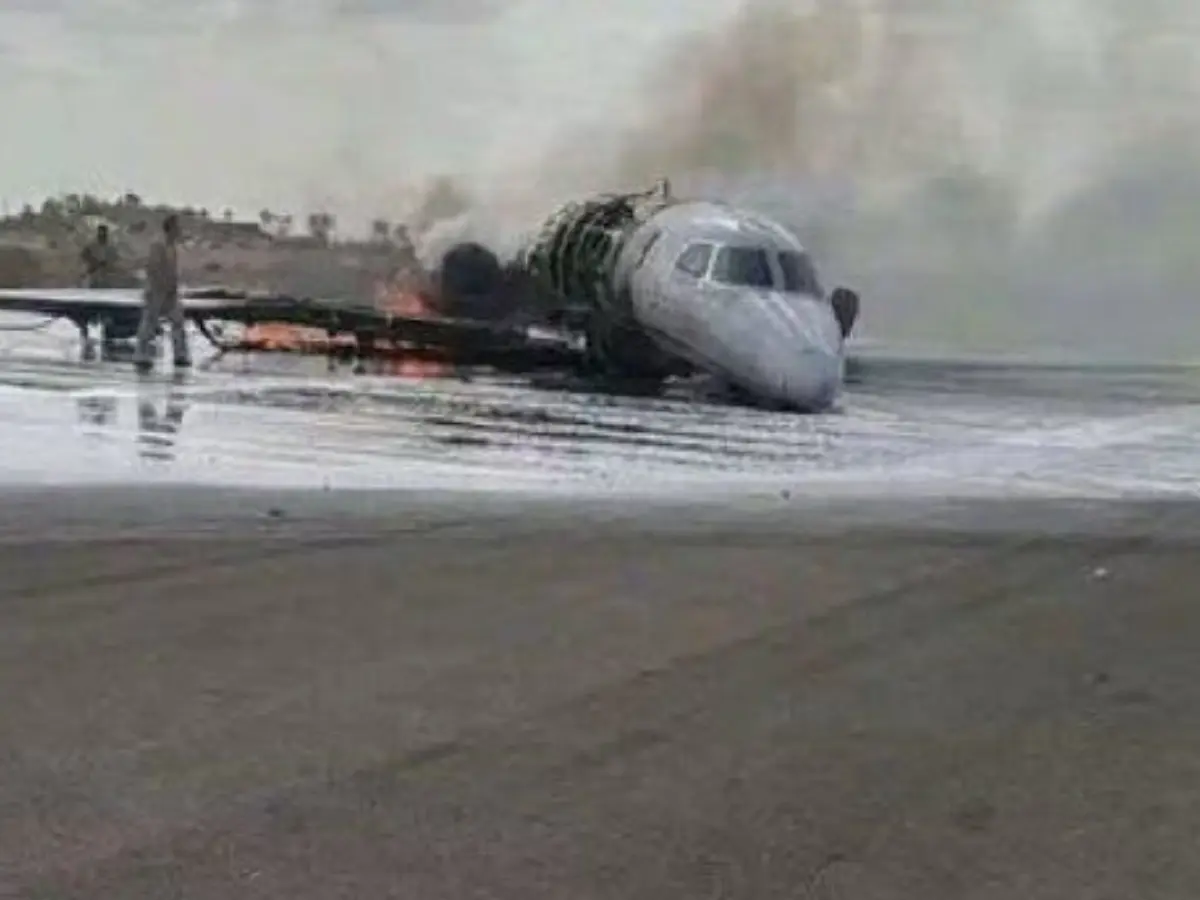)
Plane carrying prominent figure crashes at Libya’s Misrata airport: Report
&im=FitAndFill=(700,400))
New OTT releases this week (September 14-20, 2026): Lust Stories 3, Waiting Hai, Irumudi- 5 new titles coming on Netflix, Prime Video and more
)
Sent home midway from UK tour, Pakistan's Salman Agha hits 300* in domestic return
)
Who is Kalyan Bainsla, accused in the Gurugram hit-and-run case involving woman biker?
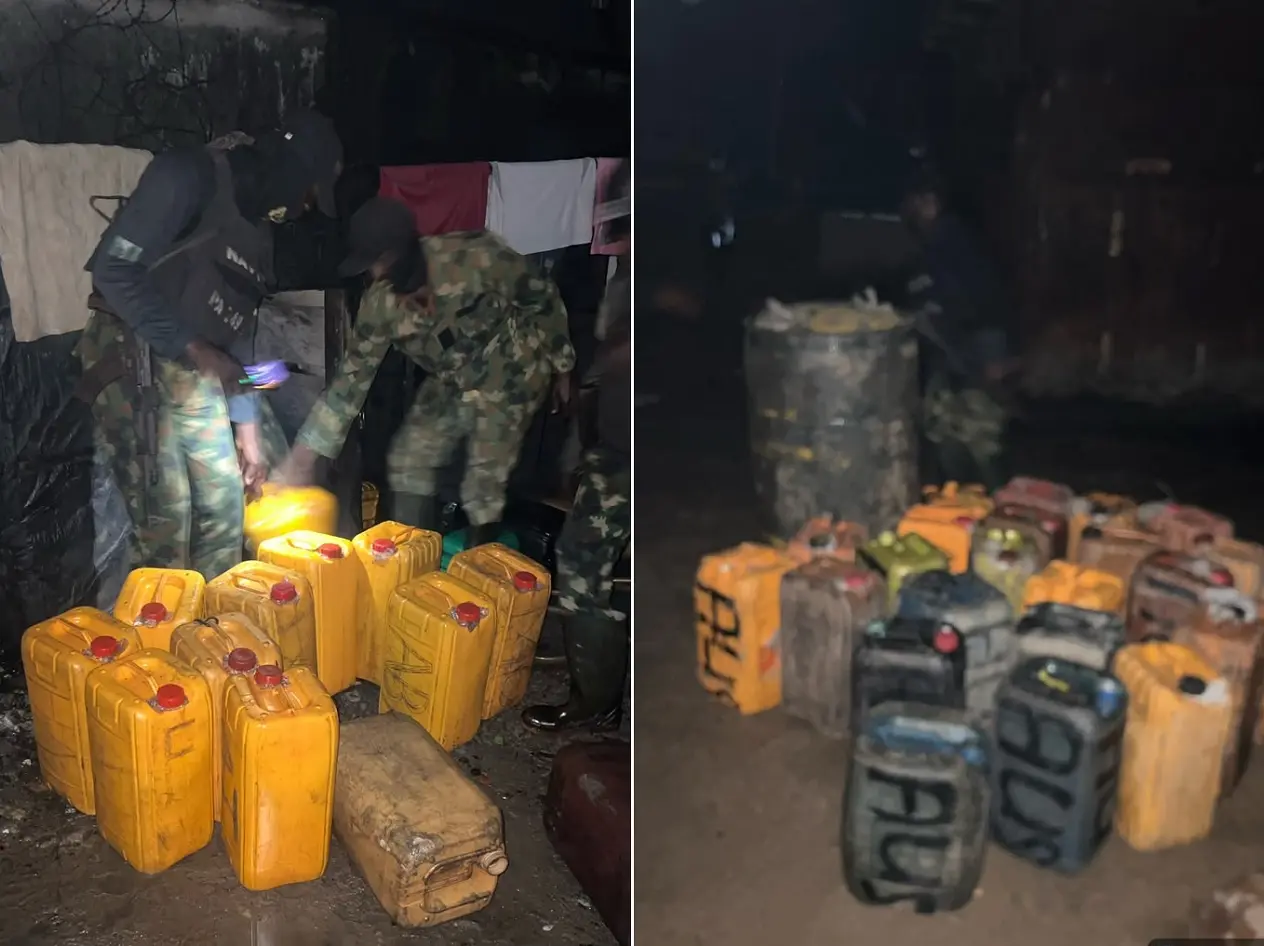)
Nigerian Navy seizes 10,000 litres of suspected illegal fuel in Rivers State crackdown
)
Saudi Arabia discovers 110 million tonnes of Uranium-rich ore in Madinah region
)
Dodgers beat Reds for playoff berth in bid for third consecutive World Series
)
Ecstasy tablets are rage in 'drug haven' Libya | Gravitas
)
'Now Trump is copying us': Shivakumar links US $5,000 plan to Congress guarantees
)
Video of Pakistani lawmaker struggling to read English tribute to Jinnah goes viral - WATCH
)
Trump downplays China's alleged 'help' to Iran in strike on Jordan base | Gravitas
)
Baba Vanga's first prophecy for 2027 is out, and straight out of science fiction
)
Trump loses Supreme Court battle over mail ballots ahead of US midterms: What happened?
)
BCCI VP Rajeev Shukla says Mohsin Naqvi 'did not object' India refusing trophy from ACC chief
)
Photographs, LeT labels vanish from two 2008 Mumbai attack entries in Pakistan’s most wanted list
)
Delhi govt to roll out ₹13,820 crore development projects under Seva Sankalp Abhiyan: CM Rekha Gupta
)
UK man admits drugging, raping wife for 20 years in shocking abuse case
)
Extreme warming in Indian Ocean added 695 billion tons of ice to Antarctica ice sheet
)
China thinned Himalayan troop presence in 2025, India defence report says; terms border situation 'stable'
Procurement Driven by Politics Over Safety
Procurement decisions are sometimes driven by diplomatic or offset agreements rather than operational suitability. Bangladesh’s reliance on Chinese-built F‑7 jets reflects longstanding ties, but those jets have faced repeated scrutiny over safety. Pakistan’s choice of the jointly developed JF‑17 with China promises affordability and modernisation, yet reliability questions remain. The failure to invest seriously in logistics or maintenance chains magnifies risk once jets enter service.
Recent Crashes Illustrate the Stakes
In March 2025, one of India’s Jaguars crashed during take‑off from Ambala; earlier in the year, separate incidents involved a Jaguar and an AN‑32 transport aircraft. The July crash in Rajasthan is the second fatal Jaguar accident in three months, raising alarm about ageing airframes and maintenance lapses. The Dhaka disaster remains perhaps the deadliest aviation incident in recent Bangladeshi history and has triggered student protests and calls for a halt to outdated aircraft use.
The Way Forward: Modernisation and Safety First
Replacement programmes, such as India’s adoption of Rafale and HAL Tejas, offer promise. China is deploying advanced platforms including J‑20 stealth fighters and J‑16 multirole aircraft. However, modern hardware alone will not suffice. Proper funding for ground crew, supply of spares, pilot training and investigative transparency are essential to reduce risk.
Asia may house some of the world’s largest air forces by numbers, but several nations remain vulnerable due to ageing fleets, inadequate maintenance and flawed procurement strategies. Crashes are not random accidents, they are symptoms of structural issues. Future air power credibility will rely not only on acquiring jets, but on sustaining them safely in the skies.