
&imwidth=800&imheight=600&format=webp&quality=medium "What is Chikungunya? China hit by worst outbreak in 20 years! Key symptoms and what you should know")
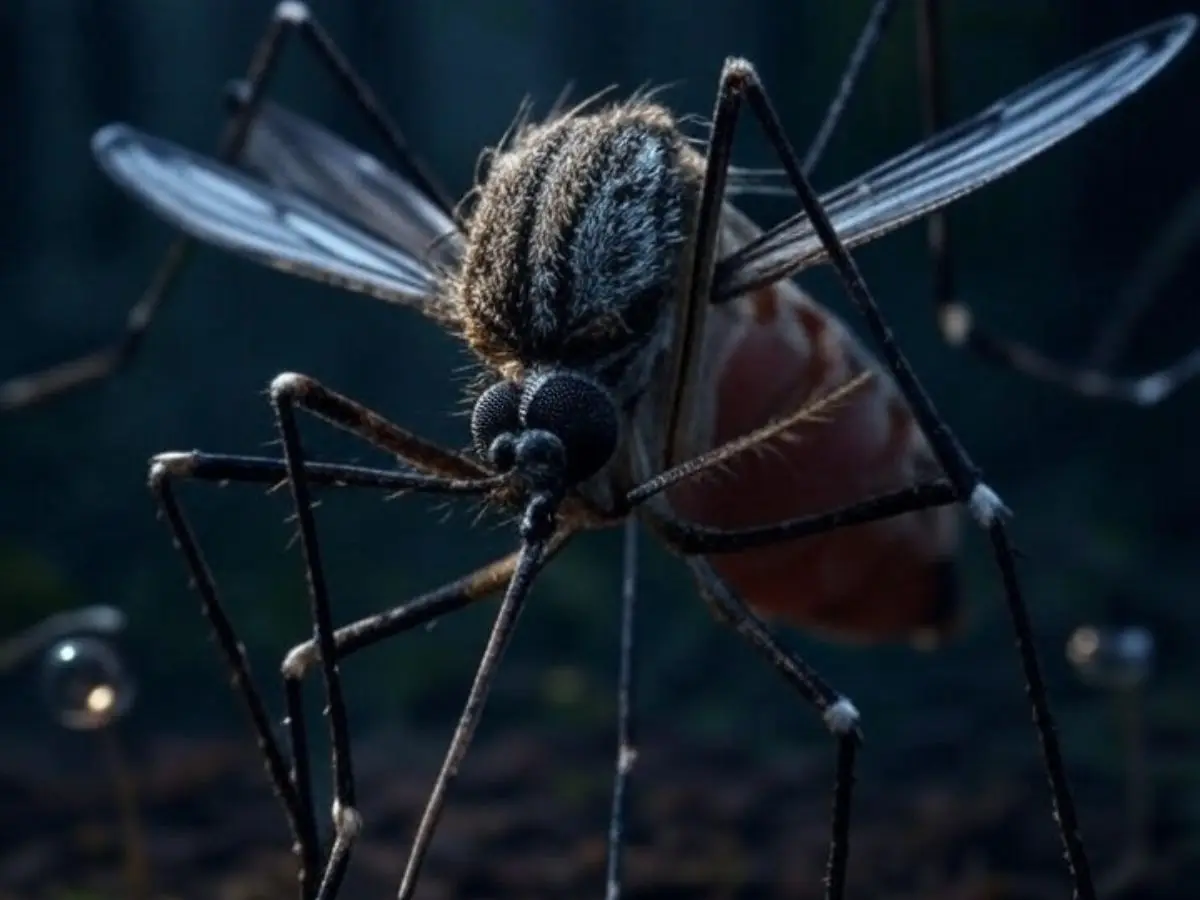
China is grappling with its worst chikungunya outbreak since the virus was first detected there nearly two decades ago. According to national broadcaster CCTV, over 3,100 cases have been reported in July alone, concentrated in Foshan city in the southern province of Guangdong. The region’s hot and humid climate creates ideal conditions for mosquito breeding, fuelling the rapid spread of the disease.
Chikungunya, first identified in Tanzania in 1952, is transmitted to humans through the bite of infected Aedes mosquitoes, the same genus that spreads dengue and Zika viruses. In response to the rising threat, local authorities in Guangdong have stepped up anti-mosquito measures, urging residents to remove stagnant water from flower pots, containers and drains to reduce breeding sites.
Symptoms and long-term impact

Chikungunya infection typically leads to high fever, severe joint pain, muscle aches, headaches and fatigue. While most patients recover within days, some may continue to suffer from joint pain and stiffness for months or even years, particularly older adults or those with underlying health conditions. The WHO notes that this prolonged discomfort can resemble arthritis and significantly affect daily life.
In China, the outbreak is part of a broader global trend. The European Centre for Disease Prevention and Control reported over 2,20,000 chikungunya cases and 80 deaths in 14 countries this year. Even France and Italy have documented locally acquired cases, underscoring the disease’s expanding reach amid climate change and increased international travel.
How Mumbai is responding amid rising risk
Trending Stories
)
Emmys 2026: Matthew Rhys wins Best Actor twice, sets historic 78-year record
)
3 Italians fly from Delhi to Munich without immigration clearance; Air India gets notice on major security lapse
)
Did India risk its US trade deal despite softer stance at BRICS?
)
Pakistan puts Pak Rs 70 lakh bounty on UN terrorist Masood Azhar; move draws skepticism in Delhi
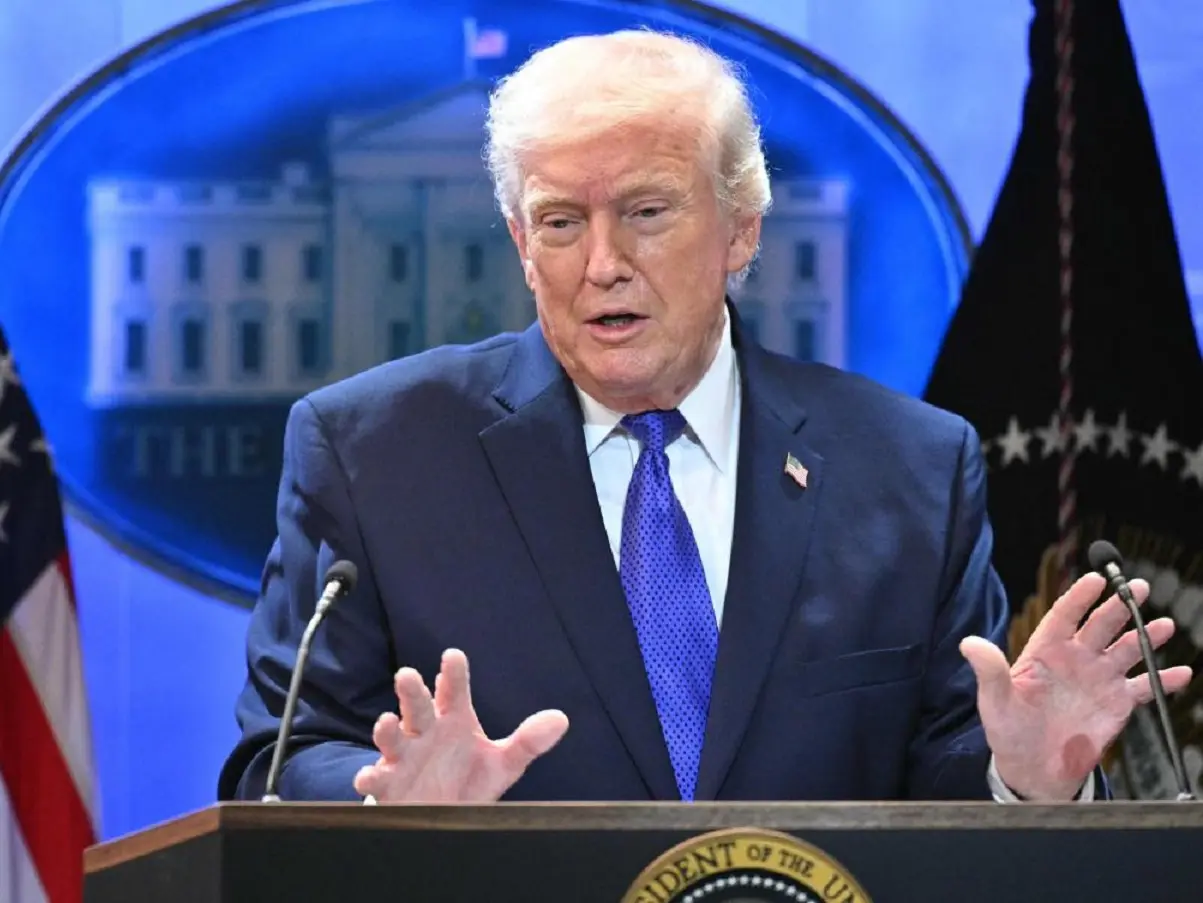)
‘US ensuring global energy supplies’: Trump demands reimbursement for securing Strait of Hormuz
)
'She married her brother': Ilhan Omar faces criminal probe over immigration fraud claims
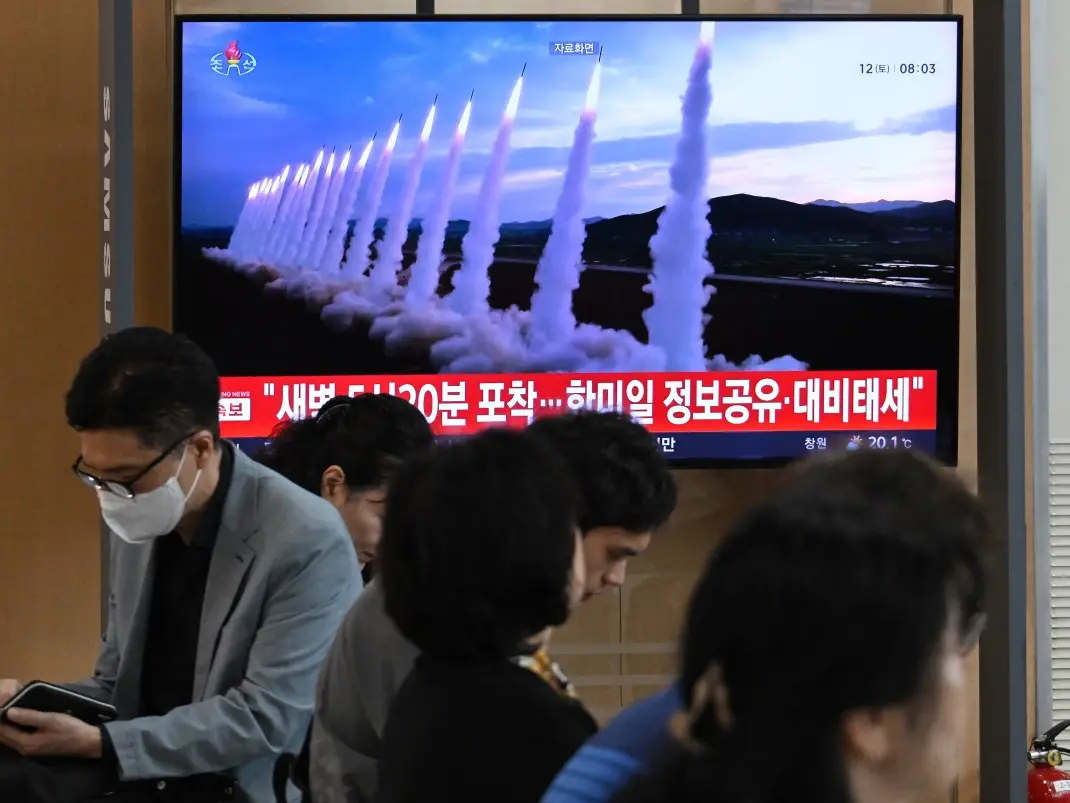)
'Huge destructive power': North Korea calls its latest missile launches 'live-fire drill' even as US dismisses 'immediate threat'
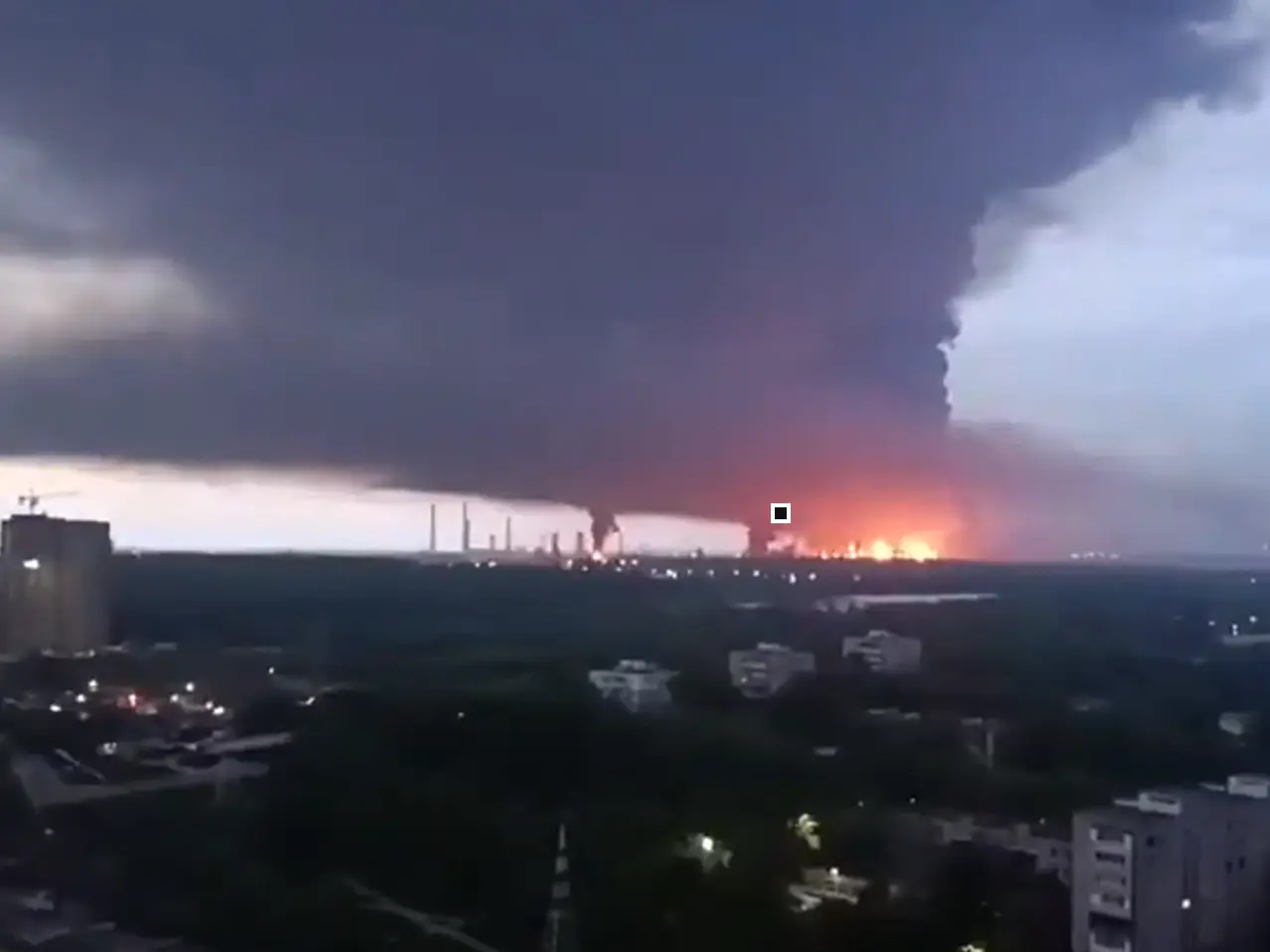)
Ukraine strikes Syzran Oil Refinery deep inside Russia, fires erupt
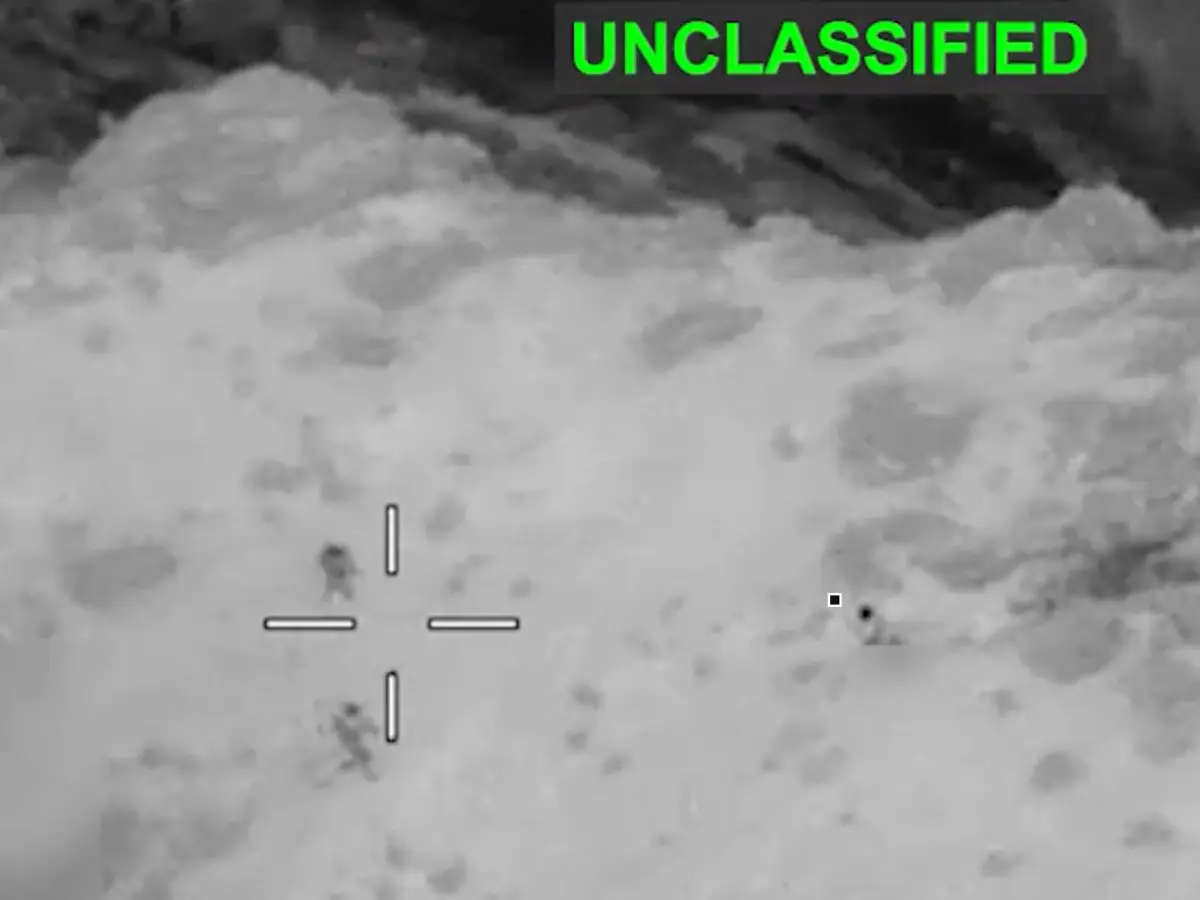)
‘Let’s go’: Newly declassified videos show dramatic rescue of US Air Force officers downed in Iran
)
Emmy Awards 2026: Widow's Bay and The Pitt win in lead categories- check out the complete list of winners
&im=FitAndFill=(700,400))
Why European Meteor missiles use ramjet engines compared to standard US solid rockets
)
Emmys 2026 In Memoriam: Catherine O’Hara honoured by on-screen children Macaulay Culkin, Annie Murphy, Dan Levy; Dolly Parton, Rob Reiner remembered
)
Iran, India agree to deepen humanitarian and political ties, President Pezeshkian says
)
‘Want to reset ties with India, have engagement based on mutual interests,’ says Bangladesh minister
&im=FitAndFill=(700,400))
Emmys 2026 Red Carpet: Zendaya, Nicole Kidman and Julia Garner lead the glamour peak
)
Turkish Airlines plane flies through a storm three times, triggering severe turbulence
&im=FitAndFill=(700,400))
Why Chinese PL-15 air-to-air missiles use dual-pulse motors compared to European interceptors
)
What is Hyrox, in news for athlete who soiled herself, but kept running and using common equipment?
)
Russia proposes to build 360 kmph Ivolga FG trains in India: What happened on sidelines of BRICS
)
800 million years old - Scientists discover 'fingerprints' of supercontinent Gondwana in ancient rocks
)
China discovers vast gold and silver 'mine' in the Pacific with unheard-of deposits
)
Plane carrying prominent figure crashes at Libya’s Misrata airport: Report
&im=FitAndFill=(700,400))
New OTT releases this week (September 14-20, 2026): Lust Stories 3, Waiting Hai, Irumudi- 5 new titles coming on Netflix, Prime Video and more
)
Sent home midway from UK tour, Pakistan's Salman Agha hits 300* in domestic return
)
Who is Kalyan Bainsla, accused in the Gurugram hit-and-run case involving woman biker?
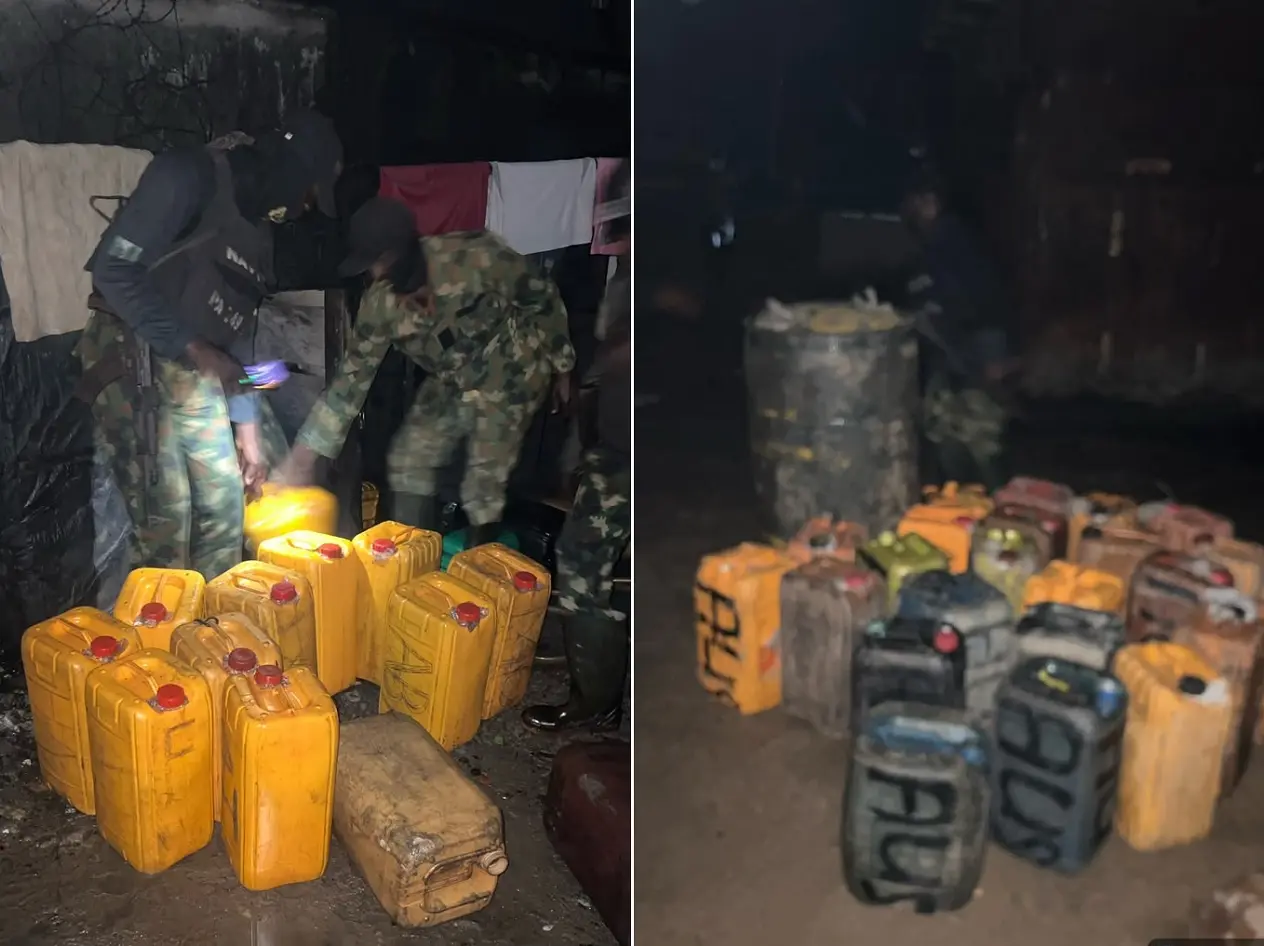)
Nigerian Navy seizes 10,000 litres of suspected illegal fuel in Rivers State crackdown
)
Saudi Arabia discovers 110 million tonnes of Uranium-rich ore in Madinah region
)
Dodgers beat Reds for playoff berth in bid for third consecutive World Series
)
Ecstasy tablets are rage in 'drug haven' Libya | Gravitas
)
'Now Trump is copying us': Shivakumar links US $5,000 plan to Congress guarantees
)
Video of Pakistani lawmaker struggling to read English tribute to Jinnah goes viral - WATCH
)
Trump downplays China's alleged 'help' to Iran in strike on Jordan base | Gravitas
)
Baba Vanga's first prophecy for 2027 is out, and straight out of science fiction
)
Trump loses Supreme Court battle over mail ballots ahead of US midterms: What happened?
)
BCCI VP Rajeev Shukla says Mohsin Naqvi 'did not object' India refusing trophy from ACC chief
)
Photographs, LeT labels vanish from two 2008 Mumbai attack entries in Pakistan’s most wanted list
)
Delhi govt to roll out ₹13,820 crore development projects under Seva Sankalp Abhiyan: CM Rekha Gupta
)
UK man admits drugging, raping wife for 20 years in shocking abuse case
)
Extreme warming in Indian Ocean added 695 billion tons of ice to Antarctica ice sheet
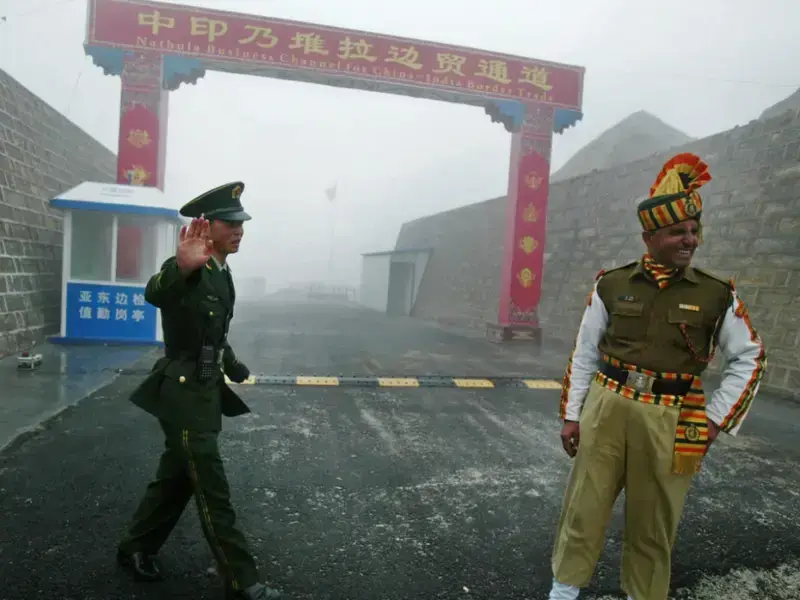)
China thinned Himalayan troop presence in 2025, India defence report says; terms border situation 'stable'
Closer to home, the Brihanmumbai Municipal Corporation (BMC) has intensified efforts to curb mosquito-borne diseases following early monsoon rains. Byculla and Parel have emerged as major hotspots, prompting insecticide squads to destroy thousands of breeding sites daily. Over the past year, the BMC has eliminated around 17,500 Anopheles (malaria-spreading) and 82,000 Aedes (dengue- and chikungunya-spreading) mosquito sites.
Ways to prevent it
Preventing chikungunya largely depends on reducing exposure to mosquito bites and eliminating breeding sites. Health experts recommend using mosquito repellents containing DEET, picaridin, or eucalyptus oil on exposed skin, especially during early morning and evening when mosquitoes are most active. Wearing long-sleeved shirts, trousers, and covered footwear can further limit bites. At home, installing mosquito screens on windows and doors helps keep mosquitoes out. Crucially, stagnant water in flower pots, buckets, coolers, and drains must be emptied regularly to prevent mosquito breeding. Community action combined with personal vigilance is key to controlling the spread of chikungunya and reducing the risk of outbreaks.
Despite rising malaria and chikungunya cases this year, dengue infections have declined compared to 2024. Health experts continue to stress prevention, from using mosquito repellents and protective clothing to removing stagnant water, as key to controlling outbreaks and avoiding long-term complications linked to chikungunya.

