Does North Korea’s Air Force use fake fighter jets during parades?

The practice of parading replica equipment is not unique to North Korea, but its apparent frequency and ambition have prompted questions about the true strength of the country's defence forces.
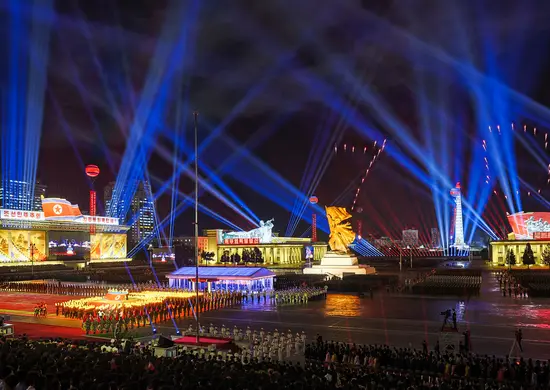
A Spectacle Beyond the Tarmac
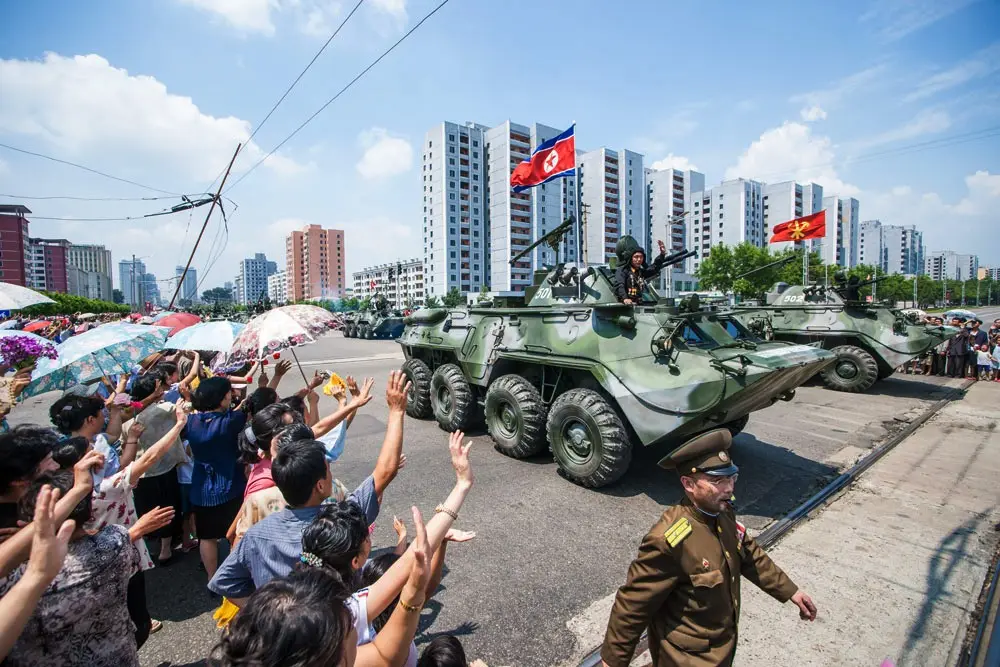
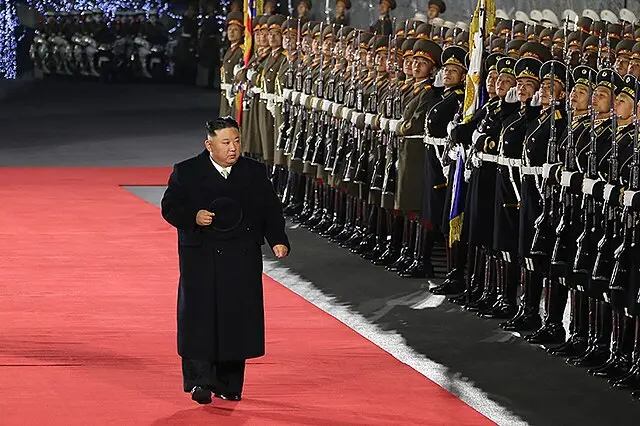
Military parades in Pyongyang have long captured global attention, showcasing an array of seemingly formidable jets, missiles and ground systems. Yet beneath the polished appearance, defence analysts suggest that some of these weapons may be little more than elaborate mock-ups. The practice of parading replica equipment is not unique to North Korea, but its apparent frequency and ambition have prompted questions about the true strength of the country's defence forces.
Foam, Plywood and Paint
Evidence gathered by independent defence experts, including The Aviationist and 38 North, indicates that several aircraft displayed during North Korean parades lack critical features typical of operational fighter jets. Observers have noted unusually smooth fuselages, missing access panels, absent sensors, sealed intakes and even non-transparent cockpit canopies. Such signs suggest these could be foam, plywood or lightweight composite mock-ups, rather than flight-ready fighters.
Missiles and Illusions
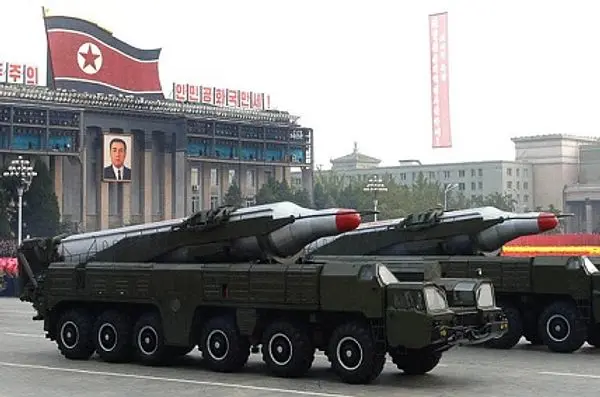
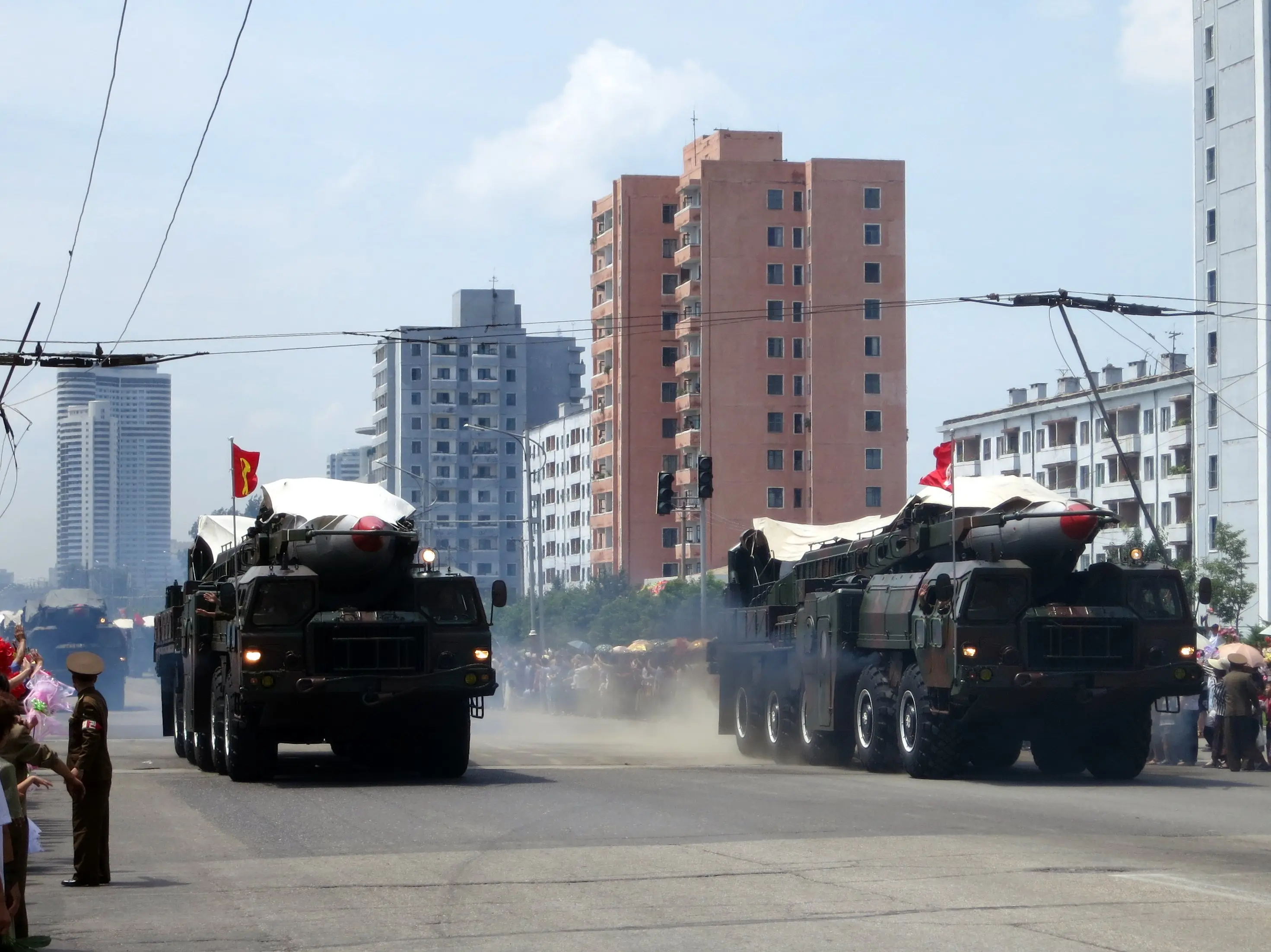
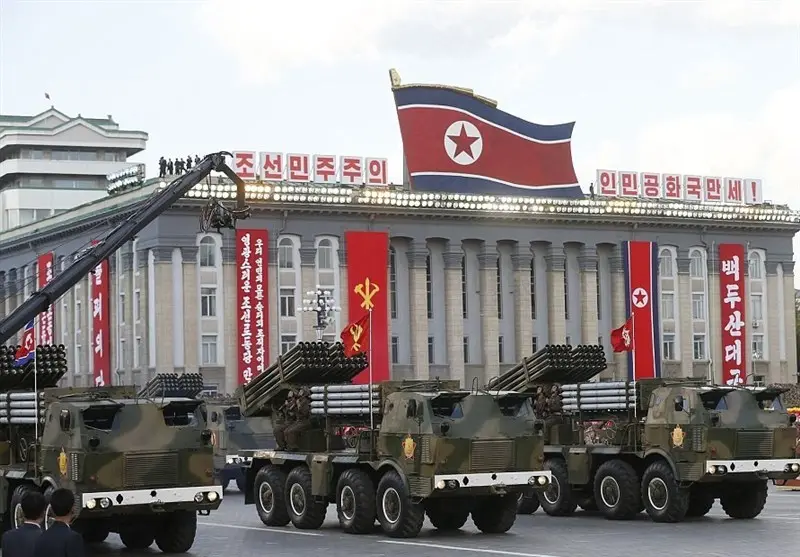
North Korea’s reliance on mock-ups extends beyond aircraft. Analysts have documented the appearance of suspected fake missiles, including intercontinental ballistic missiles (ICBMs) and medium-range systems. While these replicas are visually convincing from a distance or on camera, closer scrutiny reveals inconsistencies: mismatched welds, non-functioning steering fins and a lack of functional guidance systems. The intention appears to be projecting advanced capability that may not yet exist.
Strategic Messaging
From Pyongyang’s perspective, these displays serve a powerful purpose. Parades are designed to impress both domestic audiences and foreign observers, reinforcing a narrative of technological progress and military strength. Presenting mock-ups reduces costs and avoids operational risk, while still deterring adversaries and bolstering internal propaganda. As such, fake equipment becomes part of a broader psychological strategy rather than purely a logistical deception.
Analytical Caution
Western intelligence and independent analysts approach these spectacles with caution. While the presence of mock-ups may inflate perceptions of North Korean capability, it does not mean the country lacks real hardware altogether. The air force operates genuine aircraft, though many are outdated Soviet models from the Cold War era. Analysts emphasise the importance of distinguishing between symbolic displays and verified operational assets when assessing Pyongyang’s true military strength.
Between Symbolism and Reality
In summary, while North Korea’s parades often feature impressive arrays of fighter jets, missiles and other equipment, mounting evidence suggests that some showcased hardware is indeed fake. These replicas reflect a calculated attempt to shape perception and strategic calculations, both at home and abroad. For observers, the challenge remains separating spectacle from substance, a reminder that in military affairs, appearance does not always equate to capability.
)
)
)
)
)