

&imwidth=800&imheight=600&format=webp&quality=medium "FACT CHECK: Trump made EXPLOSIVE CLAIM on Pakistan conducting nuclear tests. What are treaties, accountability and monitoring systems?")
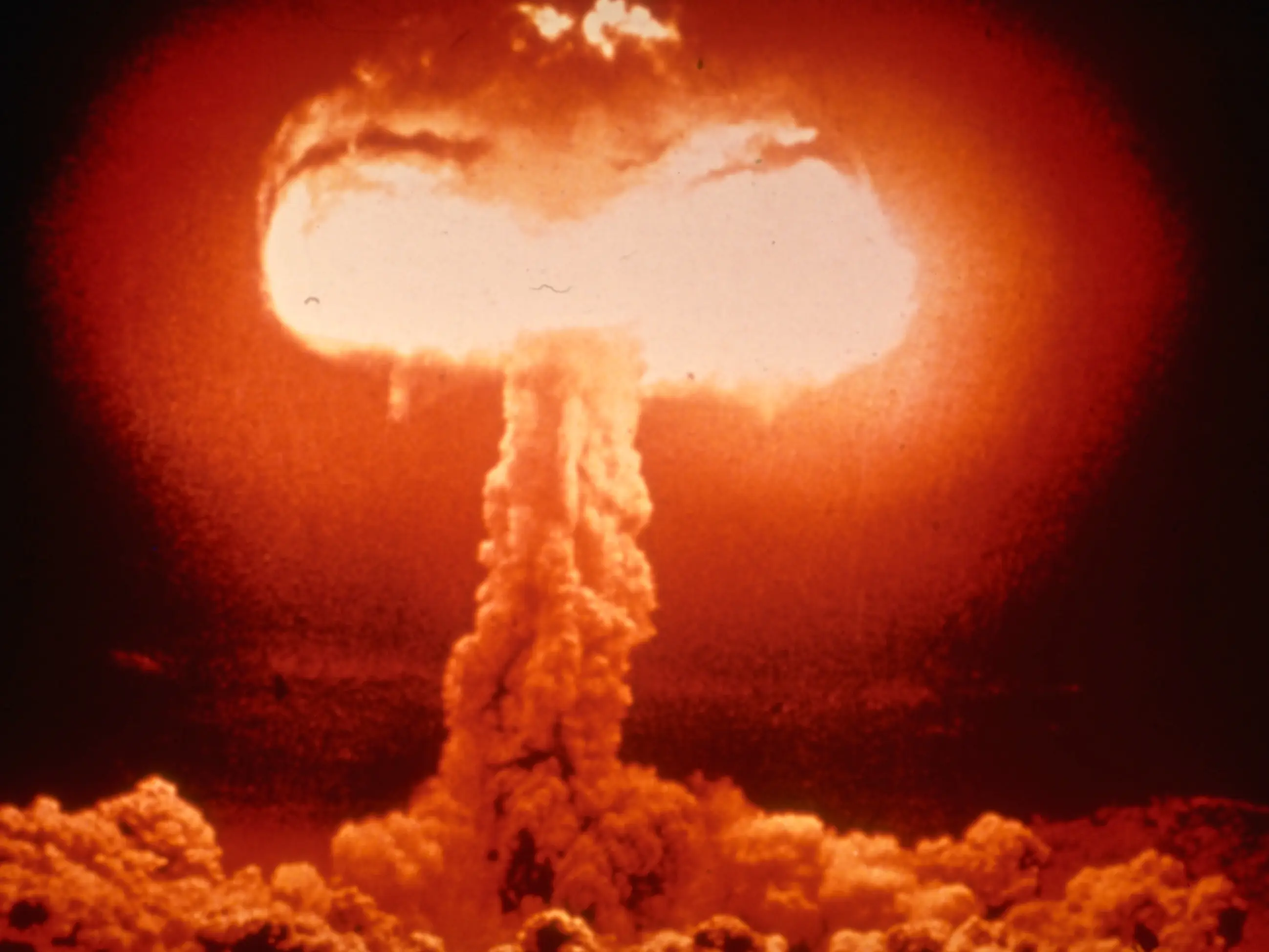
US President Donald Trump has claimed that Pakistan has been conducting nuclear tests, besides Russia, China and North Korea. Speaking in a CBS interview, Trump suggested that these nations are expanding their nuclear capabilities through testing. His remarks implied a potential escalation in global nuclear tensions, sparking questions about their accuracy, and making many wonder what mechanisms are in place to monitor nuclear activities.
Is Pakistan actually conducting nuclear tests?
As per historical records, Pakistan conducted two nuclear tests in May 1998, following India’s three nuclear tests earlier in the same month. Since then, there has been no verified proof of Pakistan conducting nuclear explosions. But speculation has arisen over the years based on seismic events and unusual lenticular clouds.
Accountability and verification of nuclear tests
The United Nations' International Atomic Energy Agency (IAEA) oversees nuclear material safeguards but does not directly regulate nuclear tests. Neither Pakistan nor India is a signatory to the Comprehensive Test Ban Treaty (CTBT), which prohibits all nuclear explosions and establishes international monitoring systems. This means Pakistan is not formally constrained by CTBT's provisions. Potential nuclear tests are verified through seismic, satellite, and radionuclide monitoring. This is coordinated by agencies such as the Preparatory Commission for the Comprehensive Test Ban Treaty Organization (CTBTO).
Trending Stories
&imwidth=180&imheight=135&format=webp&quality=medium)
Viral video shows cross falling on Colombia priest, no official confirmation | WATCH
&imwidth=180&imheight=135&format=webp&quality=medium)
Rafale Marine fighter begins flight trials in Goa ahead of Indian Navy induction
&imwidth=180&imheight=135&format=webp&quality=medium)
Ranbir Kapoor apologises for Dussehra speech slip, clarifies remark at Ramayana event
&imwidth=180&imheight=135&format=webp&quality=medium)
Meta slapped with $25 billion fine in New Mexico over Facebook data practices, company plans appeal
&imwidth=180&imheight=135&format=webp&quality=medium)
WATCH: Woman IPS officer fires several rounds of AK-47, ignites debate online
&imwidth=180&imheight=135&format=webp&quality=medium)
EU probes Booking.com under Digital Services Act
&imwidth=180&imheight=135&format=webp&quality=medium)
Pakistan signs another defence pact even as Makkah Alliance shows no teeth. This time, it's with Qatar, Indonesia, Turkey
&imwidth=180&imheight=135&format=webp&quality=medium)
Ilhan Omar breaks silence over alleged marriage to her brother; Trump thinks it's 'really good answer'
&imwidth=180&imheight=135&format=webp&quality=medium)
US-Iran war: Bibi, Trump gamble on new Iran war to save themselves in polls
&imwidth=180&imheight=135&format=webp&quality=medium)
From Agni-V to Project Kusha: How are India’s indigenous missile systems and defence shield reshaping modern warfare
&imwidth=180&imheight=135&format=webp&quality=medium)
Will Rohit and Kohli play ODI World Cup 2027? BCCI president Manhas says board 'not in a position to comment'
&imwidth=180&imheight=135&format=webp&quality=medium)
Why websites around the world are suddenly going offline? What you need to know about PHP
&imwidth=180&imheight=135&format=webp&quality=medium)
US midterms 2026: What polls and prediction markets indicate about Congress
&imwidth=180&imheight=135&format=webp&quality=medium)
'You are a dummy, you are a stupid person': Trump loses temper with CNN, ABC reporters after questions about Russia sanctions
&imwidth=180&imheight=135&format=webp&quality=medium)
China's dancing robot turns violent bodyguard, lifts cars and fights intruders - Watch
&imwidth=180&imheight=135&format=webp&quality=medium)
16-foot doomsday fish in Chile triggers fears that the next earthquake is coming
&imwidth=180&imheight=135&format=webp&quality=medium)
US to get 850 F-35 stealth fighter jets under 10-year Pentagon-Lockheed deal
&imwidth=180&imheight=135&format=webp&quality=medium)
Are the US and Israel preparing for another major attack on Iran? Here's what report claims
&imwidth=180&imheight=135&format=webp&quality=medium)
Priyanka Chopra celebrates Dussehra 2026 with Nick Jonas and daughter Malti Marie | See pics
&im=FitAndFill=(700,400)&imwidth=180&imheight=135&format=webp&quality=medium)
New OTT releases this week (October 19-25, 2026): Gajab Raat to Chaar Yaar-8 titles to watch during Dussehra week on Netflix, Prime Video and more
&imwidth=180&imheight=135&format=webp&quality=medium)
‘I caution the president...’: Trump’s ex-press secretary warns after Zacharia’s exit
&imwidth=180&imheight=135&format=webp&quality=medium)
'Father of all bombs' vs 'mother of all bombs': Iran threatens US with new weapon as Trump hints at MOAB strike
&imwidth=180&imheight=135&format=webp&quality=medium)
Diljit Dosanjh's Oct 30 Delhi show hits roadblock, Delhi Police denies permission
&imwidth=180&imheight=135&format=webp&quality=medium)
Australia police arrest former national 100m champ Jake Doran for alleged child abuse
&imwidth=180&imheight=135&format=webp&quality=medium)
'Gyanu must go': CJP's Saurav Das, Ashutosh Ranka after release, despite Jantar Mantar protest undertaking
&imwidth=180&imheight=135&format=webp&quality=medium)
Kolkata airport: CISF detects ₹1.13 crore in US dollars hidden in bags of 2 Bangkok-bound passengers
&imwidth=180&imheight=135&format=webp&quality=medium)
Feds obtain DNA evidence that could prove Ilhan Omar married her brother: Report
&imwidth=180&imheight=135&format=webp&quality=medium)
US midterms 2026: Trump's approval rating hits record low as Democrats gain ground
Distinction between test types
It is important to distinguish between actual nuclear explosive tests and tests of delivery systems like missiles, submarines and aircraft capable of carrying nukes. Russia has focused on testing deliverable systems, without conducting full nuclear detonations.
Historical nuclear tests by country
The US remains the country with largest number of tests, totalling 1,030. The former Soviet Union carried out 715 tests, while China has conducted 45. Britain conducted 45, France 210, and North Korea six. The combined total of nuclear tests worldwide stands at 2,056.
Out of these, 528 were conducted in the atmosphere, mostly before the 1963 Limited Test Ban Treaty. There have been 1,528 underground tests.
Can Pakistan conduct tests secretly?
Conducting a nuclear test is hard work, not to mention the secrecy. Extensive preparation, instrumentation and strict safety protocols are required. IAEA and CTBT have guidelines on such nuclear activities. This involves selecting a geologically stable and isolated test site, environmental monitoring and prevention of radioactive contamination. CTBT signatories are also required to report the test for international verification. Being a non-signatory of the CTBT, Pakistan is not legally bound to report nuclear tests, but a real test could be identified using the technologies mentioned above.
Also read: ‘They test underground where no one knows’: Trump accuses Russia, China of secret nuclear testing
How are nuclear tests monitored and reported?
The 1963 Limited Test Ban Treaty banned atmospheric nuclear tests, while the CTBT of 1996 bans all nuclear explosions and established a global monitoring network. Note that the CTBT has not yet entered into force due to pending ratifications. Meanwhile, the IAEA, which monitors nuclear material, can detect potential nuclear explosions.

