‘Khabarovsk’: Russia’s new nuclear submarine that can launch doomsday torpedoes

The Russian Defence Ministry’s website stated that the new submarine, equipped with advanced underwater weapons and robotic systems, would ensure the protection of Russia’s maritime borders and safeguard national interests across the world’s oceans.
Introduction
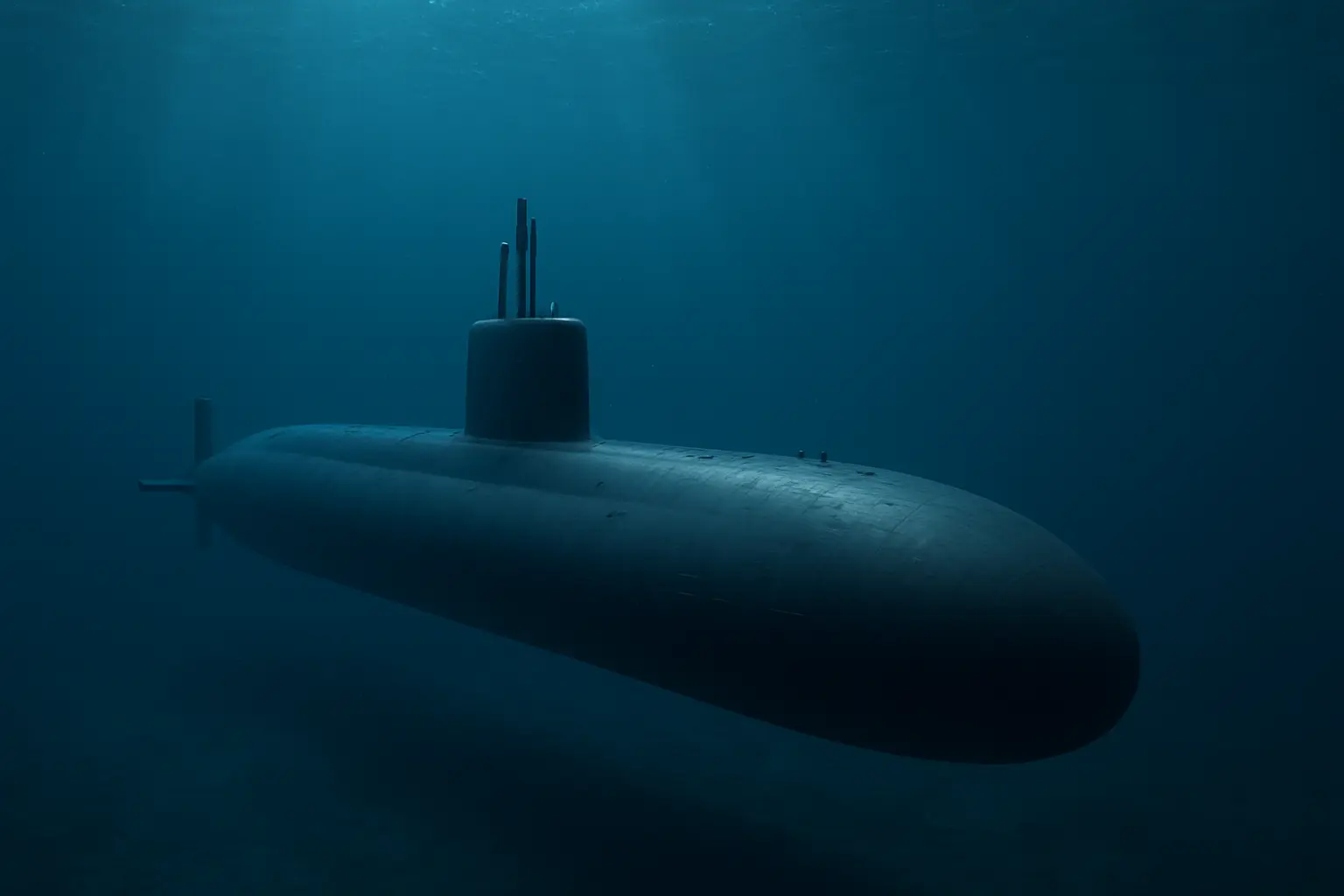
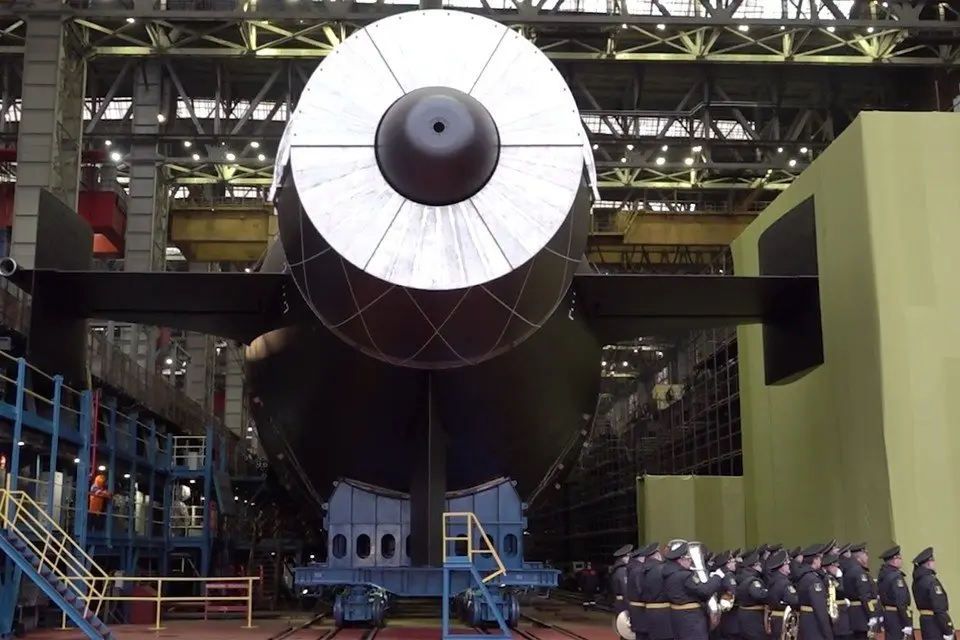
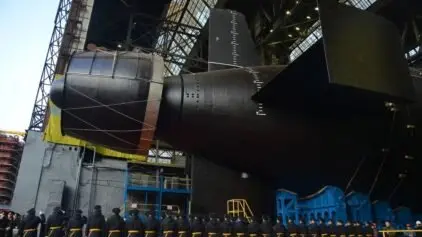
Russia has launched its newest nuclear-powered submarine, Khabarovsk, a vessel that marks a significant evolution in undersea warfare. Unveiled by Defence Minister Andrei Belousov at the Sevmash shipyard in Severodvinsk, the submarine is designed to carry the Poseidon nuclear-powered underwater drone, widely known as the'Doomsday Weapon.' According to reports, Khabarovsk represents a new class of strategic deterrent designed to operate autonomously beneath the world’s oceans.
A Landmark Launch in Severodvinsk
The launch ceremony took place at Sevmash shipyards, Russia’s primary nuclear submarine builder, in the presence of Russian Naval Chief Admiral Alexander Moiseyev and senior officials from the shipbuilding industry. The event highlighted the importance Moscow places on modernising its underwater fleet amid global military tensions. The Russian Defence Ministry’s website stated that the new submarine, equipped with advanced underwater weapons and robotic systems, would ensure the protection of Russia’s maritime borders and safeguard national interests across the world’s oceans.
Designed by Rubin: The Engineering Powerhouse
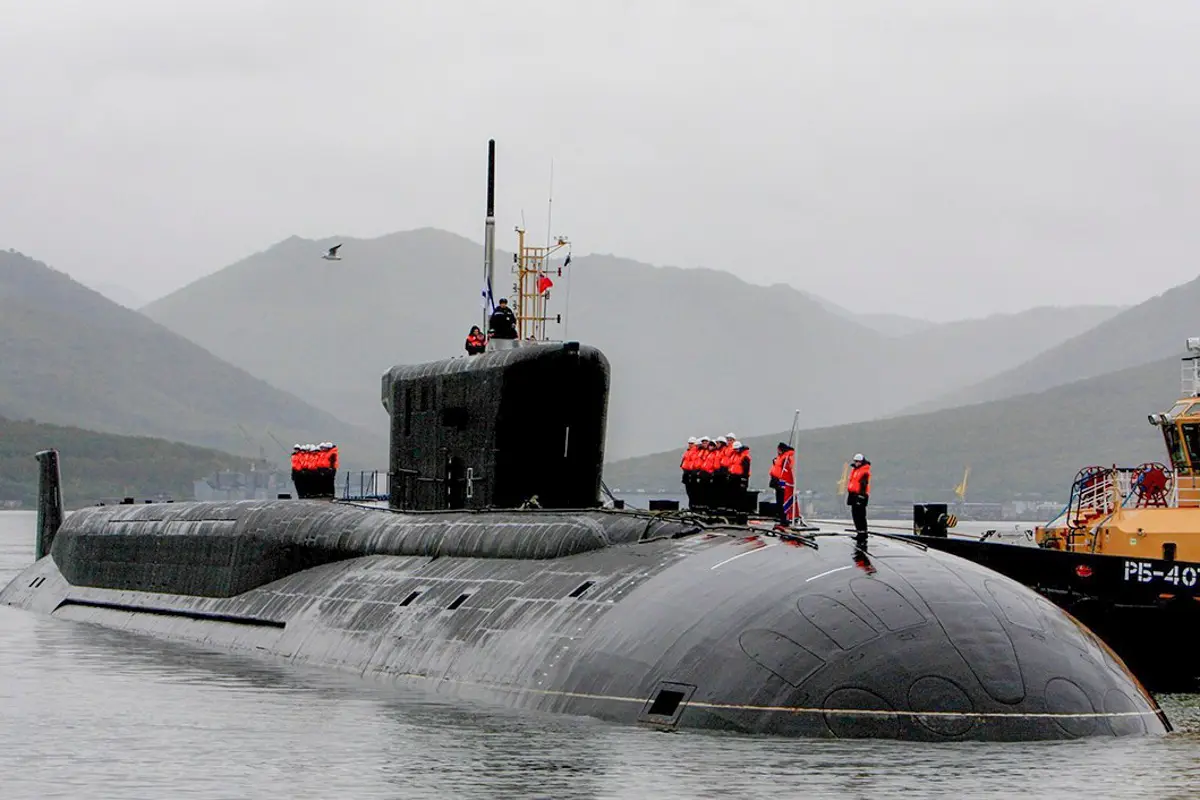
Khabarovsk was designed by the Rubin Central Design Bureau of Marine Engineering, Russia’s leading submarine design organisation. According to the Russian Ministry of Defence, the vessel is intended to execute a variety of naval missions using next-generation underwater weapons and autonomous systems. Rubin previously oversaw construction of major nuclear platforms, including the Borei-class strategic submarines, making Khabarovsk the latest in a lineage of deep-sea engineering advancements.
The Poseidon Connection
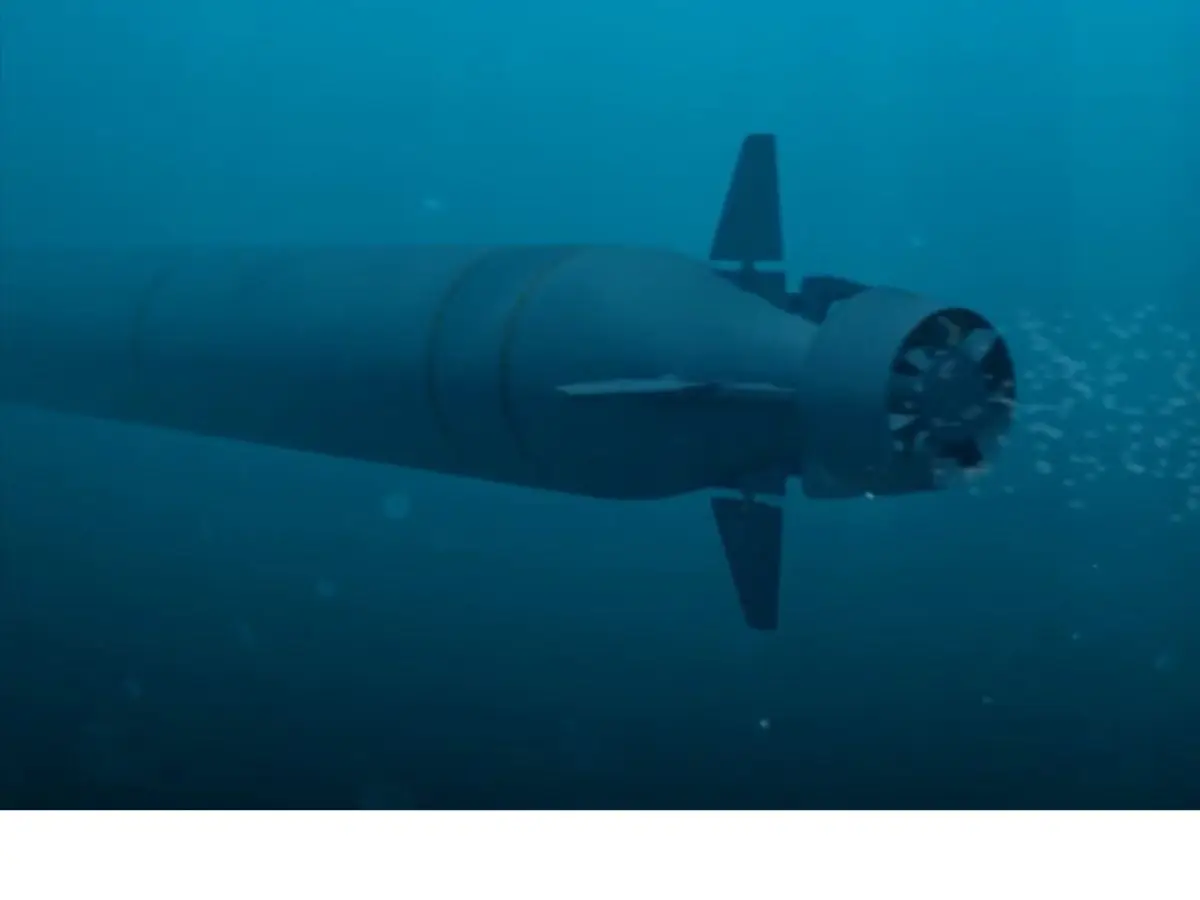
At the heart of Khabarovsk’s design lies its most formidable feature: its ability to carry and deploy the Poseidon nuclear-powered underwater drone. Described by President Vladimir Putin as a revolutionary deterrent, the Poseidon is a nuclear-powered, nuclear-armed underwater vehicle capable of travelling thousands of kilometres autonomously. With a miniature nuclear reactor reportedly 100 times smaller than standard submarine reactors, Poseidon can operate at extreme depths and speeds while remaining largely undetectable.
The ‘Doomsday’ Capability
The Poseidon drone, sometimes referred to by Western analysts as a 'Doomsday Missile,' is designed to strike coastal cities or carrier groups with devastating effect. Russian Security Council Deputy Chairman Dmitry Medvedev has described the system as capable of 'wiping out coastal nations.' Reports in Russian and international media suggest that recent successful tests of Poseidon preceded the launch of Khabarovsk, further underlining its operational readiness.
Strategic Role and Mission
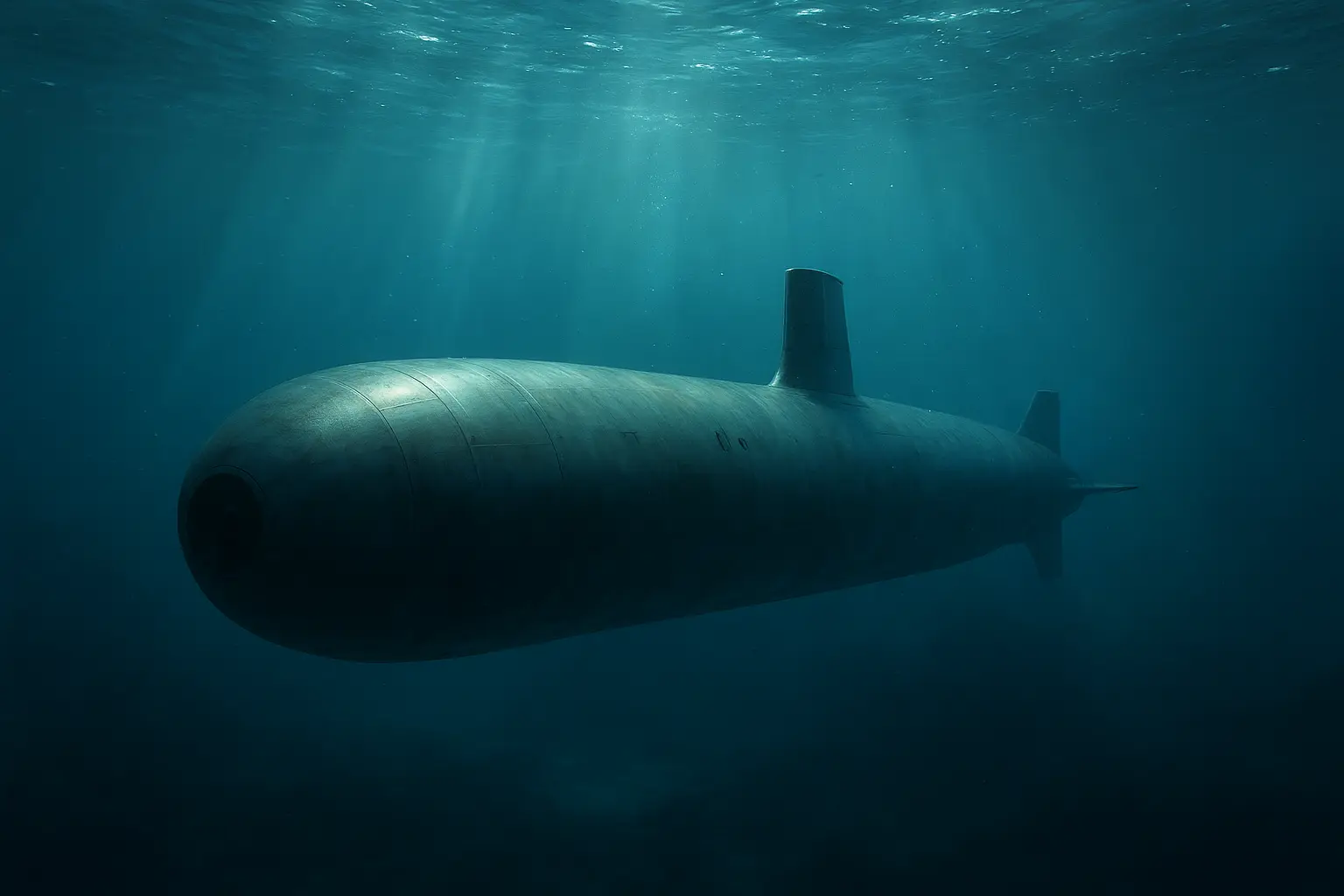
Unlike traditional ballistic-missile submarines, Khabarovsk serves a distinct role as a carrier for unmanned underwater weapons and robotic systems. The submarine’s mission, as outlined by the Russian Defence Ministry, is to strengthen maritime security, expand Russia’s undersea strategic deterrence, and enhance its presence in key regions including the Arctic and the Pacific. Its estimated displacement is around 10,000 tonnes, with a length of approximately 113 metres, powered by a nuclear reactor allowing months-long endurance at sea.
A New Chapter in Undersea Deterrence
Following its launch, Khabarovsk will undergo extensive sea trials before entering operational service. "The vessel still has to undergo a series of sea trials. I wish the crew and the commissioning team success in conducting them," Russian Defense Minister Andrei Belousov was quoted as saying by the ministry. While many of its specifications remain classified, defence analysts view it as a pivotal development in Russia’s naval doctrine, shifting focus from missile-based deterrence to autonomous underwater systems.
)
)
)
)
)