EXPLAINER: 5 problems Iran war could solve for Israel’s Netanyahu

&imwidth=600&imheight=450&format=webp&quality=medium "EXPLAINER: 5 problems Iran war could solve for Israel’s Netanyahu")
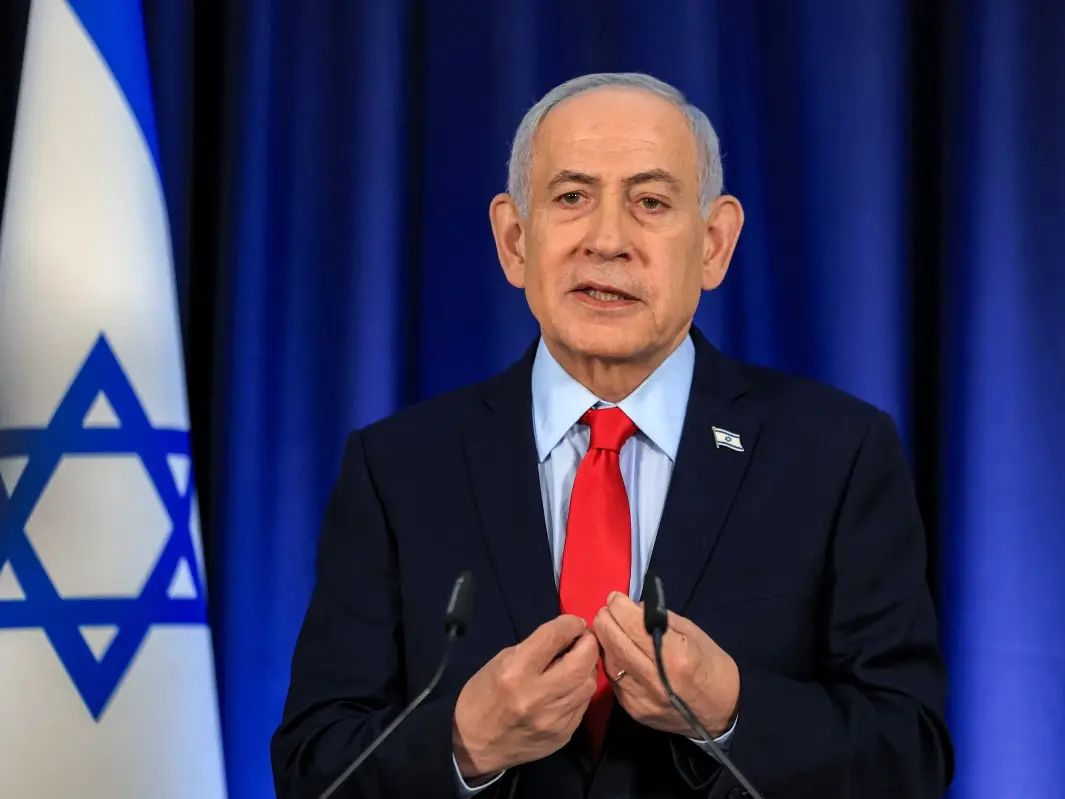
Israeli Prime Minister Benjamin Netanyahu speaks during a press conference in Jerusalem on March 19, 2026. Photograph: (AFP)
Iran-Israel escalation may help Benjamin Netanyahu shift focus from domestic criticism, strengthen leadership image, delay political challenges, unify alliances, and reinforce his long-standing security narrative despite serious risks.
The latest escalation between Israel and Iran, marked by fresh missile barrages and intensified air defence activity, has significantly raised regional tensions. According to a recent report, multiple waves of Iranian missiles targeted central Israeli regions, triggering high-alert responses and causing injuries and damage on the ground.
While the immediate focus remains on security and civilian safety, analysts suggest that such a conflict could also reshape the domestic political landscape for Israeli Prime Minister Benjamin Netanyahu. Here’s a breakdown of five key problems the war could potentially help him address:
1. Shifting focus away from domestic criticism
Before the escalation, Netanyahu faced sustained criticism over internal governance issues, including judicial reforms and political divisions. A major external threat often unites the public, shifting attention from internal disputes to national security. The ongoing missile attacks, such as those reported in cities like Holon and near strategic areas like Dimona, have already pushed security concerns to the forefront, reducing space for political opposition.
2. Strengthening leadership image
Trending Stories
&im=FitAndFill=(700,400)&imwidth=280&imheight=210&format=webp&quality=medium)
&imwidth=280&imheight=210&format=webp&quality=medium)
&imwidth=280&imheight=210&format=webp&quality=medium)
&imwidth=280&imheight=210&format=webp&quality=medium)
&imwidth=280&imheight=210&format=webp&quality=medium)
&imwidth=280&imheight=210&format=webp&quality=medium)
&imwidth=280&imheight=210&format=webp&quality=medium)
&imwidth=280&imheight=210&format=webp&quality=medium)
&imwidth=280&imheight=210&format=webp&quality=medium)
&imwidth=280&imheight=210&format=webp&quality=medium)
&imwidth=280&imheight=210&format=webp&quality=medium)
&imwidth=280&imheight=210&format=webp&quality=medium)
&imwidth=280&imheight=210&format=webp&quality=medium)
&imwidth=280&imheight=210&format=webp&quality=medium)
&imwidth=280&imheight=210&format=webp&quality=medium)
&imwidth=280&imheight=210&format=webp&quality=medium)
&imwidth=280&imheight=210&format=webp&quality=medium)
&imwidth=280&imheight=210&format=webp&quality=medium)
&imwidth=280&imheight=210&format=webp&quality=medium)
&imwidth=280&imheight=210&format=webp&quality=medium)
&imwidth=280&imheight=210&format=webp&quality=medium)
&im=FitAndFill=(700,400)&imwidth=280&imheight=210&format=webp&quality=medium)
&imwidth=280&imheight=210&format=webp&quality=medium)
&imwidth=280&imheight=210&format=webp&quality=medium)
&imwidth=280&imheight=210&format=webp&quality=medium)
&imwidth=280&imheight=210&format=webp&quality=medium)
&imwidth=280&imheight=210&format=webp&quality=medium)
&imwidth=280&imheight=210&format=webp&quality=medium)
&im=FitAndFill=(700,400)&imwidth=280&imheight=210&format=webp&quality=medium)
&imwidth=280&imheight=210&format=webp&quality=medium)
&imwidth=280&imheight=210&format=webp&quality=medium)
&imwidth=280&imheight=210&format=webp&quality=medium)
In times of war, leadership is judged on crisis management. Israel’s rapid response - activating air defence systems and deploying rescue crews - projects decisiveness. As the Israeli military intercepts incoming threats and manages civilian safety, Netanyahu can reinforce his image as a strong and experienced wartime leader, which is politically advantageous.
3. Delaying political challenges
Escalating conflict can delay elections, protests, or legal proceedings. Netanyahu has been under pressure from political rivals and legal scrutiny. A prolonged confrontation with Iran could effectively pause these challenges, as national emergency priorities override routine political processes.
4. Consolidating political alliances
War situations often force coalition partners and opposition figures to rally behind the government. National unity becomes a priority, reducing fragmentation in Israel’s often complex political system. The scale of the current attacks, with reports of around 150 injured individuals arriving at Soroka Medical Centre, underscores the urgency, making unity more likely.
5. Reinforcing security narrative
Netanyahu has long positioned himself as a leader focused on national security and countering Iran’s regional influence. Direct conflict with Iran reinforces this narrative. The missile barrages and Israel’s defensive response validate longstanding warnings about Iranian threats, potentially strengthening public support for Netanyahu’s security policies.
While the human and economic costs of war remain severe, such conflicts often carry significant political consequences. For Netanyahu, the current escalation could reshape both his leadership standing and Israel’s internal political dynamics. However, analysts caution that prolonged conflict also carries risks - military, economic, and diplomatic - that could ultimately outweigh any short-term political gains.
Disclaimer: WION takes utmost care to accurately and responsibly report ongoing conflicts in West Asia involving Israel, Iran, US, Gulf nations and non-state actors like Hezbollah, Hamas, Houthis, Islamic State, and others. Claims and counterclaims, disinformation and misinformation are being made online and offline. Given this context, WION cannot independently verify the authenticity of all statements, social media posts, photos and videos.

