Earthquake of magnitude 6 jolts Indonesia’s eastern province Maluku


Representative Image
Indonesia's eastern province of Maluku was struck by an earthquake on Sunday morning, measuring a magnitude of 6.0. Media reports citing country's Meteorology, Climatology, and Geophysical Agency said that the epicentre of the quake was situated 154 kilometres northwest of the Kepulauan Tanimbar district, with a depth of 153 kilometres.
Indonesia, located in the seismically active Pacific Ring of Fire where tectonic plates converge, frequently witnesses earthquakes. However, no reports of material damages have been received thus far, according to reports.
7.3 quake inSumatra Island

In April, the earthquake-prone Sumatra Island in Indonesia was struck by a devastating earthquake of 7.3 magnitude. The tremor prompted a tsunami warning from the country's geophysics agency. Subsequent aftershocks were recorded, some measuring around 4 on the Richter scale.
Also Read | China: Landslide claims 14 lives in Sichuan province, 5 still missing
The epicentre of the earthquake was identified off the western coast of Sumatra. Local authorities swiftly issued a tsunami warning, urging residents in affected areas to evacuate from the shore. However, hours later, the warning was lifted.
&imwidth=180&imheight=135&format=webp&quality=medium)
All 22 Indian seafarers safe in attack on Panama-flagged tanker off UAE coast
&imwidth=180&imheight=135&format=webp&quality=medium)
Lula campaign accuses Meta of election interference after social media content blocked
&imwidth=180&imheight=135&format=webp&quality=medium)
Bigg Boss 20: Who is Manish Goel? Meet the new wild card contestant on Salman Khan’s show
&imwidth=180&imheight=135&format=webp&quality=medium)
'It’s been 12 hours': CJP writes to Delhi Police, demands release of Dipke, Saurav Das and Ranka
&imwidth=180&imheight=135&format=webp&quality=medium)
Panama president declares ‘major disaster’ after powerful 7.7-magnitude earthquake; over 80 aftershocks recorded
&imwidth=180&imheight=135&format=webp&quality=medium)
Real or fake? PIB fact-checks protest videos; Delhi Police clarifies on Gurdwara Bangla Sahib clip
&imwidth=180&imheight=135&format=webp&quality=medium)
Riyadh airport hit in missile attack, dozens injured; 5 in intensive care
&imwidth=180&imheight=135&format=webp&quality=medium)
‘Never-ending flow of cheap labour’: JD Vance hits back at Indian-origin Congresswoman over US green card curbs for major tech companies
&imwidth=180&imheight=135&format=webp&quality=medium)
‘Your people don’t even let us near it’: IAF chief’s blunt response on US F-35; India yet to decide on Russia’s Su-57
&imwidth=180&imheight=135&format=webp&quality=medium)
US mid-term elections: What are PACs - Unique American System that lets corporates shape voting
&imwidth=180&imheight=135&format=webp&quality=medium)
Nicolas Cage refuses AI waiver for Spider-Noir, hints at Amazon exit and True Detective role
&imwidth=180&imheight=135&format=webp&quality=medium)
HYBE’s Weverse Con India sets ticket sale date for March 2027 festival
&imwidth=180&imheight=135&format=webp&quality=medium)
'Spent Rs 2,000 cr to elect Trump': Elon Musk bought US President's loyalty by writing the biggest political cheque in human history
&im=FitAndFill=(700,400)&imwidth=180&imheight=135&format=webp&quality=medium)
Food shortages, suicide attempts and more: USS Abraham Lincoln returns to US after 321 day deployment — What happened aboard the US carrier?
&imwidth=180&imheight=135&format=webp&quality=medium)
UK navy hit by espionage scandal: Sailor accused of spying for Russia | Gravitas
&imwidth=180&imheight=135&format=webp&quality=medium)
Messi scores twice in Inter Miami return following final match for Argentina
&imwidth=180&imheight=135&format=webp&quality=medium)
Four years, 3 licenses, zero launch: Why is Elon Musk’s Starlink still struggling to crack Indian market? EXPLAINED
&imwidth=180&imheight=135&format=webp&quality=medium)
Who is Ajinkya Shinde, announced to lead CJP protest after Dipke, Das and Ranka's detention?
&imwidth=180&imheight=135&format=webp&quality=medium)
‘Time for Ukraine to get a new president’: Trump lashes out at Zelensky over Russia strikes
&imwidth=180&imheight=135&format=webp&quality=medium)
'Jantar Mantar not the story of India': BJP's Sambit Patra claims 'anarchists' tried to hold Delhi captive
&imwidth=180&imheight=135&format=webp&quality=medium)
Hamas used double agents, deceived Israel to carry out October 7 massacre
&im=FitAndFill=(700,400)&imwidth=180&imheight=135&format=webp&quality=medium)
Amitabh Bachchan @ 84: A look at his most iconic on-screen avatars - Anthony Gonsalves, Vijay Kumar and more
&imwidth=180&imheight=135&format=webp&quality=medium)
Rahul Gandhi calls Modi, Shah ‘cowards’ amid CJP protest crackdown in Delhi
&imwidth=180&imheight=135&format=webp&quality=medium)
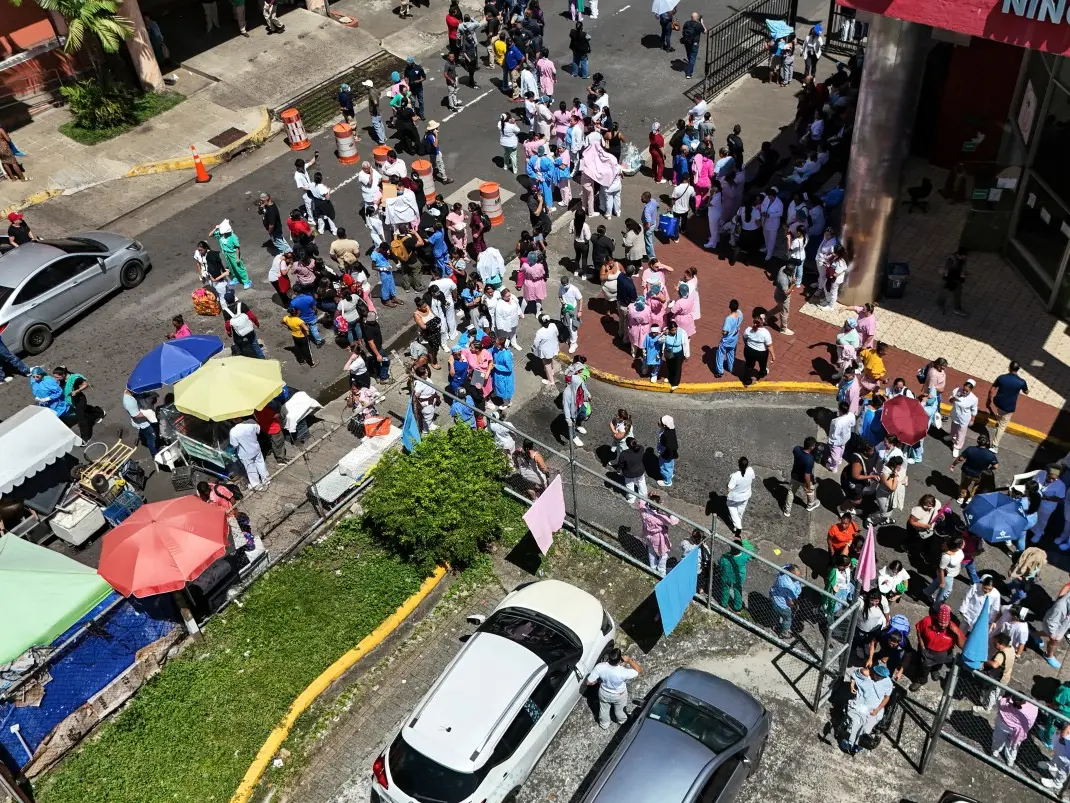
Powerful 7.7 magnitude earthquake strikes Panama, tsunami warning issued
&imwidth=180&imheight=135&format=webp&quality=medium)
'Ouch!!! That must hurt': Kangana Ranaut hails Kamal Haasan's sharp reply to Elon Musk over Starlink row
&imwidth=180&imheight=135&format=webp&quality=medium)
Thai queen becomes first reigning monarch to fly jet solothailand #queen #wion
&imwidth=180&imheight=135&format=webp&quality=medium)
Portugal Federation confirms Cristiano Ronaldo’s return to national team despite suspension
&imwidth=180&imheight=135&format=webp&quality=medium)
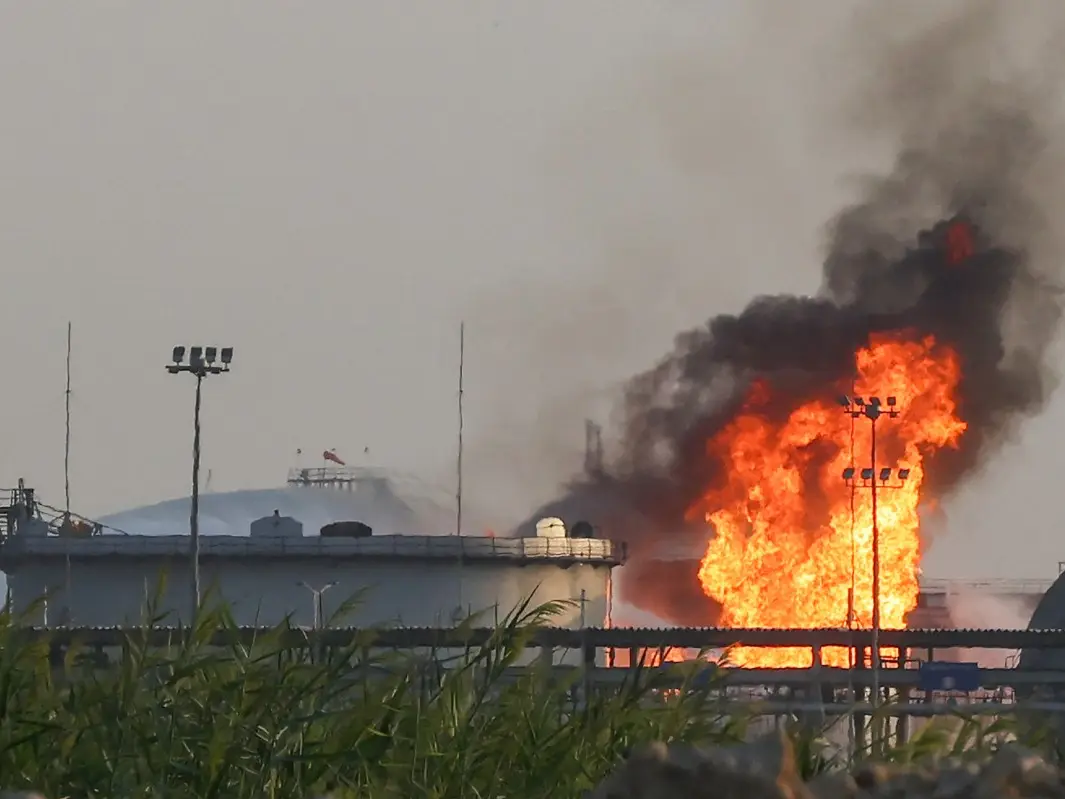
Saudi Arabia's King Khalid International Airport attack kills 12, injures 309; India calls it 'unacceptable'
&imwidth=180&imheight=135&format=webp&quality=medium)
Why was CJP founder Abhijeet Dipke detained? What Delhi Police said
&imwidth=180&imheight=135&format=webp&quality=medium)
100,000 strikes in 3 years: How October 7 redefined Israel's war
&imwidth=180&imheight=135&format=webp&quality=medium)
Putin conveys Iran’s proposal to Trump, offers to take Tehran’s enriched uranium
&imwidth=180&imheight=135&format=webp&quality=medium)
Where are Abhijeet Dipke, Ashutosh Ranka, Saurav Das? CJP gives big update after flight detention
Pacific Ring of Fire
The Pacific Ring of Fire is a major area in the basin of the Pacific Ocean where a large number of earthquakes and volcanic eruptions occur. It is a horseshoe-shaped region that stretches for approximately 40,000 kilometres (25,000 miles) and encompasses the coasts of several countries, including the western coast of North and South America, the eastern coast of Asia, and the islands of the western Pacific.
Also Read | Wagner mercenary group ready to defend Russian border region of Belgorod: Yevgeny Prigozhin
The area is characterised by intense tectonic activity due to the movement and collision of several lithospheric plates. The region is situated along the boundaries of several tectonic plates, including the Pacific Plate, the North American Plate, the Eurasian Plate, and the Philippine Sea Plate, among others.
These plates interact with each other in various ways, such as subduction (where one plate is forced beneath another) or collision, leading to seismic activity.
This tectonic activity results in frequent earthquakes, volcanic eruptions, and the formation of trenches, volcanic arcs, and mountain ranges.
Watch | Chinese astronauts return to Earth | East-Asian space race | World News
The region is home to many active volcanoes, including famous ones like Mount St. Helens in the United States, Mount Fuji in Japan, and Mount Pinatubo in the Philippines.
Due to its geological activity, the Pacific Ring of Fire is prone to natural disasters, including tsunamis triggered by undersea earthquakes. The high concentration of earthquakes and volcanic eruptions in this area has a significant impact on the geology, climate, and human populations of the countries within its boundaries.
WATCH WION LIVE HERE You can now write for wionews.com and be a part of the community. Share your stories and opinions with us here.