

&imwidth=800&imheight=600&format=webp&quality=medium "Donald Trump’s dangerous dance: Destabilising democracy to stay in power")
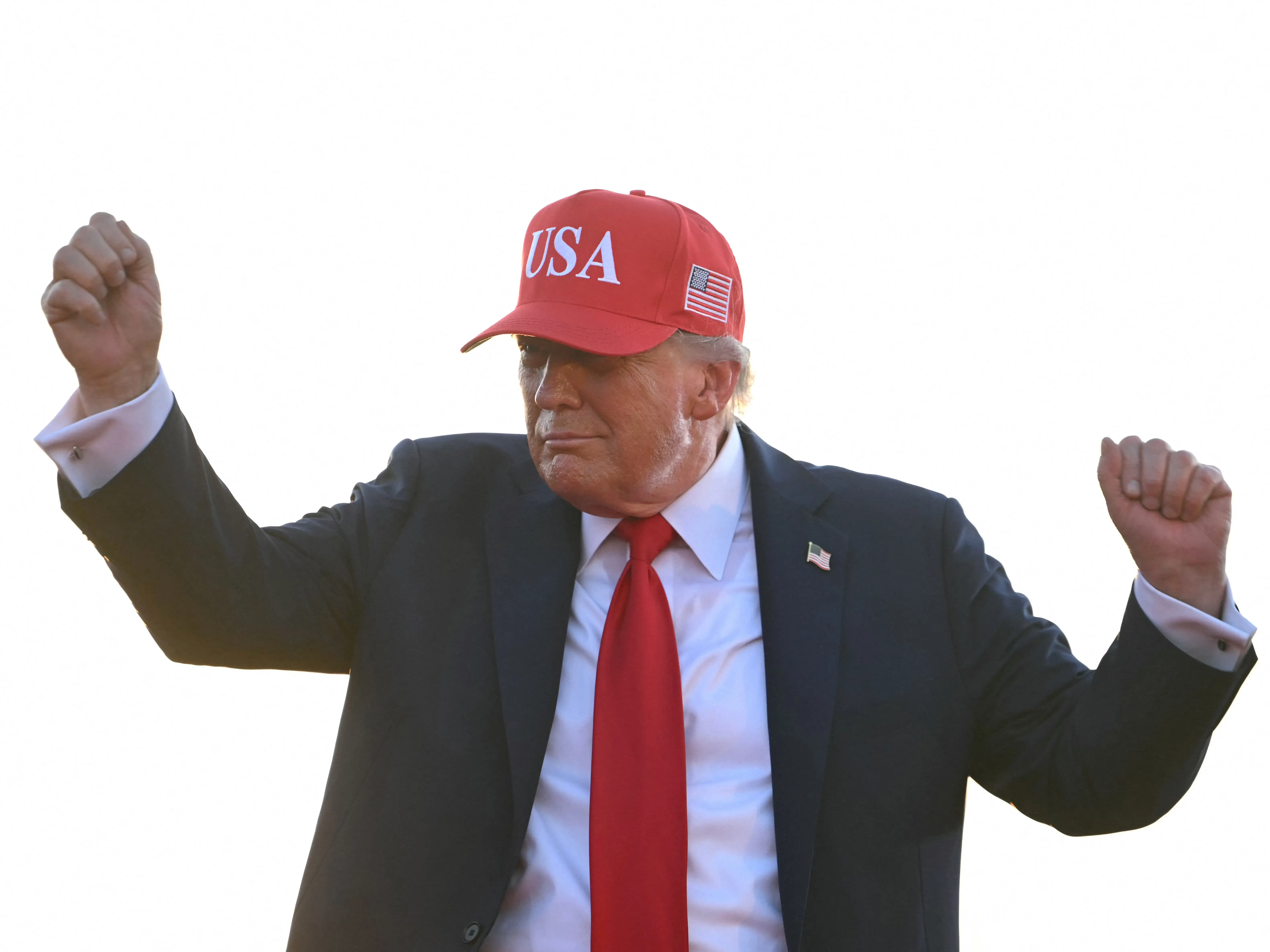
Donald Trump’s presidency is not a series of random events; it’s an intricate and disturbing strategy. A strategy, yes, but one fueled less by a coherent vision of governance and more by a relentless drive to cement his own power at any cost. In his world, reality bends to his will, and the American public must learn to live with a constant churn of crisis, controversy, and chaos. The events of just one day—a tweet demanding the prosecution of his political foes, a press release undermining decades of public health consensus, and an attack on free speech—illustrate how Trump continues to hold his loyal base in a near-messianic grip.
For the vast majority of Americans, Trump’s willingness to flout established norms is deeply troubling. His rhetoric and actions undermine the very institutions that underpin our democracy. On Monday (September 22), for instance, he announced a new government stance linking the use of acetaminophen during pregnancy to a significant increase in autism risk—an assertion that flies in the face of what scientific experts have spent years trying to communicate. His comments, once again, leave a lasting impact on public health policy. But for his supporters, it’s not about scientific integrity; it’s about defying what they see as the expert “elite".
Trump’s deep disdain for science is no accident. By giving a platform to figures like Robert F. Kennedy Jr.—a well-known skeptic of vaccines—he continues to nurture a base that thrives on anti-establishment sentiment. This isn’t just a personal vendetta against experts; it’s a political calculation. The alliance with vaccine skeptics and anti-science activists taps into a vein of distrust and frustration that has only grown since the pandemic. What’s more, it solidifies his position as the figurehead of a movement that seeks to upend the establishment—not by offering a better alternative, but by destabilising everything it touches.
For many, these moves might appear reckless, even harmful. It’s easy to see them as the caprices of a president with little regard for the common good. But this chaotic approach is calculated. It resonates deeply with voters who feel left behind by both parties, who view the “elite” as not just out of touch, but actively working against them. Trump’s entire political brand is built on the idea that he is not the one who is broken, but that it’s the system—the courts, the media, the scientific establishment—that needs to be fixed.
Trending Stories
&imwidth=180&imheight=135&format=webp&quality=medium)
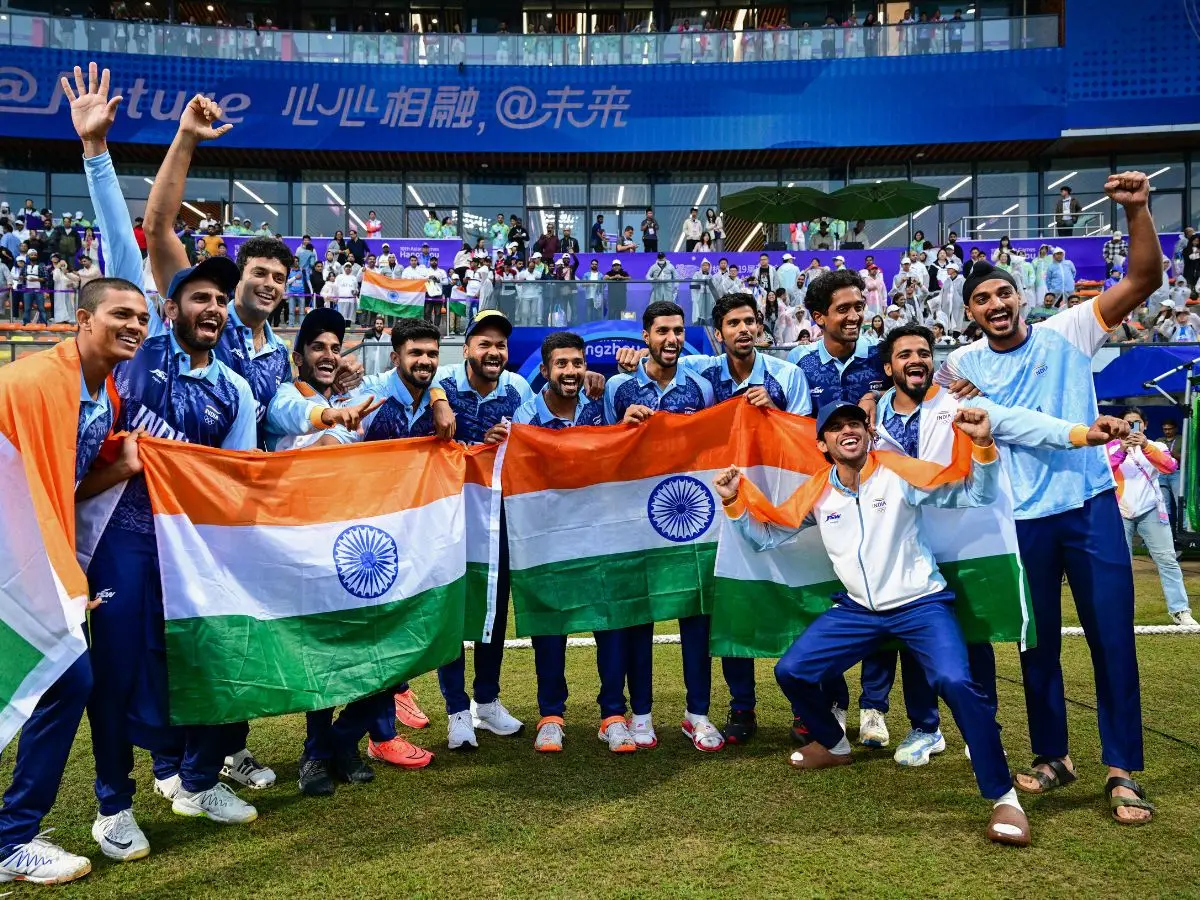
Asian Games 2026: India face Afghanistan in quarterfinal on Sep 28; Pakistan clash with Hong Kong
&imwidth=180&imheight=135&format=webp&quality=medium)
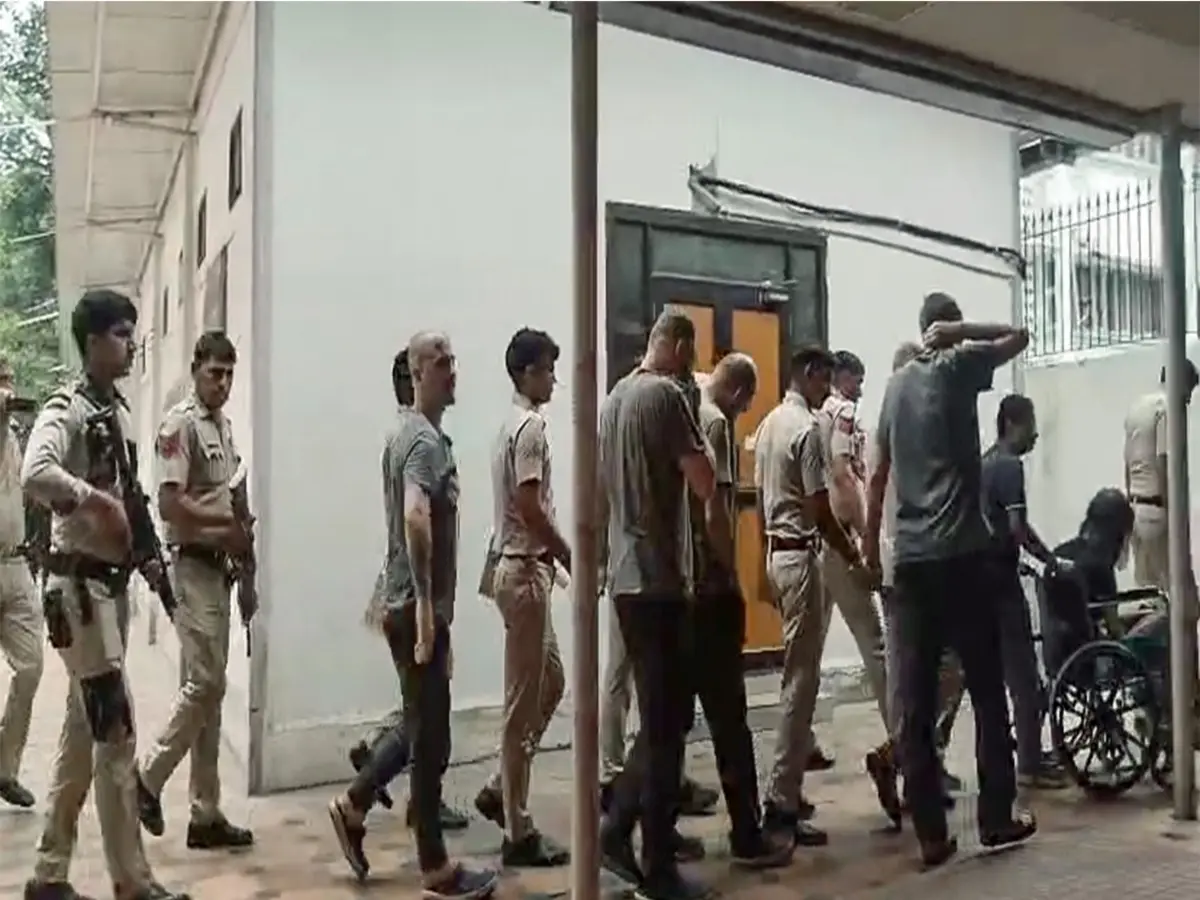
Myanmar training camp case: US national, 6 Ukrainians allowed to meet their families abroad
&imwidth=180&imheight=135&format=webp&quality=medium)
Bigg Boss 20: Salman Khan schools Rhiti Tiwari over Qazi Touqeer clash, compares her to Dolly Bindra
&imwidth=180&imheight=135&format=webp&quality=medium)
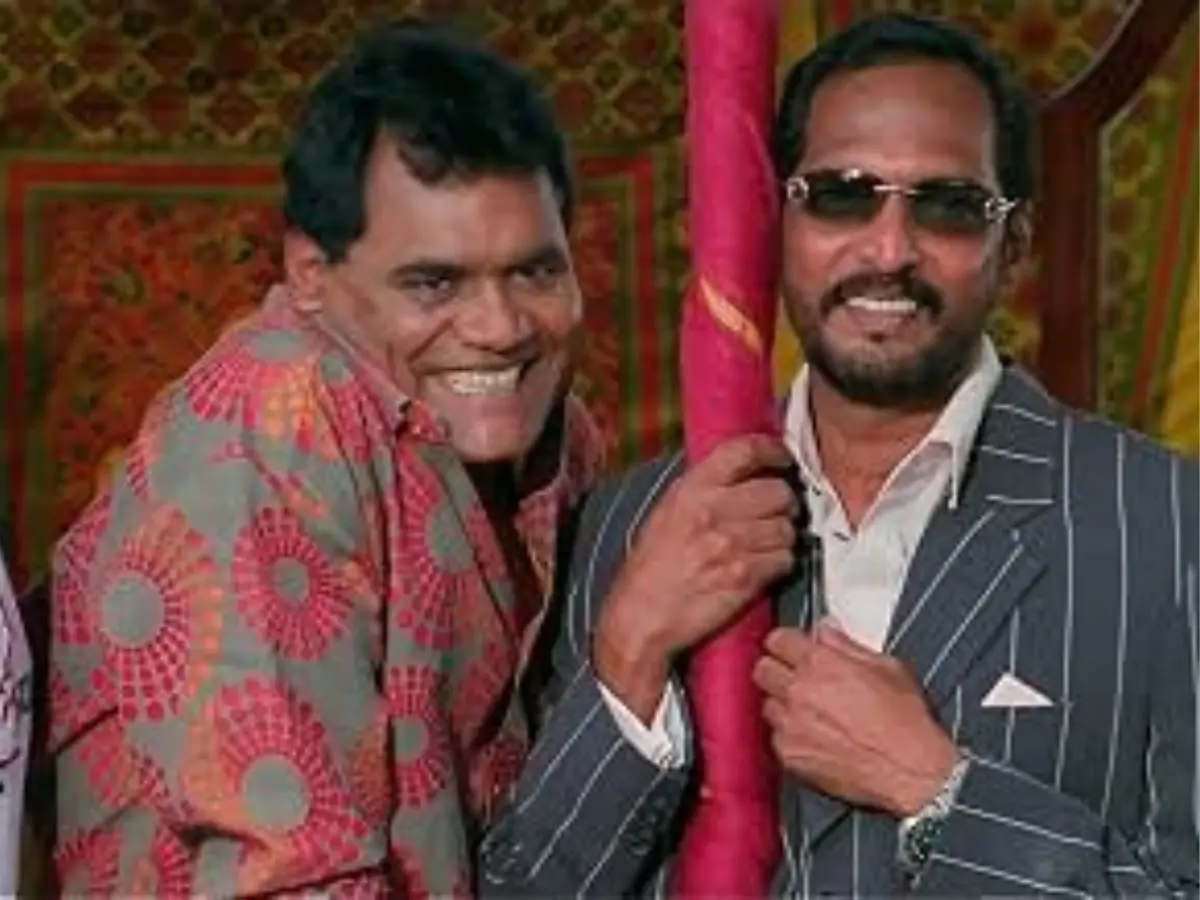
Mushtaq Khan dies at 56: When Welcome actor opened up about his salary for iconic role Ballu
&imwidth=180&imheight=135&format=webp&quality=medium)
LPU students go on rampage, vandalise campus amid widespread protest: What's happening
&imwidth=180&imheight=135&format=webp&quality=medium)
'FIRST LOOK from inside Noah’s Ark': Researchers share video from inside mysterious mound in Turkey
&imwidth=180&imheight=135&format=webp&quality=medium)
‘Attack on Mecca a red line for Pakistan’: Shehbaz Sharif warns Houthis at UN
&imwidth=180&imheight=135&format=webp&quality=medium)
Pakistan deploys over 20,000 security personnel as PTI vows march for Imran Khan's release
&imwidth=180&imheight=135&format=webp&quality=medium)
OpenAI AI Agents hacked 4 websites before Hugging Face, researchers reveal
&imwidth=180&imheight=135&format=webp&quality=medium)
'A terrorist country is asking me that question?': Jaishankar hits back at Pakistani journalist at UN; flags attacks on commercial shipping
&imwidth=180&imheight=135&format=webp&quality=medium)
Trump-Xi summit wrap: Big pageantry, Iran talks, few major developments and more meetings planned
&imwidth=180&imheight=135&format=webp&quality=medium)
Did Hitler kill his niece Geli Raubal? Newly found records reopen a 95-year-old mystery
&imwidth=180&imheight=135&format=webp&quality=medium)
Hawaii braces for Hurricane Nolo: NOAA warns of flash flooding and mudslides
&imwidth=180&imheight=135&format=webp&quality=medium)
'What kind of confession is this?': Pakistan PM Shehbaz Sharif’s 'terrorists would be roaming New York' remark goes viral, raises alarm online. Watch
&imwidth=180&imheight=135&format=webp&quality=medium)
US-Iran war: Trump rejects Iran's Hormuz proposal, reports suggest talks expected next week
&imwidth=180&imheight=135&format=webp&quality=medium)
Bollywood x K-pop crossover! LE SSERAFIM’s Kazuha charms fans with Shah Rukh Khan’s ‘Chammak Challo’ steps
&imwidth=180&imheight=135&format=webp&quality=medium)
Gaza's war turned environmental damage into second crisis
&imwidth=180&imheight=135&format=webp&quality=medium)
‘Serial practitioner of terrorism’: Jaishankar calls out Pakistan’s ‘state-sponsored’ terror at UNGA
&imwidth=180&imheight=135&format=webp&quality=medium)
‘It is all possible’: Putin weighs next steps on Ukraine talks, rules out Europe conflict
&imwidth=180&imheight=135&format=webp&quality=medium)
Prince Harry offers rare glimpse into Archie and Lilibet’s life after UK move
&imwidth=180&imheight=135&format=webp&quality=medium)
Nigeria Navy moves to boost oil security, tackle crude theft and infrastructure threats
&imwidth=180&imheight=135&format=webp&quality=medium)
Donald Trump shares image of Xi's arrival in Washington, carries signs of AI
&imwidth=180&imheight=135&format=webp&quality=medium)
Pentagon quietly adds 37 wounded troops to Iran war tally without explaining when or how
&imwidth=180&imheight=135&format=webp&quality=medium)
US court backs Pentagon's decision to exclude Anthropic over Claude AI restrictions
&imwidth=180&imheight=135&format=webp&quality=medium)
US Supreme Court backs Trump administration's use of SAVE database to check voter citizenship
&imwidth=180&imheight=135&format=webp&quality=medium)
‘Could kill billions...’: Bill Gates backs calls to slow AI development amid fears of catastrophe
&imwidth=180&imheight=135&format=webp&quality=medium)
'Countries far from conflict are penalised': Jaishankar calls for Gulf peace, seafarer safety at UN
&imwidth=180&imheight=135&format=webp&quality=medium)
WATCH | As Shehbaz Sharif claims Pakistan’s ‘victory’ during 2025 conflict, Indian diplomat R Srinivas laughs at UN
&imwidth=180&imheight=135&format=webp&quality=medium)
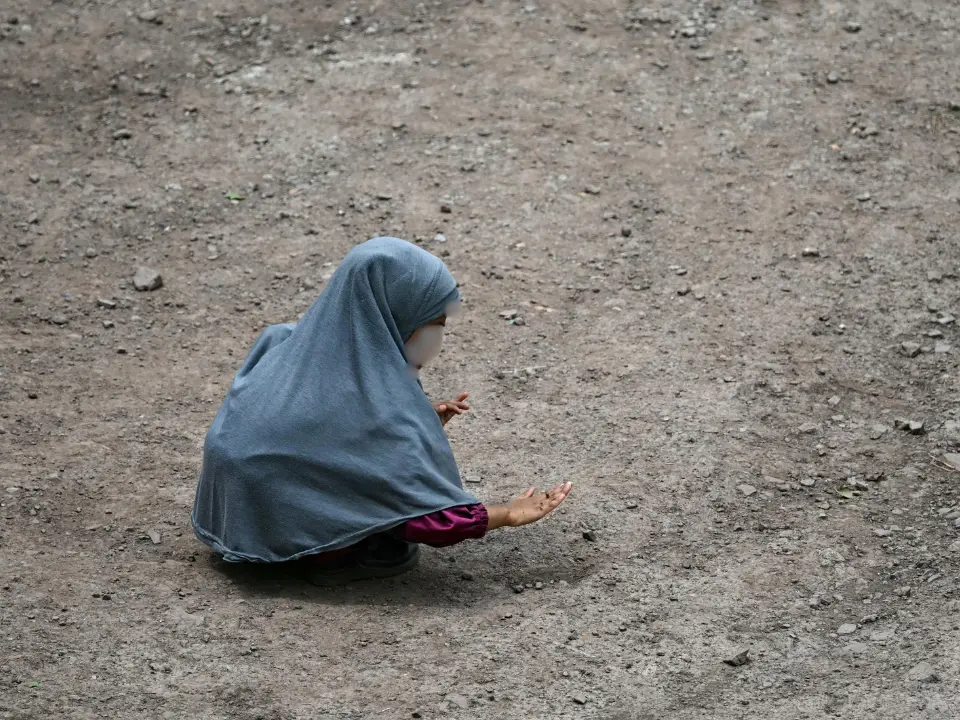
Outrage erupts after 3-year-old is married to 60-year-old man in Pakistan, link to her sister's murder being probed
&im=FitAndFill=(700,400)&imwidth=180&imheight=135&format=webp&quality=medium)
New Friday OTT releases (September 25, 2026): Don’t Be Shy, Hunkkaar: The Roar, Mango Pachcha- 6 movies and TV shows on Netflix, Prime Video and more
&imwidth=180&imheight=135&format=webp&quality=medium)
Global community 'absent' in Gulf crisis: Saudi at UN calls for freedom of navigation, pre war status for Hormuz
&imwidth=180&imheight=135&format=webp&quality=medium)
Farhan, who went viral for AK47 celebration vs India in Asia Cup, hopes to lead Pakistan beyond Asian Games
&imwidth=180&imheight=135&format=webp&quality=medium)
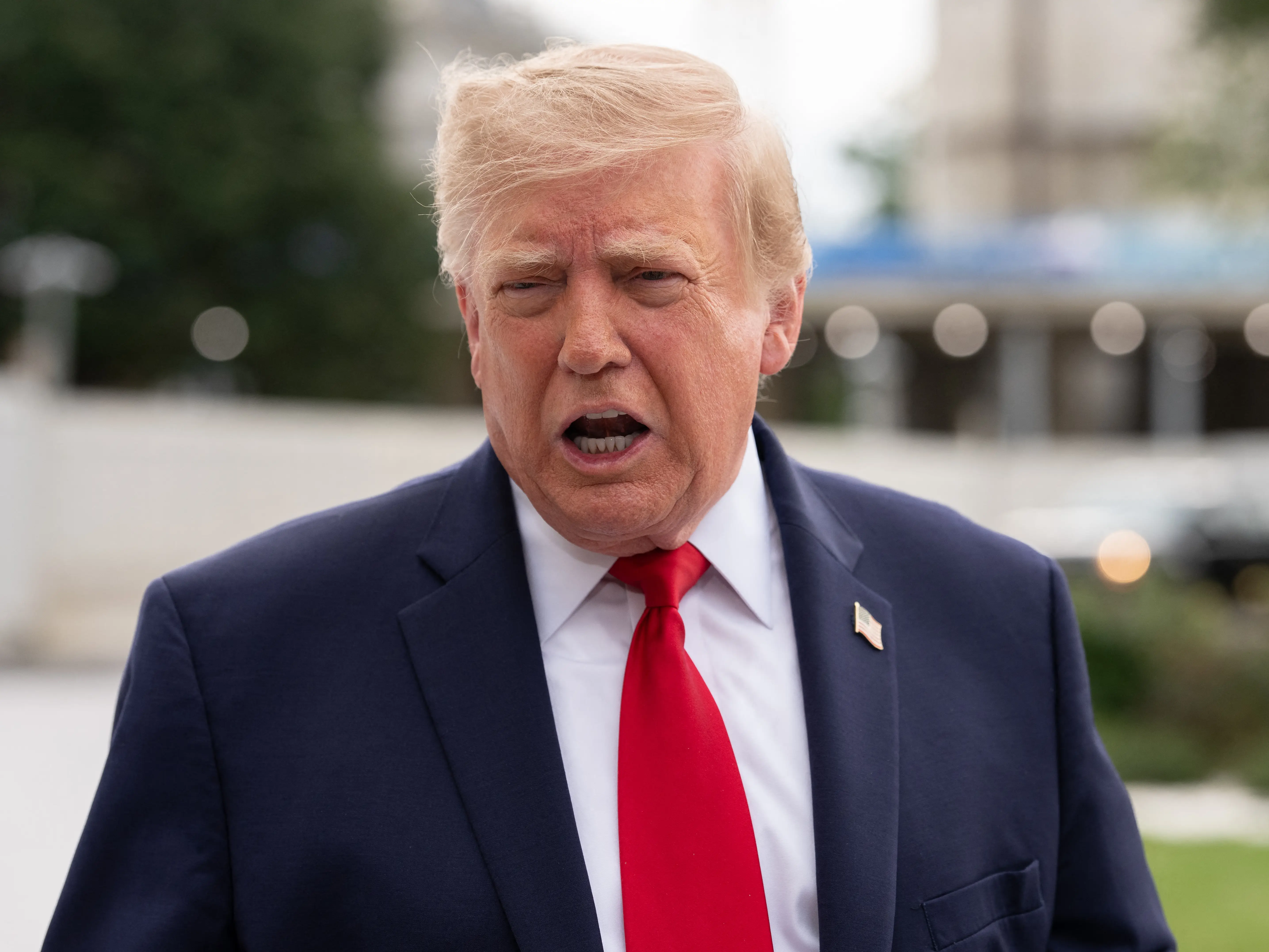
‘I rejected it’: Trump confirms turning down Iran’s proposal to reopen Hormuz, claims Tehran is losing ‘badly’
&imwidth=180&imheight=135&format=webp&quality=medium)
Russia will achieve Ukraine war aims; Europe doing everything to block peace talks: Lavrov at UN
In the warped logic of his politics, every conspiracy theory, every unsubstantiated claim, becomes not just a defense of his presidency, but a validation of his populist message. Nowhere is this more evident than in his attacks on the legal system. The call for Attorney General Pam Bondi to begin prosecuting his political adversaries, despite a glaring lack of evidence, is not just reckless; it’s a dangerous weaponization of the justice system. Trump’s interference in legal matters, including the removal of prosecutors who refuse to charge his political enemies, has the potential to erode the very foundation of American democracy. The impartiality of the law, once thought to be a cornerstone of our system, becomes a casualty in his quest to settle scores.
Yet, Trump’s base sees it differently. To them, these actions aren’t signs of tyranny; they are proof that he is unafraid to take on the entrenched interests that have long held power in Washington. The more Trump challenges the norms, the more his followers view him as a fighter—someone who will “drain the swamp” and expose the corruption they believe festers in the halls of power. This dynamic, in which Trump positions himself as the defender of the “little guy” against the Washington elite, is what keeps his support base loyal, even as the rest of the country recoils.
This strategy is not only about Trump; it’s about fostering a deep mistrust of anything labeled “official” or “mainstream.” In undermining science, questioning the legitimacy of the legal system, and attacking the media, Trump is shaping a world in which truth becomes malleable, and loyalty to him becomes the only constant. For his supporters, the very chaos he creates is proof of his commitment to confronting the “corrupt elites.” It’s a strategy that keeps his base energised, but one that poses grave risks to the fabric of American governance.

