

&imwidth=800&imheight=600&format=webp&quality=medium "Crude war: Oil tanker firm paid Iran $2 million for Strait of Hormuz safe passage; Iran mulls surcharge as US gas costs $8 at some pumps")
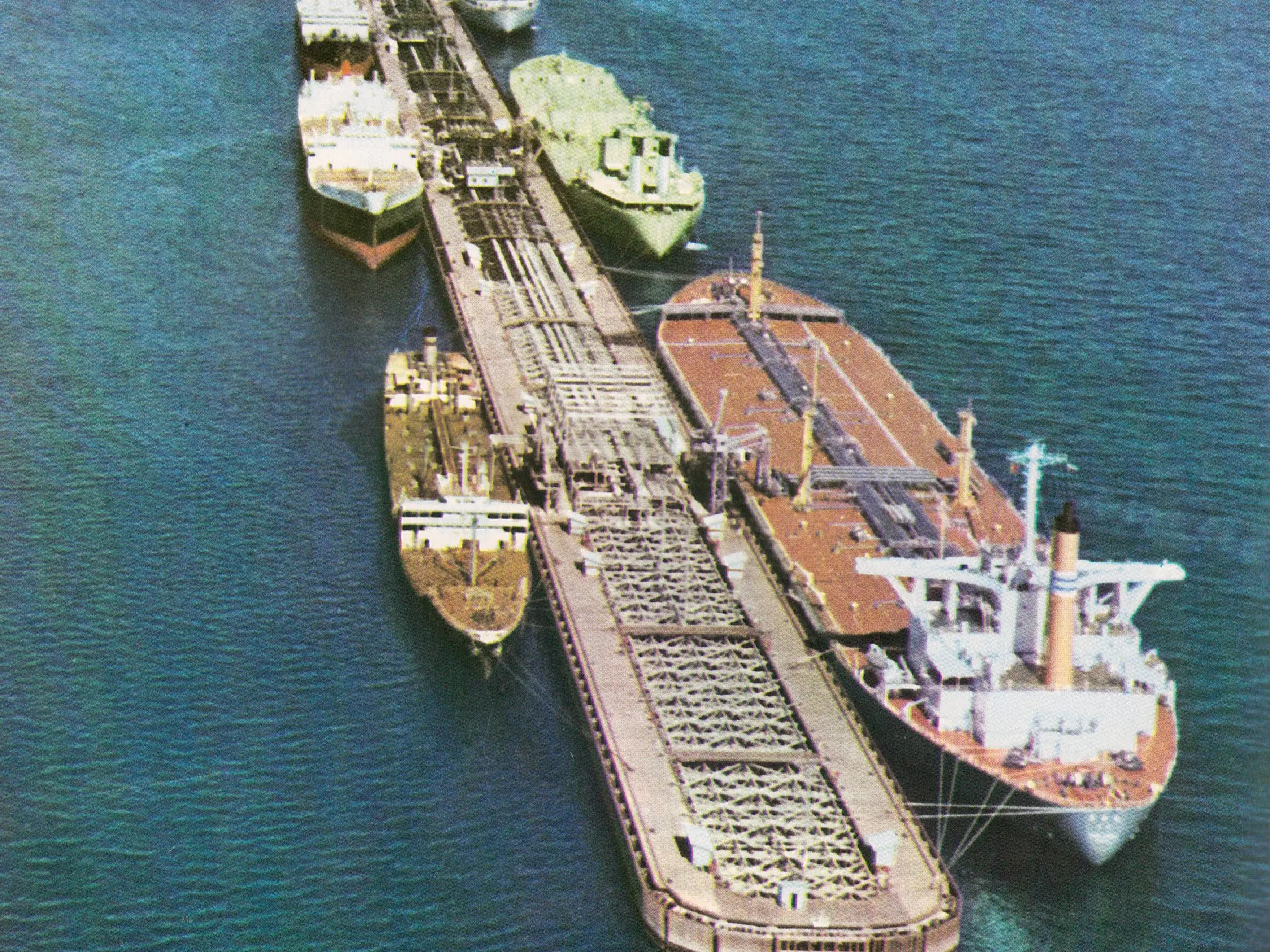
The Iran-US-Israel conflict is turning into an economic war as an oil tanker operator reportedly paid Tehran a $2 million fee for safe passage through the Strait of Hormuz. Iran is now charging “favoured” countries millions of dollars per oil tanker for safe passage, even as gasoline prices have crossed $8 a gallon in some US pumps.
The cost of war: Oil companies feel the pinch; Iran mulls Strait of Hormuz transit surcharge
According to Lloyd’s List Intelligence, cited by the Financial Times and other media, at least one tanker operator is understood to have paid around $2 million as part of an agreement to transit via Iran’s newly established “safe corridor” along the Strait of Hormuz. This is a route near Iranian territorial waters around Larak Island, where the IRGC Navy and port authorities are reportedly conducting visual vetting and verification of vessels. Based on recent reports, at least nine vessels have used this corridor, mostly from diplomatically cleared nations such as India, Pakistan and China.
As per reports, India did not pay for passage of its LPG carriers Shivalik and Nanda Devi. A Pakistan-flagged Karachi tanker was also similarly cleared through government-to-government talks.
While Iran is negotiating such arrangements with operators on a case-by-case basis, its parliament is debating formalised surcharges. Iran, in effect, is creating a “protection” racket in Strait of Hormuz.
Trending Stories
&imwidth=180&imheight=135&format=webp&quality=medium)
Maurene Comey, daughter of ex-FBI director James Comey, was unlawfully fired as federal prosecutor, judge rules
&imwidth=180&imheight=135&format=webp&quality=medium)
Meta’s AI bet is getting more expensive: What its $95 billion share plan means
&imwidth=180&imheight=135&format=webp&quality=medium)
'I've done my work sincerely': AR Rahman on facing backlash over Ramayana soundtrack
&imwidth=180&imheight=135&format=webp&quality=medium)
Hijack scare unfolds on United flight over suspicious text message. Here is what happened
&imwidth=180&imheight=135&format=webp&quality=medium)
'Already tired of his 9-to-5': Baby born with a moustache becomes internet sensation, video goes viral | Watch
&imwidth=180&imheight=135&format=webp&quality=medium)
Trick or Treat -Anthropic's IPO sales pitch is the perfect Halloween scare for AI enthusiasts
&imwidth=180&imheight=135&format=webp&quality=medium)
'Hell of a beautiful a**': Trump compliments Nicki Minaj as rapper joins him in Michigan rally
&imwidth=180&imheight=135&format=webp&quality=medium)
Democrats allege 'desperate efforts to cover up' Trump's involvement in Jeffrey Epstein sex crimes, release 50-page report
&imwidth=180&imheight=135&format=webp&quality=medium)
US Midterms 2026: Last leg polls and forecasts indicate Democratic momentum, but Senate control remains uncertain
&imwidth=180&imheight=135&format=webp&quality=medium)
WATCH | Virat Kohli returns to training ahead of New Zealand ODI series
&imwidth=180&imheight=135&format=webp&quality=medium)
Chris Brown given suspended eight-month jail term for London nightclub attack
&imwidth=180&imheight=135&format=webp&quality=medium)
'She is a beautiful woman': Trump mocks Mexican President Sheinbaum, mimics her voice at US Midterms rally
&im=FitAndFill=(700,400)&imwidth=180&imheight=135&format=webp&quality=medium)
New OTT releases this week (October 26-November 1, 2026): Baththa, Akka, The One About Matthew Perry- 7 titles coming on Netflix, Prime Video and more
&imwidth=180&imheight=135&format=webp&quality=medium)
Elon Musk’s Grok releases first AI-generated Odyssey episode, months after promising ‘historically accurate’ full-length film
&imwidth=180&imheight=135&format=webp&quality=medium)
US midterms 2026: Democrat Annie Andrews gains bipartisan backing against Trump's pick Darline Graham in South Carolina Senate race
&imwidth=180&imheight=135&format=webp&quality=medium)
One dead, six injured in Elizabeth, New Jersey mass shooting; suspect flees
&imwidth=180&imheight=135&format=webp&quality=medium)
'He is a red flag': Ex-India strength and conditioning coach on Rohit's fitness regime
&imwidth=180&imheight=135&format=webp&quality=medium)
'Shove that ballroom up your a**': Trump heckled at Mississippi rally over White House ballroom renovations | WATCH
&imwidth=180&imheight=135&format=webp&quality=medium)
Microsoft offers voluntary exit packages to 60,000 employees in India, US, UK and Canada
&imwidth=180&imheight=135&format=webp&quality=medium)
Trump accused of 'brutal' rape by ex-Miss Switzerland; Beatrice Keul alleges 'Don's best friend' Epstein facilitated assault in 1993
&imwidth=180&imheight=135&format=webp&quality=medium)
Jordan strikes 'terrorist organisations' in Syria after deadly church attack as Damascus shuts main border crossing
&imwidth=180&imheight=135&format=webp&quality=medium)
Pakistan airline PIA unveils new crew uniforms, faces online criticism
&imwidth=180&imheight=135&format=webp&quality=medium)
'Lousy president': Trump hits back at Obama over 'cheesecake factory' White House jibe
&imwidth=180&imheight=135&format=webp&quality=medium)
'Hire the robot, fire the human': Bill Gates's words hint at a bleak future
&imwidth=180&imheight=135&format=webp&quality=medium)
Maldives opposition leader demands transparency on Muizzu Govt's Pakistan defence, security deals
&imwidth=180&imheight=135&format=webp&quality=medium)
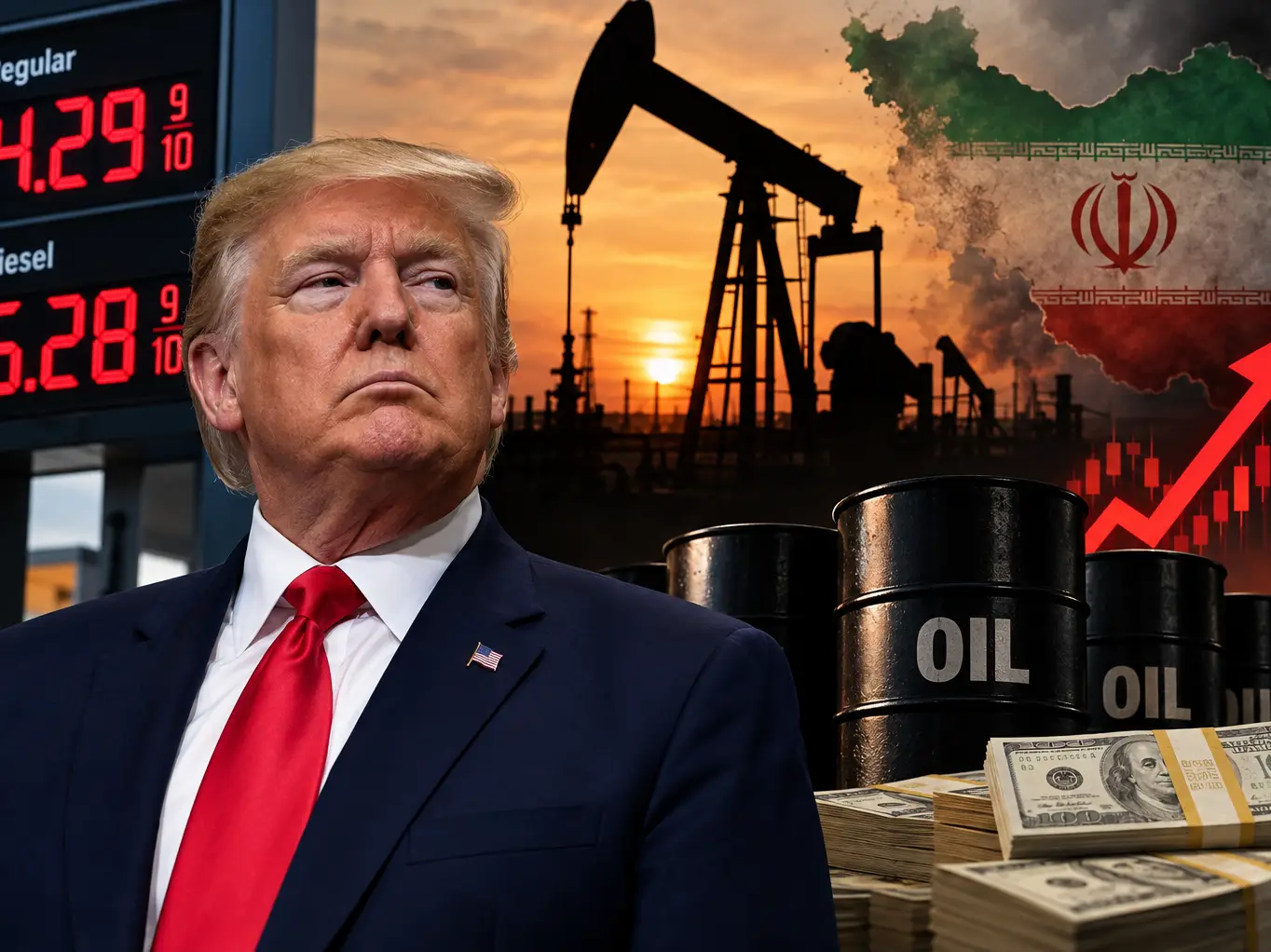
Trump’s oil and gas holdings surge to $81.6 million amid Iran war as Americans face rising fuel costs
&imwidth=180&imheight=135&format=webp&quality=medium)
Mohra re-release in 4K: Akshay Kumar, Raveena Tandon’s film to clash with Ranbir Kapoor’s Ramayana
&imwidth=180&imheight=135&format=webp&quality=medium)
Zimbabwe slips four places to 14th out of 29 in Africa’s Digital Rights and Inclusion ranking
&imwidth=180&imheight=135&format=webp&quality=medium)
Police called after 3-year-old scores 10 goals in 12 minutes at Florida youth soccer game
&imwidth=180&imheight=135&format=webp&quality=medium)
‘That is a miss’: Ravi Ashwin questions Sooryavanshi’s demotion to No. 3 in 2nd T20I vs NZ
&imwidth=180&imheight=135&format=webp&quality=medium)
Uttarakhand innovator Ravi Tamta builds flying car without any formal engineering degree
Trump administration moves to allow passage of Iranian oil
Treasury Secretary Scott Bessent said the US will allow 140 million barrels of Iranian oil already at sea to move. This de-sanctioning will free up roughly 10–14 days of global supply and drive prices down in the near term. This Iranian oil was originally headed mostly to China.
This is the second instance of the US de-sanctioning oil in recent weeks, following the decision to allow Russian oil meant mainly for India to pass through.
These are short-term releases of existing cargoes to bring down global oil prices, which have crossed $100 per barrel in recent days.
Also read: US to release 140 million barrels of sanctioned Iranian oil floating on water, says Bessent
Iran’s twin war strategy: Shut Hormuz, attack Gulf energy installations
In the past few days, Iran has intensified attacks on oil and gas installations in Saudi Arabia, Qatar and Kuwait. Combined with its threats of selective closure of the Strait of Hormuz to enemy vessels, the strategy appears to be working in driving up oil prices. Surcharges and payments to Iran for passage would amount to the country funding the war through its leverage over Hormuz traffic.
While Bessent framed the freeing up of Iranian oil as using its own barrels “against Tehran”, the real goal appears to be to stabilise oil prices for US consumers and industry: America acts when Americans are pinched.
Brent crude has spiked by up to 60 per cent since the joint US–Israeli strikes on Iran on 28 February started the war, hitting $118 per barrel at one point.
At the pump, US gas prices are up sharply, with some reports citing increases of up to 90 cents per gallon nationally.
In reality, overall tanker traffic through Hormuz has collapsed. Only around 15 vessels have transited in recent days, mostly Iran-linked ones.

