Silent Toxins: Chemicals in unsafe food drive 73% of 1.5 million deaths annually

&imwidth=600&imheight=450&format=webp&quality=medium "Silent Toxins: Chemicals in unsafe food drive 73% of 1.5 million deaths annually")
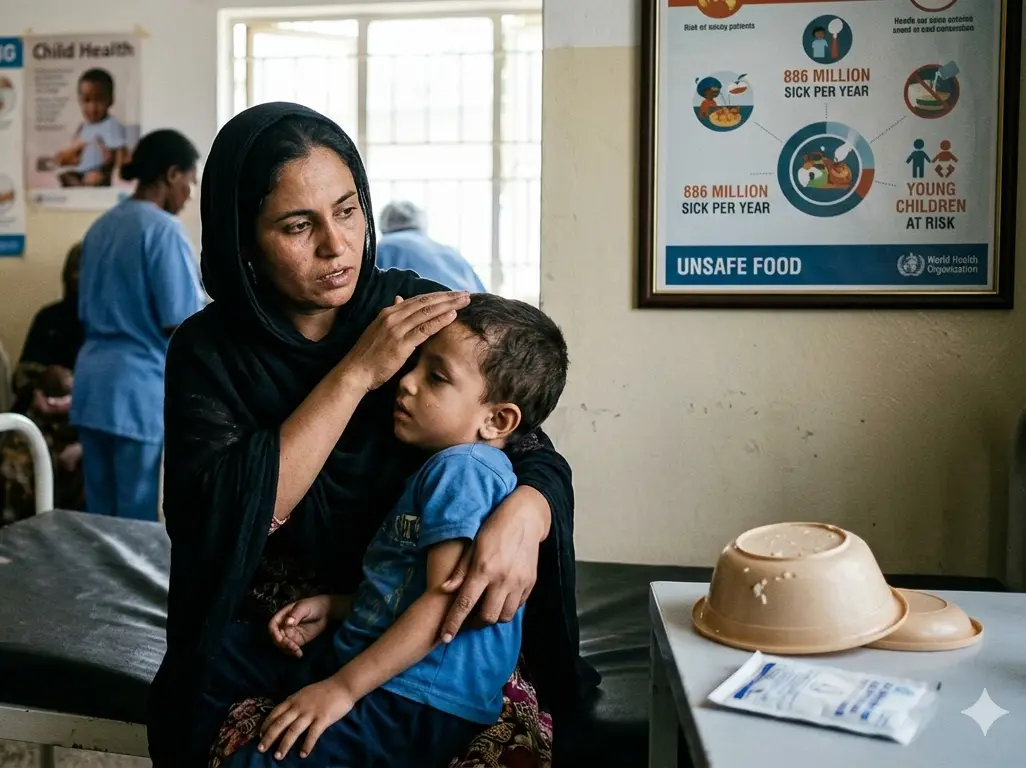
Contaminated food kills 1.5 million annually, costs world economy $647 billion Photograph: (Credit: AI generated)
Unsafe food costs the global economy $647 billion in lost productivity annually, alongside devastating health impacts. Discover the true economic and human toll of food-borne illness worldwide.
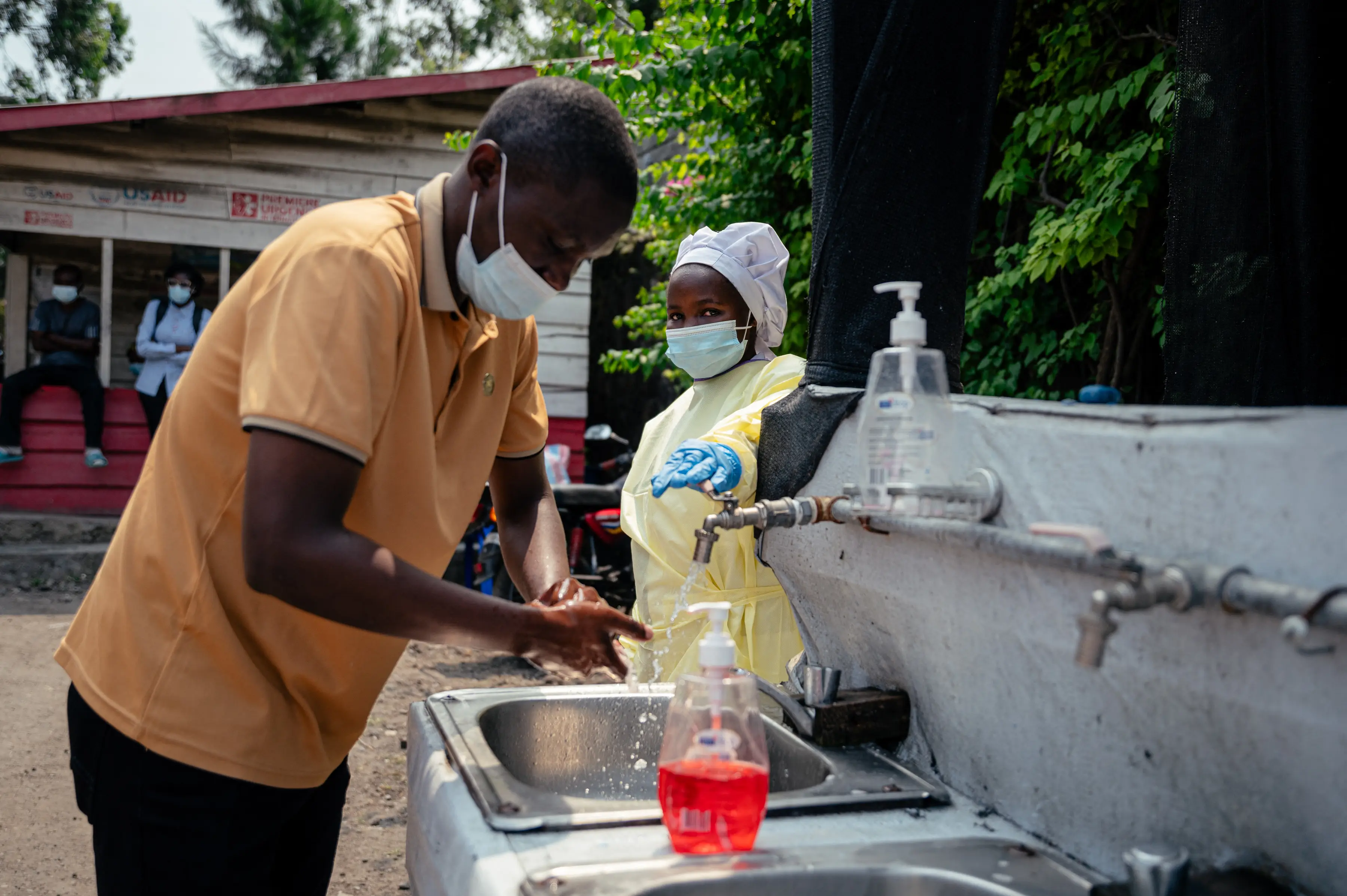
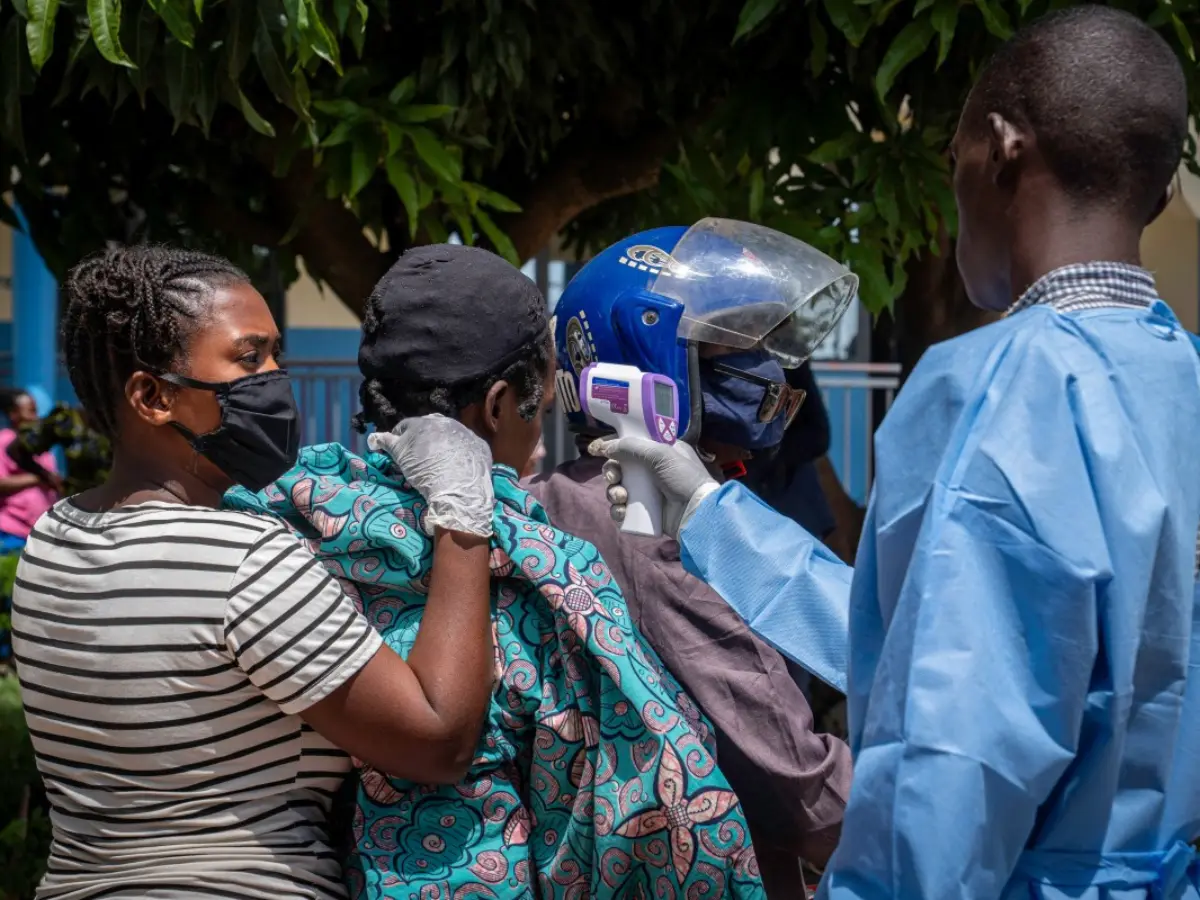
Unsafe food claims 1.5 million lives each year, with children under five among the most vulnerable, the World Health Organisation cautioned Thursday (June 4). A WHO analysis spanning 194 countries between 2000 and 2021 found that approximately 886 million people fall ill annually from consuming contaminated food, with young children nearly three times more susceptible than other age groups.
"Food safety is not an abstract issue — it touches every meal, every family, every day," WHO Director-General Tedros Adhanom Ghebreyesus said. While overall rates of food-related illness have fallen since 2000, stark regional disparities persist. Africa and Southeast Asia together account for nearly three-quarters of global cases and 60 per cent of deaths linked to unsafe food. Experts say the concentration of cases in these regions reflects deeper structural challenges, including inadequate cold-chain infrastructure, limited food inspection capacity, and constrained public health resources that leave millions exposed to preventable risks.
Biological hazards, including bacteria and viruses, were responsible for roughly 860 million cases in 2021, representing the vast majority of food-borne illnesses. Chemical contaminants, however, accounted for a disproportionate share of fatalities, with arsenic and lead identified as the leading non-biological causes of death. Officials noted that heavy metal contamination frequently stems from industrial pollution and the use of unsafe agricultural inputs, compounding risks in regions already burdened by limited regulatory oversight.
Also read: Hidden system, big impact: THIS forgotten organ could predict how long you live, study finds
WHO technical officer for food safety, Yuki Minato, warned that the problem is worsening. She was quoted in the news agency AFP saying, "The data show that food-borne diseases are not only persistent but are being made worse by climate change, which increases contamination risks, and by antimicrobial resistance, which makes infections harder to treat.”
The findings underscore the urgent need for coordinated international action. WHO officials called on governments to strengthen national food safety systems, invest in surveillance infrastructure, and prioritise cross-border cooperation to address supply chain vulnerabilities.
Beyond the human toll, food-borne diseases cost the global economy an estimated $647 billion in lost productivity in 2021, according to the study.
&im=FitAndFill=(700,400))
)
)
)
&im=FitAndFill=(700,400))
)
)
)
)
)
)
)
)
)
)
&im=FitAndFill=(700,400))
)
)
)
)
)
)
)
)
&im=FitAndFill=(700,400))
&im=FitAndFill=(700,400))
)
)
)
&im=FitAndFill=(700,400))
)
)