Christa Pike still alive after two lethal injections, lawyers seek emergency stay

&imwidth=600&imheight=450&format=webp&quality=medium "Christa Pike still alive after two lethal injections, lawyers seek emergency stay")
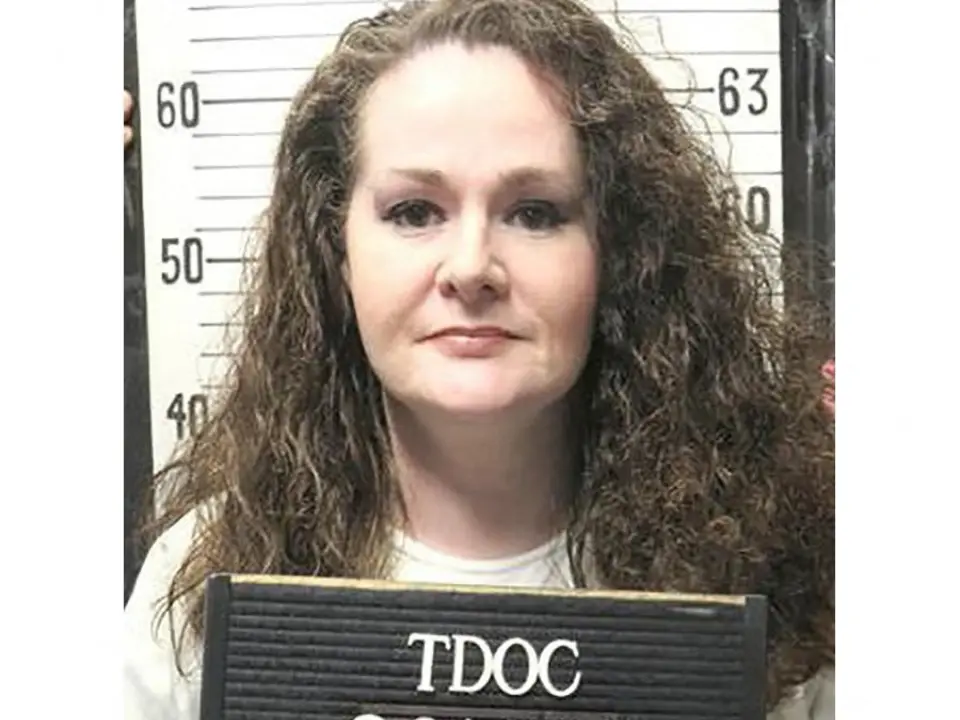
Christa Pike Photograph: (AFP)
Christa Pike remains alive after two lethal injection doses, lawyers say, as an emergency petition seeks to halt her Tennessee execution
Christa Pike remains alive after two doses of lethal injection were reportedly administered during her execution in Tennessee, according to her lawyers, who have filed an emergency petition seeking to halt the process. Pike, 50, was scheduled to be executed at 10am (local Nashville time) on September 30 at Riverbend Maximum Security Institution in Nashville. The execution was delayed after a last-minute stay, before the US Supreme Court ultimately cleared the way for it to proceed several hours later.
Her legal team said Pike was still alive more than an hour after the execution drug was administered. Court documents filed by her attorneys allege that Pike was given two syringes of pentobarbital but did not lose consciousness. "Ms Pike has not lost consciousness and still has a heartbeat and is audibly snoring," they wrote. Her lawyers also said she required 'immediate medical care'.
Witnesses were later released from the prison, while emergency service teams were seen outside the facility. Reports said emergency vehicles subsequently left the area with their lights and sirens activated. Several witnesses who observed the execution described the process as highly unusual, ‘nothing we saw was normal’. They also said the execution was ‘abnormally long’, with the curtain to the execution chamber being closed and reopened several times while the lethal injection was administered.
Who is Christa Pike?
Pike was sentenced to death for the 1995 murder of Colleen Slemmer, a 19-year-old fellow student at a training programme. Pike was 18 at the time of the killing. According to court records, Pike became convinced that Slemmer was attempting to steal her boyfriend. Pike's boyfriend was also convicted for his role in the murder and sentenced to life in prison. Ahead of her scheduled execution, Pike told NBC in a letter that she was not afraid of dying. "I'm only nervous about the process," she wrote.
Trending Stories
)
)
)
)
)
)
)
)
)
)
)
)
)
)
)
)
)
)
)
)
)
)
)
)
)
)
)
)
)
)
)
)
)
)
&im=FitAndFill=(700,400))
)
)
)
)
Pike had also requested an all-female execution team. Her lawyers said her history of sexual abuse and violence had left her terrified of being restrained by men during her final moments. Her legal team had previously challenged the execution procedure, arguing that it could cause severe suffering. They cited Pike's "small veins" and other medical circumstances that they said could make lethal injection difficult.
Tennessee's troubled execution history
Pike's case comes months after another troubled execution attempt in Tennessee. In May, death row inmate Tony Carruthers was granted a one-year reprieve after the execution team failed to establish an intravenous line. Officials were reportedly unable to establish a backup IV line or central line despite more than an hour of attempts. Carruthers's legal team said the execution team punctured him more than a dozen times while attempting to establish an IV line.
The Death Penalty Information Centre has reported that lethal injection has the highest rate of botched executions among execution methods. In its 2022 annual review, the organisation said 35 per cent of the 20 execution attempts that year were 'visibly problematic'. Pike's attorneys are now seeking emergency legal intervention as questions remain over what happened inside the execution chamber and whether the execution was completed.

