China wants military bases in friendly countries like Bangladesh and Myanmar? Why India should take note of Pentagon report

&imwidth=600&imheight=450&format=webp&quality=medium "China wants military bases in friendly countries like Bangladesh and Myanmar? Why India should take note of Pentagon report")
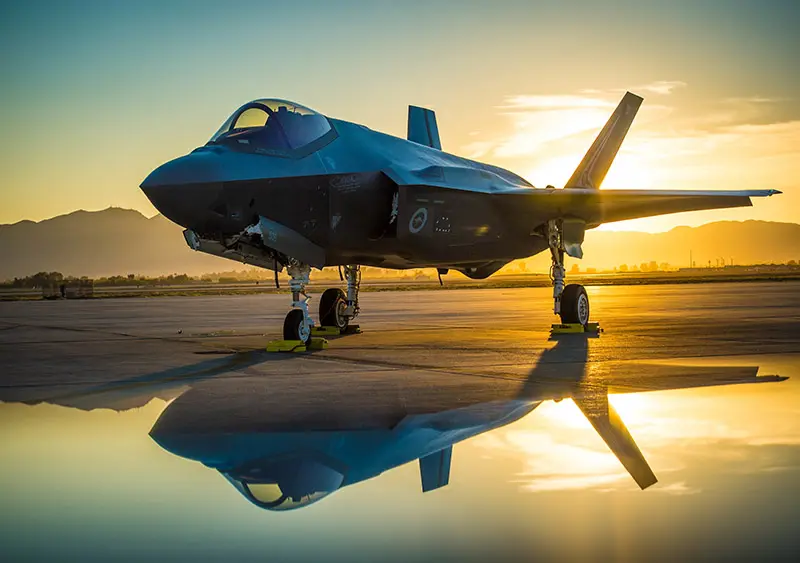
China’s historic military buildup has made the US homeland increasingly vulnerable Photograph: (Others)
A Pentagon report warns China may seek military bases in South Asia, including Bangladesh and Sri Lanka. This should make Indian strategic community sit up and take note, as China's well-known ‘string of pearls’ strategy to contain India may be expending.
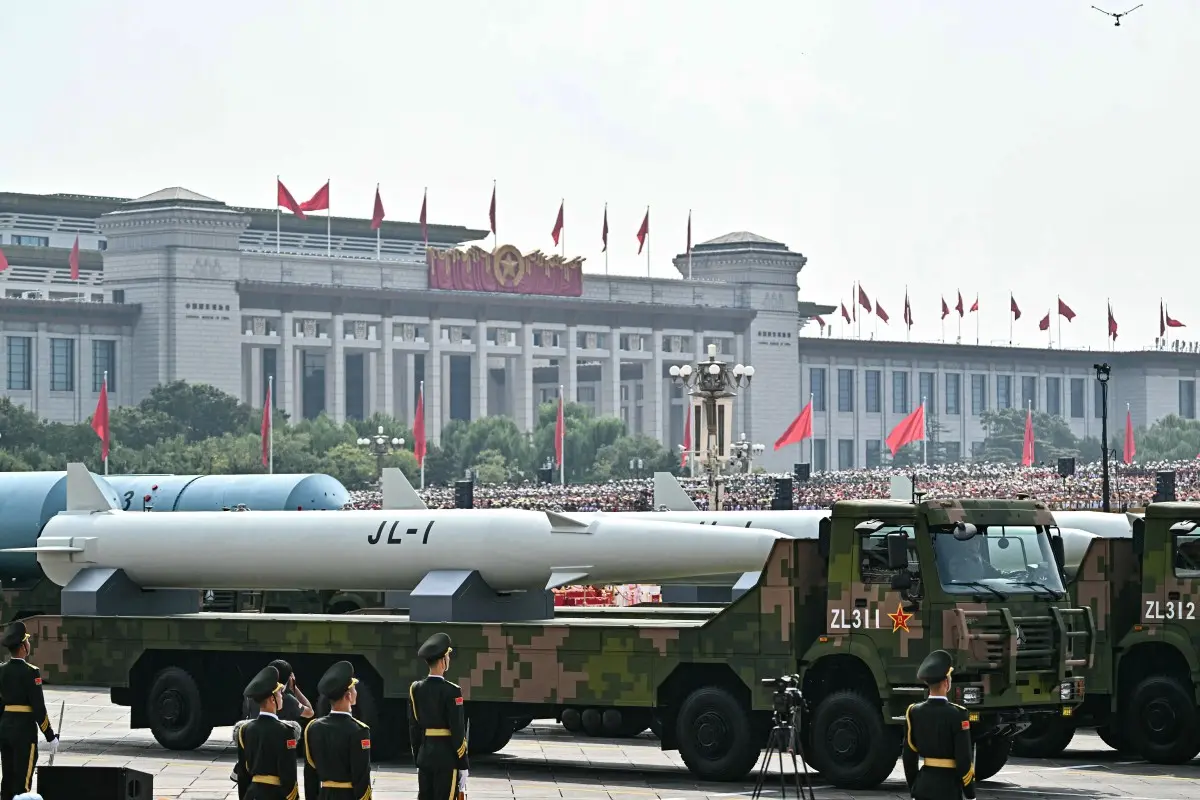
A US defence department report has said that China is possibly seeking military bases in friendly countries like Bangladesh and Myanmar, which, if it happens, would add to its strategic encircling of India, known as the ‘string of pearls’ policy. The Pentagon report was mainly to assess Chinese national strategy, military modernisation, its nuclear arsenal of over 600 warheads as of late 2024, its goal for nine aircraft carriers by 2035, and threats to US interests.
It noted that China’s defence spending nearly doubled since President Xi Jinping’s early terms.
The defence department assesses that China’s historic military buildup has made the US homeland increasingly vulnerable, including through activities in the South Asian region.
What does the Pentagon report say?
The report titled Military and Security Developments Involving the People’s Republic of China discusses at length China's ambitions with regards to the Indo-Pacific and Taiwan.
The report, released on December 23, is focused on China’s strategies, capabilities, leadership, forces, and activities.
It talks about China’s activities in the Indo-Pacific, especially with regards to Taiwan and the South China Sea, its nuclear and conventional force modernisation, and global power projection.
But what should get the eyes of Indian strategists is the report's mentions about Chinese arms exports to countries like Pakistan, its all-weather ally, and ‘potential basing considerations’ for other nations in South and Southeast Asian regions.
Trending Stories
)
)
)
)
)
)
)
)
)
)
)
)
)
)
)
)
)
)
&im=FitAndFill=(700,400))
)
)
)
&im=FitAndFill=(700,400))
)
&im=FitAndFill=(700,400))
&im=FitAndFill=(700,400))
)
Military bases for China in South Asia? What the Pentagon report said
While discussing Chinese overseas military facilities, the report said that Beijing has likely considered potential People's Liberation Army logistics or basing locations in several countries, including Pakistan, Bangladesh and Sri Lanka in South Asia as well as Myanmar, Thailand, and Indonesia in South East Asia.
The PLA’s primary interest, the report said, appears to be military access along key sea lines of communication, particularly the Malacca Strait, a crucial gateway to the Indo-Pacific.
"China has likely also considered basing in Angola, Bangladesh, Burma, Cuba, Equatorial Guinea, Indonesia, Kenya, Mozambique, Namibia, Nigeria, Pakistan, Papua New Guinea, Seychelles, Solomon Islands, Sri Lanka, Tajikistan, Thailand, Tanzania, United Arab Emirates, and Vanuatu.
"The PLA is probably most interested in military access along the sea lines of communication in the Malacca Strait, the Strait of Hormuz, and other areas in Africa and the Middle East," it said.
China entered rapprochement with India to ensure it doesn't get closer to US?
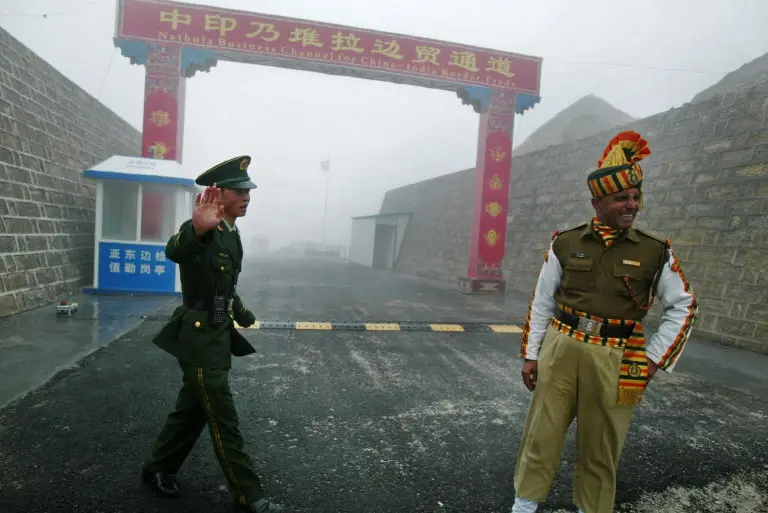
The report said that after the tensions around the Line of Actual Control (LAC), the two nations disengaged from remaining standoff sites, followed by a meeting between President Xi Jinping and Indian Prime Minister Narendra Modi on the sidelines of the BRICS Summit. That meeting set off monthly high-level engagements, discussing border management, direct flights, visa facilitation, and exchanges of academics and journalists.
But here, the Pentagon sees the possibility that China may be capitalising on the decrease in LAC tensions to not only stabilise ties with India, but also prevent the deepening of ties between New Delhi and the US.
It adds that India “probably remains sceptical of China’s actions and motives”, with continued mutual distrust limiting the relationship.
The report notes that China extends the term “core interest” to cover territorial disputes, including the north-eastern Indian state of Arunachal Pradesh.
Also read: Pentagon report highlights China's military ties with Pakistan and cautious thaw with India
China’s arming of South Asian nations
The report highlighted significant Chinese arms sales and exports to South Asian countries, with Pakistan being a major recipient. Chinese military equipment with Pakistan includes 20 J-10C multirole combat aircraft delivered in 2025 as part of a total of 36 since 2020. There are also strike-capable Caihong and Wing Loong UAVs, four frigates sold in 2018, as well as the co-production of the JF-17 light combat aircraft.
Bangladesh, meanwhile, has received two Ming-class submarines delivered in 2016, two frigates sold in 2017, and the first exports of VT-5 light tanks in 2024, the report notes.
Why India should take note of Pentagon report on China
What the Pentagon report mentioned as China’s ‘military basing’ ambitions in South Asia is one more step towards the already known ‘string of pearls’ strategy. This, in effect, is the strategic encirclement of India with commercial and military ports and bases around both its eastern and western coastlines. China's activities have been aimed at accessing and monitoring maritime routes along the Indian Ocean and the Pacific Ocean. Its quest for military/commercial facilities or logistics hubs in Bangladesh, Sri Lanka, or Myanmar would allow the PLA a consistent presence close to India’s eastern and western seaboards. This would require India to bolster its naval planning and improve its surveillance and response capabilities.
The ‘string of pearls’ strategy, recently presented as part of projects like the ambitious Belt and Road Initiative, has been focused on ports and infrastructure across the Indian Ocean.
Now, it appears to be evolving into a more overt military access and potential basing.
China's near-term ambition appears to be to use its economic leverage, arms supplies, and dual-use infrastructure for regular PLA deployments or PLA Navy's port calls.
In the long-term, it would want to strengthens positions all across the Indo-Pacific while indirectly containing India.