China monitors phones of Uyghurs, flags them as extremists for possessing Quran: Report


China monitors phone of Uyghurs.
Police in China's Xinjiang region rely on a master list of 50,000 multimedia files they deem “violent and terrorist” to flag Uyghur and other Turkic Muslim residents for interrogation, according to a report by the Human Rights Watch (HRW) on May 4. An investigation by HRW into the metadata of this master list found that during nine months from 2017 to 2018, police conducted nearly 11 million searches of a total of 1.2 million mobile phones in Xinjiang's capital city Urumqi. Xinjiang’s automated police mass surveillance systems enabled this phone search.
Maya Wang, acting China director at HRW, said that Beijing's use of surveillance technology in Xinjiang meant that Uyghurs who simply store the Quran on their phones may trigger a police interrogation.

The New York-based international non-governmental organisation (NGO) has repeatedly raised concerns about China’s approach to countering acts it calls “terrorism” and “extremism.”
ALSO READ | Spyware embedded in various Android apps keeping vigil on Uyghurs, their activities: Report
"China’s counterterrorism law defines “terrorism” and “extremism” in an overly broad and vague manner that facilitates prosecutions, deprivation of liberty, and other restrictions for acts that do not intend to cause death or serious physical harm for political, religious, or ideological aims," the report said.
)
Nigeria: Protesters take to the streets, police fire shots
)
US-Iran war: Tehran draws red lines — seven demands before any peace talks
&im=FitAndFill=(700,400))
‘Not the US or China’: These are the countries leading the world in arable land
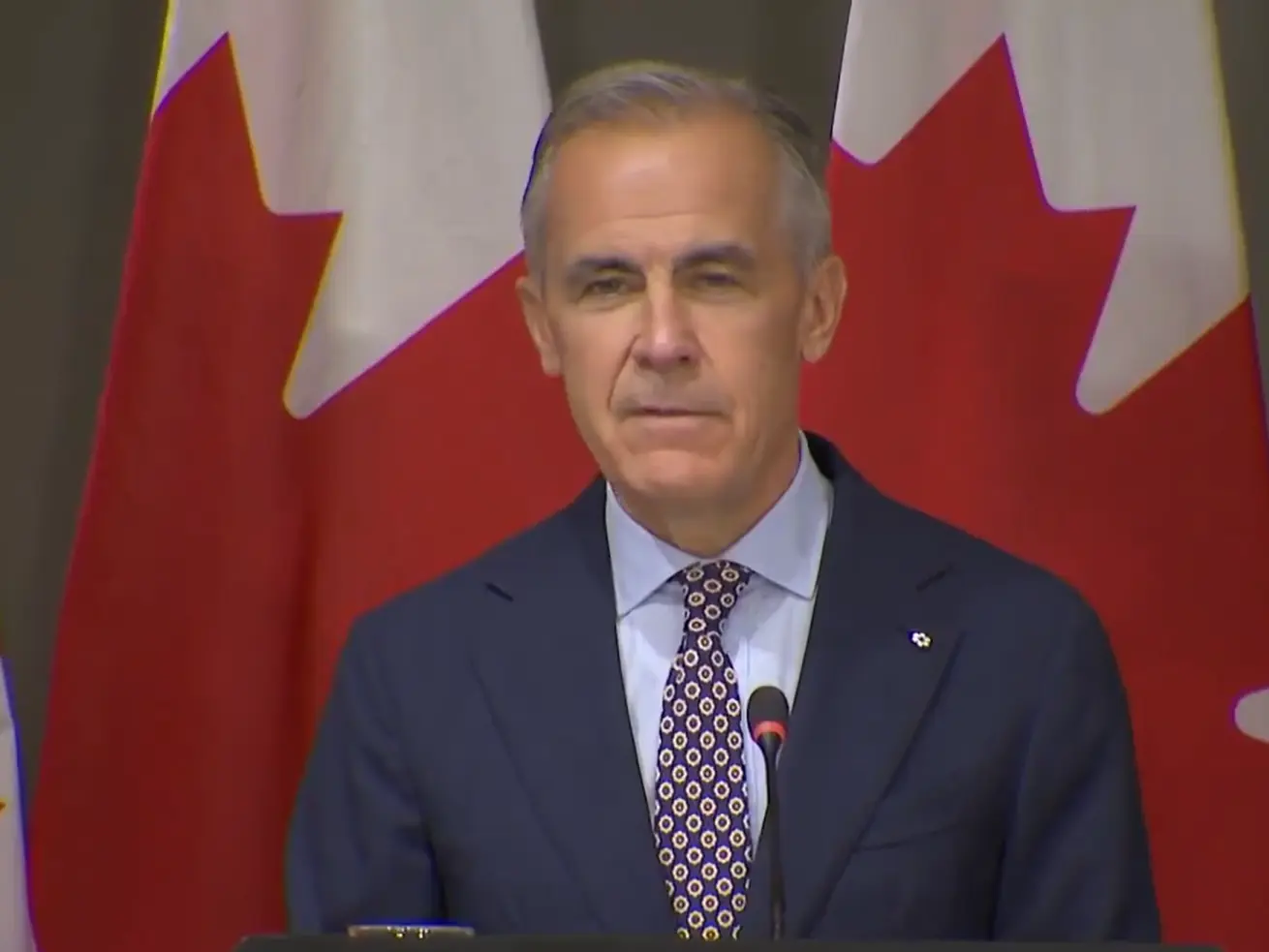)
Mark Carney mimics Trump in hilarious moment over C$70 billion clean-energy investment; room erupts in laughter
)
Pentagon revives mandatory testosterone testing for male troops aged 30 and above
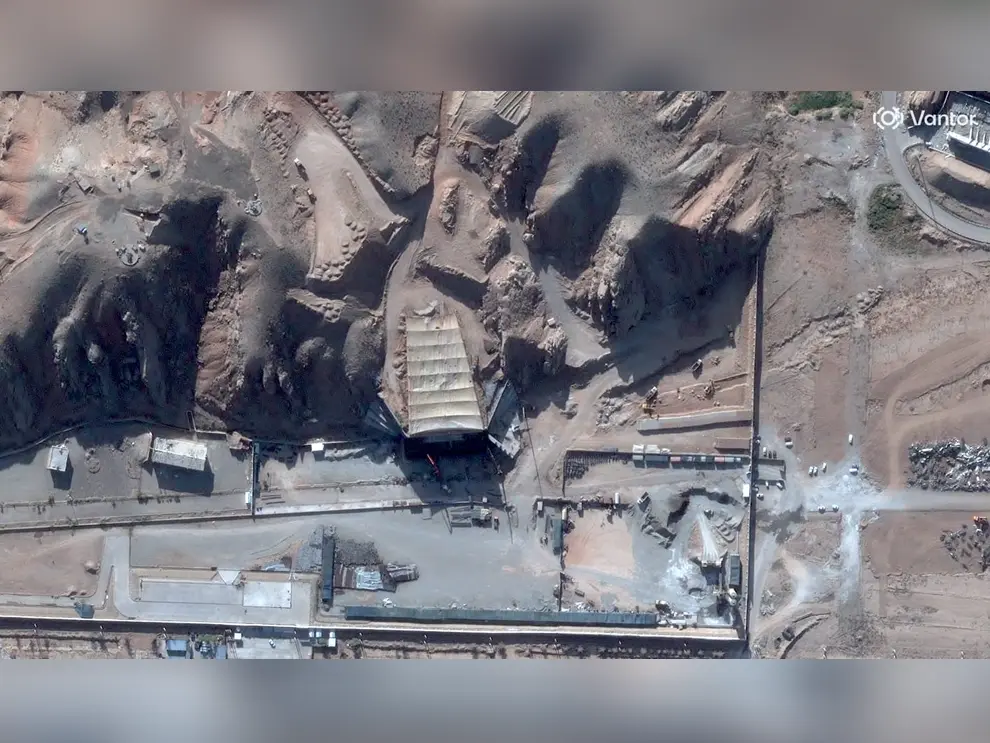)
Iran rebuilding nuclear facilities? New satellite images show Tehran may be rapidly restoring bombed Parchin base
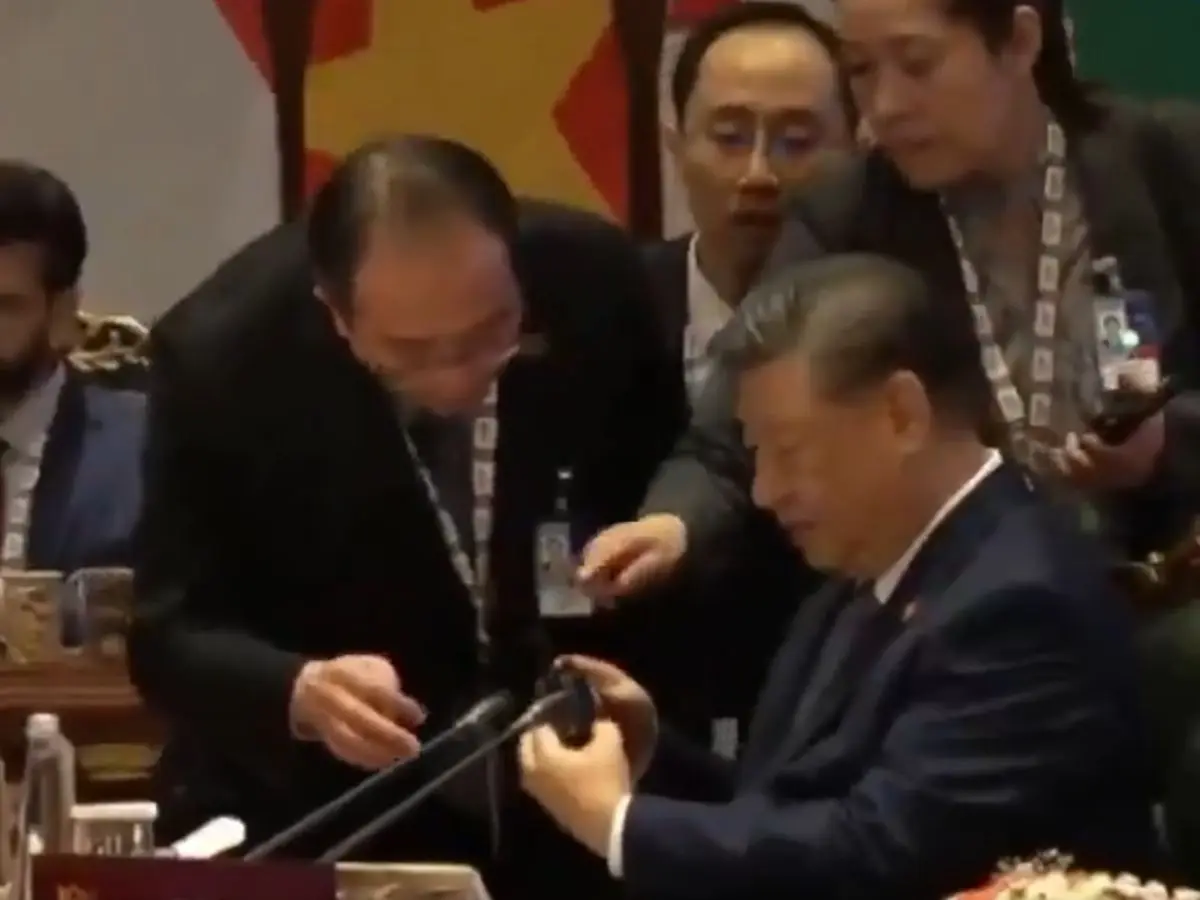)
FACT CHECK: Why did PM Modi ask Xi ‘is it okay’ at BRICS Summit? New video reveals...
)
China may have gained access to US's classified F-35 jets; parts meant for repairs diverted to Hong Kong, sparking Pentagon inquiry
)
Trump announces ‘AI Force’ as debate grows over AI risks and regulation
)
Iran sets 7 conditions to end war with US: What are Tehran’s demands?
)
Trump defends AI amid growing alarm, announces new 'AI force' and promises an 'AI czar'
)
Gaza under attack: Health chief's son killed in IDF strikes
)
Arvind Kejriwal, family members, Delhi CM Rekha Gupta get SIR notices
)
Cochin shipyard starts building Indian Navy's next-gen missile vessels
)
Russia extends ban on Western food imports for two more years in extended sanctions countermeasure
)
Brigitte Bardot’s private collection set for Paris auction; key items and prices revealed
)
How did an Australian river with 500 crocodiles pass the Olympic test? Here's how
)
‘Will go to any extent’: Pakistan vows to defend Saudi Arabia amid Houthi attacks
&im=FitAndFill=(700,400))
Ananya Panday to Sharvari: 5 actresses serving major princess vibes
66 years of the Indus Waters Treaty: How India and Pakistan settled a bitter river dispute
)
The Verdict | When precision fails: US commits war crime in Minab school strike, UN finds
)
Trump signs Russia sanctions bill into law, targets Moscow’s energy sector
)
Pak: A series of counter terrorism operations in Khyber Pakhtunkhwa
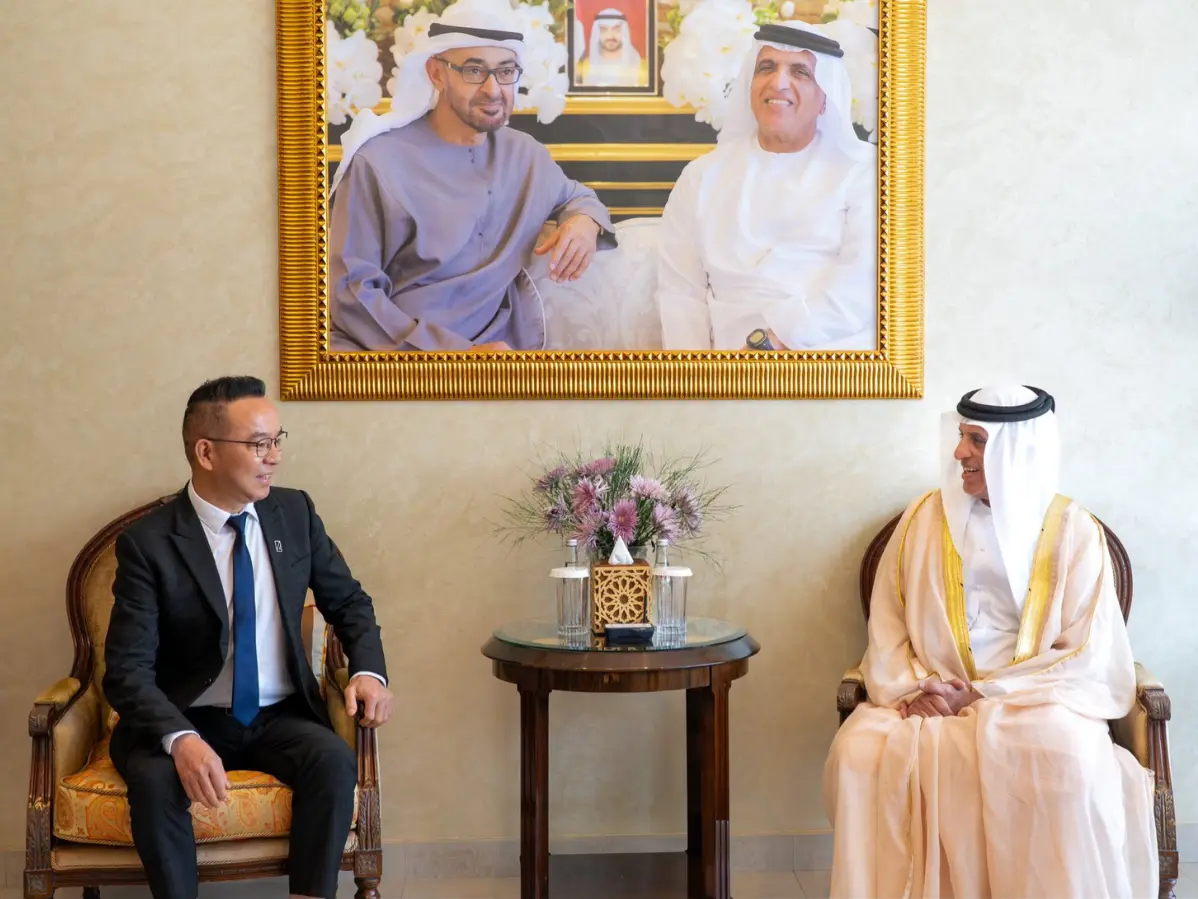)
Flying cars in UAE: Ras Al Khaimah signs deal with Chinese company to test new transport
)
Reacher star Alan Ritchson opens up about alleged blackmail, suicide attempt during difficult period
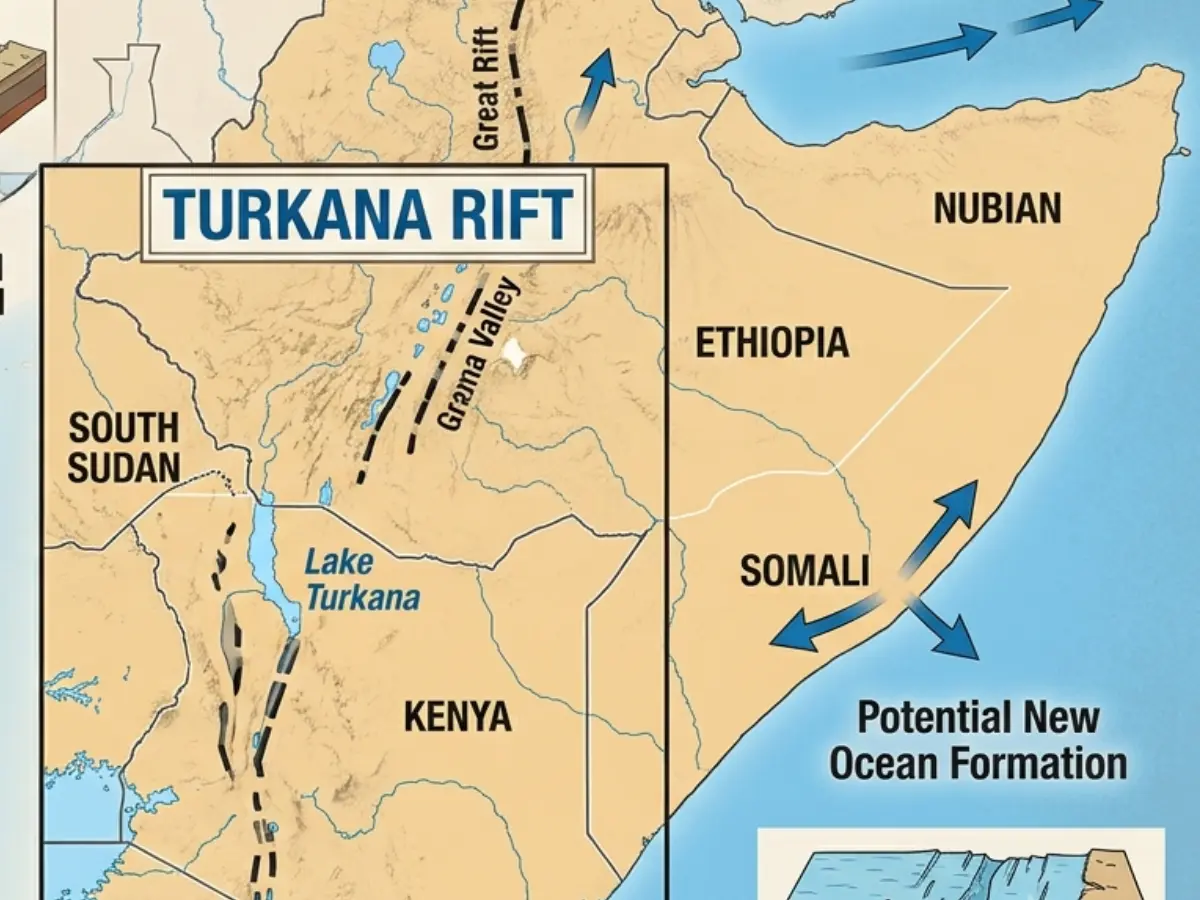)
Africa is splitting, and a lot sooner than estimated, giving way to a new ocean
)
Ajit Agarkar’s future as chief selector to be decided at right time, says BCCI secretary
)
Trump bans CNN, MS NOW and Politico from White House over ‘FAKE NEWS’
)
Trump 2.0: Dark days ahead for America’s ‘imperial presidency’
&im=FitAndFill=(700,400))
How many F-35s does Britain, Japan and Israel have?
)
Harry Brook targets long reign at top of T20I rankings after Sri Lanka sweep
)
Tirupati Laddu ghee adulterated with chemicals, says ED, supplier arrested
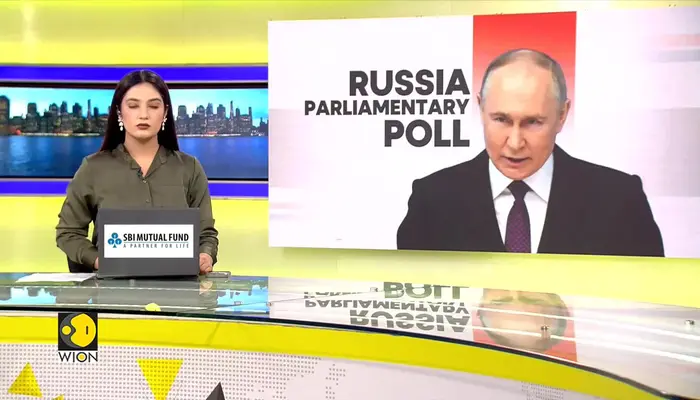)
Russia holds first parliamentary elections since the beginning of the Ukraine war
&im=FitAndFill=(700,400))
Meet top 5 Indian batters with fastest T20I centuries
)
‘System run by six individuals’: Rahul Gandhi targets PM Modi, Amit Shah, NSA Doval
)
The Human Rights Watch searches found more than 1,000 unique files on about 1,400 Urumqi residents’ phones that matched those on the police master list. The analysis of these matched files revealed that 57 per cent appeared to be common Islamic religious materials, including readings of everysurah(chapter) of the Quran.
The list is part of a large database (52GB) of over 1,600 data tables from Xinjiang leaked to the Intercept in 2019. The Intercept, an American media group, reported that police in Xinjiang's capital conducted surveillance and arrests from 2015 to 2019 based on texts of police reports that were part of this database.
"The master list of multimedia files that Human Rights Watch examined is located in a different part of the same database and has not been previously reported on or analyzed. Some of the numbers in this reporting have been rounded up so that the authorities cannot identify the source of the leak," the HRW highlighted in its May 4 report.
What do the media files contain?
An analysis of the metadata of this master list revealed photos, audio, and video files which contain violent content, but also other material that has no evident connection to violence.
These media files contained materials such as content depicting beheadings or forms of torture that appeared to have been carried out by the Islamic State, drug cartels, details about the 1989 Tiananmen Square massacre. The files contained materials that involved foreign organisations including the East Turkistan Independence Movement and the World Uyghur Congress.
The files also contained Islamic religious content, including Quran readings and wedding songs.
"Human Rights Watch also found another related list in the database that has the same MD5 hashes – the unique signature of these files. This list apparently contains the search result of the Jingwang Weishi app, a surveillance application," the report further said.
According to a report by Al-Jazeera, police in Urumqi have required residents to download Jingwang Weishi, which gives authorities the ability to monitor the contents of their phones. And visitors to Xinjiang can also be required to download a similar application called Fengcai.
The HRW urged the United Nations Human Rights Council (UNHRC) to urgently form an independent, international investigation into rights violations and the suppression of fundamental freedoms in Xinjiang by China against Uyghurs and other Turkic Muslims.
WATCH WION LIVE HERE
You can now write for wionews.com and be a part of the community. Share your stories and opinions with us here.