Canadian bill proposing hefty $2,900 fine daily on striking workers invites ire, triggers rights’ row

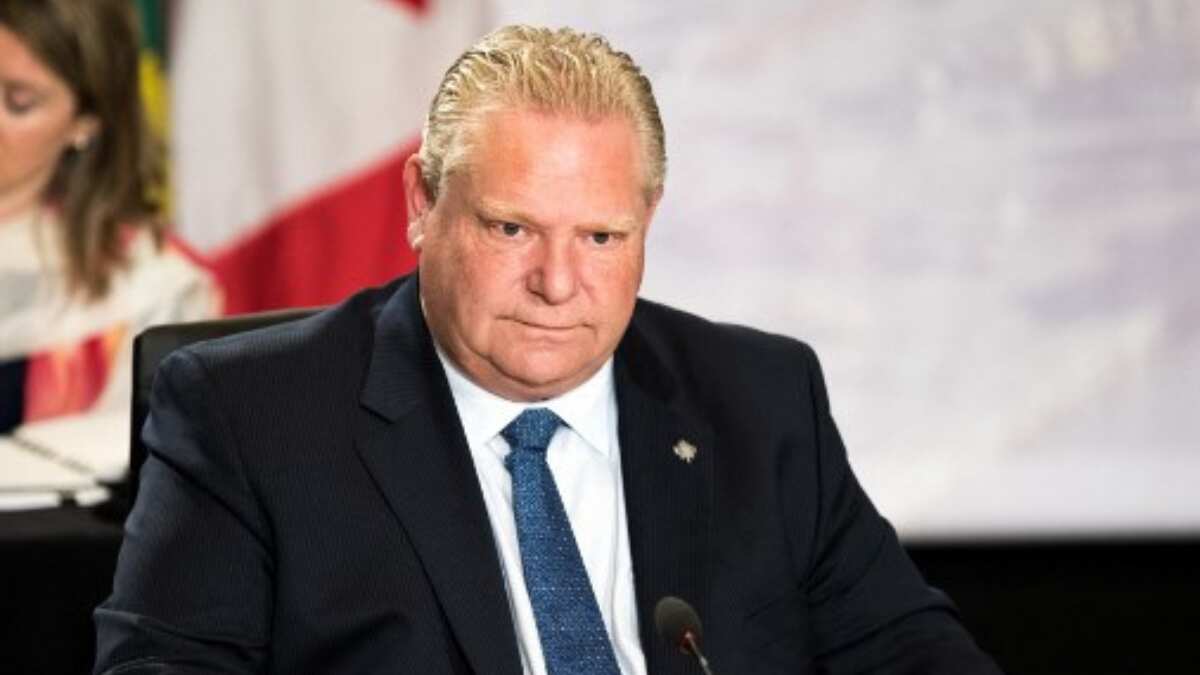
Ontario Prime Minister Doug Ford
A “draconian” bill in the Canadian province of Ontario that would fine school support staff C$4,000 (US$2,900) a day for striking, has caused a storm in the country. It has raised concerns over fundamental workers’ rights that are at risk of being killed if it gets passed. Doug Ford’s conservative government in Ontario has tabled the legislation in question.
The bill imposes a contract on education workers, and levies hefty fines on those who go on strikes. Prime Minister Justin Trudeau has sharply criticised the Ontario government over the bill and raised concerns that it will “suspend people’s rights and freedoms”.
Also Read |Canada: South Asian communities may have suffered most during pandemic, says study

The government has fast-tracked Bill 28 amid calls by the Canadian Union of Public Employees for a strike on Friday over pay hike. The union represents 55,000 education workers and has been asking for an 11.3 per cent raise for its workers. They argue that stagnant wage growth and high inflation have hit them hard since they are often the lowest-paid workers.
Meanwhile, the government has proposed a 2.5 per cent annual raise for the lowest-income workers and 1.5 per cent raises for others.
The bill, if passed, would legally snatch away the rights of the workers to strike and bargain for the first time everin the country.
&im=FitAndFill=(700,400))
Why Russian tanks are much lighter compared to US tanks
)
What’s happening in Nepal? How did a local clash turn into communal violence? WION Decodes
)
Tamil Nadu leader Udhayanidhi Stalin draws severe backlash over derogatory remark against Trisha
&im=FitAndFill=(700,400))
Why Russian fighter pilots wear blue flight suits compared to US pilots
)
Bombay High Court canteens inspected after judges question Maharashtra FDA's 'selective' crackdown
&im=FitAndFill=(700,400))
Meet top 5 bowlers in latest ICC T20I rankings 2026 - check who sits at the top
)
The Royals enter the Doctor Who universe: King Charles and Queen Camilla beam into Commonwealth Games in TARDIS
)
Multiple WhatsApp accounts, including in India, are under review for 24 hours. Here’s why
)
Who is Devendra Nath Mahto, Jharkhand’s 'Sonam Wangchuk' fasting for protesting students?
)
Wipro's margins fall to 15-quarter low as AI investment eats into profit
&im=FitAndFill=(700,400))
Meet top 5 bowlers in latest ICC ODI rankings 2026 - check who sits at the top
&im=FitAndFill=(700,400))
7 longest flights in the world - Singapore, Qantas, Qatar and others
)
'He is courageous leader': DK Shivakumar after TN CM Vijay postpone his Cauvery-related Karnataka visit
)
Influencer killed on livestream: Mexican cartel boss' son asked dad to kill woman who broke up with him
)
22 children dead, 35 infected: India's Gujarat faces Chandipura virus outbreak — Experts explain symptoms
)
'I was almost trafficked in Paris,' says Australian woman, shares terrifying ordeal - 'I am on the black market'
&im=FitAndFill=(700,400))
'Fifth-generation fighters': Can the S-400 shoot down an F-35?
)
Why did India turn down the US offer for F-35 fighter jets? EXPLAINED
)
PM Modi expected to visit Kyrgyzstan and Uzbekistan as India firms up Central Asia ties
&im=FitAndFill=(700,400))
How often does an S-400 need maintenance?
&im=FitAndFill=(700,400))
New OTT releases this week (August 3-9, 2026): Main Vaapas Aaunga, Uyir, Operation Safed Sagar- 6 titles coming on Netflix, Prime Video and more
&im=FitAndFill=(700,400))
Meet top 5 batters in latest ICC Test rankings 2026 - check who sits at the top
)
DMK leader Udhayanidhi Stalin detained over 'double-meaning' Trisha remark in Vijay's Tamil Nadu
)
Scientists find descendants of ancient sea creatures trapped under Antarctica's Blood Falls
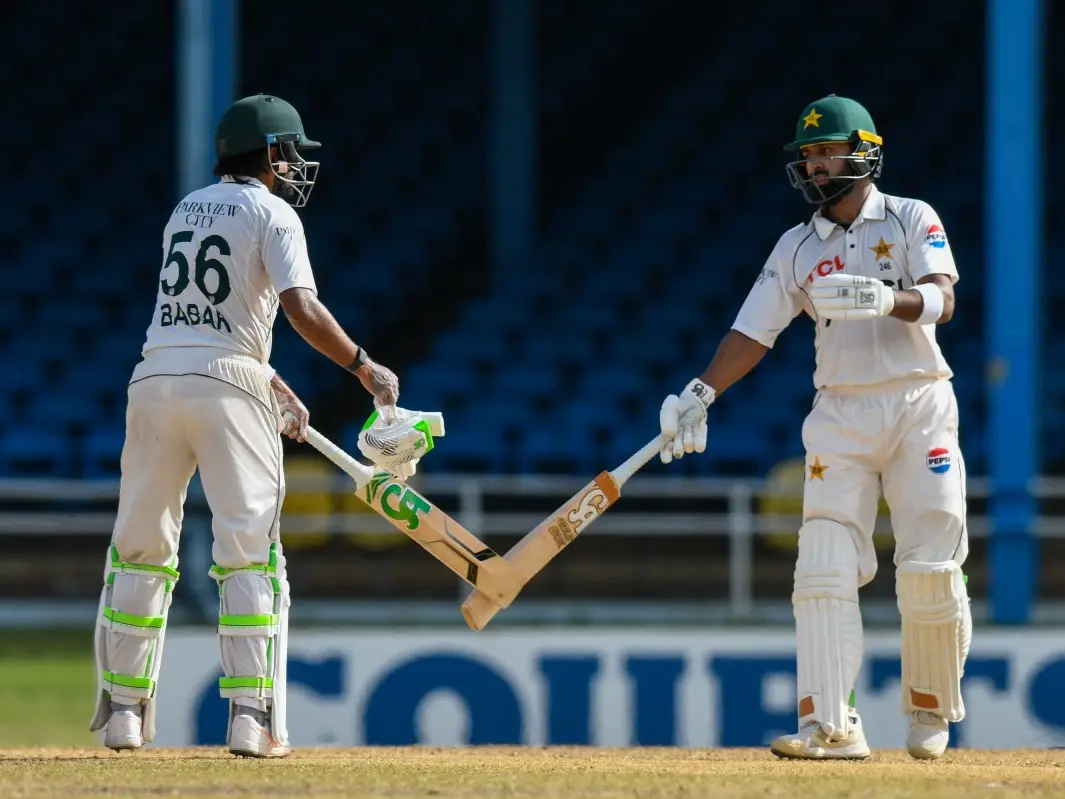)
WI vs PAK, 2nd Test: Shafique and skipper Babar lead fightback with unbroken 168-run stand on Day 2
)
'Crass, cheap and deeply derogatory:' Internet slams Udhayanidhi Stalin over his 'double-meaning' remark on Trisha
)
Trump says Iranian school bombing photos could be AI-generated - 'I don’t think...'
&im=FitAndFill=(700,400))
Can an S-400 detect a bird?
&im=FitAndFill=(700,400))
Why are iPhones so expensive compared to Android phones?
&im=FitAndFill=(700,400))
Meet top 5 bowlers in latest ICC Test rankings 2026 - check who sits at the top
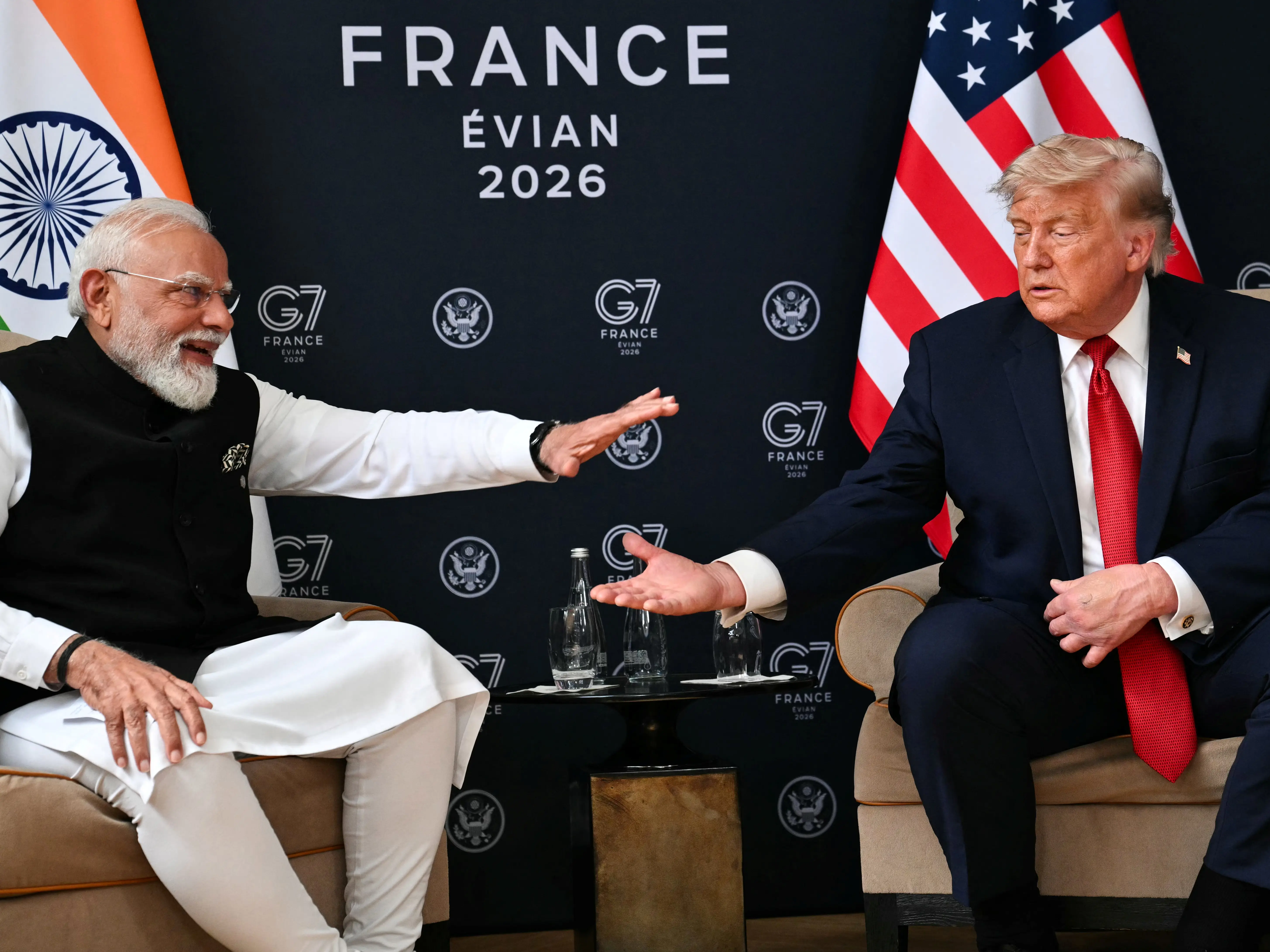)
India avoids higher US tariff, secures lower 10% rate. Here's how
&im=FitAndFill=(700,400))
Why Russian jets use heavier steel compared to US jets
)
Trump, Putin kissing in Amsterdam? Pride parade’s ‘couple’ goes viral | WATCH
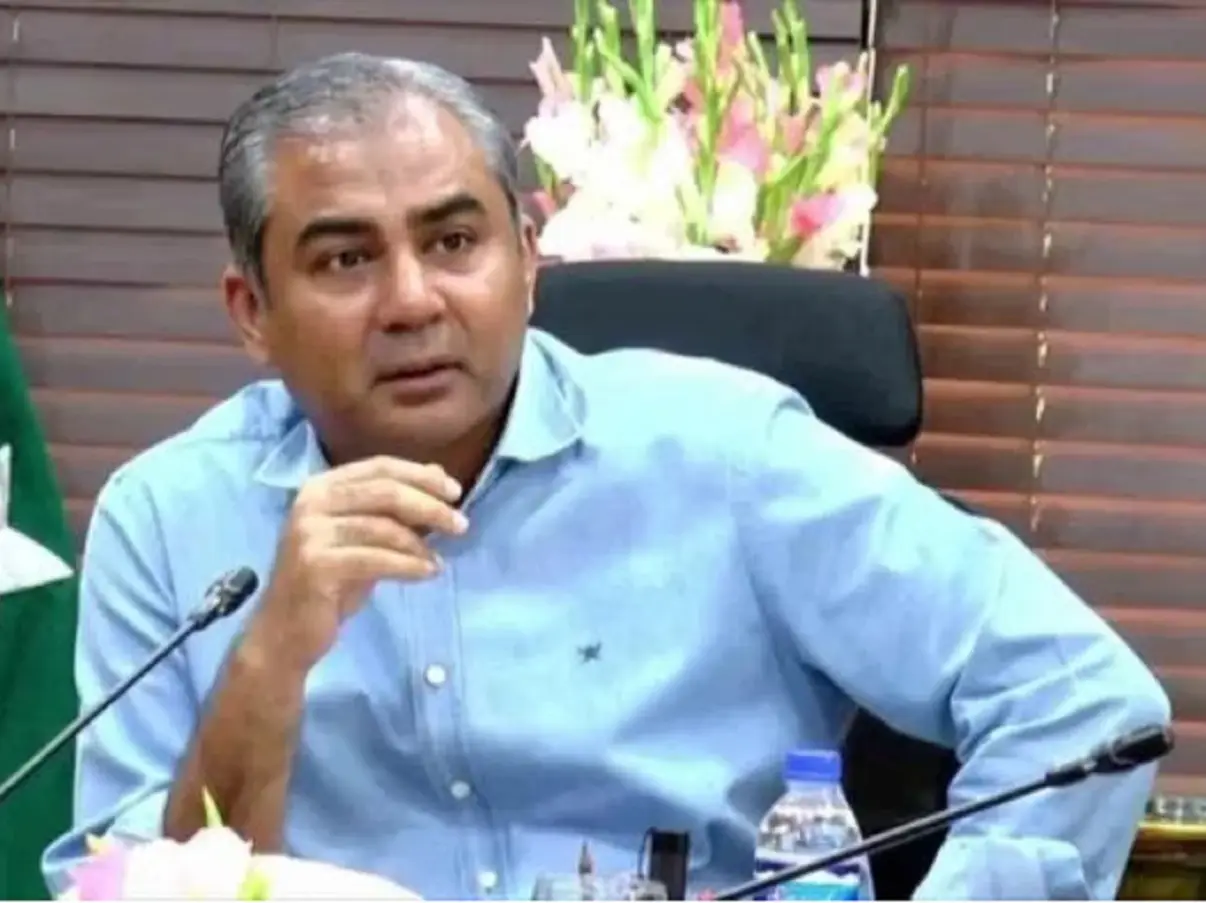)
Pakistan minister admits ‘system has collapsed’, Munir pushes for more provinces | Gravitas
While the workers will be fined US$2,900, the union will have to pay US$3,66,497 for striking.
A rarely used legal mechanism known as the notwithstanding clause is being invoked to implement the bill. The clause allows provincial governments to override some portions of the charter for a five-year period. It needs to be highlighted that the bill breaches the country’s Charter of Rights and Freedoms and the Human Rights Code. However, the government says that right now its focus is to avoid a strike.
Canada’s justice minister has called the legislation “exceedingly problematic”, but experts say that the federal government can't do much to stop it.
Also Read |Canada's Supreme Court to decide whether the US is 'safe' place for migrants
Lawyers are also concerned about the government’s pre-emptive use of the clause.
“The Ford government is essentially saying it is above the law. This is not just an attack on the fundamental charter rights, human rights and labour rights of education workers. It’s also an attack on our constitutional democracy and the rule of law,” Adrienne Telford, a constitutional and labour lawyer, told Guardian.
Canada’s top court had recognised workers’ right to strike in 2015.
“Workers weren’t even allowed to exercise their right to strike. It’s pre-emptively taken that away. But what’s even more shocking is that the government isn’t replacing their fundamental right to strike with the right to arbitration,” she said. “Basically, this is an attempt by the government to avoid having to appear before an independent arbitrator and not get what it wants.”
(With inputs from agencies)

