&imwidth=800&imheight=600&format=webp&quality=medium "B2 bombers failed? Only 1 out of 3 Iranian nuclear sites hit by US suffered. Fordow ‘mostly destroyed,’ Natanz and Isfahan were…")
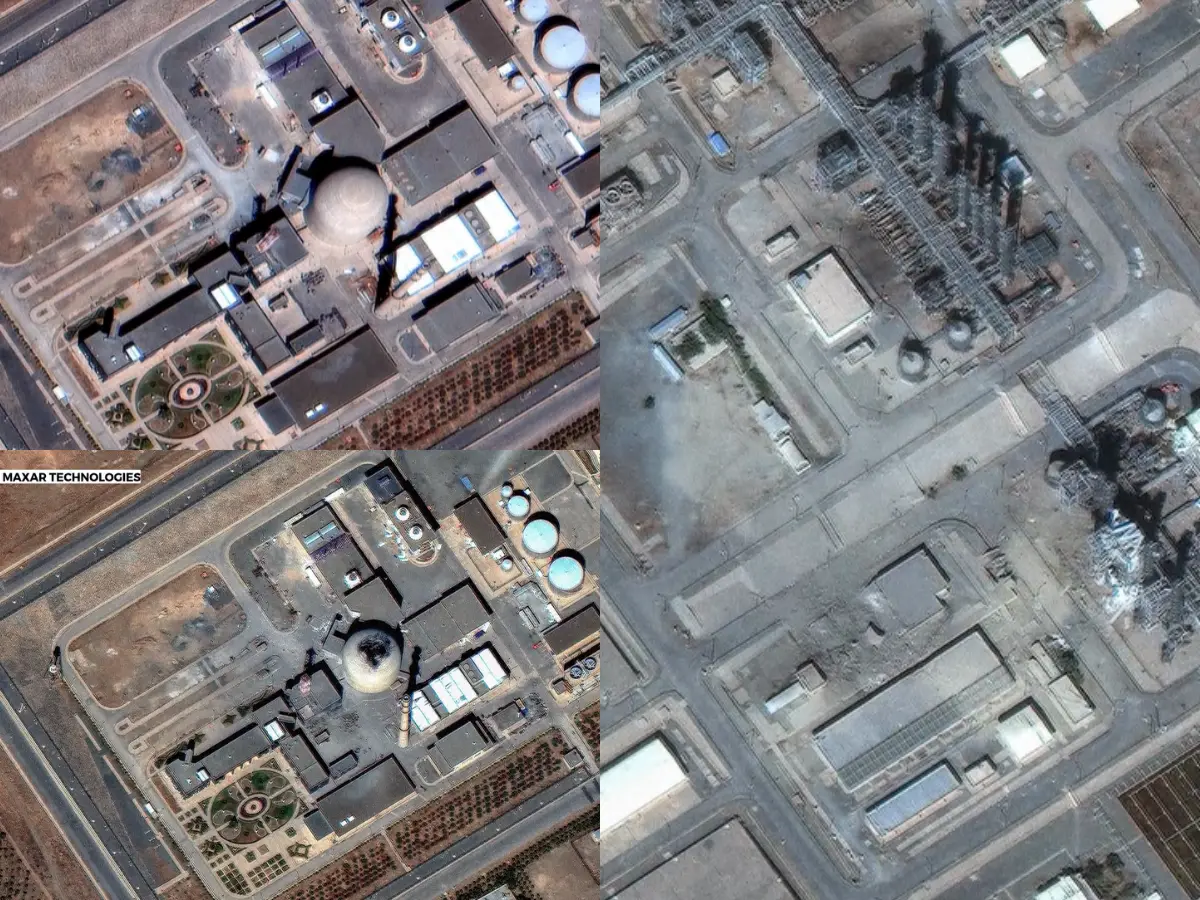
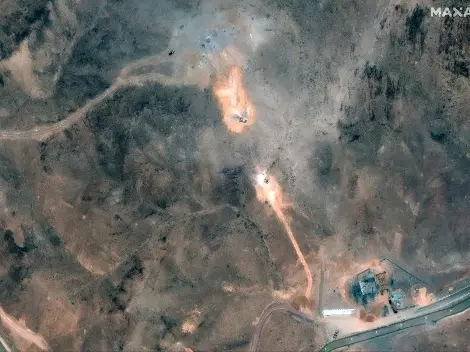
US strikes on Iran nuclear sites new assessment: Out of the three Iranian nuclear sites hit by the US B2 bombers and Tomahawk missiles in June, only one - Fordow- was ‘mostly destroyed’ while the other two - Natanz and Isfahan - were less damaged. The latter two might still have the capability to resume nuclear enrichment within months if Iran chooses to do so. This is as per a new US assessment, as reported by NBC News on Thursday (July 17).
How much were the Iranian nuclear sites damaged in US strikes?
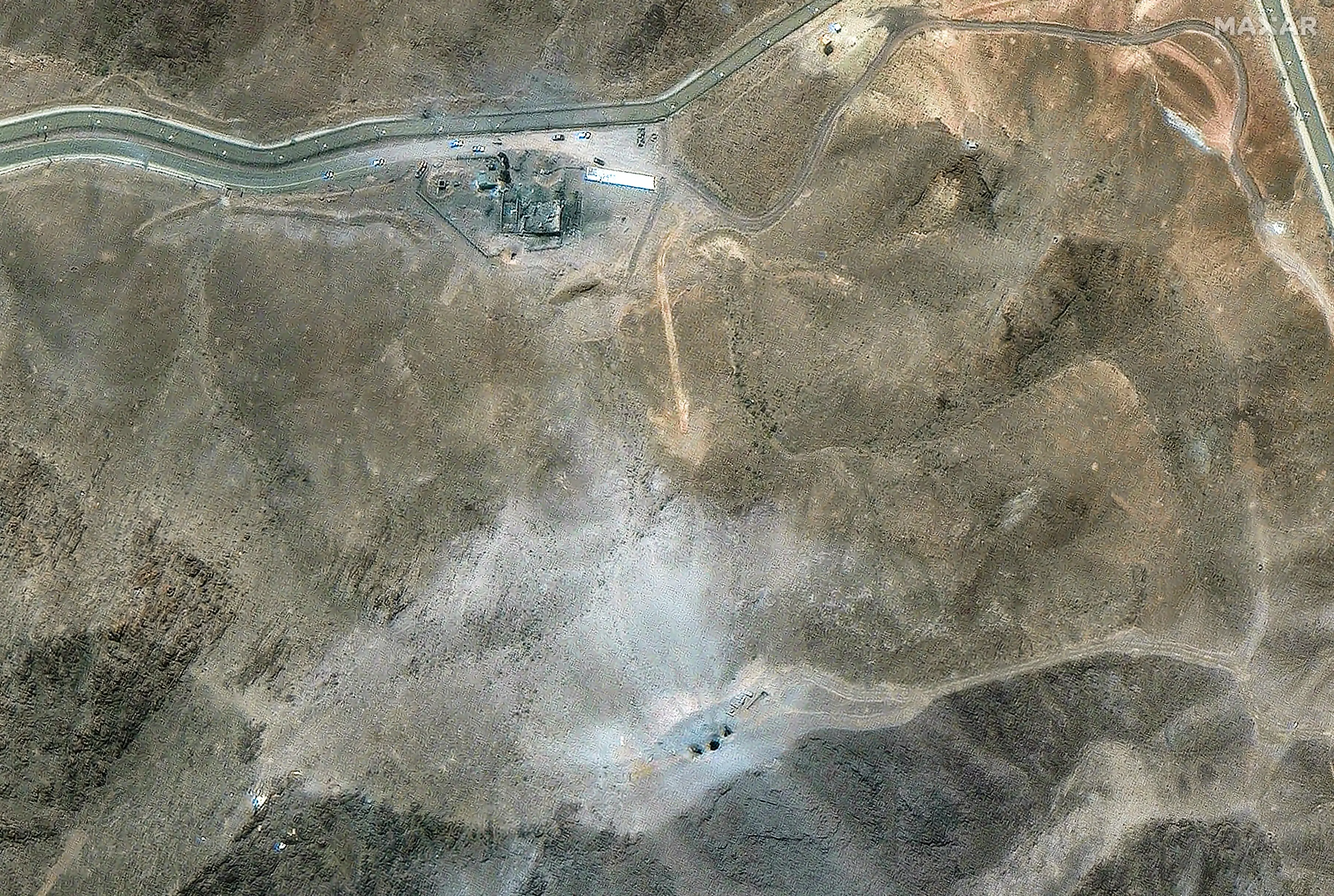
As per the US assessment, the Fordow uranium enrichment site was set back by as much as two years in the air strikes. The site, deeply buried in mountainous terrain, was hit with 30,000-pound bunker buster bombs or GBU-57s.

But both Natanz and Isfahan have tunnels and facilities likely beyond the reach of GBU-57s, NBC report noted citing US officials.
While surface targets at Isfahan were hit with Tomahawk missiles, GBU-57s were used at Natanz.
Trending Stories
)
'Now come to us': CJP resumes protest after Parliament march violence, calls meeting with Nadda 'waste of time'
)
Iran strikes Amazon data infrastructure in Bahrain, power, water desalination plants in Kuwait
)
Indus treaty can no longer function in its current form, says India; plans 5,500 mw of new J&K hydro projects
)
'George Soros playbook': Understanding the foreign funding network around Sonam Wangchuk
)
Jail over Khamenei post: J&K youth returns home after 3 months in Saudi custody
)
Salman Khan breaks silence on health concerns after viral Mumbai appearance
)
'We acted immediately...': Indian PM Modi breaks silence on paper leaks as NEET protest, calls for Education Minister's resignation grows
)
Sonam Wangchuk's connection with George Soros and Ford Foundation explained!
&im=FitAndFill=(700,400))
Why US fighter jets use seamless bubble canopies compared to Russian jets
)
Student union leaders call off hunger strike at Jantar Mantar after civil society appeal, but protest continues
&im=FitAndFill=(700,400))
Meet top 5 batters with most runs in India vs Zimbabwe T20Is
)
FACT CHECK: Was Abhijit Dipke detained during CJP's Parliament march? Here's what police say
)
Truck loaded with stones, metro stations closed: What's happening at Jantar Mantar now
)
'There is no need for...': PM Modi takes a veiled dig at Rahul Gandhi, sends big message amid Parliament March
&im=FitAndFill=(700,400))
2026 FIFA World Cup awards: Full list of Golden Boot, Golden Ball, Golden Glove and every major winner
)
UP BTech gold medalist dies by suicide after failing in nearly 50 govt job attempts, leaves note for father
&im=FitAndFill=(700,400))
New OTT releases this week (July 20-26, 2026): Musafir Cafe, Adarsh Baal Vidyalaya, 72 Hours- 5 new titles coming on Netflix, Prime Video and more
)
'Guru is the...': Indian Education Minister Dharmendra Pradhan shares message on education amid calls for his resignation
&im=FitAndFill=(700,400))
FIFA World Cup 2026 team of the tournament: The best XI that ruled football’s biggest stage
&im=FitAndFill=(700,400))
Why the F-22’s cockpit glass is thicker than a standard fighter jet
)
Xi Jinping's new AI bloc: China launches 'World AI Body' with Pakistan and Russia in, India out
)
Japan is selling a refrigerator to cool the human body for Rs 9 lakh. It is already a hit in Tokyo
)
'What is wrong...': Anna Hazare breaks silence on Sonam Wangchuk's protest, makes an appeal to Centre
)
3.5-million-year-old mystery creature found in Japan is a 'giant' never seen before
In the June strike that ended the 12-day war between Israel and Iran, Fordow site's work was significantly set back, said the assessment which was given to US lawmakers, defence department officials, and allied countries, reported NBC.
The US strikes reportedly 'buried most enriched uranium' at Isfahan and Fordow, making extraction and enrichment difficult, as per the NBC report.
Israel, which believes that some highly enriched uranium remains buried but is effectively unreachable, has threatened new strikes if Iran tries to recover it.
Iran’s air defences were largely destroyed, making future strikes easier, as per the assessment.
“It was made clear that Iran no longer has any more [air defences], so the idea that they can easily rebuild anything is ludicrous,” the NBC report quoted one official as saying.
The plan was to strike six sites
According to the report, the US Central Command had a plan as early as 2023 to strike Iranian nuclear sites. That plan was more extensive than what finally came about this June. It was to strike six sites over several weeks, deploying air defences and missile capabilities. But President Donald Trump rejected the plan. “We were willing to go all the way in our options, but the president did not want to,” the NBC report quoted an official as saying, as Trump preferred to avoid prolonged conflicts and high casualties on both sides.
Iran nuclear site attacks: Official messaging and reality continue to differ
The extent of damage to Iranian sites following the US strikes has been a major issue of debate inside and outside the US.
Soon after the strikes, Trump called the operation 'a spectacular military success' and claimed that Iran’s key enrichment facilities were "completely and totally obliterated.”
CIA Director John Ratcliffe claimed that the metal conversion facility at Natanz was “destroyed to the point that it would take years to rebuild.”
But soon, various intelligence assessments gave more qualified descriptions, with the latest pointing towards significant damage to Fordow but less to Natanz and Isfahan.
More strikes on Iran nuclear sites can't be ruled out
The report said that the US and Israeli governments are still discussing more strikes in future on the less-damaged sites if Iran rebuilds them.
If Iran rebuilds its nuclear programme or refuses to restart negotiations on it, the US could again enter the conflict.