

&imwidth=800&imheight=600&format=webp&quality=medium "Iran suspends cooperation with UN nuclear watchdog IAEA days after US strikes - What this means | WION Explains")
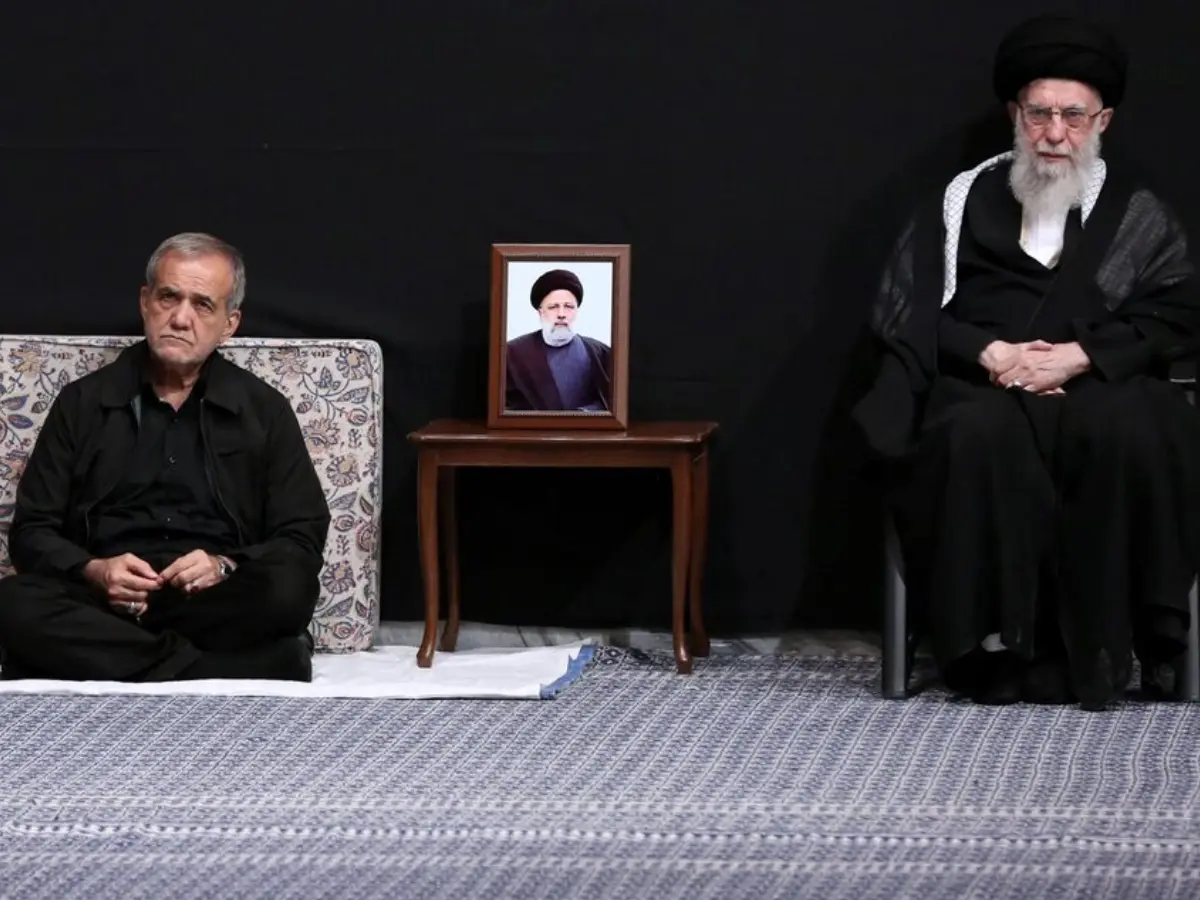
Iran's President Masoud Pezeshkian has granted final approval to a law to suspend cooperation with the United Nations nuclear watchdog the International Atomic Energy Agency (IAEA), state media said Wednesday (July 2). "Masoud Pezeshkian promulgated the law suspending cooperation with the International Atomic Energy Agency," state TV said, meaning the measure drawn up in the aftermath of the Iran-Israel war last month is now in effect. This comes a week after the Iranian Parliament approved a bill suspending cooperation with IAEA. The decision followed recent US strikes on three Iranian nuclear sites in Esfahan, Fordow, and Natanz. During an open session of Parliament, Iranian lawmakers agreed on the general outline of a plan with 223 representatives present at the session, 221 voted in favour, one voted against, and one abstained.
Earlier, Foreign Minister Abbas Araghchi slammed IAEA chief Rafael Grossi and said, “Grossi’s insistence on visiting the bombed sites under the pretext of safeguards is meaningless and possibly even malign in intent…Iran reserves the right to take any steps in defence of its interests, its people and its sovereignty.” On the same lines, Iranian President Pezeshkian told his French counterpart Emmanuel Macron that Tehran had halted cooperation with the IAEA due to what he called Grossi’s “destructive” behaviour towards Iran. Iranian officials have sharply criticised the IAEA not only for failing to condemn the Israeli and US strikes, but also for passing a resolution on June 12 accusing Tehran of non-compliance with its nuclear obligations, the day before Israel attacked. A ceasefire between Iran and Israel was announced on June 24 and has held forth since then.
What are the implications of Iran suspending cooperation with IAEA?
The IAEA plays a central role in maintaining international peace and security by verifying that nuclear programmes around the world are strictly peaceful in nature. Amid the West's allegations that Iran was close to develop a nuclear weapon, it was important that IAEA keeps a check on Iranian facilities. Though the US has said that Iran's nuclear capabilities are 'obliterated', IAEA checks would have helped Iran improve its own standards, benefitting its civilian nuclear ambitions while avoiding environmental or safety disasters. Iran suspended its formal nuclear weapons program in 2003, and claims its program is for peaceful purposes only. By banning IAEA, Iran is effectively suspending all transparency mechanisms related to its nuclear program.

