Blinken says US ties with India, Pakistan are ‘fundamentally different’


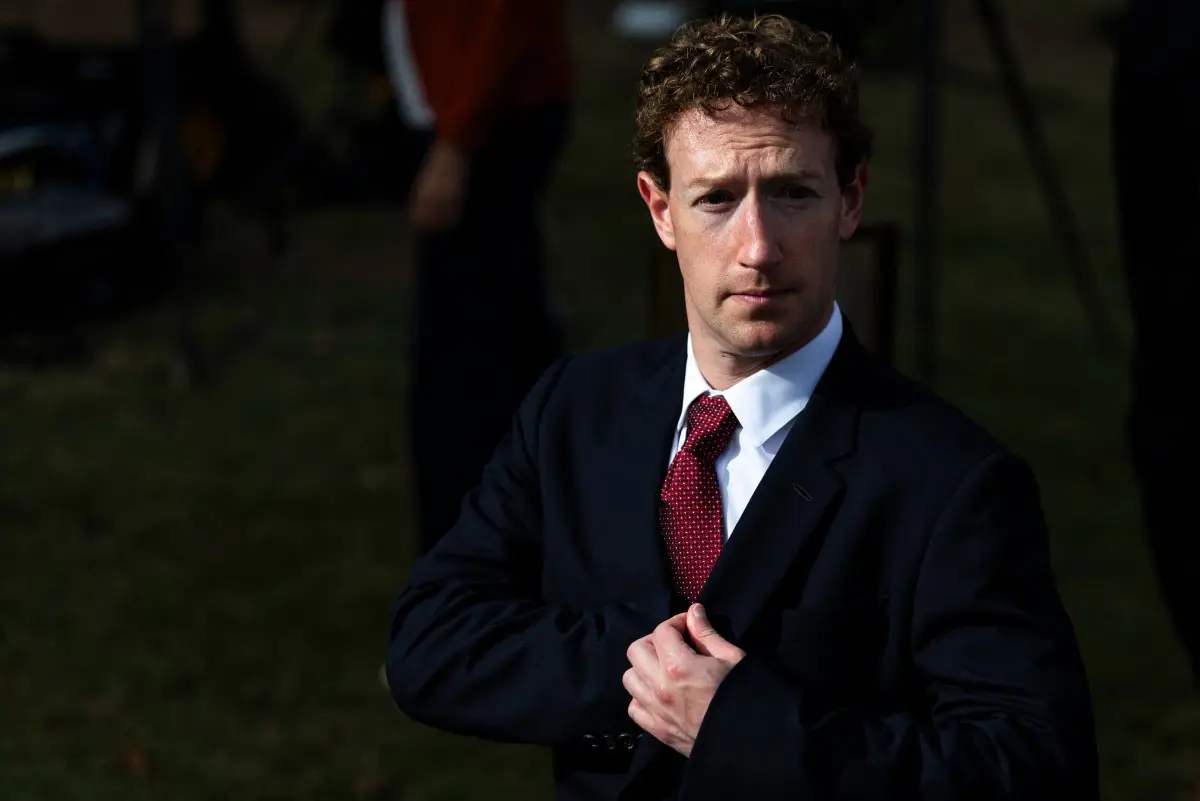
Former US Secretary of State Antony Blinken Photograph: (AFP)
Former US Secretary of State Antony Blinken backs India's right to defend itself, says Washington's ties with New Delhi and Islamabad are fundamentally different.
Former US Secretary of State Antony Blinken said on Saturday that Washington's relationships with India and Pakistan are "fundamentally different". He said the US must respect India's right to defend itself and keep a zero-tolerance policy toward terrorism.
Speaking at the Hindustan Times Leadership Summit 2026 in a conversation with Jawed Ashraf, chairman of the India Trade Promotion Organisation, Blinken said: "India is a global force." He said US ties with India are global in nature, while those with Pakistan are regional and focused on areas such as counterterrorism.
“We have to have a zero-tolerance policy for terrorism. Period. And that means that we have to have respect for India's right to defend itself,” he added.
Blinken said the US approach should include support for India's efforts to respond to attacks, along with diplomatic efforts to prevent escalation between the two nuclear-armed neighbours.
On Russia, Blinken said Washington was not asking New Delhi to sever its longstanding ties with Moscow, but wanted India to diversify its energy and defence supplies. He attributed recent strains in India-US ties to personalities as well as differences over tariffs and energy, and called it very hypocritical for the US to press India over Russia while waiving sanctions on Moscow itself.
He described the relationship as having moved from estrangement to a strategic partnership built on converging interests and people-to-people links.
Trending Stories


Blinken said technological cooperation on semiconductors, AI and space will drive the next phase of India-US relations. He warned that the US risks weakening itself by damaging cooperation between government, universities and research institutions and by becoming less welcoming to skilled people from abroad, calling this a "self-inflicted wound."
He called the US-Israeli military campaign against Iran, launched in February under President Trump, a "war of choice" and an "unnecessary war." He said the first Trump administration's 2018 withdrawal from the 2015 nuclear deal contributed to the crisis, after which Iran accelerated its nuclear programme. He argued that continued military action will not resolve the issue.
“It is very hard to try to force this Iranian regime to capitulate; it is possible to get it to negotiate. And these are very different things,” he said.
On the wider West Asia conflict, Blinken said a lasting settlement requires resolving the Palestinian question, with a sovereign Palestinian state alongside a secure Israel.
“There are seven million Jews in Israel. There are seven million Arabs and Palestinians between Israel proper, the West Bank and Gaza. No one is going anywhere despite what extremists on both sides would like to see happen," he said.
Blinken left office with the change of administration and was criticising the trade and foreign policy of the Trump administration. Democrats have swept Congress in the US midterms and are looking at the prospect of the next Presidential run.