Amid tensions with China, Taiwan military unveils exoskeleton suit for soldiers

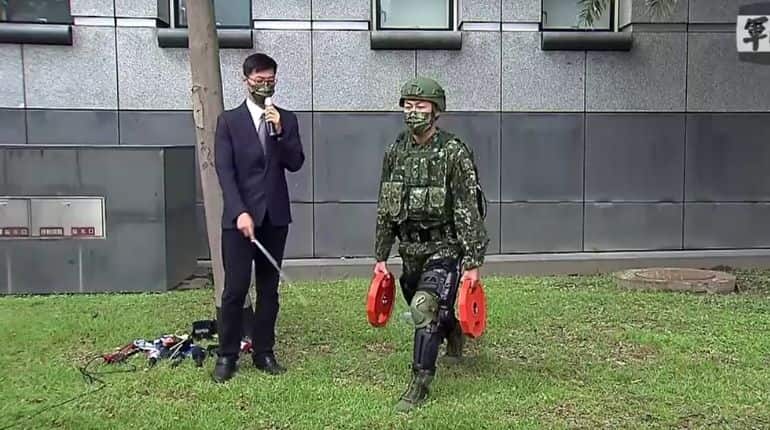
Soldier demonstrates movements while wearing exoskeleton suit.
Taipei's military recently introduced its first generation of battery-powered exoskeletons, designed to improve the efficiency and endurance of soldiers in the field.
It is possible that soldiers will one day use these exoskeletons during warfare or humanitarian missions.
The suit, which is attached to the legs, works by increasing the efficiency of the human body. It does so by supporting the knees, thereby reducing the loads that are placed upon soldiers' lower limb joints.

A military official said the 10-kg (22 lb.) lower bodysuit, in its present state, provides 40 Newton-meters of torque, is capable of carrying heavy loads and of allowing soldiers to move at speeds up to six kilometres per hour (3.7 mph). Once fully charged, the suit can last for upwards of six hours with its lithium battery module.
Future versions of the device will reportedly deliver torque in the range of 50 Newton-meters and allow the wearer to lift objects between 40 and 100 kilograms (88 and 220 pound. Consequently, the device will be heavier and weigh around 53 pounds.
)
Gaza under attack: Health chief's son killed in IDF strikes
)
Cochin shipyard starts building Indian Navy's next-gen missile vessels
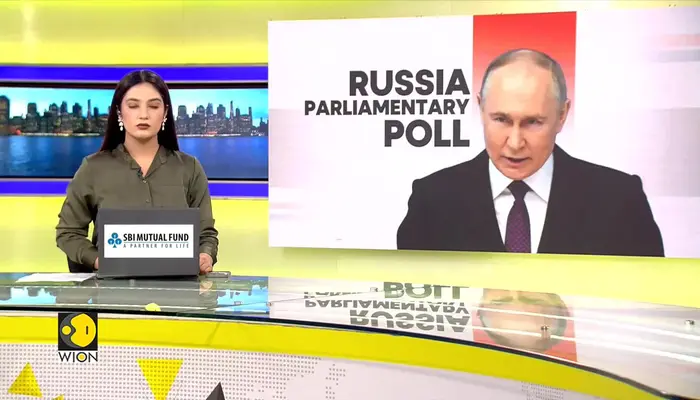)
Russia holds first parliamentary elections since the beginning of the Ukraine war
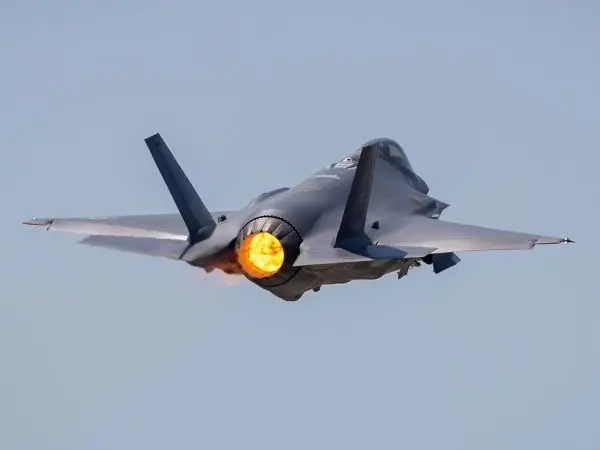)
China may have gained access to US's classified F-35 jets; parts meant for repairs diverted to Hong Kong, sparking Pentagon inquiry
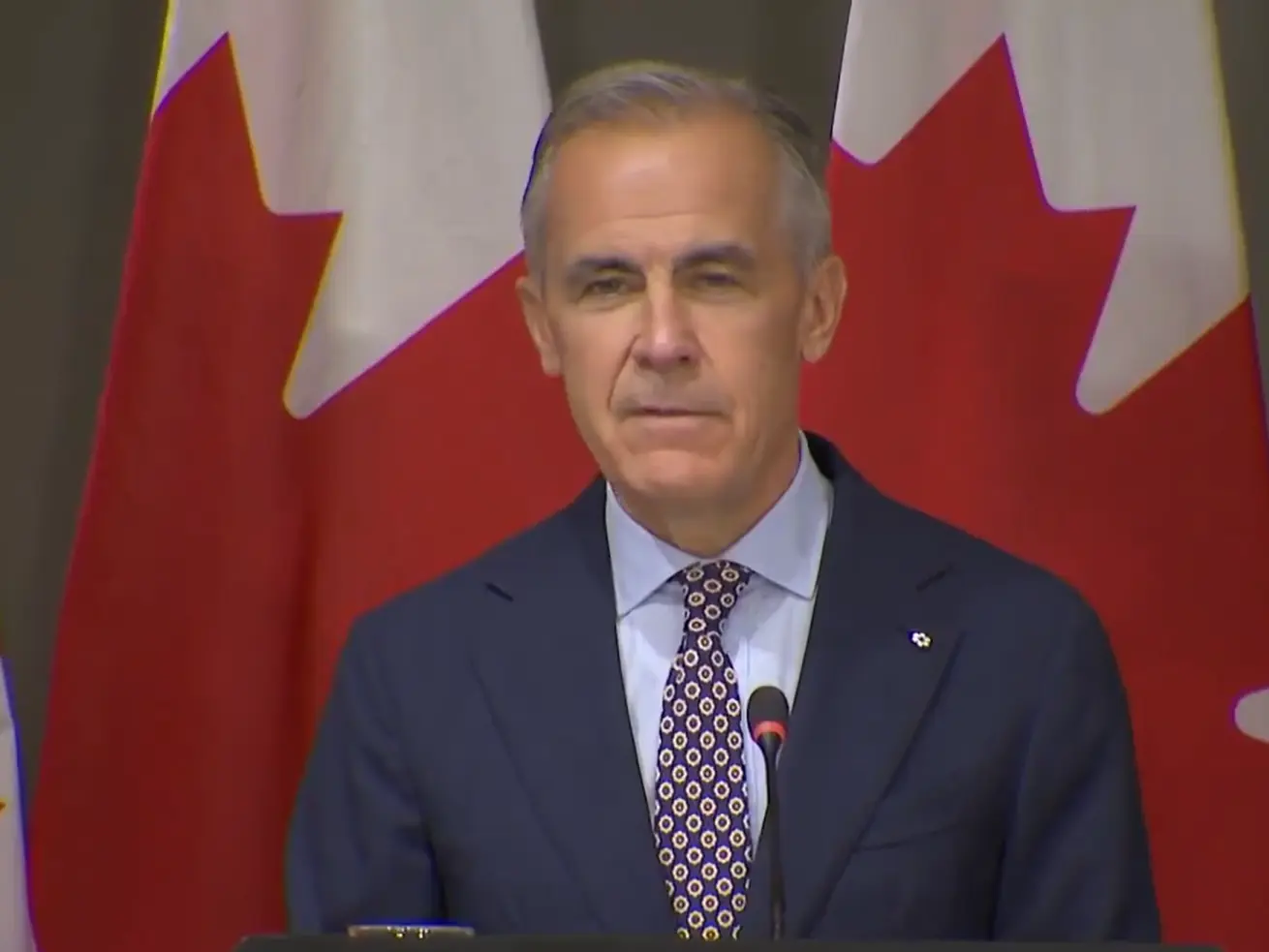)
Mark Carney mimics Trump in hilarious moment over C$70 billion clean-energy investment; room erupts in laughter
)
9 women found dead near Johannesburg: South Africans rally, demand 'enough' to femicide
)
Pentagon revives mandatory testosterone testing for male troops aged 30 and above
)
Russia extends ban on Western food imports for two more years in extended sanctions countermeasure
)
Iran sets 7 conditions to end war with US: What are Tehran’s demands?
)
Flying cars in UAE: Ras Al Khaimah signs deal with Chinese company to test new transport
)
Africa is splitting, and a lot sooner than estimated, giving way to a new ocean
&im=FitAndFill=(700,400))
‘Not the US or China’: These are the countries leading the world in arable land
)
The Verdict | When precision fails: US commits war crime in Minab school strike, UN finds
)
FACT CHECK: Why did PM Modi ask Xi ‘is it okay’ at BRICS Summit? New video reveals...
)
‘Will go to any extent’: Pakistan vows to defend Saudi Arabia amid Houthi attacks
)
Trump defends AI amid growing alarm, announces new 'AI force' and promises an 'AI czar'
)
Reacher star Alan Ritchson opens up about alleged blackmail, suicide attempt during difficult period
)
Trump 2.0: Dark days ahead for America’s ‘imperial presidency’
)
Nigeria: Protesters take to the streets, police fire shots
)
Tirupati Laddu ghee adulterated with chemicals, says ED, supplier arrested
)
Arvind Kejriwal, family members, Delhi CM Rekha Gupta get SIR notices
)
Ed Sheeran addresses Macklemore's removal, Gaza conflict during Philadelphia concert: 'I cannot hide how I feel'
)
Brigitte Bardot’s private collection set for Paris auction; key items and prices revealed
)
Harry Brook targets long reign at top of T20I rankings after Sri Lanka sweep
&im=FitAndFill=(700,400))
How many F-35s does Britain, Japan and Israel have?
)
US-Iran war: Tehran draws red lines — seven demands before any peace talks
)
Trump wants to rename ‘Artificial Intelligence’, gives 3 options: Which one would you pick?
)
Trump announces ‘AI Force’ as debate grows over AI risks and regulation
66 years of the Indus Waters Treaty: How India and Pakistan settled a bitter river dispute
)
Raphinha hat-trick powers Barcelona to 3-1 win over Sevilla in La Liga
)
Trump bans CNN, MS NOW and Politico from White House over ‘FAKE NEWS’
&im=FitAndFill=(700,400))
Ananya Panday to Sharvari: 5 actresses serving major princess vibes
&im=FitAndFill=(700,400))
Meet top 5 Indian batters with fastest T20I centuries
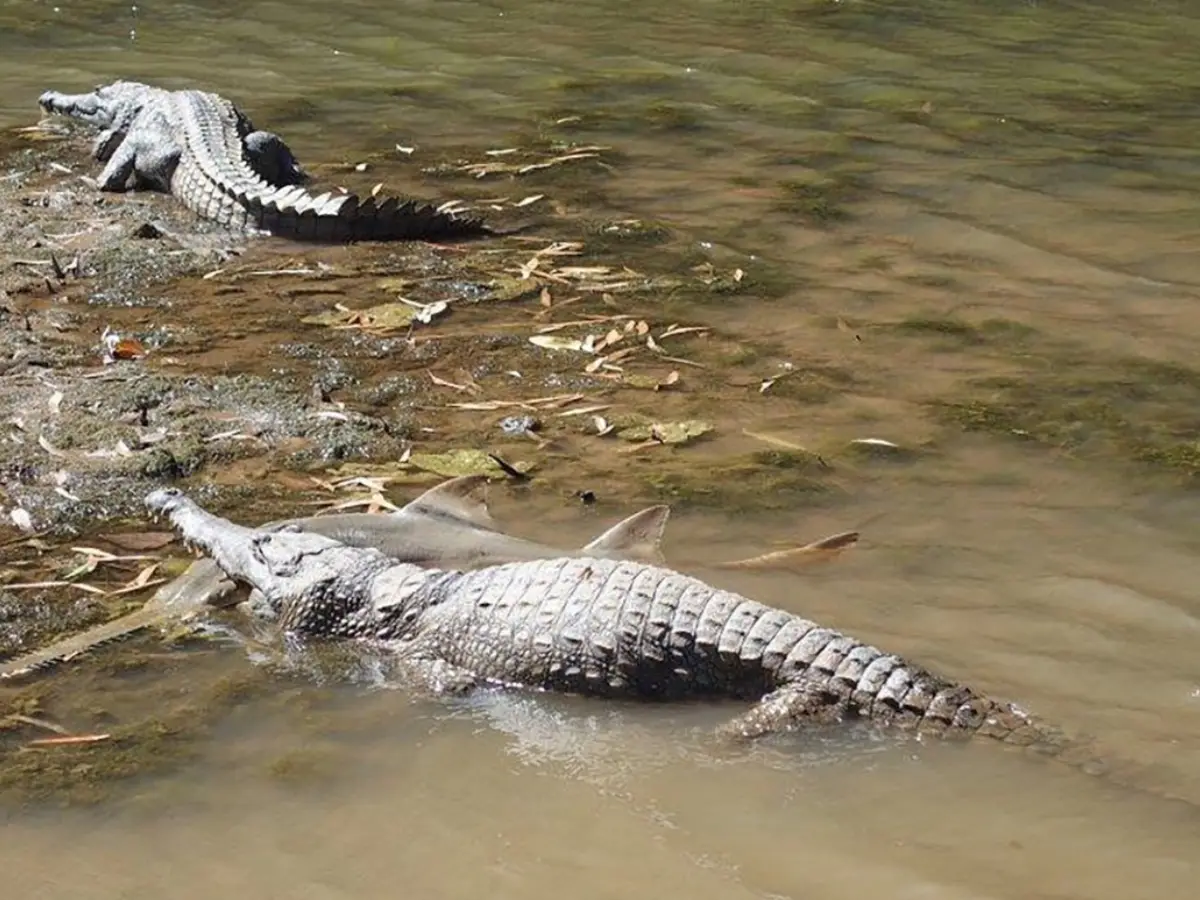)
How did an Australian river with 500 crocodiles pass the Olympic test? Here's how
)
Pak: A series of counter terrorism operations in Khyber Pakhtunkhwa
)
Exoskeletons are external structures that provide support and protect the body from the outside.
Powered exoskeletons have been studied for decades because they could potentially assist people with lifting heavy objects or moving over rough terrain. Studies have been conducted on their use in military, civilian, and healthcare contexts.
National Chung-Shan Institute of Science and Technology (NCIST), one of Taiwan's top weapon makers, developed the suit to help improve the soldiers' performance on the battlefield and reduce fatigue in post-disaster rescue and relief operations.
It's thought that the suit could help soldiers to carry ammunition, rescue soldiers or complete other tiring tasks.
A budget proposal submitted by Taiwan's defence ministry shows that the powered exoskeleton suit is part of a four-year NT$158 million ($5.67 million) project running from 2020 and 2023.
At present, Taiwan is embroiled in tensions with China due to Beijing's claim that Taiwan is in fact a breakaway province of China. This claim is, however, denied by Taiwan. Moreover, the conflict has resulted in sharp statements from both sides as well as an increase in Chinese airspace incursions.

