

&imwidth=800&imheight=600&format=webp&quality=medium "'Work from Home' for US soldiers? Iran attacks damaged their Gulf bases so much that some now operate from hotels, remote locations: Report")
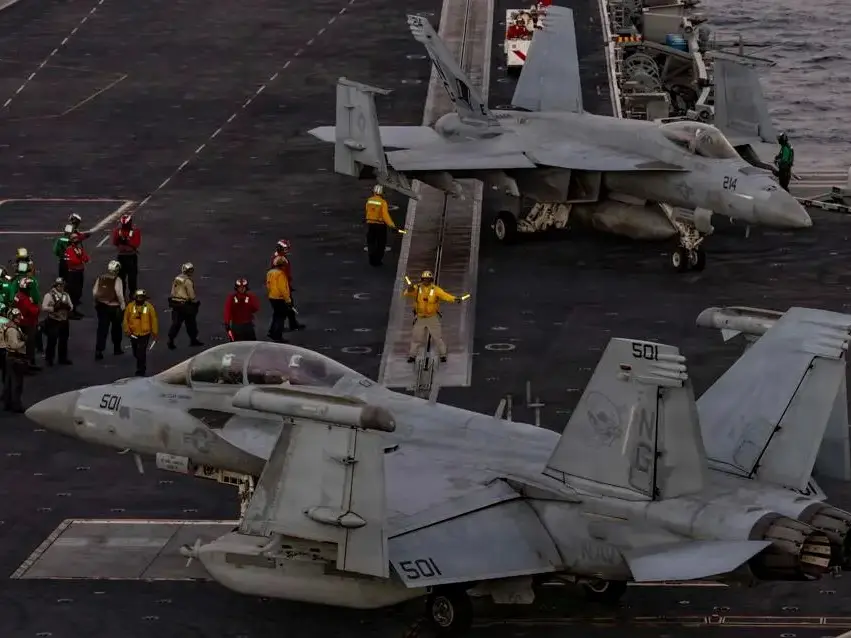
A New York Times report has claimed that many American troops in West Asia were forced to relocate to hotels and office spaces throughout the Gulf region after Iran bombed their bases. Citing military personnel and American officials, the report said that the land-based US military is, in essence, fighting the war while working remotely. The only exceptions are fighter pilots and crews operating and maintaining jets and conducting strikes, it said.
US bases in Gulf region now vulnerable due to Iran bombardment
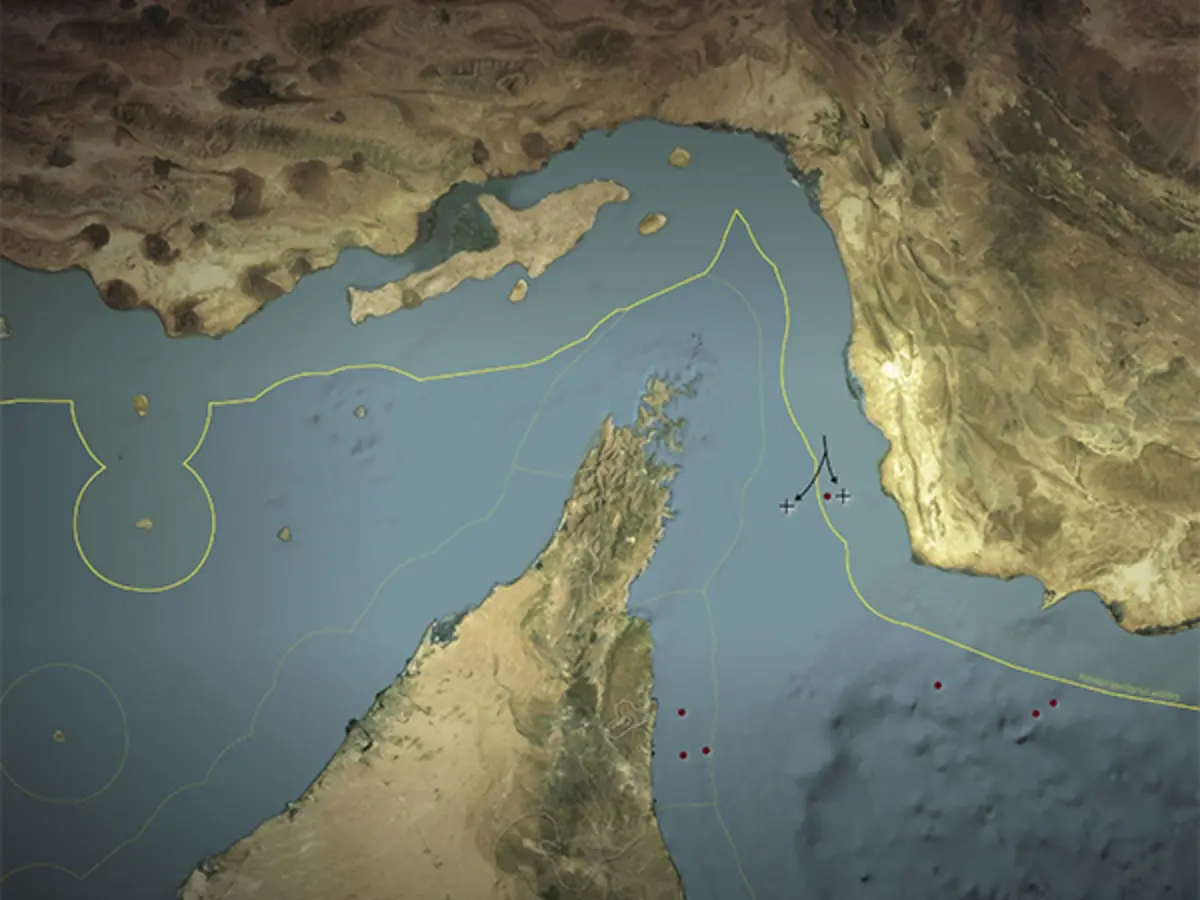
In response to the joint US-Israel strikes since February 28, Iran has launched missile strikes on US bases across the Middle East. With their bases now vulnerable, many troops have been dispersed or relocated to “alternative” locations.
Iran’s Islamic Revolutionary Guards Corps (IRGC) has urged civilians to report US troop locations.
Thousands of US troops are now dispersed
Thoudands out of of the nearly 40,000 US troops in the region have now been dispersed, some even to Europe. Many remain in the Middle East in less secure, improvised locations, as per the NYT report.
Trending Stories
&imwidth=180&imheight=135&format=webp&quality=medium)
Pakistan to head IMF, World Bank boards after 74 years amid persistent economic crisis
&imwidth=180&imheight=135&format=webp&quality=medium)
IND-W vs ZIM-W, 1st T20I: Deepti Sharma, Niki Prasad shine as India beat Zimbabwe by four wickets
&imwidth=180&imheight=135&format=webp&quality=medium)
US midterms 2026: Ken Paxton may have Elon Musk to thank if he wins the Texas Senate race. Here's why
&imwidth=180&imheight=135&format=webp&quality=medium)
Trump invokes national interest to waive new Russia sanctions, tariffs; India gets relief from 100% tariff threat
&imwidth=180&imheight=135&format=webp&quality=medium)
Ankita Bhandari murder case: Parents meet CBI, seek impartial investigation
&imwidth=180&imheight=135&format=webp&quality=medium)
Lizard people? Ex-US Army sniper claims soldier killed by 'reptilian beings' in battle near Area 51
&imwidth=180&imheight=135&format=webp&quality=medium)
Gravitas | Iran threatens to hit key bridges in 7 countries if US resumes strikes
&imwidth=180&imheight=135&format=webp&quality=medium)
Ukraine drone strike disrupts 22 Russian airports, over 200 flights

Not Khan but Pal: Why did Imran Khan choose his mother's surname over his father's? Family tree explained
&imwidth=180&imheight=135&format=webp&quality=medium)
A secret code, a midnight escape and 300 deaths: The Russian officer who turned on Putin
&imwidth=180&imheight=135&format=webp&quality=medium)
'Reason UN has lost credibility': Amid SIR protests India hits out at report alleging 'youth repression'
&imwidth=180&imheight=135&format=webp&quality=medium)
Oregon school shooting: 16-year-old shooter identified, used shotgun bought by mother; Trump praises bystander who shot gunman as 'great hero'
&imwidth=180&imheight=135&format=webp&quality=medium)
China tells Israel to stop West Bank settlements, calls Palestine issue ‘historic injustice’
&imwidth=180&imheight=135&format=webp&quality=medium)
‘My president, I mean my husband’: Trump's new press secretary Katie Zacharia's first briefing goes off the rails in 14 minutes
&imwidth=180&imheight=135&format=webp&quality=medium)
China responds to Trump's Press Secretary Katie Zacharia after toilet remark: 'Visit China more often'
&im=FitAndFill=(700,400)&imwidth=180&imheight=135&format=webp&quality=medium)
Who left the White House podium the fastest? Press secretaries with the shortest stints
&imwidth=180&imheight=135&format=webp&quality=medium)
Vijay Deverakonda and Rashmika Mandanna's Ranabaali X Review: Netizens call it history-rich but overstuffed
&imwidth=180&imheight=135&format=webp&quality=medium)
Ramayana Part 1: Sai Pallavi's warrior avatar as Sita steals the spotlight in new BTS footage
&imwidth=180&imheight=135&format=webp&quality=medium)
Israel examines Russia's Shahed-type drones sent by Ukraine to combat Iran | Gravitas
&imwidth=180&imheight=135&format=webp&quality=medium)
US midterms 2026: Alexandria Ocasio-Cortez donates $1 million to Abdul El-Sayed’s as Michigan race heats up
&imwidth=180&imheight=135&format=webp&quality=medium)
Here’s who is eyeing the White House press secretary role after Katie Zacharia’s exit
&imwidth=180&imheight=135&format=webp&quality=medium)
Infiltration bid foiled in Kupwara’s Keran sector, search operation underway
&imwidth=180&imheight=135&format=webp&quality=medium)
Sean ‘Diddy’ Combs transferred to new prison amid reports of special privileges
&imwidth=180&imheight=135&format=webp&quality=medium)
Abhishek Sharma sets all-time record for most T20I sixes in a year
&imwidth=180&imheight=135&format=webp&quality=medium)
No Ravindra Jadeja, Yashasvi Jaiswal in India’s 2027 ODI World Cup plans: Report
&im=FitAndFill=(700,400)&imwidth=180&imheight=135&format=webp&quality=medium)
Inside Tesla's Roadster: 10 features of Elon Musk's 'flying car' that push the limits of electric vehicles | In Pics
&imwidth=180&imheight=135&format=webp&quality=medium)
India’s naval priorities: Ex-Navy Chief calls for third aircraft carrier, more warships and submarines
&imwidth=180&imheight=135&format=webp&quality=medium)
Starlink says 'ready to connect India with high-speed internet' amid Reliance row
&im=FitAndFill=(700,400)&imwidth=180&imheight=135&format=webp&quality=medium)
New Friday OTT releases (October 16, 2026): DC, Sacrifice, Aasha- 6 new movies and TV shows coming on Netflix, Zee 5, Prime Video and more
&imwidth=180&imheight=135&format=webp&quality=medium)
One species, two lineages: Why Sri Lanka’s spectacled cobra differs genetically from Indian variant
&imwidth=180&imheight=135&format=webp&quality=medium)
Oil tanker carrying over 2M barrels of crude hits mine in Strait of Hormuz, catches fire, says Iran
&imwidth=180&imheight=135&format=webp&quality=medium)
Selma Blair’s team responds to flight incident, says actress ‘did not intend to harm anyone’

US ends automatic work permit extensions; Indian workers lose 540-day safety net: What it means
&imwidth=180&imheight=135&format=webp&quality=medium)
US lawmaker Pramila Jaypal writes to Rubio, urges to raise handling of CJP protest with India
One official said this shift has made the war “much harder to prosecute,” reducing operational capability.
Also read: 'If they take any step…': Iran threatens retaliation over plan to 'occupy island by enemies'
How exactly are American troops operating remotely?
According to the report, US troops are operating in a operating in a dispersed, improvised network, instead of centralised bases. They have set up “expedient operation centres” in hotels, office buildings, and other temporary facilities across the region. They continue to carry out core tasks like intelligence analysis, targeting, coordination of strikes, and command-and-control functions using portable and scaled-down systems, said the report.
Warfighting from remote locations is not a feasible option
The paper quoted Retired Air Force specialist Wes J Bryant as saying: “You can’t just put all that equipment on the top of a hotel… Some of it is unwieldy.”
“You’re absolutely going to lose capability.”
Iran’s ballistic capabilities rendered traditional US bases unsafe
The ballistic missile and drone capabilities were on full display in Iran during this conflict,
reflecting poor prewar planning. The US did not anticipate it or evacuate nonessential personnel.
The facilities were not reinforced and US troops were not prepared or did not have the right equipment ahead of the Iran strikes. At Prince Sultan Air Base in Saudi Arabia, a lack of reinforced structures contributed to casualties in an attack, said the NYT report.
Refuelling tankers were deployed hastily with minimal preparation. And a collision between two KC-135 aircraft killed six service members over Iraq.
US military is capable of decentralised execution, but it comes with costs
The US military can continue operations even when dispersed. As one official told the paper, “down to the last individual soldier, we’re still going to be operating.” But still, there are some tradeoffs in this scenario.
The remote setup limits war effectiveness as critical equipment cannot be fully deployed in such spaces as much as at established military bases.
Disclaimer: WION takes utmost care to accurately and responsibly report ongoing conflicts in West Asia involving Israel, Iran, US, Gulf nations and non-state actors like Hezbollah, Hamas, Houthis, Islamic State, and others. Claims and counterclaims, disinformation and misinformation are being made online and offline. Given this context, WION cannot independently verify the authenticity of all statements, social media posts, photos and videos.

