

&imwidth=800&imheight=600&format=webp&quality=medium "'We're inclined to go there': Iran war peace talks second round host nation, US negotiation team and other details. What we know so far")
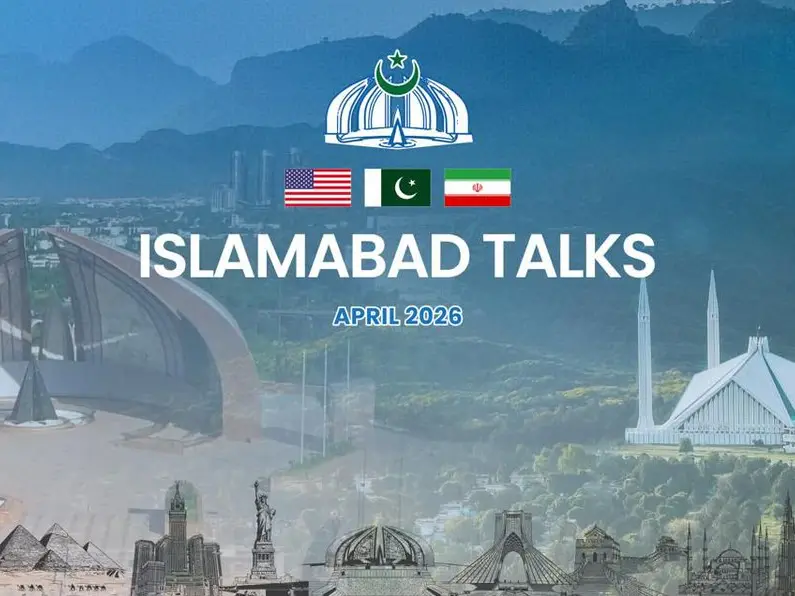
Multiple reports suggest that a second round of talks to end the Iran–US–Israel war is likely in the coming days. US President Donald Trump said on Fox News that he thinks the war, which started on 28 February, is closer to ending. The venue and delegations for the potential second round of talks have yet to be officially disclosed. But significantly, the second round will take place after the US hosted, for the first time, delegations from Lebanon and Israel to end the Hezbollah–Israel war, which has become a sticking point in the broader Iran war. After the collapse of the first round over the weekend of 11–12 April in Islamabad, in which direction are the peace talks heading? Here is what we know.
Vance likely to lead second round of Iran talks, say reports
While no official communication is out at the time of writing, the two sides are actively discussing a potential second round of direct, high-level, face-to-face talks.
The aim of the negotiations is to extend or solidify the fragile two-week ceasefire and address core issues such as Iran’s nuclear programme, the opening of the Strait of Hormuz, anti-Iran sanctions, and regional de-escalation.
CNN reported that US Vice President JD Vance is expected to lead a potential second round of Iran talks. He will be joined by US Middle East envoy Steve Witkoff and former White House adviser and Trump’s son-in-law, Jared Kushner, the channel reported.
Trending Stories
&imwidth=180&imheight=135&format=webp&quality=medium)
Brendan Taylor overtakes Andy Flower to become Zimbabwe’s leading ODI run-scorer
&imwidth=180&imheight=135&format=webp&quality=medium)
Researchers name newly discovered Andean plant after Argentina legend Lionel Messi
&imwidth=180&imheight=135&format=webp&quality=medium)
Lawrence Bishnoi gang claims responsibility for firing at Tiger Shroff over ties to Salman Khan
&imwidth=180&imheight=135&format=webp&quality=medium)
Flying car race: Alef Aeronautics welcomes Tesla Roadster '11 years' later, but are the two models the same?
&imwidth=180&imheight=135&format=webp&quality=medium)
KATSEYE performs at Victoria’s Secret show, teases Sophia Laforteza’s return
&imwidth=180&imheight=135&format=webp&quality=medium)
Shastri backs Shami comeback; lauds Bhuvi and warns Bumrah on format workload ahead of World Cup
&imwidth=180&imheight=135&format=webp&quality=medium)
Saudi Arabia asks skyscraper employees to work from home amid Houthi threats
&imwidth=180&imheight=135&format=webp&quality=medium)
Tiger Shroff shows injuries after Juhu firing incident; Eknath Shinde says Mumbai won’t tolerate gang wars
&imwidth=180&imheight=135&format=webp&quality=medium)
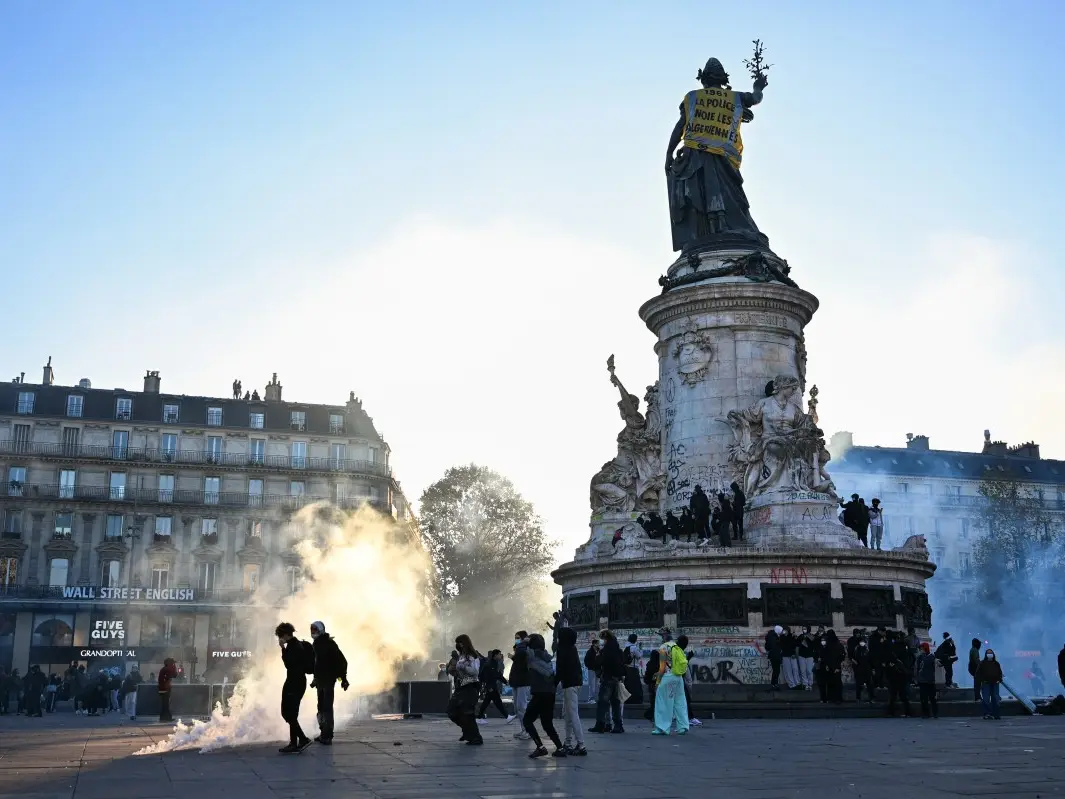
NFl 2026/27 - Saints vs Steelers to go ahead in Paris next week despite protest
&imwidth=180&imheight=135&format=webp&quality=medium)
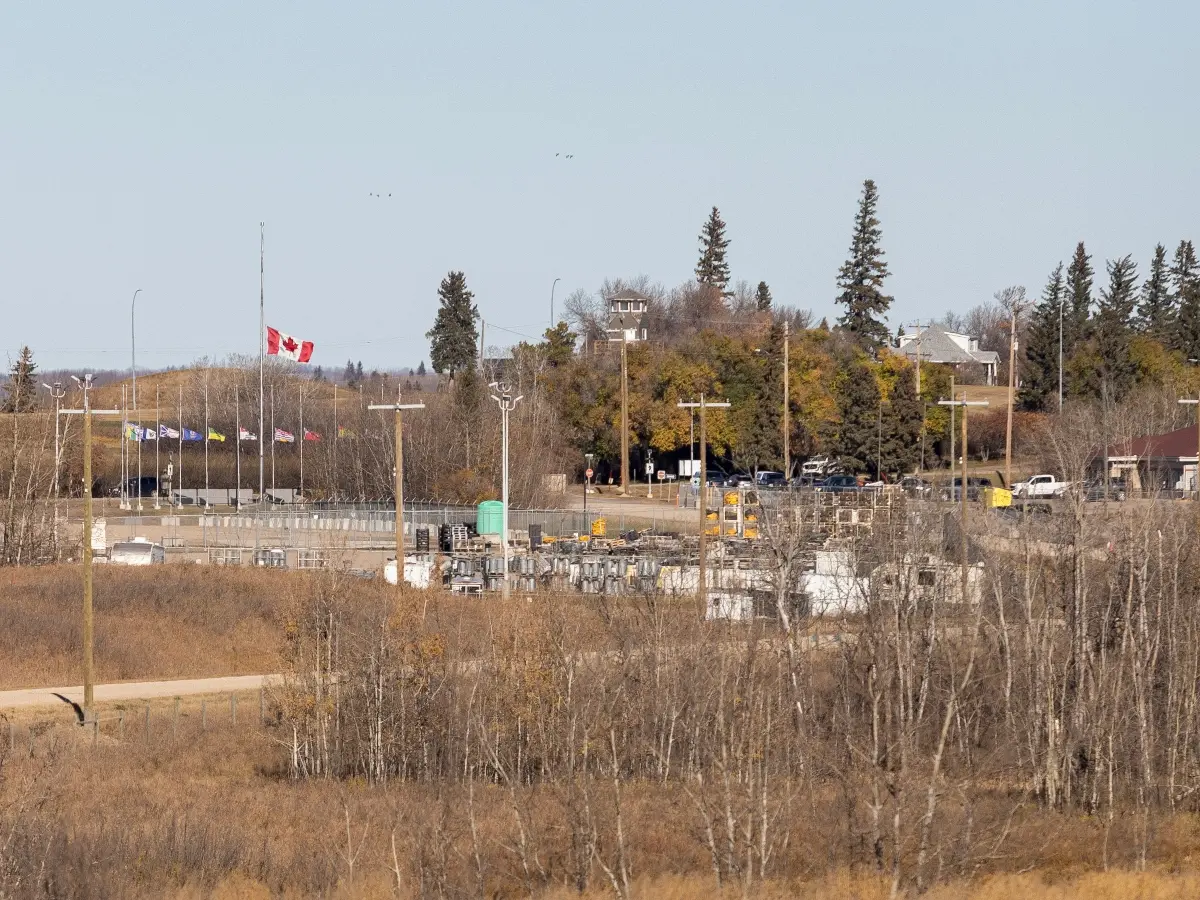
4 killed, 19 critically injured in grass fire at Canada's largest military base
&imwidth=180&imheight=135&format=webp&quality=medium)
Nobel laureate Machado, who dedicated prize to Trump, confirmed as Venezuela opposition leader
&imwidth=180&imheight=135&format=webp&quality=medium)
After Kennedy Center and reflecting pool disputes, Trump turns to Washington golf course plan amid legal battle
&imwidth=180&imheight=135&format=webp&quality=medium)
Why France looks the most fragile in the G7 amid protests and budget deadlock
&imwidth=180&imheight=135&format=webp&quality=medium)
China responds to Trump's Press Secretary Katie Zacharia after toilet remark: 'Visit China more often'
&imwidth=180&imheight=135&format=webp&quality=medium)
Cattle feed found in biscuits of Indian company, FSSAI sends legal notice
&imwidth=180&imheight=135&format=webp&quality=medium)
Anthropic’s public benefit plan: What its 5% share commitment means for AI’s future
&imwidth=180&imheight=135&format=webp&quality=medium)
Girl 'dead' for 8 hours wakes up at her own funeral, dad insists she wasn't breathing
&imwidth=180&imheight=135&format=webp&quality=medium)
MI5 is opening an AI threat centre, and OpenAI just told MPs the worst isn't over
&imwidth=180&imheight=135&format=webp&quality=medium)
Elon Musk features on Lucknow's 'anti-India' Ravan poster alongside Rahul Gandhi, Akhilesh
&im=FitAndFill=(700,400)&imwidth=180&imheight=135&format=webp&quality=medium)
New OTT releases this week (October 19-25, 2026): Gajab Raat to Chaar Yaar-8 titles to watch during Dussehra week on Netflix, Prime Video and more
&imwidth=180&imheight=135&format=webp&quality=medium)
Kylie Jenner makes Victoria’s Secret debut in $50 million diamond-encrusted design as Timothée Chalamet cheers
&imwidth=180&imheight=135&format=webp&quality=medium)
Putin wants joint meeting with Trump-Xi summit on Ukraine war, proposes talks alongside APEC: Report
&imwidth=180&imheight=135&format=webp&quality=medium)
No Ravindra Jadeja, Yashasvi Jaiswal in India’s 2027 ODI World Cup plans: Report
&imwidth=180&imheight=135&format=webp&quality=medium)
India moves to buy 10,000 more AI chips for a national compute pool open to startups
&imwidth=180&imheight=135&format=webp&quality=medium)
Tiger Shroff attacked by three gunmen in Mumbai, actor safe, two injured
&imwidth=180&imheight=135&format=webp&quality=medium)
Anirudh Ravichander-Kavya Maran wedding: Telangana CM reveals Chennai reception date
&im=FitAndFill=(700,400)&imwidth=180&imheight=135&format=webp&quality=medium)
Tesla Roadster engineering: The hidden hardware behind its flying demonstration
&imwidth=180&imheight=135&format=webp&quality=medium)
US to review Russia sanctions waiver within 60 days as Rubio cites India’s ‘substantial’ Russian energy imports
&imwidth=180&imheight=135&format=webp&quality=medium)
'Grassroots leagues help bridge the gap': India's ODI WC winner Suresh Raina lauds ISCL ahead of Season 2
&imwidth=180&imheight=135&format=webp&quality=medium)
'We feel like Mr India': Gujarat’s undercover SHE team guard garba nights at Navratri
&imwidth=180&imheight=135&format=webp&quality=medium)
Cattle-feed bran in biscuits, detergent in milk: FSSAI acts against 3 companies
&im=FitAndFill=(700,400)&imwidth=180&imheight=135&format=webp&quality=medium)
5 technologies that could make the Tesla Roadster one of the most unusual cars ever built
&imwidth=180&imheight=135&format=webp&quality=medium)
'It's a joy to see the makers bring it on such a grand scale': SS Rajamouli on Ramayana
&imwidth=180&imheight=135&format=webp&quality=medium)
Priest dies after crucifix falls on his head during livestreamed Mass in Ecuador | VIDEO
Iran ceasefire: Who is likely to join the second round of talks?
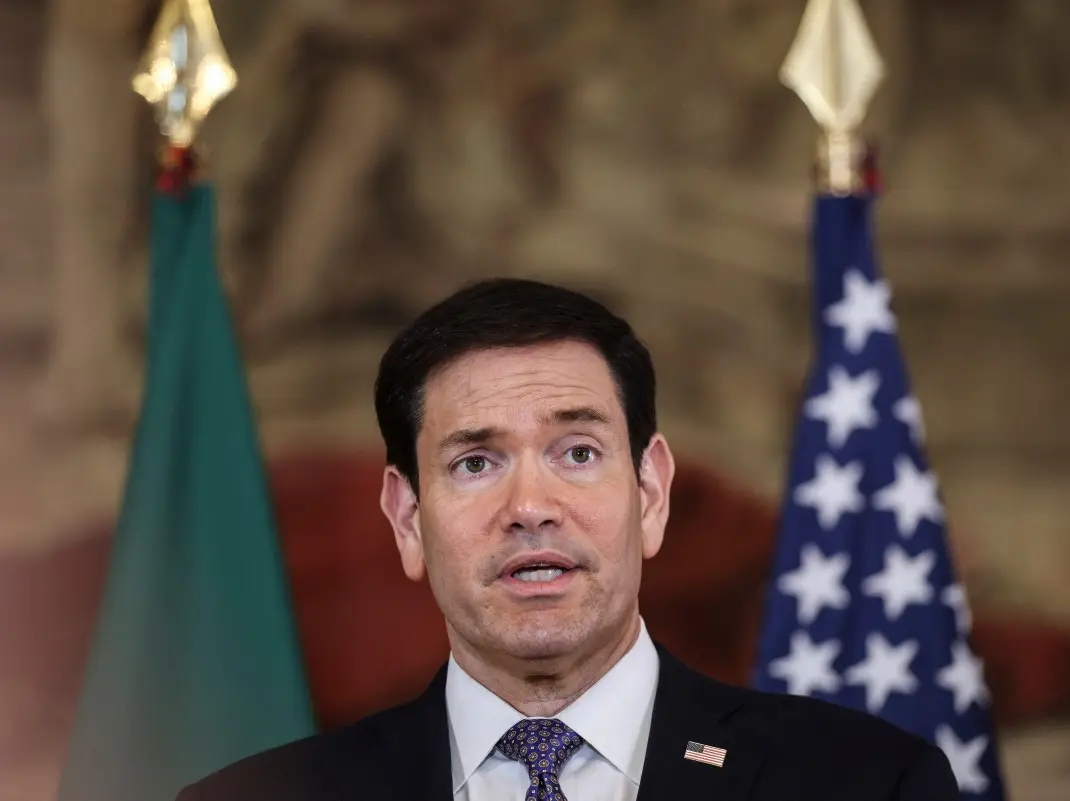
Reports indicate that the US team for the second round is expected to be the same as the first, with Vance leading the delegation. Iran has signalled a preference for dealing directly with Vance, viewing him as more reasonable than other envoys. Witkoff, Trump’s special envoy for the Middle East, and Kushner would be joining him. US Secretary of State Marco Rubio may not be in the delegation, though he is working in close coordination with the team.
It is not clear from current reporting as to who will be in the Iranian delegation.
When will the second round of Iran talks take place?
Reports indicate the talks will be imminent, possibly within days or this week. One US official mentioned Thursday (Apr 17) as a possible target, though no date is confirmed. Trump publicly signalled strong optimism for a quick resumption while speaking in a New York Post phone interview.
Will Pakistan host the second round of talks in Islamabad?
Pakistani officials are reportedly pushing to host the second round as early as this week, with the goal of reaching a longer-term deal before the current ceasefire expires next week.
“You should stay there, really,” Trump told the Post reporter who is based in Islamabad, adding, “Because something could be happening over the next two days, and we’re more inclined to go there.”
He claimed Iran wanted “to make a deal very badly” after being contacted by the “right people”.
He insisted that any agreement must prevent Iran from obtaining a nuclear weapon.
Speaking to Fox News sepeately, Trump called the broader Iran situation “very close to being over” and told reporters he expects progress soon.
Islamabad was chosen for the first round after other options such as Geneva, Vienna and Istanbul were considered. Geneva remains the main alternative under discussion as a neutral European venue.
The first round didn’t produce a deal; only led to US blockade of Hormuz
The first round of negotiations, held in Islamabad, lasted over 21 hours but ended without agreement. The main sticking points are Iran’s refusal to fully renounce its nuclear weapons programme or accept US “red lines”, such as zero enrichment capacity.
The first round was the highest-level direct US–Iran engagement since the 1979 Islamic Revolution.
While Vance described those talks as “substantive”, they did not produce any deal.
Just hours later, the US announced a naval blockade on Iranian ports, further disrupting transit through the Strait of Hormuz chokepoint.
Nevertheless, both sides appear motivated to continue talks quickly. Iran has called the first round “intensive” but criticised US demands as excessive. The US sees Iran’s position as a choice not to accept terms.
Disclaimer: WION takes utmost care to accurately and responsibly report ongoing conflicts in West Asia involving Israel, Iran, US, Gulf nations and non-state actors like Hezbollah, Hamas, Houthis, Islamic State, and others. Claims and counterclaims, disinformation and misinformation are being made online and offline. Given this context, WION cannot independently verify the authenticity of all statements, social media posts, photos and videos.

