
&imwidth=800&imheight=600&format=webp&quality=medium "‘Very disappointing’: Trump’s top aide attacks EU over ‘Mother of all deals’ with India, says Europe 'funding the war against themselves'")
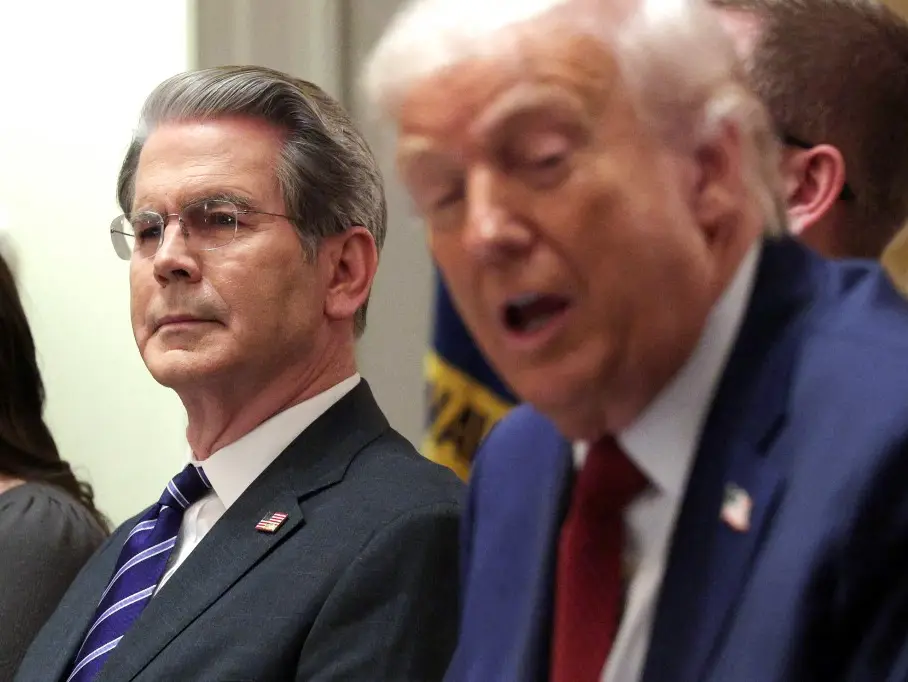
US President Donald Trump's top aide on Wednesday (Jan 28) slammed the European Union for its newly signed "Mother of all deals" with India. US Treasury Secretary Scott Bessent said he was "very disappointed" with Europe and accused the bloc of putting commerce ahead of its political principles. His remarks came a day after India and the EU concluded what both sides described as a historic free trade agreement, one that European Commission President Ursula von der Leyen dubbed the "mother of all deals."
Also read | Israel hopes to conclude free trade agreement with India this year, says Ambassador Azar
Russian oil and alleged double standards

In an interview with CNBC, Bessent claimed European countries had been buying refined products made in India using Russian oil supplies. He also alleged that the EU had refused to align with the US on higher tariffs for Indian goods because it was busy negotiating the trade pact.
"They should do what's best for themselves," Bessent said. "But I will tell you, I found, I find the Europeans very disappointing".
Also read | Sometimes people 'need a dictator’: Trump stuns Davos with sinister threat after Greenland rant
Trending Stories
)
‘Kill all in the name of...’: FBI arrests 21-year-old over alleged ISIS-inspired mass-casualty attack plot
)
'She married her brother': Ilhan Omar faces criminal probe over immigration fraud claims
)
Bitter Zelensky snubs Trump for playing politics with Ukraine war | Gravitas
)
India’s imports from Russia jump 57% in five months; China remains top import source
)
‘US military task force aiding Saudi Arabia forces with intel, planning support’: Official
)
OpenAI boss Sam Altman repeats AI 'slow down' call, says world 'right to be afraid'
)
Top military commanders from US, Israel, and 7 Arab nations held secret meeting on Iran War
)
A big shift in modern air power & control
)
'Definitely feel bad for yourself': Kuldeep Yadav opens up on India Test snubs
)
Delhi schools receive bomb threats in Punjabi, security checks find nothing suspicious
)
Ed Sheeran’s US tour loses all support acts after Macklemore’s removal | Controversy explained
)
China's property crisis deepens as investment plunges nearly 20%
)
Messi set to play in farewell match on October 6 in Argentina vs Benin friendly
)
800 million years old - Scientists discover 'fingerprints' of supercontinent Gondwana in ancient rocks
)
Russia proposes to build 360 kmph Ivolga FG trains in India: What happened on sidelines of BRICS
)
Saudi turns to Israel for intelligence help as Houthi attacks intensify: Report
)
Trump's name cannot return to Kennedy Center, US judge rules
)
2026 El Niño will create new extreme weather patterns. Worse, no one can predict them
)
1,200 Indian and US troops begin high-altitude and desert drills
)
Water equivalent to two Pacific Oceans could be stashed 2,900 km inside Earth
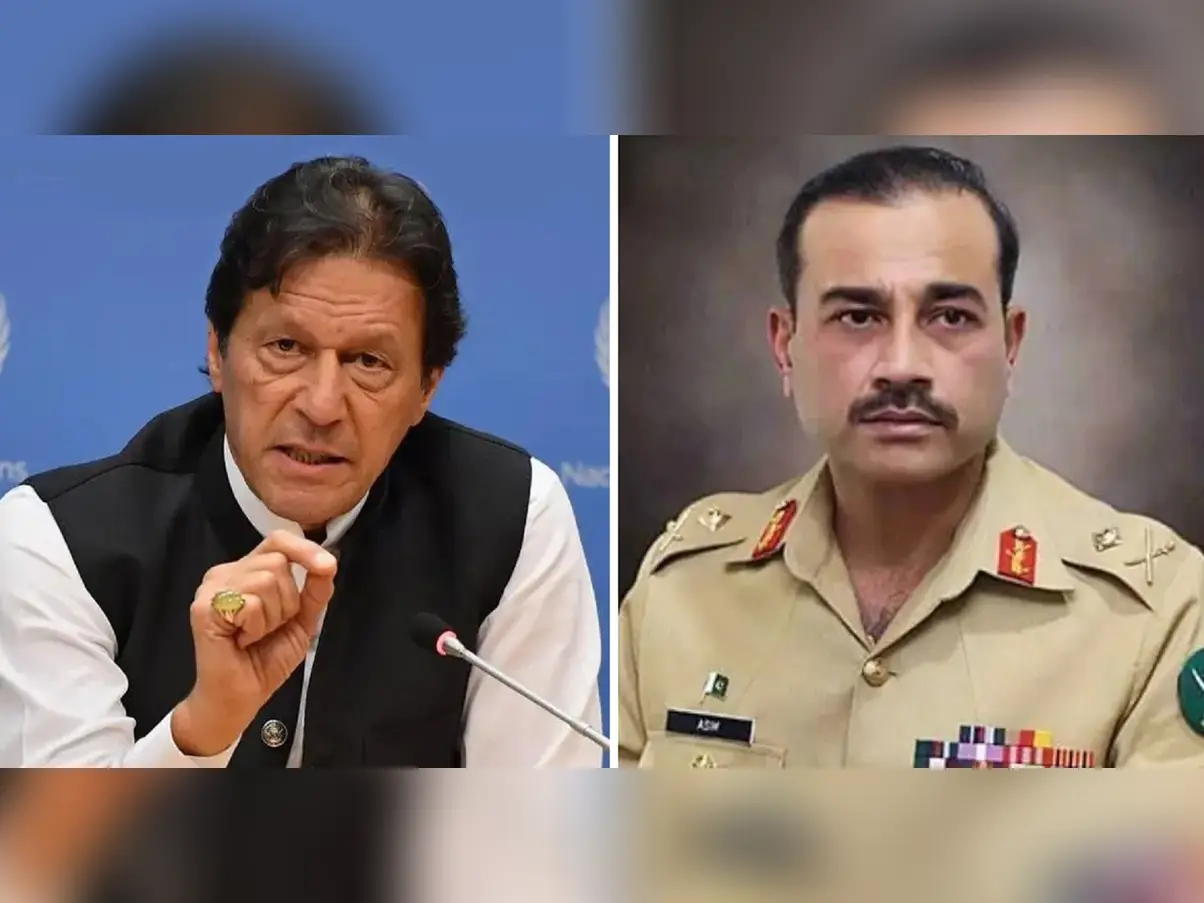)
Imran Khan’s sons accuse Asim Munir of holding ‘personal grudge’ against imprisoned father
&im=FitAndFill=(700,400))
New OTT releases this week (September 14-20, 2026): Lust Stories 3, Waiting Hai, Irumudi- 5 new titles coming on Netflix, Prime Video and more
)
Trump's Iran war faces fresh House rebuke; 7 Republicans join Democrats in push to end conflict ahead of midterms
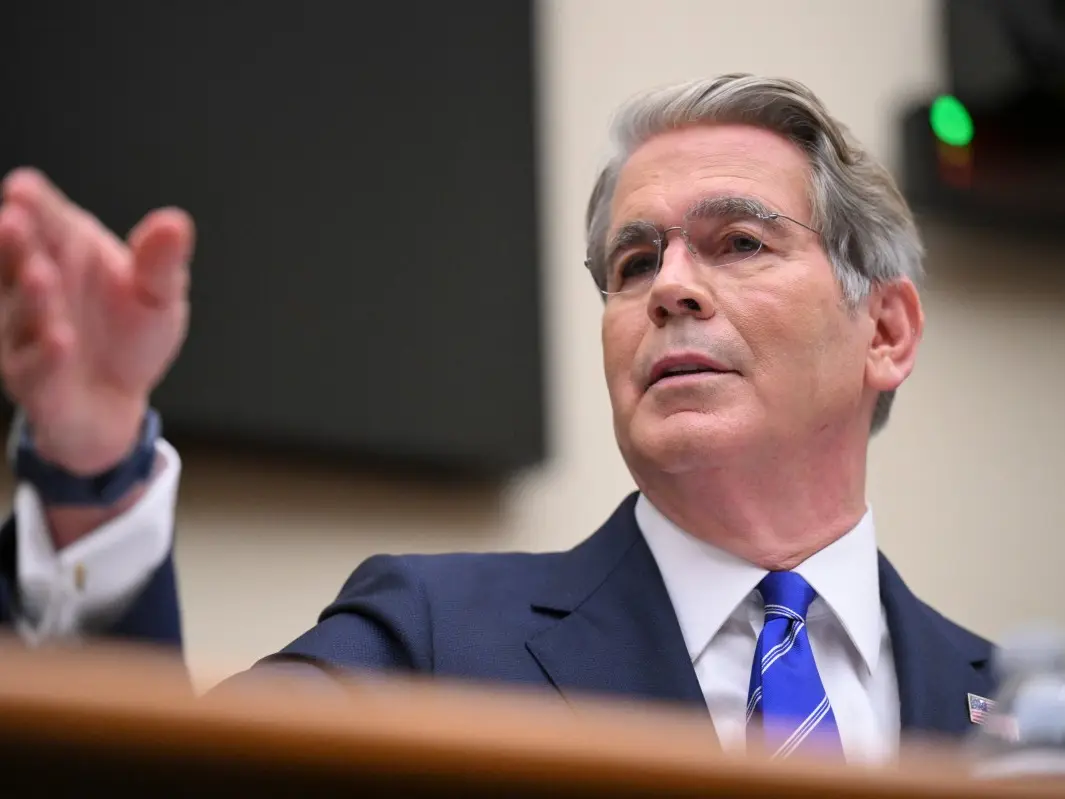)
US Treasury yields cross 5% as Scott Bessent warns of ‘global issues’ impacting bonds
)
Who is Kalyan Bainsla, accused in the Gurugram hit-and-run case involving woman biker?
)
Saudi Arabia discovers 110 million tonnes of Uranium-rich ore in Madinah region
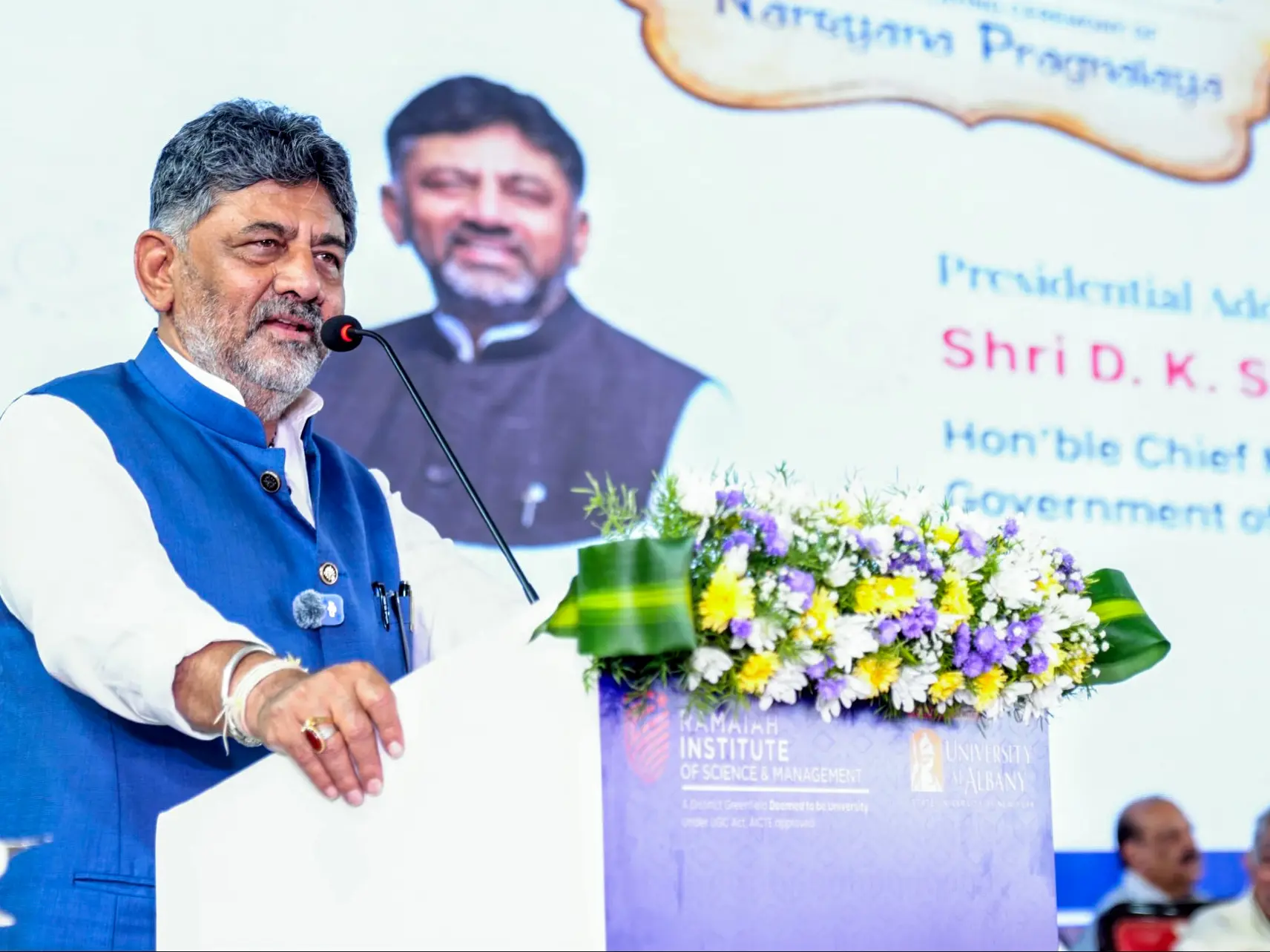)
'Now Trump is copying us': Shivakumar links US $5,000 plan to Congress guarantees
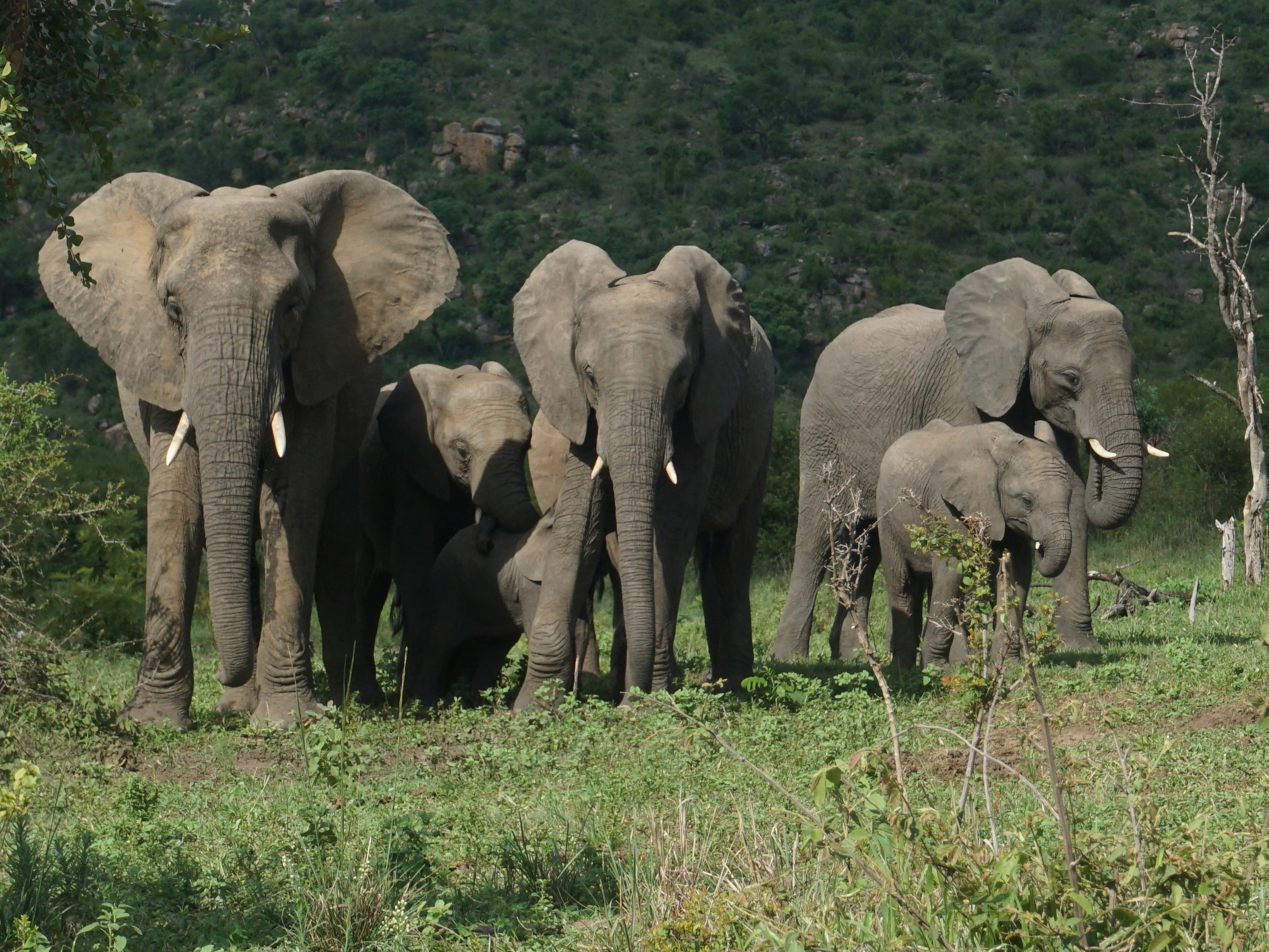)
Elephants hide behind trees, stage surprise attack on poachers targeting rhinos in South Africa
)
West Bengal IPS officer Bushra Bano transferred after objections to ‘Assalamualaikum’, ‘Inshallah’
)
Spanish officer sent home from NATO base over affair with 'Russian spy' | Gravitas
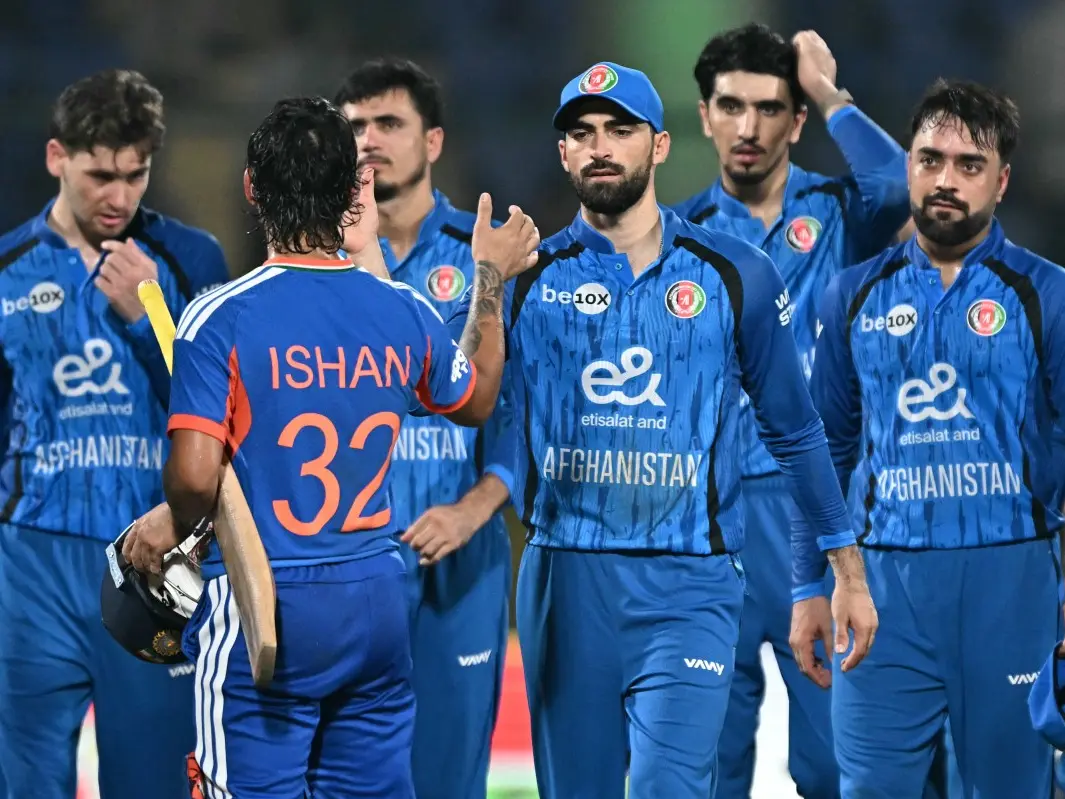)
IND vs AFG, 2nd T20I: Reddy, Samson shine as India defeat Afghanistan by 7 wickets to clinch series
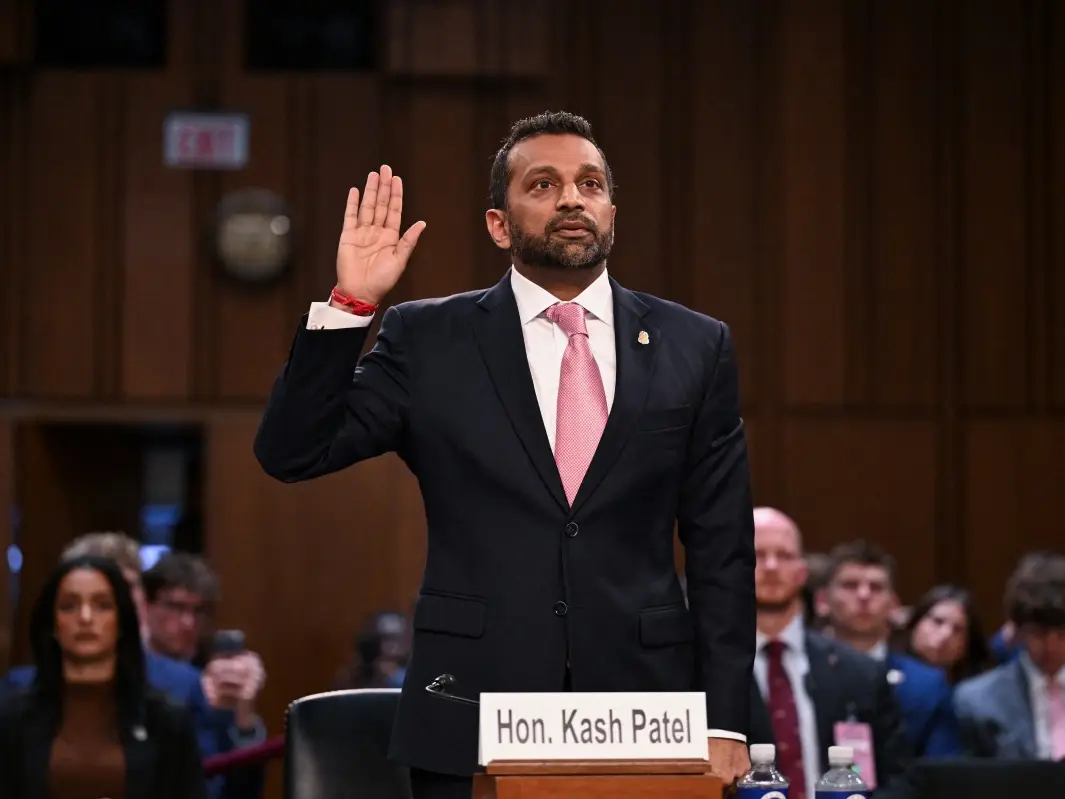)
'Like a thug you are using agency to go after..': Kash Patel grilled by Senate Democrats over FBI firings, journalist investigations and hiring policy
He described the practice as Europe "funding the war against themselves," arguing that even as the continent bears the brunt of the conflict, it has continued to prioritise trade relationships over tightening economic pressure on Russia.
The comments underline growing frustration in Washington over Europe’s economic ties with both India and Russia. Last year, the US imposed an additional 25 per cent tariff on Indian imports, citing New Delhi’s continued purchases of Russian oil despite Western sanctions. Europe did not follow suit.
Instead, it pushed ahead with negotiations that finally wrapped up this week, delivering one of the largest trade agreements the EU has signed in years.
What the deal includes
Under the new pact, the EU will eliminate tariffs on 99 per cent of Indian exports by value over seven years. Duties on around 33 billion dollars worth of labour-intensive goods, including textiles, leather, footwear, gems and jewellery, will be scrapped as soon as the agreement comes into force.
India, in return, will cut tariffs on 96.6 per cent of EU exports. Nearly one-third of those reductions will take effect immediately when the deal becomes operational in early 2027.

