
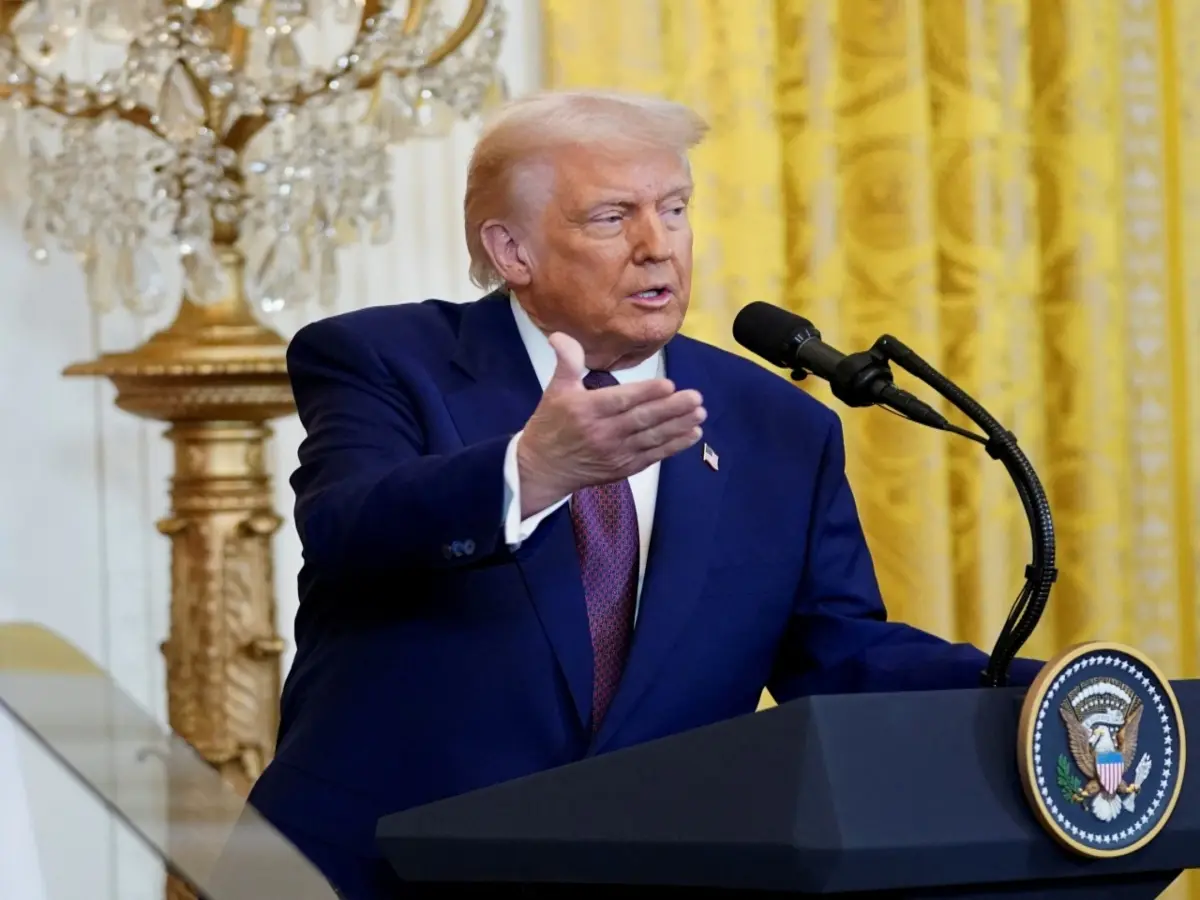
&imwidth=800&imheight=600&format=webp&quality=medium "‘No imminent threat’: Tulsi Gabbard caught ‘trimming’ key intel to fit Trump’s Iran war narrative after Joe Kent resignation")
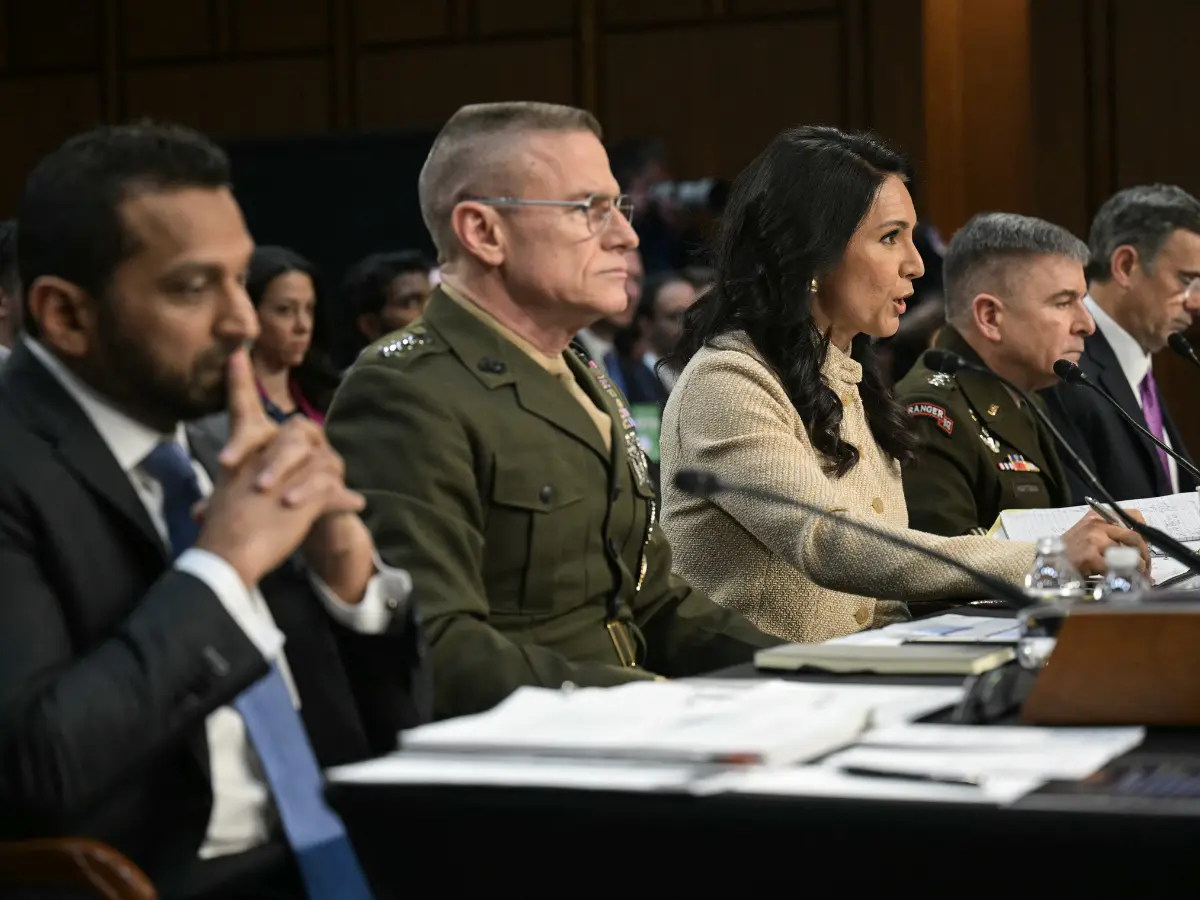
Washington: In a high-stakes congressional face-off, Director of National Intelligence Tulsi Gabbard on Wednesday (Mar 18) faced accusations of sanitising intelligence to protect President Donald Trump’s justification for war with Iran. During a congressional hearing, Gabbard admitted to omitting written testimony that described Iran’s nuclear program as "obliterated," a detail that directly contradicts Trump’s claims of an "imminent" nuclear threat. This comes as the Trump administration reels from the bombshell resignation of counterterrorism chief Joe Kent, who declared Iran posed "no imminent threat". The hearing has raised questions about whether the US was misled into a conflict that has now effectively shut down the vital Strait of Hormuz. All you need to know.
Did Tulsi Gabbard Omit Intel to Support Trump’s Iran War?
According to AFP, in written testimony for the annual threat assessment to the Senate Intelligence Committee, Gabbard had asserted that Operation Midnight Hammer has "obliterated" Iran's nuclear enrichment programme and that Tehran had made "no efforts" to rebuild it.

However, at what was the public briefing on intelligence since the war began in late February, Gabbard did not say that. When pressed by Democratic Senator Mark Warner for the reason for skipping certain parts of her remarks, Gabbard said she trimmed her public remarks because they were "running long". In reply to this, Warner pointedly remarked, "So you chose to omit the parts that contradict the president." This was in apparent reference to Trump's claims that military action against Iran was justified because of the nation's nuclear-weapon development.
Why Did Joe Kent Resign? The 'No Imminent Threat' Bombshell
Trending Stories
)
The Early Spring is proof not everyone can talk about their real feelings, and it is perfectly OK
)
UN votes to ‘correct the map’ as India backs fairer world view
)
Nigerian Navy discovers 99,000 litres of suspected stolen, illegally refined products as it intensifies anti-crude oil theft operations
)
Who is Aditi Paudel? 17-year-old becomes Japan's first literacy ambassador
)
Bengaluru: Officials find 40 kg expired chilli at chairman's club
)
Jaishankar rejects trade link to ending Ukraine war
)
Israeli strikes on Lebanon kill three, injure 23 despite truce
)
Alpine glacier was covered with sheep wool sheets to prevent melting. It worked
)
South Korea mulls deploying military assets to Strait of Hormuz
)
World's fifth-largest economy, British army can't afford to train
)
Breaking | Vance takes the podium: First White House briefing since Leavitt's exit
)
Taiwan raises 'concerns' over China's missile test
)
BRICS 2026: $1 trillion sovereign capital set to converge in Delhi for first iBRICS Summit
)
What is Iran's Pickaxe Mountain that Trump has again threatened to bomb?
)
UN votes to correct world map that visually shrank Africa for 450 years
)
Former NewJeans member Danielle launches YouTube channel, hints at new solo journey
)
Bangladesh batter Towhid Hridoy creates history with 350 not out in South Africa
)
Brendan Fraser’s transformation fuels The Mummy 4 excitement as fans welcome back Rick O’Connell
&im=FitAndFill=(700,400))
Krishna Janmashtami 2026: From Dhaniya Panjiri to Makhana Kheer- 5 best sweet dishes perfect for celebrating Lord Krishna’s birth
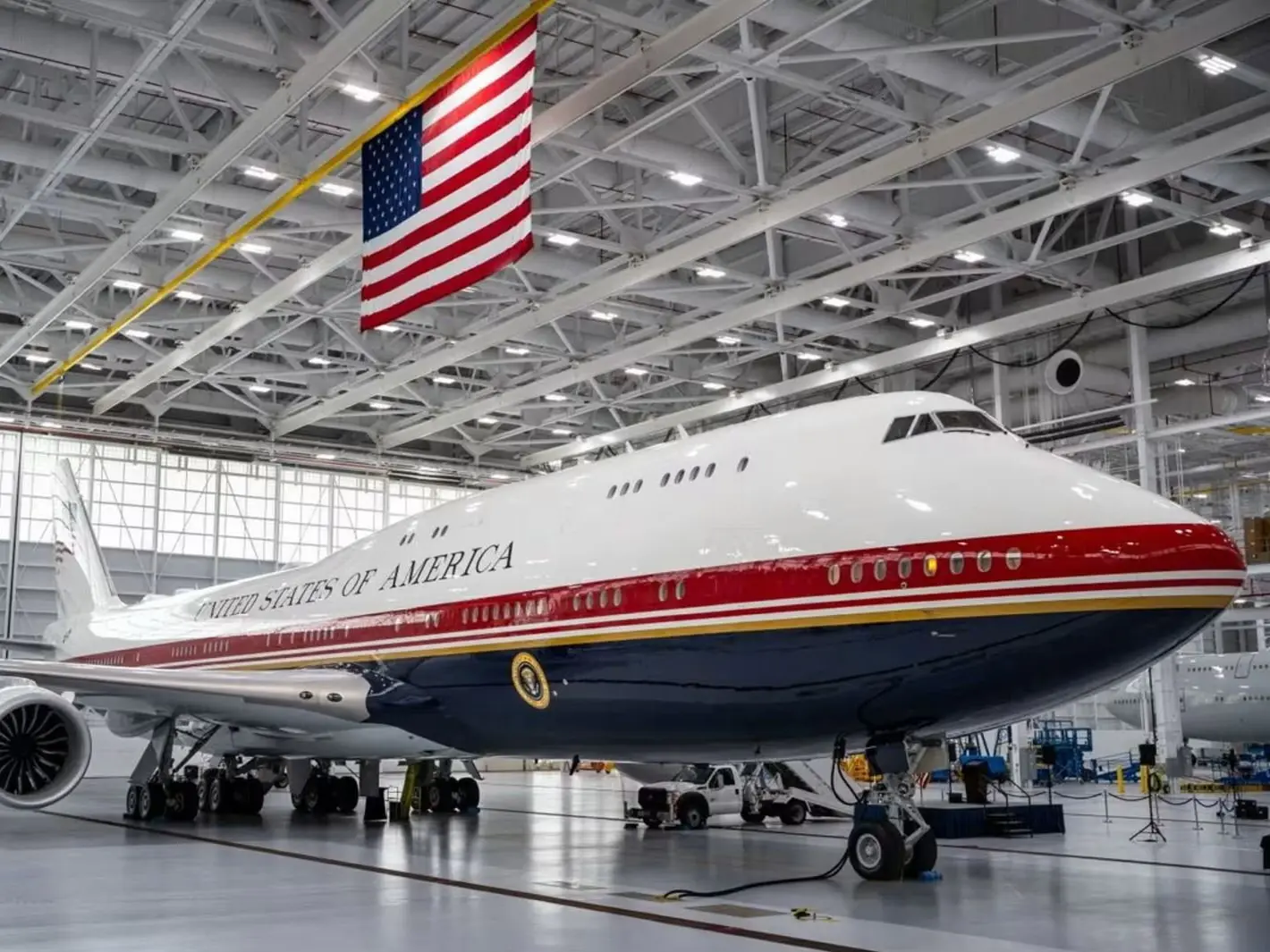)
Donald Trump plans to travel to Ireland on Qatari-donated jet amid security concerns
)
Nazi-looted art to return to Jewish heirs
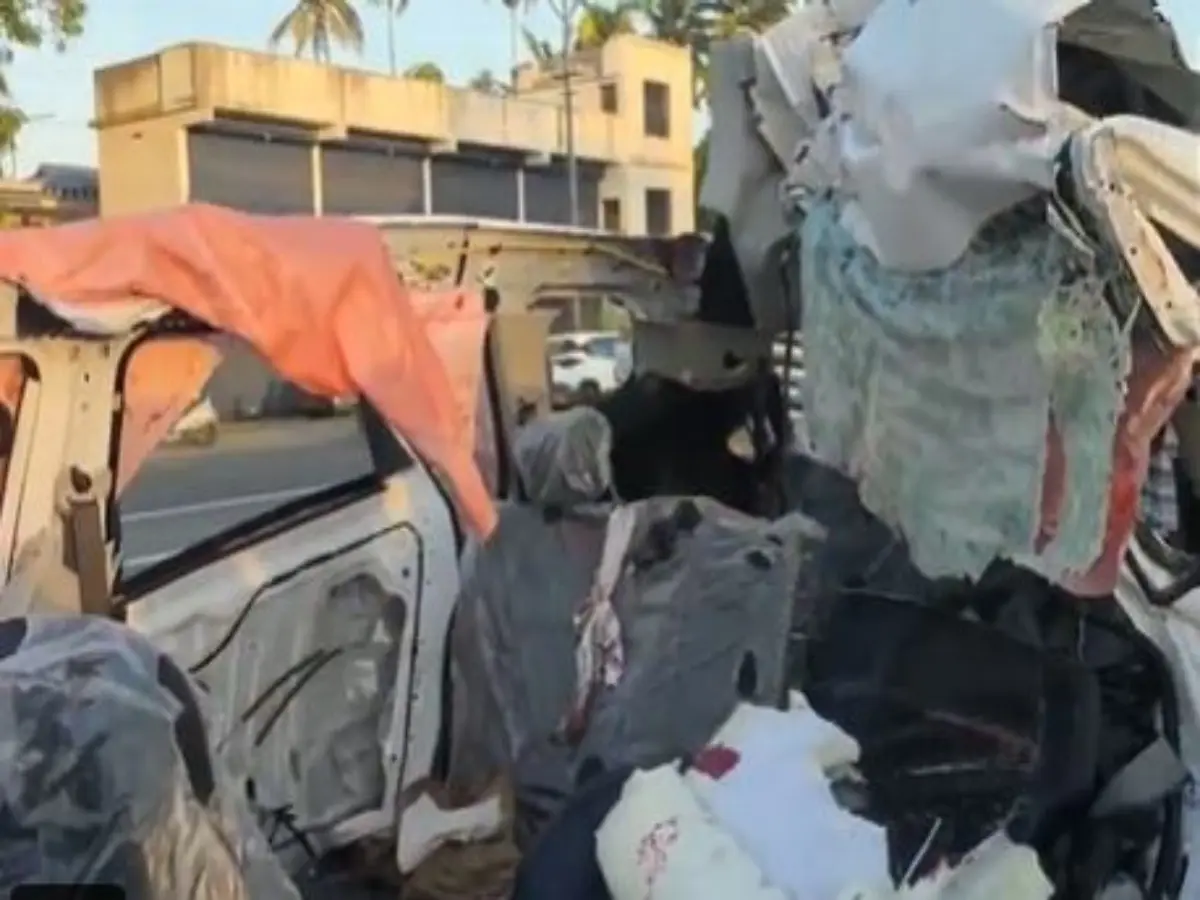)
Eight killed in Kerala’s Thrissur after car rams into lorry parked on highway
&im=FitAndFill=(700,400))
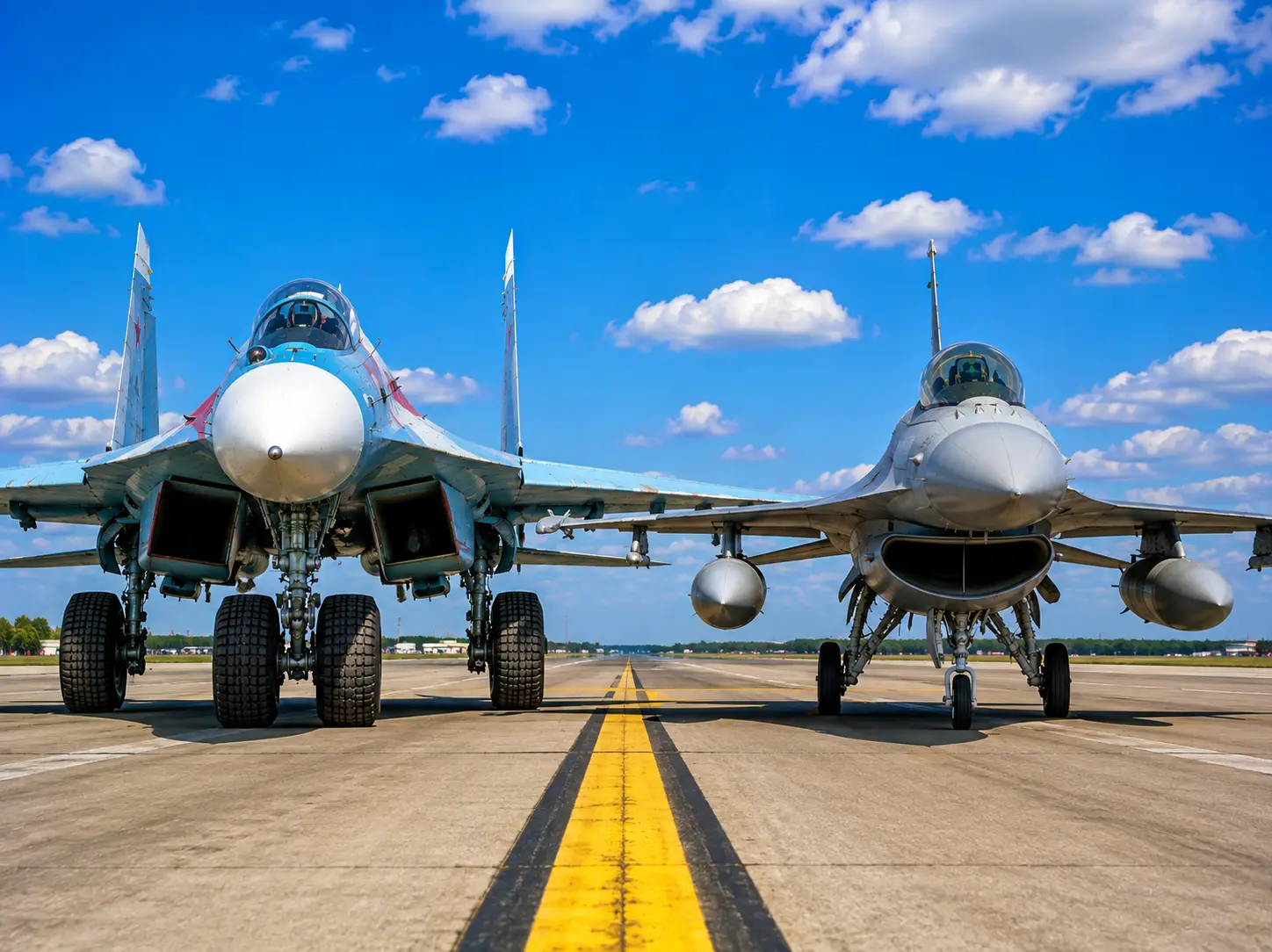
Why Russian fighter jets use bulky, low-pressure tyres compared to US jets
)
FBI-wanted fraud accused arrested in Jalandhar over $600,000 scam
&im=FitAndFill=(700,400))
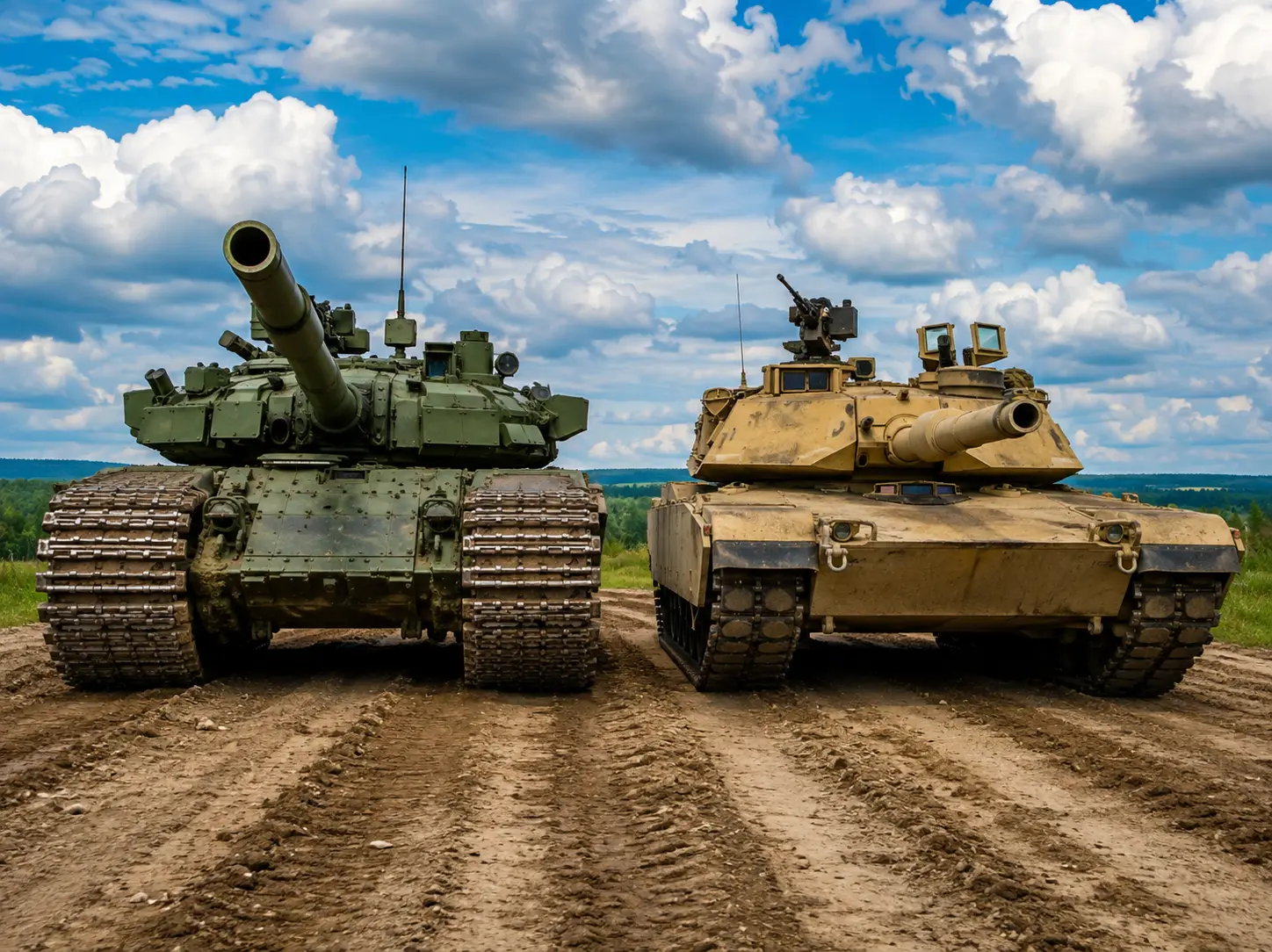
Why US tanks weigh over 20 tons more than Russian tanks
&im=FitAndFill=(700,400))
New Friday OTT releases (September 4, 2026): GDN, Dhamaal 4, Jagamae Sangeetham- Watch 6 new movies and TV shows on Netflix, Prime Video and more
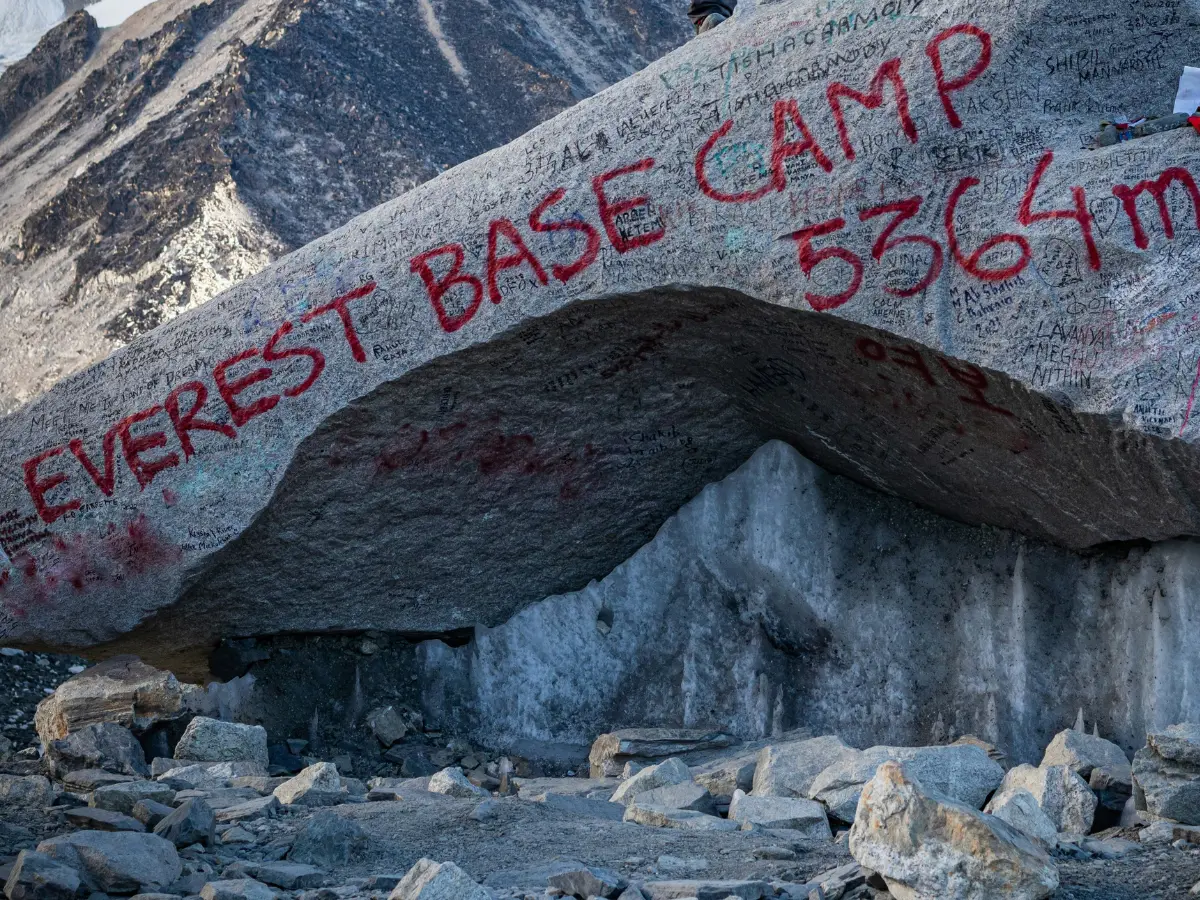)
Killing the Himalayas slowly: Human urine is melting a glacier on Mount Everest
On March 17, 2026, citing strong opposition to the Iran war, Joe Kent publicly announced his decision to step down as the US Director of the National Counterterrorism Center. He insisted that Iran did not pose any "imminent threat" to the US and claimed external pressure, including from Israeli officials and US media, influenced the conflict, assertions the administration rejected as false.
"I cannot in good conscience support the ongoing war in Iran. Iran posed no imminent threat to our nation, and it is clear that we started this war due to pressure from Israel and its powerful American lobby," he wrote on X, posting a copy of his resignation.
Was Trump Warned About the Strait of Hormuz Shutdown?
At the hearing, Gabbard and CIA Director John Ratcliffe were questioned whether intelligence officials had warned Trump that Iran could potentially attack the Strait of Hormuz, the world's most critical maritime oil chokepoint. Since the start of the US-Israel-Iran war, Iran has effectively closed the shipping channel through which over one-fifth of global oil and one-quarter of liquefied natural gas (LNG) pass through daily.
In reply, Ratcliffe vaguely said that "The president gets briefings constantly about intelligence". He added that the Pentagon prepared for Iran to hit "US interests in energy sites across the region" and "took measures for force protection".
Gabbard meanwhile, confirmed that the threat was flagged. She noted that the intelligence community had a "longstanding assessment" that Iran "would likely hold the Strait of Hormuz". The Director of National Intelligence said that the US defence department took "pre-emptive planning measures" as a result of that intel.
Disclaimer: WION takes utmost care to accurately and responsibly report ongoing conflicts in West Asia involving Israel, Iran, US, Gulf nations and non-state actors like Hezbollah, Hamas, Houthis, Islamic State, and others. Claims and counterclaims, disinformation and misinformation are being made online and offline. Given this context, WION cannot independently verify the authenticity of all statements, social media posts, photos and videos.

