Why tsunamis are so dangerous—and what actually causes them | WION Explains

&imwidth=600&imheight=450&format=webp&quality=medium "Why tsunamis are so dangerous—and what actually causes them | WION Explains")
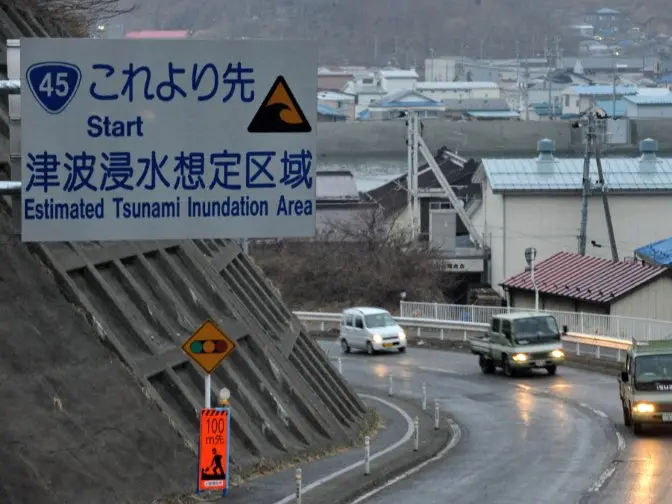
File Photo: A sign board indicates the beginning of an estimated tsunami inundation area in the fishing town of Miyako, Iwate Prefecture, on March 24, 2011 Photograph: (AFP)
What is a tsunami? Here's all you need to know about just how unpredictable and deadly these ocean monsters can be. Here's what you should know.
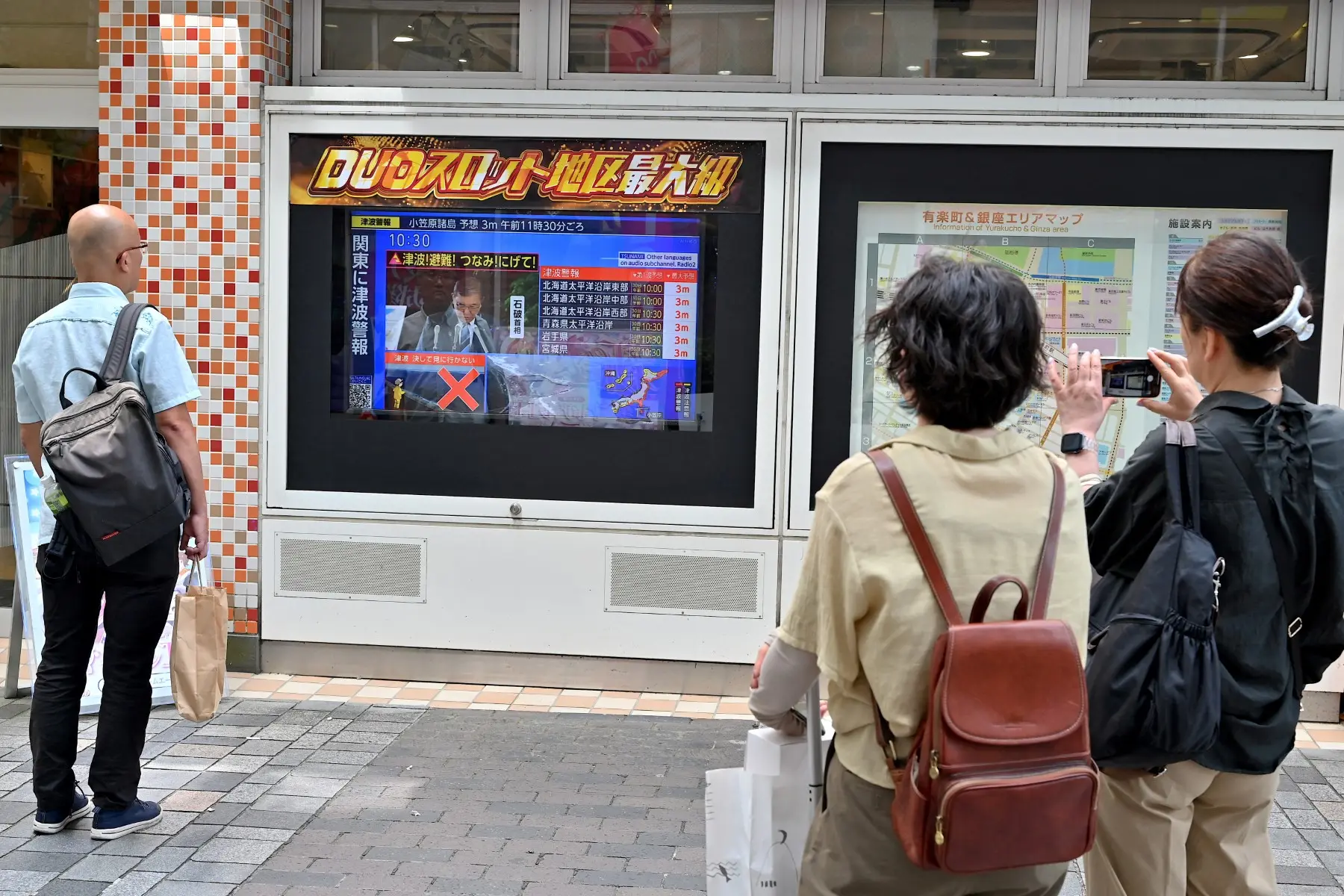
Russia on Wednesday (Jul 30) suffered a massive 8.7 earthquake, which left people shaken and triggered tsunami warnings in the nation, along with Japan and the United States. The epicentre of this strong quake, as per the United States Geological Survey (USGS), was located 133 km southeast of Petropavlovsk‑Kamchatsky in Russia, at a depth of 74 km. The mega-quake, as per the regional seismic monitoring service, was the region's strongest since 1952. It warned that aftershocks of up to 7.5 magnitude were possible. Tsunami alerts went out across the Pacific. What is a tsunami? Here's all you need to know about just how unpredictable and deadly these ocean monsters can be. Here's what you should know.
What is a tsunami?
At its core, a tsunami is a massive shift of water triggered by sudden movement under the sea—usually a powerful earthquake under the ocean floor. When the Earth's crust lurches violently, it can push up or drop down a section of the seafloor. That movement displaces huge volumes of water, setting off waves that fan out in every direction. These waves can move as fast as a jet plane.
They may travel thousands of kilometres with barely a ripple on the open sea—but once they hit shallow waters near the coast, things change fast. The waves bunch up, rise dramatically, and hit land with devastating force. It must be noted that tsunamis are rare, but when they hit, they hit hard.
Only earthquakes trigger Tsunamis?
No, earthquakes are the most common trigger, but not the only one. Volcanic eruptions, underwater landslides, and even meteorite impacts can set off tsunamis. One of the deadliest early examples is from 1883, when a volcanic eruption at the Pacific island of Krakatoa sent a wall of water crashing into nearby islands—killing around 30,000 people. The explosion itself was heard nearly 4,500 kilometres away.
Trending Stories
&imwidth=280&imheight=210&format=webp&quality=medium)
&imwidth=280&imheight=210&format=webp&quality=medium)
&imwidth=280&imheight=210&format=webp&quality=medium)
&imwidth=280&imheight=210&format=webp&quality=medium)
&im=FitAndFill=(700,400)&imwidth=280&imheight=210&format=webp&quality=medium)
&imwidth=280&imheight=210&format=webp&quality=medium)
&imwidth=280&imheight=210&format=webp&quality=medium)
&imwidth=280&imheight=210&format=webp&quality=medium)
&imwidth=280&imheight=210&format=webp&quality=medium)
&imwidth=280&imheight=210&format=webp&quality=medium)
&imwidth=280&imheight=210&format=webp&quality=medium)
&imwidth=280&imheight=210&format=webp&quality=medium)
&imwidth=280&imheight=210&format=webp&quality=medium)
&imwidth=280&imheight=210&format=webp&quality=medium)
&imwidth=280&imheight=210&format=webp&quality=medium)
&imwidth=280&imheight=210&format=webp&quality=medium)
&imwidth=280&imheight=210&format=webp&quality=medium)
&imwidth=280&imheight=210&format=webp&quality=medium)
&imwidth=280&imheight=210&format=webp&quality=medium)
&imwidth=280&imheight=210&format=webp&quality=medium)
&imwidth=280&imheight=210&format=webp&quality=medium)
&imwidth=280&imheight=210&format=webp&quality=medium)
&imwidth=280&imheight=210&format=webp&quality=medium)
&imwidth=280&imheight=210&format=webp&quality=medium)
&imwidth=280&imheight=210&format=webp&quality=medium)
&imwidth=280&imheight=210&format=webp&quality=medium)
&imwidth=280&imheight=210&format=webp&quality=medium)
&imwidth=280&imheight=210&format=webp&quality=medium)
&imwidth=280&imheight=210&format=webp&quality=medium)
&imwidth=280&imheight=210&format=webp&quality=medium)
&imwidth=280&imheight=210&format=webp&quality=medium)
&imwidth=280&imheight=210&format=webp&quality=medium)
&imwidth=280&imheight=210&format=webp&quality=medium)
&imwidth=280&imheight=210&format=webp&quality=medium)
&im=FitAndFill=(700,400)&imwidth=280&imheight=210&format=webp&quality=medium)
&imwidth=280&imheight=210&format=webp&quality=medium)
&imwidth=280&imheight=210&format=webp&quality=medium)
&imwidth=280&imheight=210&format=webp&quality=medium)
&imwidth=280&imheight=210&format=webp&quality=medium)
&im=FitAndFill=(700,400)&imwidth=280&imheight=210&format=webp&quality=medium)
According to the US National Oceanic and Atmospheric Administration, even massive storms can stir up enough ocean to mimic tsunami-like effects.
Tsunami: What's in a name?
The word "tsunami" comes from two Japanese words: tsu (harbour) and nami (wave). It's sometimes called a "tidal wave," but as per experts, that is misleading, as tides have nothing to do with tsunamis.
First warning of tsunami: It's the opposite of what you might think
When a tsunami starts, the waves are often low and widely spaced. But as they approach land, the sea floor gets shallower. That compression squeezes the wave's energy upward—potentially turning what looked harmless into a multi-storey wall of water.
One of the eeriest warnings? The sea suddenly vanishes. If the water pulls back dramatically, that's often the first—and only—sign before disaster hits. As per AFP, Roman historian Ammianus Marcellinus has described one such moment in 365 AD, after a tsunami struck Alexandria, "The sea was driven back, and its waters flowed away to such an extent that the deep seabed was laid bare and many kinds of sea creatures could be seen."
"Huge masses of water flowed back when least expected, and now overwhelmed and killed many thousands of people... some great ships were hurled by the fury of the waves onto the rooftops," he wrote.
What decides the scale of damage?
Not all tsunamis are equally destructive. The size of the quake matters—but so does the amount of displaced water, the shape of the seafloor, and even whether there are natural barriers in place. The Pacific Ocean, with its constant seismic activity, is especially tsunami-prone. But history shows no region is truly safe.
Take the 2004 Indian Ocean tsunami. Back then, a 9.1 magnitude quake off the coast of Sumatra triggered waves that tore through 11 countries, killing around 220,000 people. The US Geological Survey later said the energy released was equal to 23,000 Hiroshima bombs.