This UK teen is defying nature, as she feels no pain, hunger, or fatigue due to rare disorder

Rare disorder
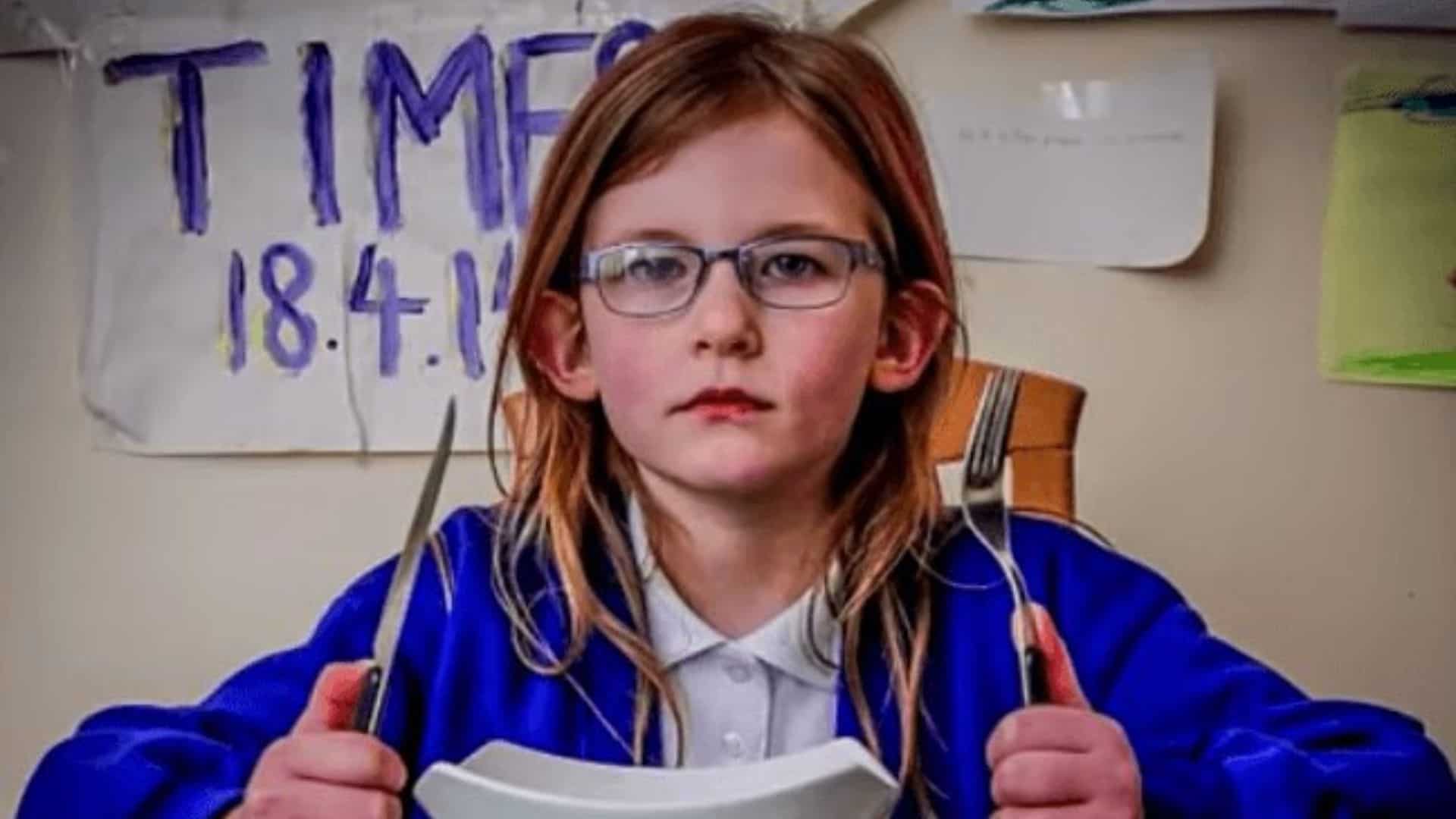
In the United Kingdom, a young girl named Olivia Farnsworth gained the moniker "bionic" after a harrowing accident in 2016 when, at the tender age of seven, she was hit and dragged by a car. What followed left onlookers stunned.
Olivia suffers from a one-of-a-kind genetic condition, identified as chromosome 6 deletion, making her possibly the only person globally with these symptoms. This extremely rare condition renders her incapable of feeling pain, hunger, or fatigue, as highlighted in a report by Huffington Post.
The fearless ‘bionic’ girl

During the accident, Olivia's mother, Niki Trepak, observed that Olivia displayed an extraordinary lack of fear, leading to her being dubbed the 'bionic girl'.Despite being dragged about ten car lengths down the road, Olivia nonchalantly got up and walked away, leaving doctors and witnesses astounded.
Doctors, deeming her 'bionic',were perplexed by Olivia's resilience. Despite the severity of the impact, she sustained minimal injuries—a tyre mark on her chest and skin abrasions on her toe and hip. Her ability not to tense up during the incident is believed to have played a pivotal role in her miraculous escape from severe harm.
)
Saudi vs Houthis: Houthis claim missiles & drones used in attack on key Saudi sites
)
Trump announces ‘AI Force’ as debate grows over AI risks and regulation
)
‘End of my career...’: NSA Doval recalls tense Sikkim mission when China captured Indian intelligence team
)
China now makes advanced memory chips without the machines it was banned from buying
)
Aravana prasadam shortage at Sabarimala temple in Kerala triggers protests, TDB questioned
)
Mark Carney mimics Trump in hilarious moment over C$70 billion clean-energy investment; room erupts in laughter
)
Several petrol pumps, other businesses to refuse UPI payments above Rs 2,000 from Oct 16: Is it legal?
)
Man breaks open wall hiding hundreds of books since 15 years
)
Russia holds first parliamentary elections since the beginning of the Ukraine war
)
S Jaishankar, former Army chief among high-profile names issued Delhi SIR notices
66 years of the Indus Waters Treaty: How India and Pakistan settled a bitter river dispute
)
Sikh bus driver assaulted, bus stolen and rammed into cars in England; video surfaces
)
Nigeria: Protesters take to the streets, police fire shots
)
Reacher star Alan Ritchson opens up about alleged blackmail, suicide attempt during difficult period
)
Arvind Kejriwal, family members, Delhi CM Rekha Gupta get SIR notices
)
The Verdict | When precision fails: US commits war crime in Minab school strike, UN finds
)
Russia-Europe tensions: Polish PM warns Russian attacks could test NATO's unity
)
Raphinha hat-trick powers Barcelona to 3-1 win over Sevilla in La Liga
)
Gaza under attack: Health chief's son killed in IDF strikes
)
China may have gained access to US's classified F-35 jets; parts meant for repairs diverted to Hong Kong, sparking Pentagon inquiry
)
Ed Sheeran addresses Macklemore's removal, Gaza conflict during Philadelphia concert: 'I cannot hide how I feel'
)
Harry Brook targets long reign at top of T20I rankings after Sri Lanka sweep
)
West Indies Squad for India Series: Hetmyer included for T20Is, Holder rested
)
Iran sets 7 conditions to end war with US: What are Tehran’s demands?
)
Report: Iran rebuilding Taleghan 2, nuclear site tied to past weapons research, hit twice by Israel
)
Trump defends AI amid growing alarm, announces new 'AI force' and promises an 'AI czar'
)
9 women found dead near Johannesburg: South Africans rally, demand 'enough' to femicide
)
US-Iran war: Tehran sets seven conditions to re-engage in talks with US
)
Russia's deadly Ukraine strikes kill 2 in Sumy, hit Dnipro mall
&im=FitAndFill=(700,400))
Before Extraordinary Minami Minami, these popular K-dramas got Japanese versions
)
‘Will go to any extent’: Pakistan vows to defend Saudi Arabia amid Houthi attacks
)
'Were you here to sell chickpeas?': Wasim Akram criticises Babar Azam's captaincy
)
EXCLUSIVE | Singer Hanita Bhambri on her Toxic debut, working with Vishal Mishra and more
&im=FitAndFill=(700,400))
How many F-35s does Britain, Japan and Israel have?
)
Kampala-Ankara rift deepens: Uganda suspends military ties, seeks Fred Lumbuye's extradition
)
Trump says he'll build an 'AI Force' and appoint a czar, for 'high IQ' people only
)
AI actress Tilly Norwood glitches mid-interview, switches from English to Chinese | Watch
)
US-Iran war: Tehran draws red lines — seven demands before any peace talks
&im=FitAndFill=(700,400))
‘Not the US or China’: These are the countries leading the world in arable land
&im=FitAndFill=(700,400))
Meet top 5 Indian batters with fastest T20I centuries
)
Olivia's unique condition began manifesting symptoms when she was just a few months old. From a lack of hair growth to severe colic, her mother recalls the challenges they faced. Notably, Olivia exhibited a lack of sleep, surviving on a mere two hours a night, a pattern that continued into her childhood.
Also watch |Indigenous women bring tribe back from brink of extinction
Another facet of Olivia's condition is her indifference to food. Rejecting her mother's milk at just a few months old, she rarely experiences hunger and exhibits peculiar eating habits. Her mother notes that Olivia eats at school due to societal norms, but she doesn't inherently feel the need for sustenance.
Olivia's condition, chromosome 6p deletion, is a complex chromosome abnormality associated with behavioural issues, intellectual disabilities, developmental delays, and distinctive facial traits, as detailed by the National Organization for Rare Disorders.
(With inputs from agencies)