
&imwidth=800&imheight=600&format=webp&quality=medium "Speed or Science? Super shoes ignite backlash against athletes, experts call it ‘tech doping’")
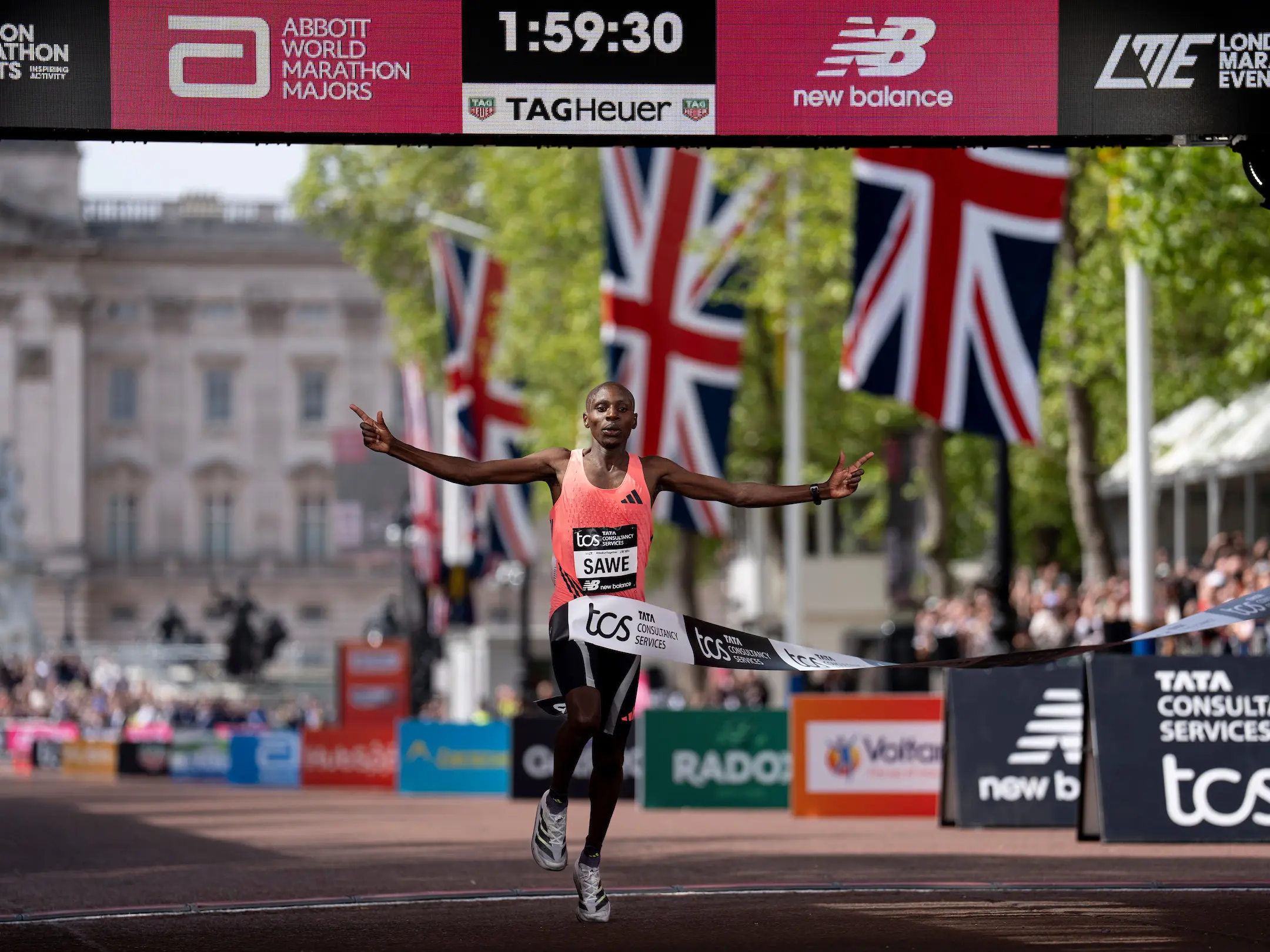
Record-breaking runs fuel backlash against carbon-plated “super-shoes,” with critics calling them performance-enhancing as it gives a spring in their step, allowing runners to move faster, while using less energy. The recent backlash came after Kenya's Sabastian Sawe made history this week with the first sub–two–hour marathon in race conditions wearing the ADIZERO Adios Pro Evo 3, one of the lightest racing shoes ever made.
Research indicates that super shoes can boost running efficiency by up to four per cent, cutting minutes rather than seconds from an athlete's finishing times. However, as the technology advances, experts are increasingly worried that these super shoes could amount to a form of 'technological doping'.
Shaun Creighton, an Olympian long–distance runner turned sports lawyer at Moulis Legal, told the Daily Mail, "We should be clear that modern marathon super shoes are performance-enhancing devices in a very real sense. I genuinely do not believe a sub–two–hour marathon would have been achieved without super shoes. The regulatory task now is to keep tightening the technical boundaries just enough to preserve the marathon as a contest of human performance first, and of shoe design a distant second."

Backlash initiated in 2019
The debate gained momentum in 2019 when Eliud Kipchoge became the first person to complete a marathon in under two hours. Critics questioned the legitimacy of the feat, pointing to his use of the newly introduced Nike Alphafly.
Sports scientist Ross Tucker even described the Alphafly as “the shoe that broke running.” Nike claimed the footwear offered a 3.4 per cent speed advantage, enough to translate into a two- to three-minute gain over a marathon, potentially turning a strong performance into a record-breaking one.
Trending Stories
)
Why asking questions could be more important than memorising answers
)
BRICS Summit 2026 full schedule: Day-wise agenda, timings and key issues - All you need to know
)
BRICS Summit 2026: Iran's Pezeshkian praises PM Modi at BRICS
)
Osama Bin Laden ‘planned’ to target India, CIA reveals dozens of declassified documents
)
BRICS rejects EU carbon tax as ‘punitive’, ‘discriminatory’; warns of burden on Global South
)
Why dehydration is the hidden cause of travel fatigue on long flights
)
Top 5 places to visit in Goa beyond its famous beaches
)
'He is popular...': Malaysian PM Anwar Ibrahim's praise for PM Modi during bilateral meeting | WATCH
)
BRICS Summit 2026: 30+ countries seek BRICS membership
)
Frustrated man demolishes his kitchen after thousands flock to see Mother Mary his wife spotted on the wall
)
BRICS Summit 2026: PM Modi, Xi reach key consensus on ties, China to assume BRICS chairmanship in 2027
)
Trump says Canada eager to reach a deal, it could come ‘fairly soon’ if Ottawa treats US farmers better
)
From drones to KAAN fighters: Turkey outlines 229% surge in defence spending amid regional shifts
)
‘Partners, not rivals’: Xi outlines four point plan for stronger India-China ties
)
Could staying indoors all day affect your health?
&im=FitAndFill=(700,400))
Why Chinese PL-15 air-to-air missiles use dual-pulse motors compared to European interceptors
)
Why going digital does not always mean becoming more efficient
)
800 million years old - Scientists discover 'fingerprints' of supercontinent Gondwana in ancient rocks
)
BRICS stitches climate into its trade and growth agenda, experts say
&im=FitAndFill=(700,400))
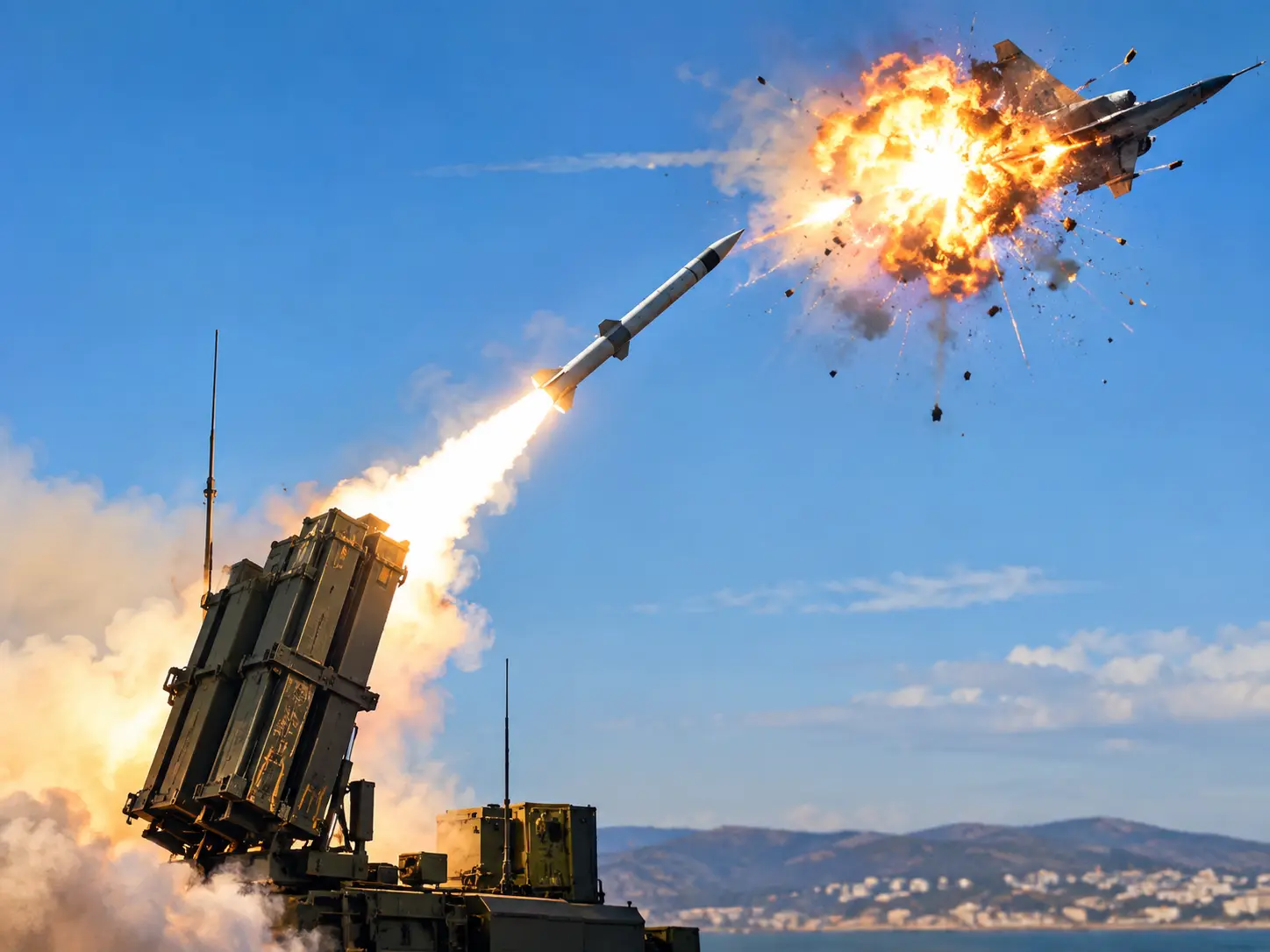
Why do air defence missiles explode near their target instead of hitting it?
)
Israel spent nearly $470,000 on PM's hair, makeup since 2019, data shows
)
From severe mobility problems to recovery: Madhuri the elephant’s journey of wildlife care
)
BRICS Summit day 1: New Delhi declaration adopted with full consensus, big diplomatic win for India
)
From India, Putin warns Europe against sending troops to Ukraine, Zelensky expresses willingness to meet him at G20 Summit
)
Did Iran President Pezeshkian touch feet of Hindu spiritual leader at Delhi event as shown in viral video?
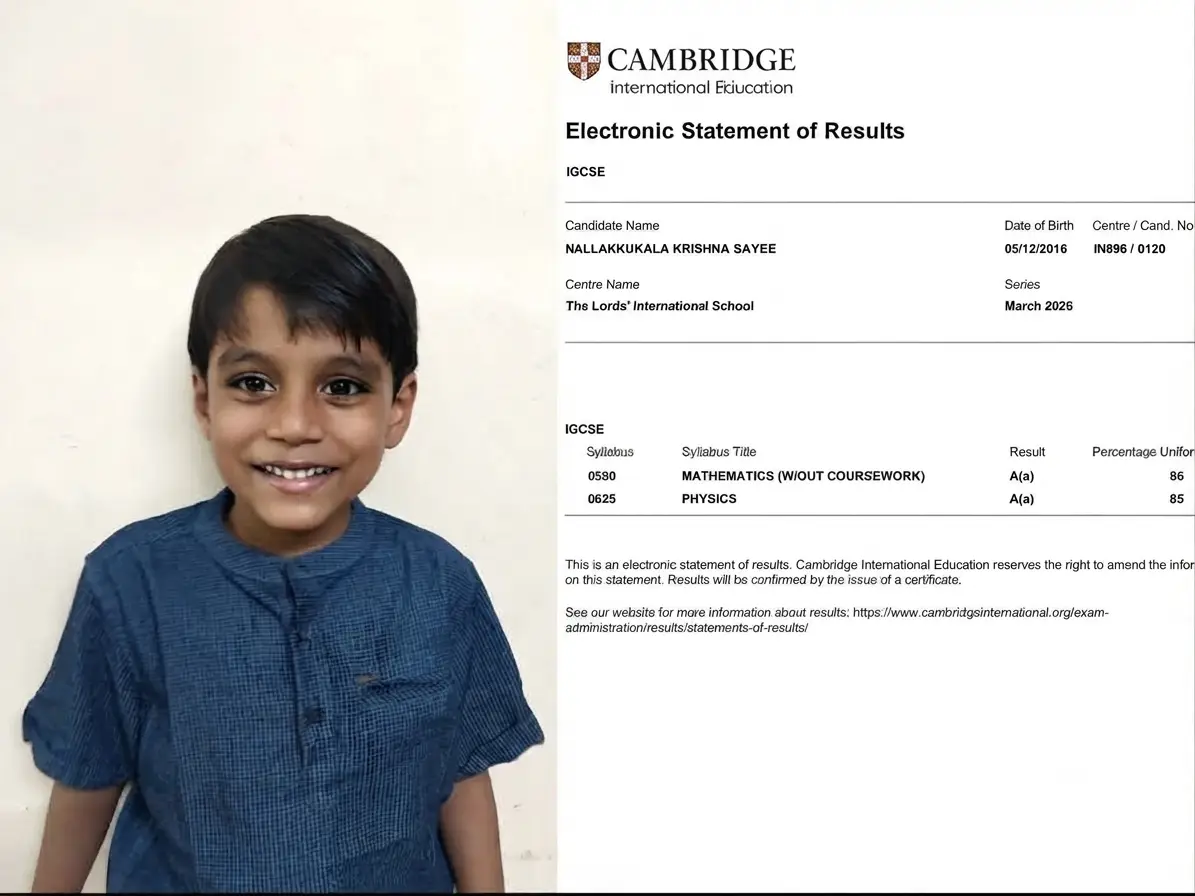)
9-year-old Chennai prodigy clears Cambridge IGCSE grade 10 exams
)
Why does your body need time to adjust after a long journey?
)
Baba Vanga's first prophecy for 2027 is out, and straight out of science fiction
)
Why does your skin need protection from UV rays?
)
How does the loss of forests affect the way wildlife lives and moves?
)
IND vs AFG, 1st T20I: When and where to watch live streaming in India?
)
BRICS Summit: China resumes Guangzhou-New Delhi flight, issues 'good-neighbourliness' remark ahead of Xi-Modi meet
)
Why do wild animals need quiet places to survive?
)
Humans may lose control of AI: Anthropic CEO calls for slowdown, Altman, Musk back him
The Nike Alphafly was quickly banned after World Athletics introduced new regulations. However, manufacturers soon developed a new generation of shoes designed to comply with, or narrowly work around, these rules. Current regulations state that shoes cannot have a midsole thicker than 40 mm or include more than one carbon-fibre plate.
In response, brands have produced race-legal models with a “stack height” that sits just below the permitted limit. These innovations have delivered rapid and significant improvements in performance for elite athletes.

