Scientists are freezing human poop to prevent major disaster 100 years from now

&imwidth=600&imheight=450&format=webp&quality=medium "Scientists are freezing human poop to prevent major disaster 100 years from now")
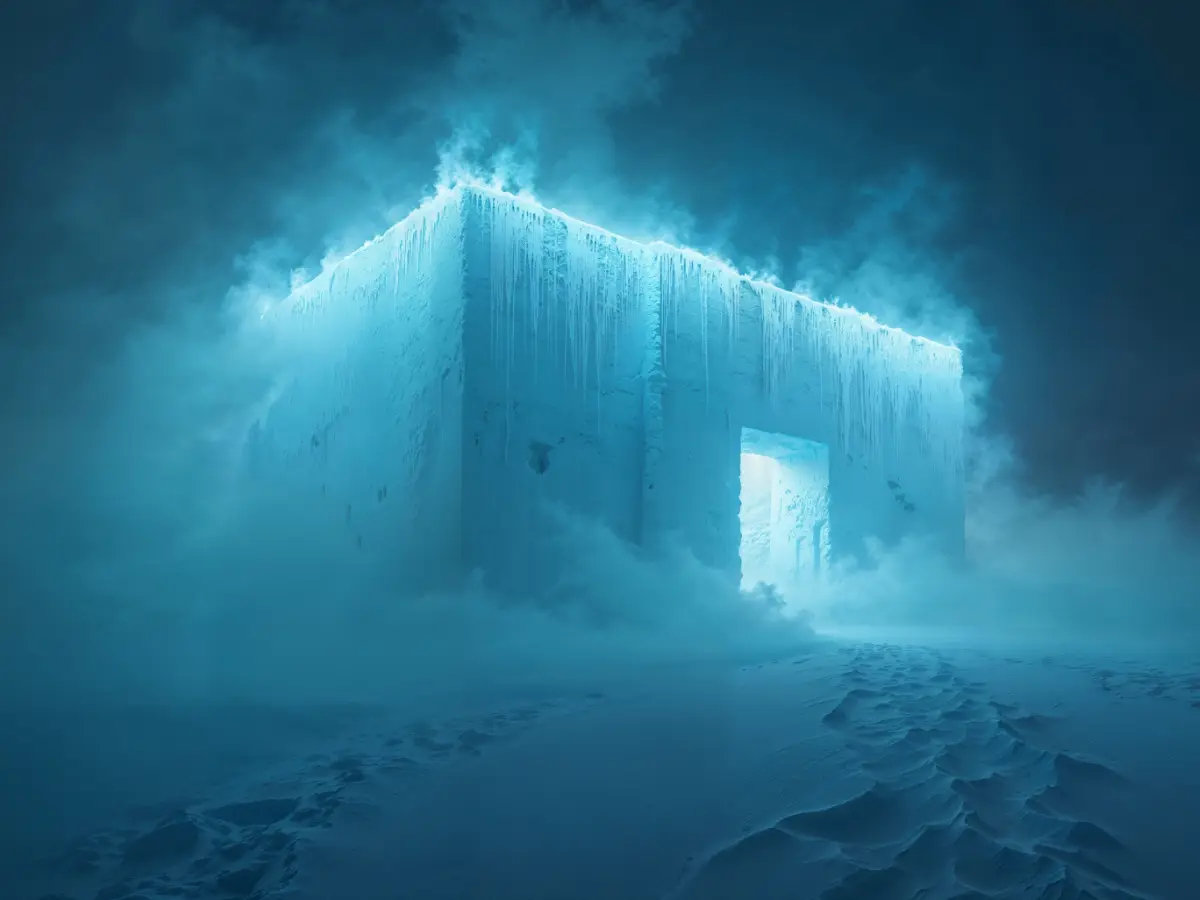
Frozen poop vault will preserve microbes. Photograph: (Freepik)
Human poop is being frozen in Switzerland to preserve microbes that scientists say can save humanity from disaster hundreds of years later. Over 1,000 samples are already placed in the vault, while the founders are now trying to get 10,000 more.
Scientists are freezing human poop to avert a disaster in the future. The Microbiota Vault project aims to collect 10,000 poop samples by 2029 in order to preserve microbes that can one day help humanity. The doomsday vault is currently at the University of Zurich, but the founders are looking for a more permanent place, ideally an extremely cold region like Canada or Switzerland. It is not a new project, and was launched in 2018. However, it was only in its test phase, where scientists were trying to understand the feasibility of collecting and exporting poop and fermented foods from across the world. Now it is ready to go big and preserve thousands more samples to preserve microbes. The details of the expansion of the project were published in the journal Nature Communications. Also Read: Scientists detect signs that mammoth rivers flowed in Antarctica 80 million years ago
Preserving microbes from poop
Preserving microbes is the main deal of the project. Besides human poop, the storage facility also has 200 types of fermented food, as they are filled with "gut-friendly" microbes. The team also plans on adding environmental microbes to the collection. The long-term plan is to have backup copies of microbes found in humans, animals, plants and the environment so they can be someday used to treat diseases, for medical research and restoring ecosystems. The researchers stated in the journal that microbial loss is becoming an issue not only in humans, but also in the environment. Human health and agricultural systems are taking the hit, triggering allergies, autoimmune disorders and affecting environmental resilience. The commentary blames human activities for the disruption of the microbiomes. Also Read: Eight babies born in UK with DNA of three to prevent genetic disease
"Conventional agriculture, the thawing of permafrost due to human-caused climate change, and the overuse of antibiotics are eroding microbiomes so much that they might need to be rescued in the future," the team wrote. Dr. Martin Blaser, director of the Center for Advanced Biotechnology and Medicine at Rutgers University in New Jersey and co-author of the new commentary, said in a statement, "Human activities are depleting our microbiome, and there's lots of evidence of that." However, they admit that they can't be sure whether reintroducing microbes into the human gut or the environment can help restore it. Blaser is hopeful that science will advance to a level where "really good restorative techniques" can help achieve it. Also Read: A woman smelled her husband's Parkinson's 12 years before symptoms arrived. She has now helped develop a new test
Learning from "doomsday" seed vault in Norway
Trending Stories
)
)
)
)
)
)
)
)
)
)
)
)
)
)
)
)
)
)
)
)
)
&im=FitAndFill=(700,400))
)
)
)
)
)
)
)
)
&im=FitAndFill=(700,400))
)
)
&im=FitAndFill=(700,400))
)
The Microbiota Vault started as the founders were impressed with the "doomsday" Svalbard Global Seed Vault in Norway. This vault holds around 1.3 million plant samples to preserve the genetic diversity of crops from around the world. Meanwhile, the Swiss vault currently has 1,204 faecal samples and 190 food samples from Benin, Brazil, Ethiopia, Ghana, Laos, Thailand and Switzerland. They are stored at minus 80 degrees Celsius. Blaser believes the vault is an "obligation to the future generations" and may be, these microbes "could prevent a major disaster 100 years from now."