'Miracle' treatment that reduces late-stage liver cancer developed, claim Hong Kong researchers

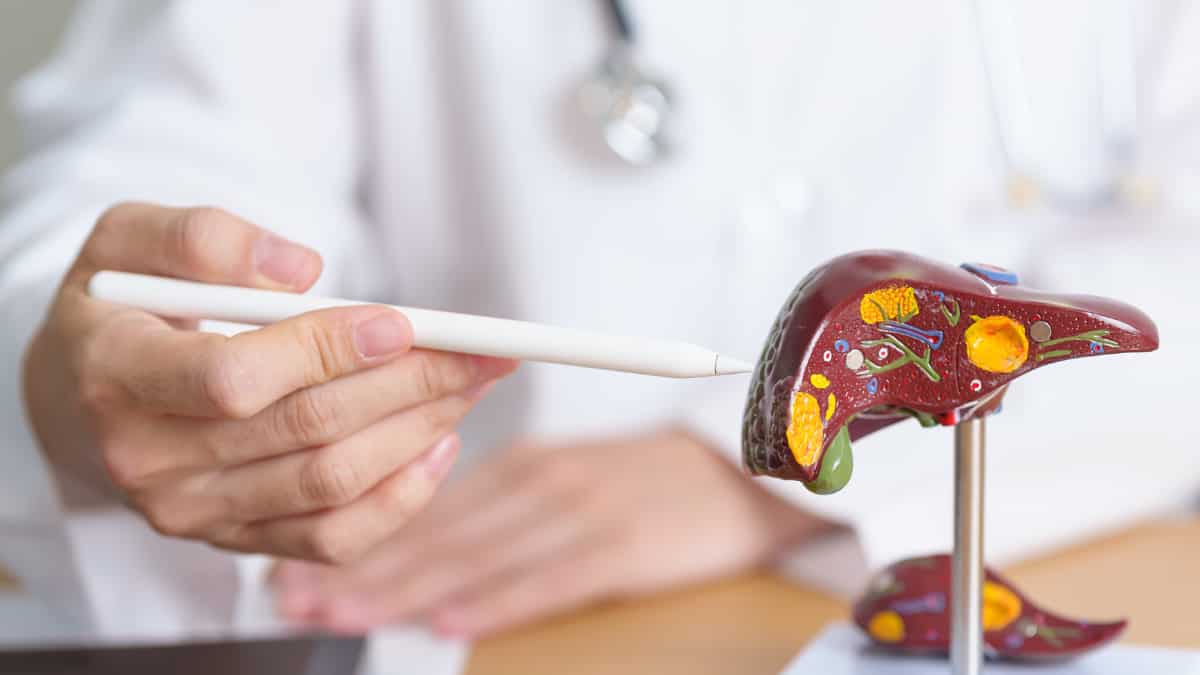
Liver cancer
A team of reserachers at the University of Hong Kong has claimed they have devised a novel, first-in-the-world treatment that prolongs the life of a late-stage liver cancer patient. The researchers said the new treatment reduces the tumour to a state suitable for a transplant.
The 'miracle' treatment uses a combination of stereotactic body radiation therapy – a targeted tumour treatment – and immunotherapy to mitigate the tumour by reverting it back to stage one.

Professor Albert Chan Chi-yan, the co-lead of the research team at the Li Ka Shing Faculty of Medicine said his colleagues had cured a 65-year-old patient of stage-four liver cancer by first shrinking the tumour using a “reduce and remove” treatment they had developed.
“There is actually no other effective treatment to shrink any stage-four cancer to stage one at the moment. The recovery of the patient is encouraging," said Albert.
"The team is honoured to provide new hope and possibilities for the treatment of liver cancer," he added.
)
Nearly half of young people trust AI over humans to check facts, major study finds
)
A seven-day roadmap? Iran proposes plan to end war, reopen Strait of Hormuz and resume nuclear talks
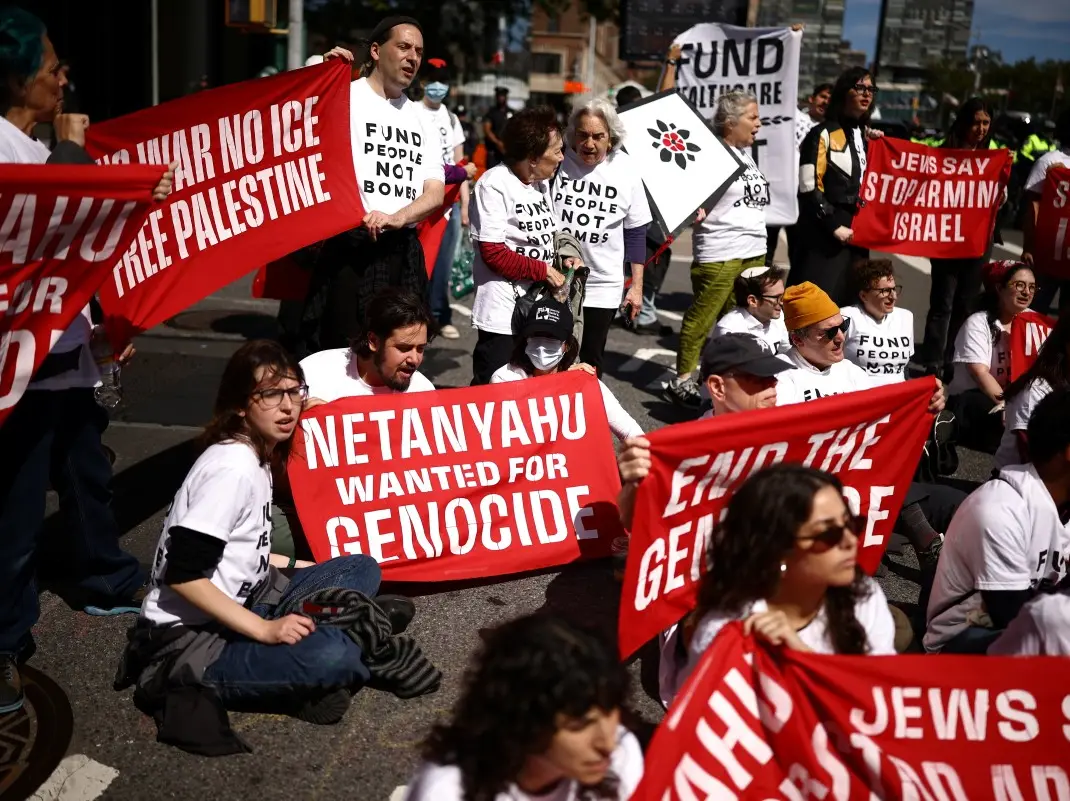)
'Fund people, not bombs': Hundreds take to New York streets as Netanyahu delivers speech at UN; dozens arrested
)
Welcome actor Mushtaq Khan dies at 56 after battling cancer
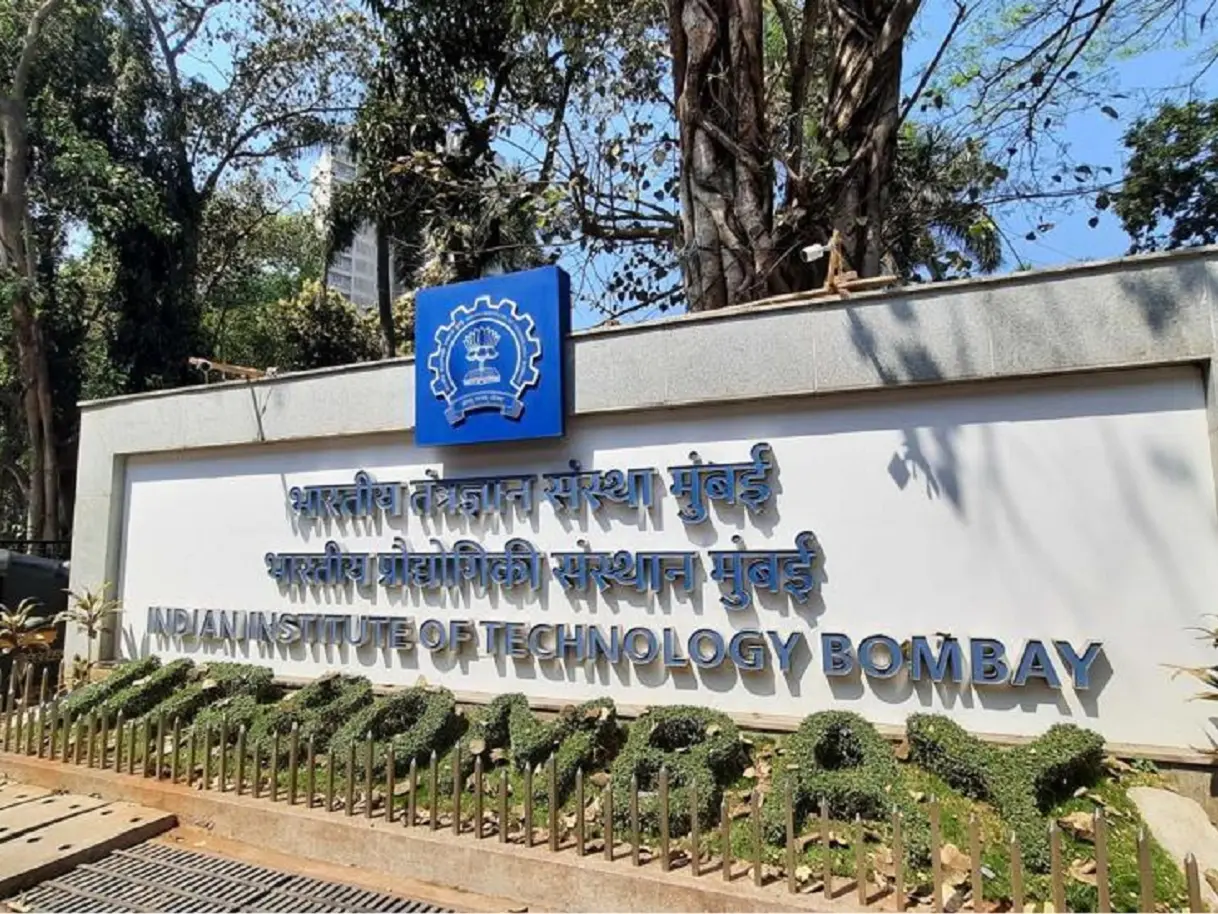)
IIT Bombay CCTV footage emerges: Sahil Wakode seen looking at phone in examination hall
)
Scientists detect first radio signals directly from faraway planet
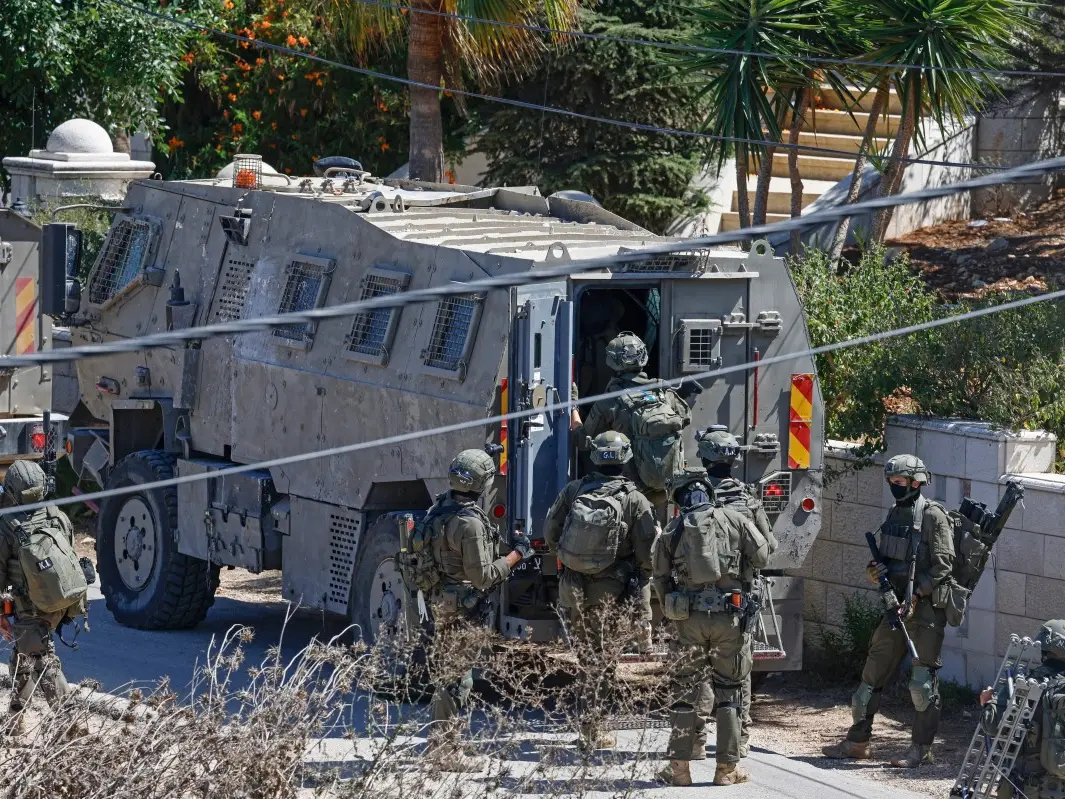)
Israeli envoy to US Yechiel Leiter’s son critically injured in West Bank ramming attack
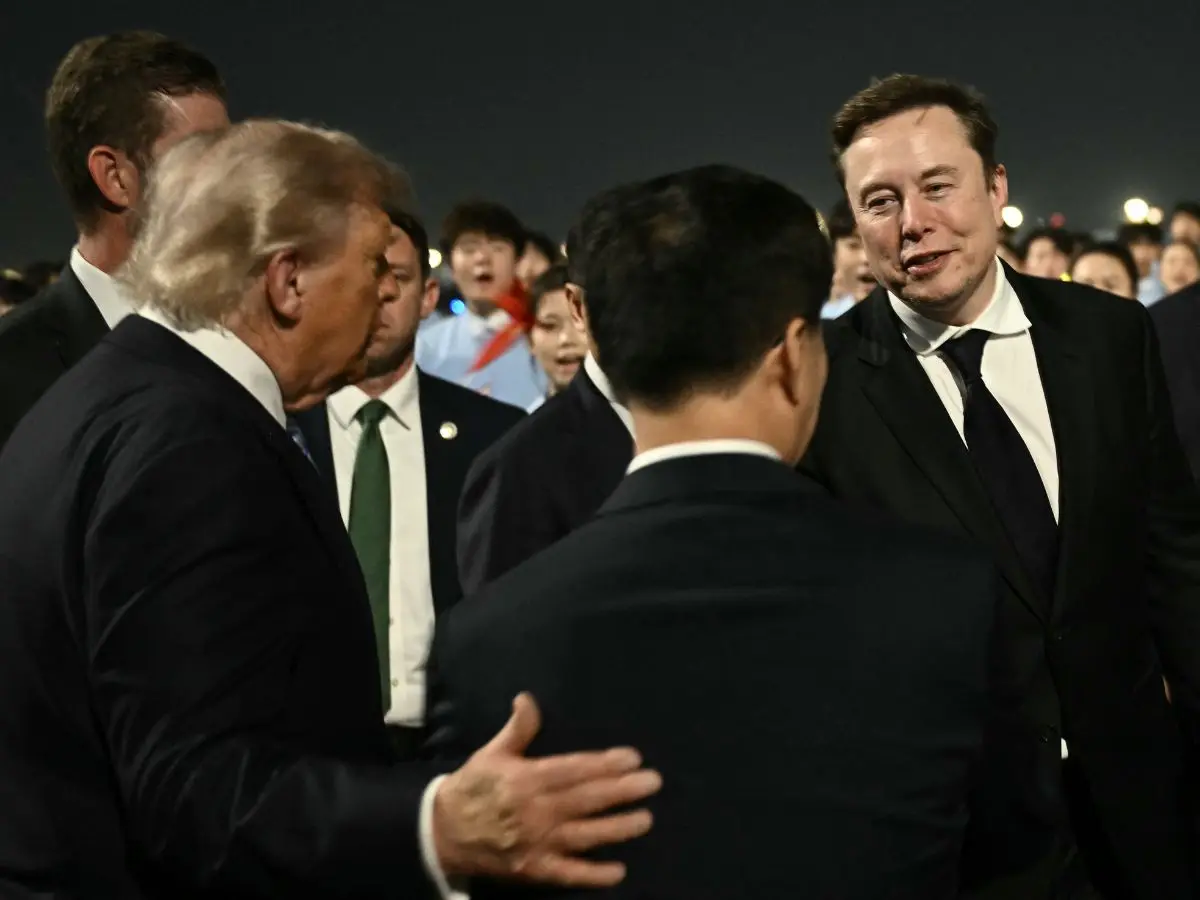)
Trump-Xi state dinner 2026: Who is invited? Full guest list of tech CEOs, business leaders and officials
)
'What kind of confession is this?': Pakistan PM Shehbaz Sharif’s 'terrorists would be roaming New York' remark goes viral, raises alarm online. Watch
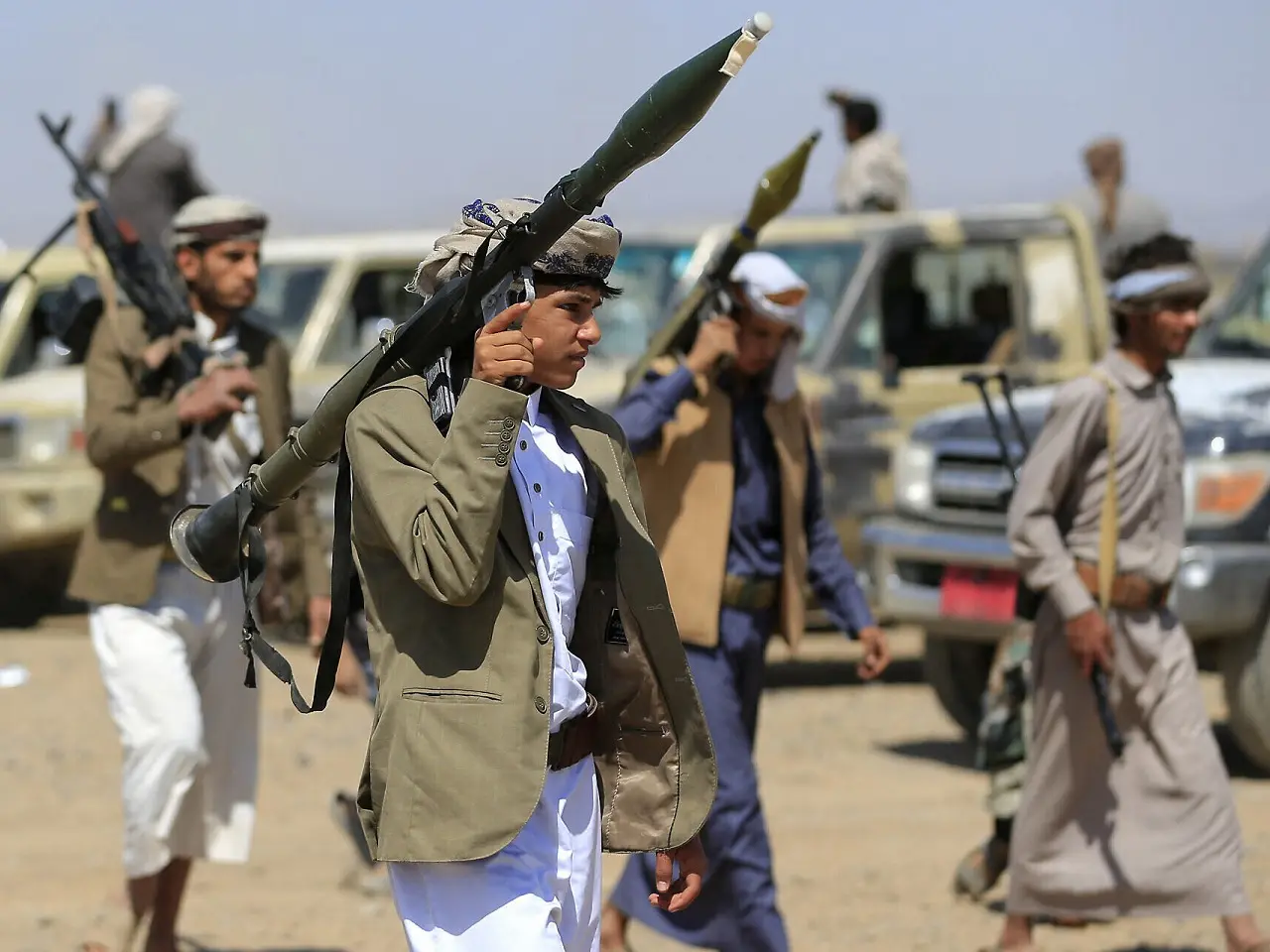)
Yemen called Trump for US military support in fight against Houthis: Official
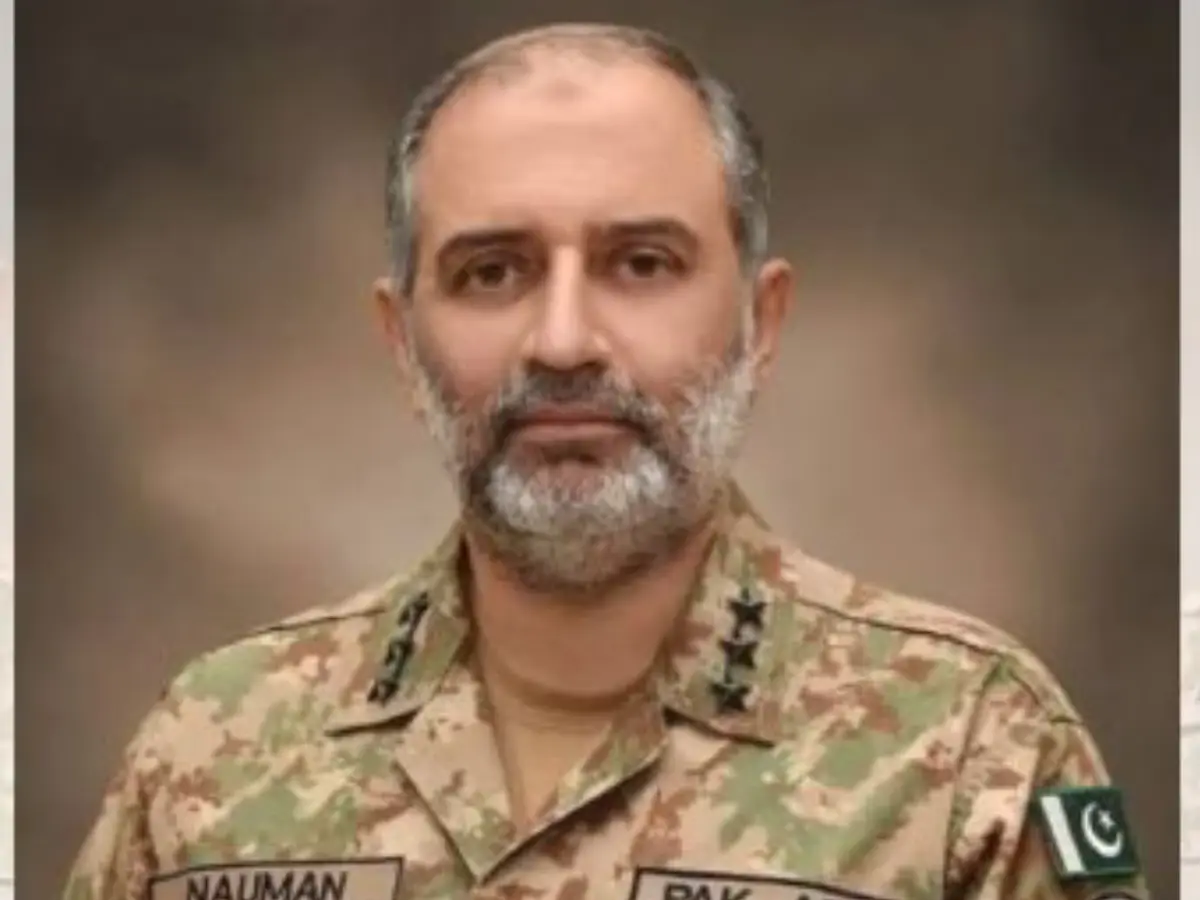)
Who is Lt-Gen Nauman Mahmood, Pakistan's first secretary general of Makkah Defence Alliance?
)
US judge questions Trump’s decision to ban CNN, MS NOW and Politico from White House
)
Meet Adrian Abraham: 9-year-old Indian-origin guitar prodigy aiming for a Guinness World Record
)
UNGA 2026: Israeli PM attacks Britain, France for past colonialism
)
WION Iconic Tourism Summit: How local tourism MSMEs must upskill for AI integration
)
Bollywood mourns Mushtaq Khan: Sunny Deol, Rajpal Yadav and others pay tribute
)
US faces fresh cost crunch as mortgage rates hit 7%, oil tops $107 and gas prices surge
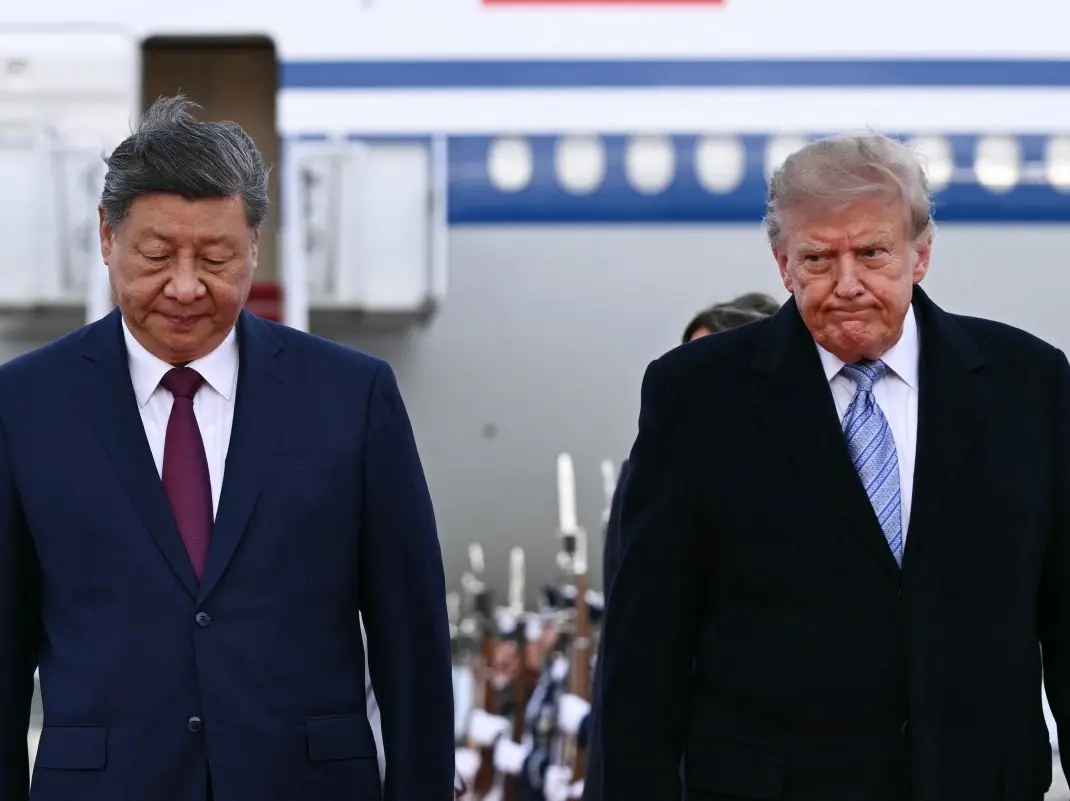)
'Partners rather than rivals': Xi Jinping's first message after landing in US for Trump summit
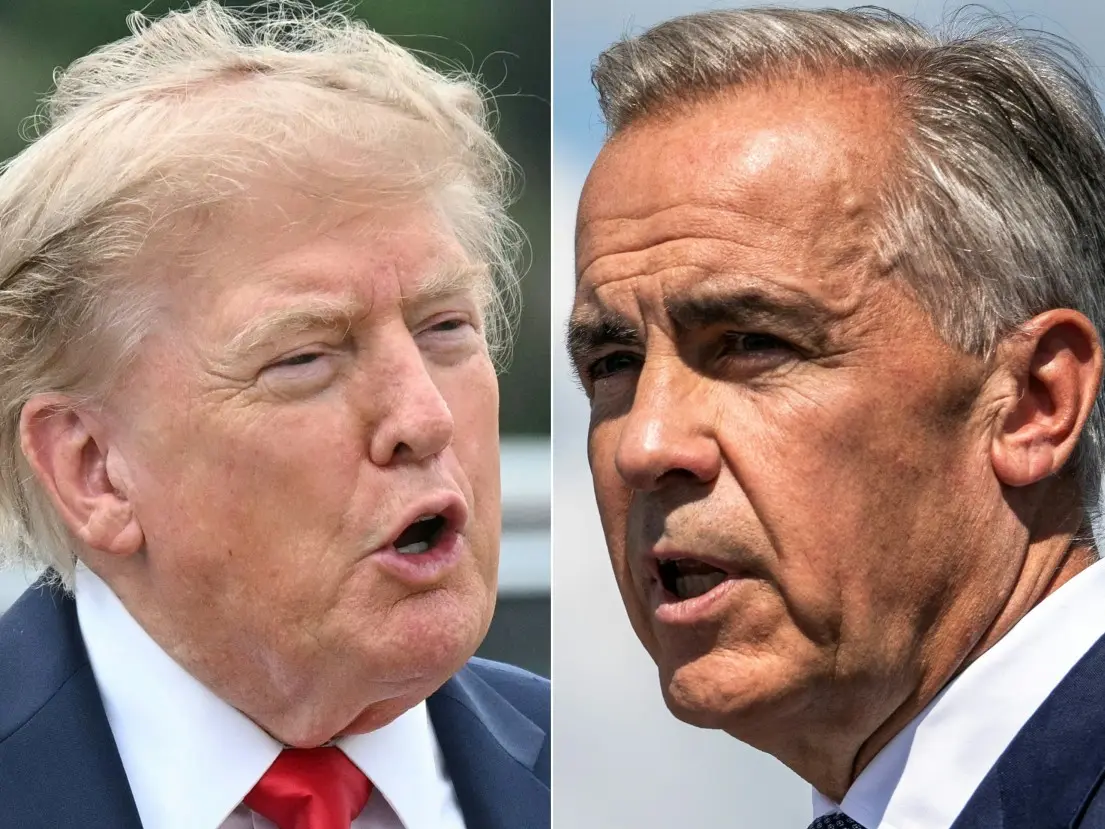)
What’s in a name? Trump’s 'Lake America' move gets a tit-for-tat response from Canada
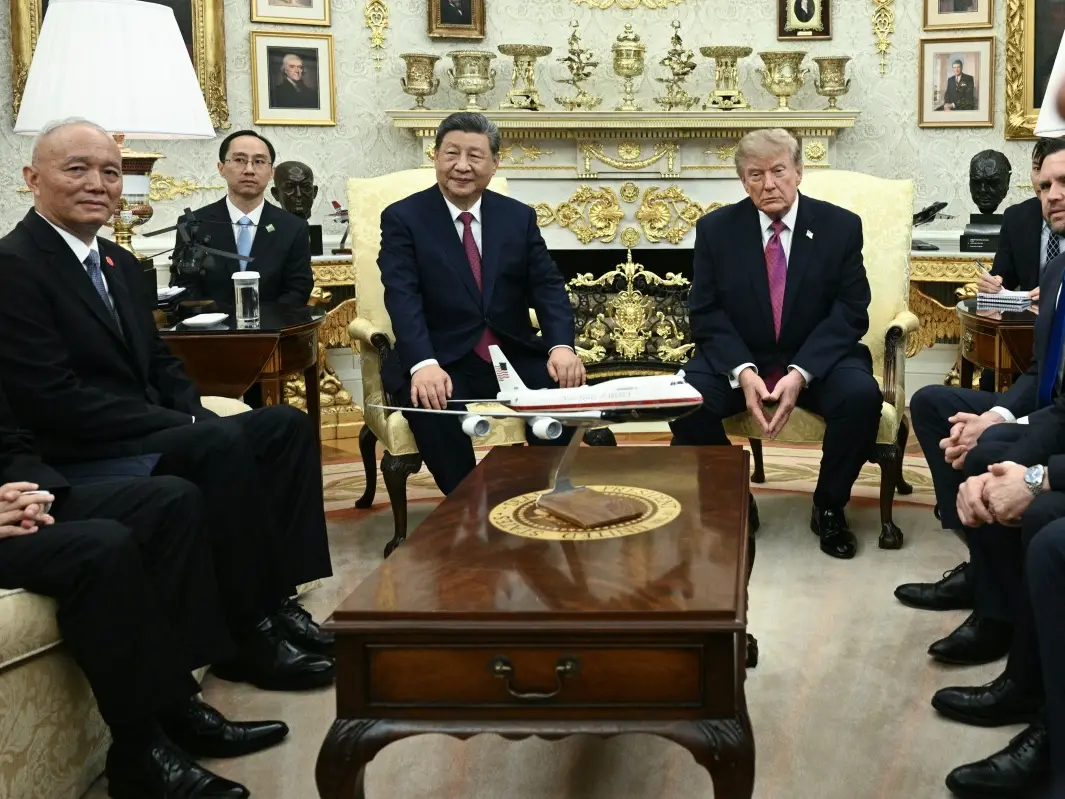)
Trump's welcome to Xi demonstrates 'attraction' to dictators: Chuck Schumer
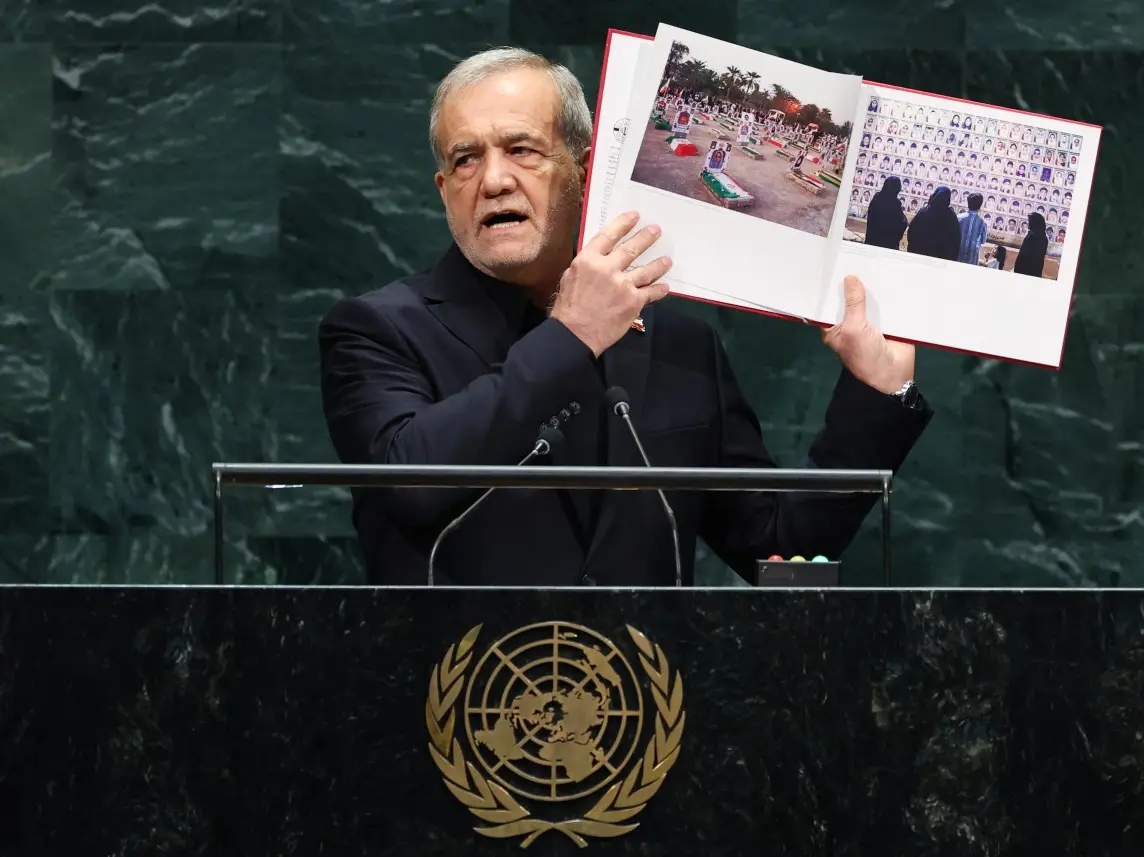)
'We do not wish to continue. It's America that must choose': Iran president Pezeshkian calls on US to end war
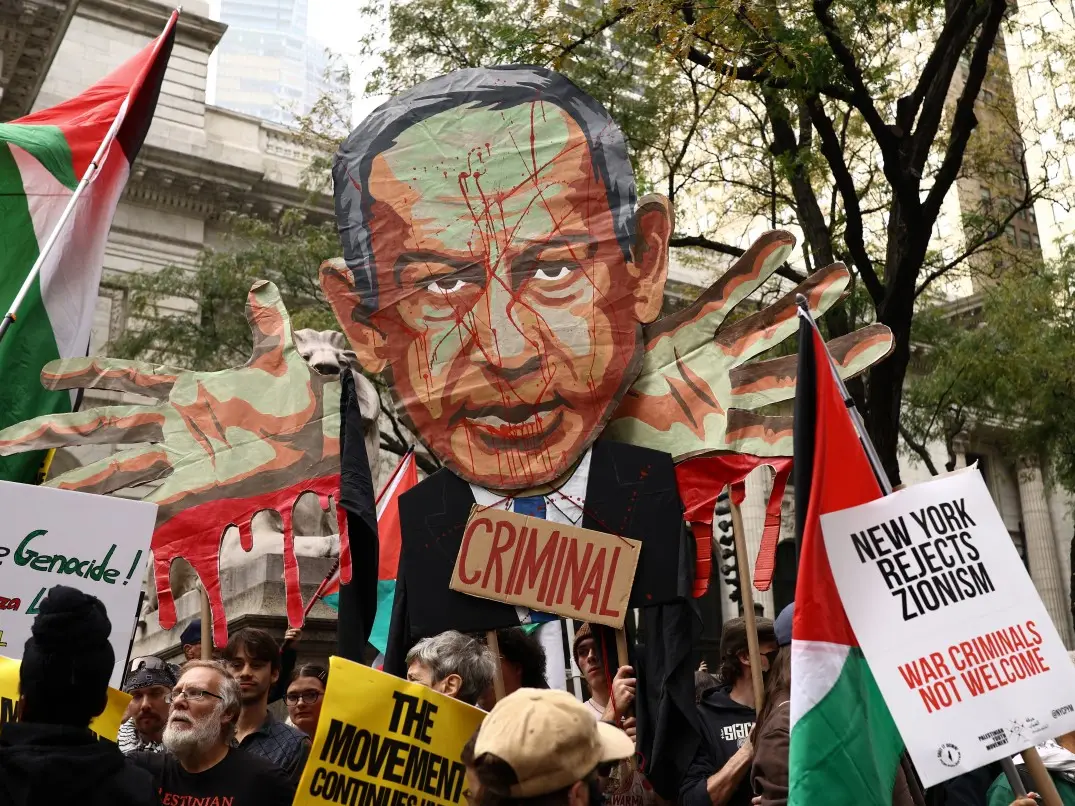&im=FitAndFill=(700,400))
Netanyahu at UN: Mass walkout, attack on Mamdani and Iran threats | In Pics
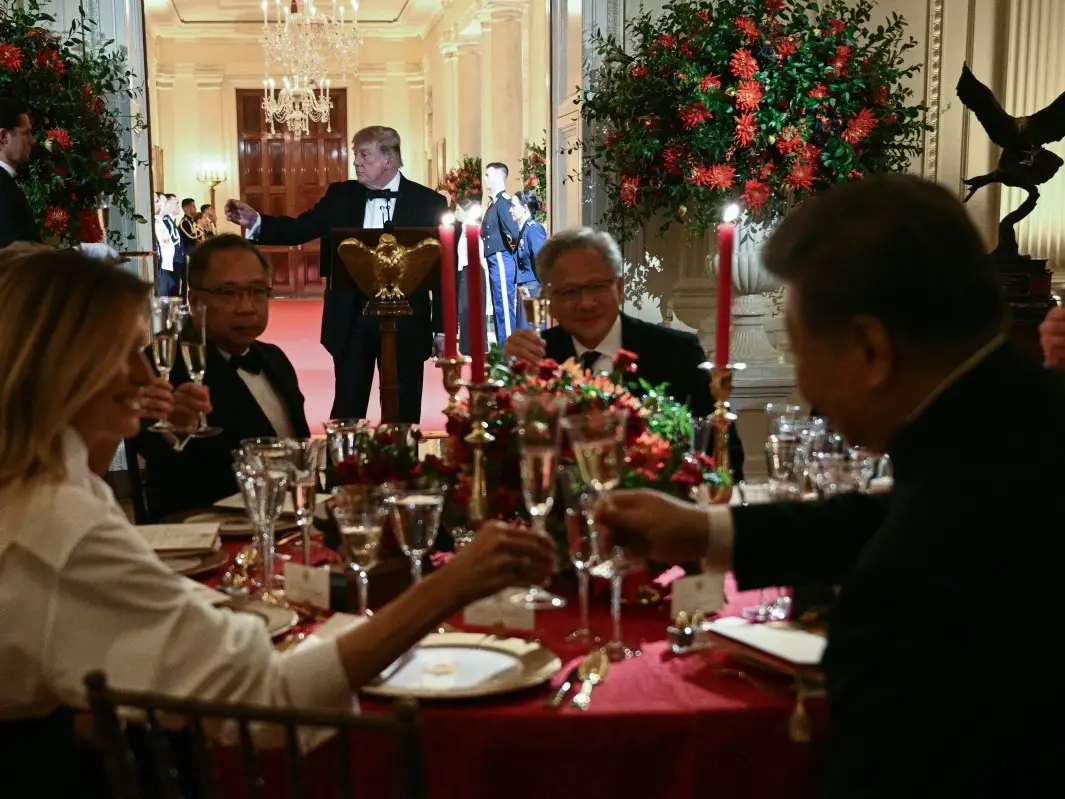)
‘We’ve never gotten along better’: Trump praises Xi, jokes about White House ballroom at high-stakes state dinner
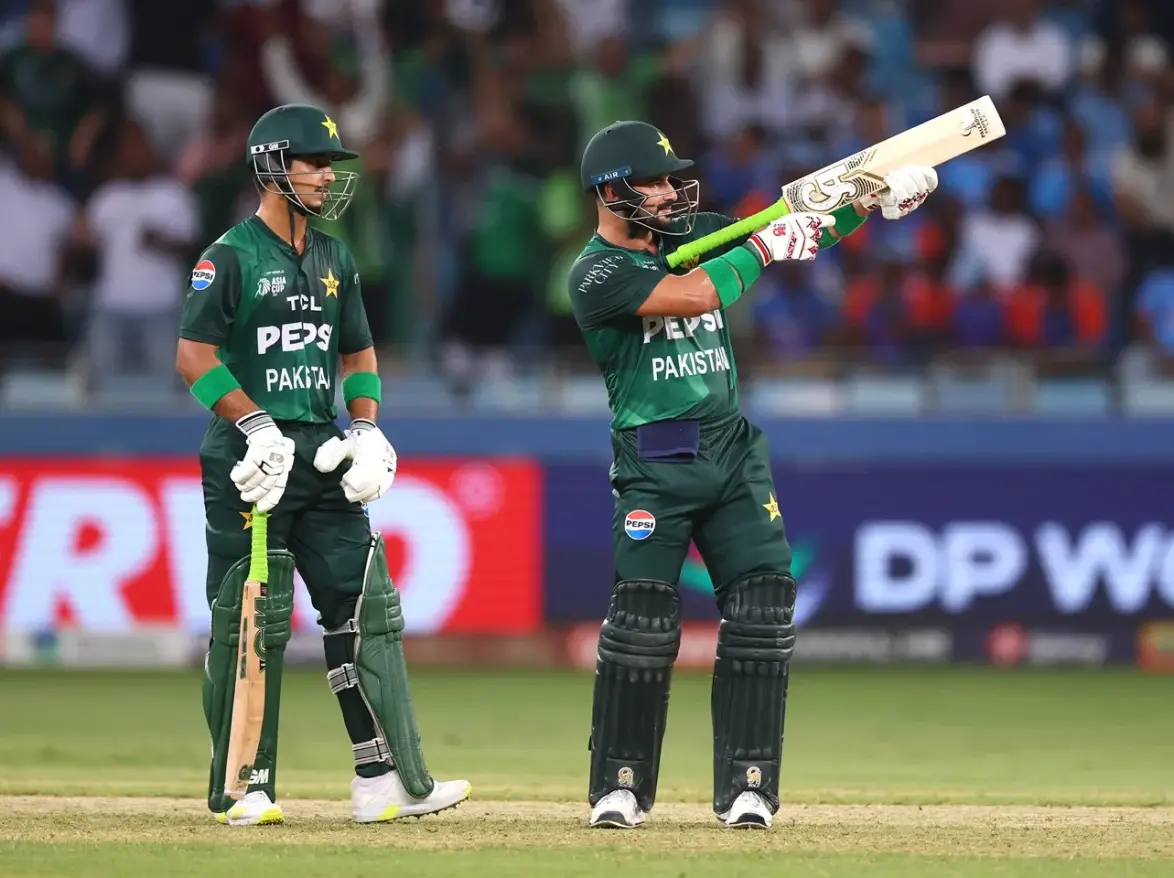)
Farhan, who went viral for AK47 celebration vs India in Asia Cup, hopes to lead Pakistan beyond Asian Games
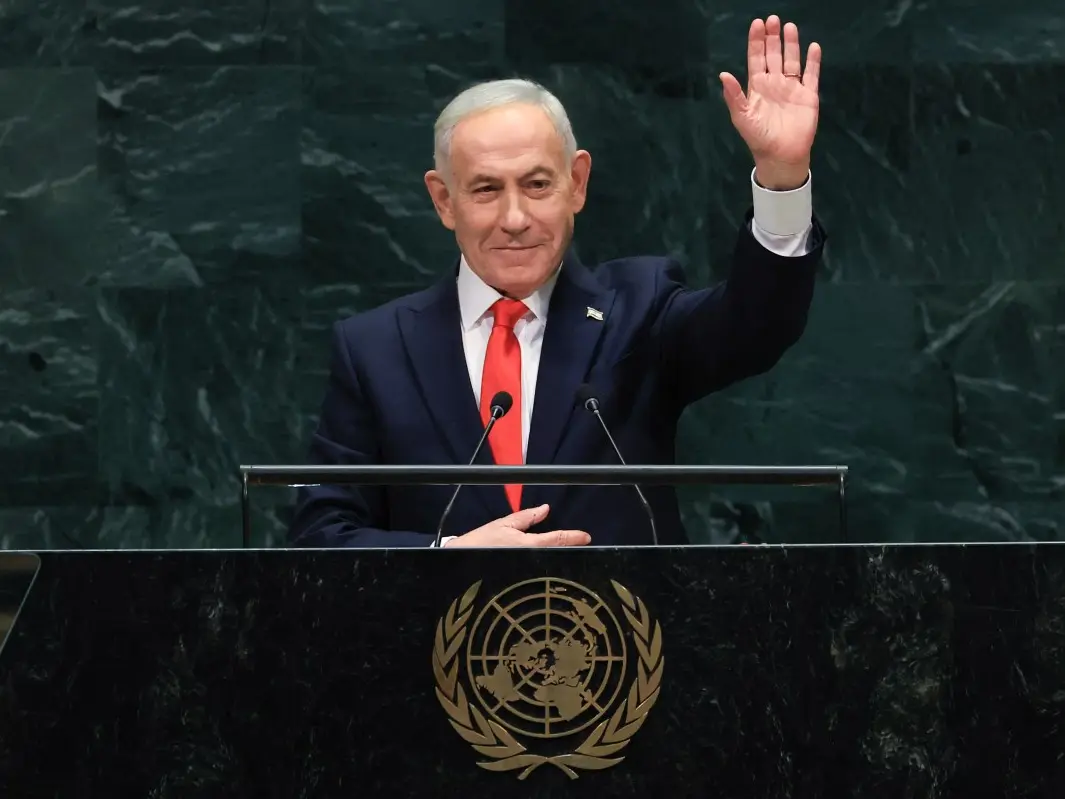)
'We would all be dead': Netanyahu defends decision to strike Iran's nuclear facilities in his UN speech
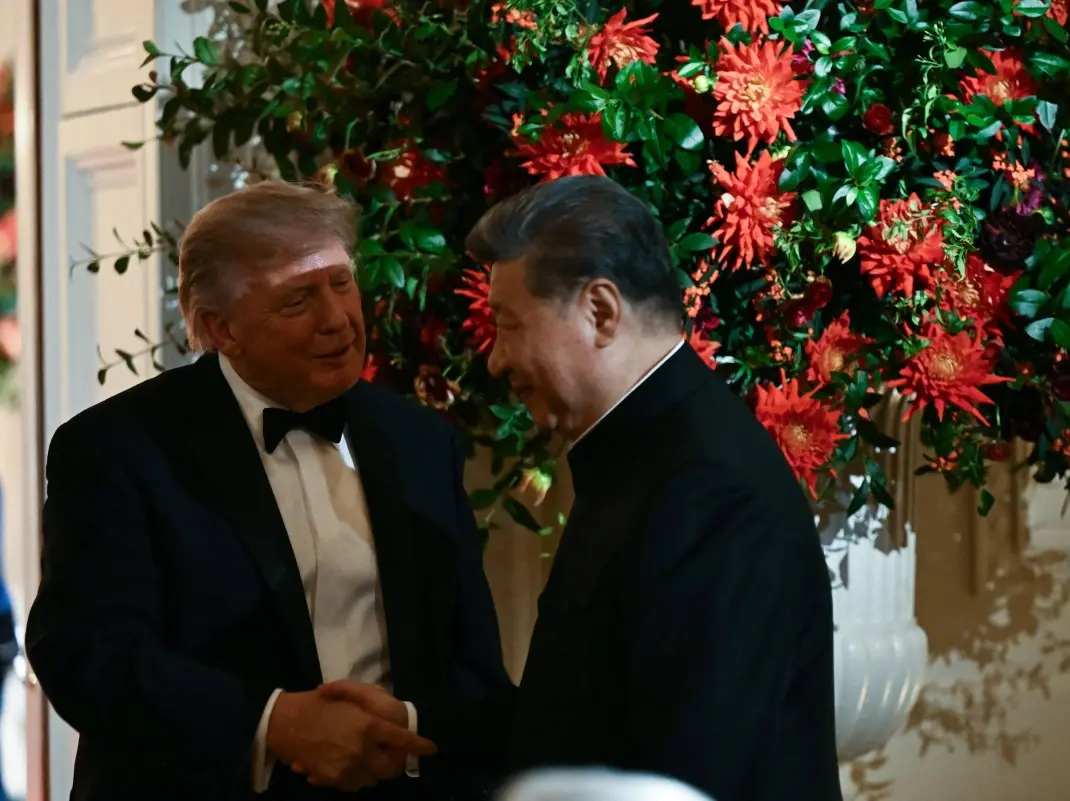)
'Making history': Xi Jinping praises Trump as US-China leaders dine at White House
)
WION Iconic Tourism Summit 2026: Union Minister Shekhawat on 'experiential travel', peace diplomacy
)
'Blockbuster' nor'easter develops an eye similar to hurricanes as warnings are issued
)
2,000-foot tube, laser tests and more: China builds towns to expand nuclear arsenal, satellite images show
)
Trump gifts Xi a bald eagle sculpture at White House dinner: Here’s what it symbolises
)
Xi Jinping's 'special plane' vs Trump's Air Force One: What's the difference?
)
Nations League: Germany draw on Klopp debut; Portugal, Norway win
)
China to test supersonic jet that moves at Mach 2, double the speed of sound
)
Australian PM Anthony Albanese calls OpenAI AI incident 'unacceptable' after restricted data access
)
Alarming video emerges as landslide damages houses in Sikkim’s Rimbi village. Watch
)
‘Not just a local tragedy’: Nepal PM Shah warns UN of growing climate threat, says Nepal floods were 'a warning to the world'
)
EC appointment law: Why is the 2023 act controversial, and what happens next? WION explains
)
CNN, Politico and MS NOW back in White House after judge blocks Trump’s media ban
)
West Indies coach Sammy looking at India series as opportunity to finetune ahead of ODI World Cup 2027 qualifiers
Notably, the patient named Wong Lok-wing was given only about six months to live in November last year. He had a tumour that measured 18.2 centimetres in diameter and had spread across to his main portal vein which transports blood to the liver.
Against all hope, the researchers used their "reduce and remove" treatment as a last-ditch effort which brought the desired results. After the cancerous tumour's size was reduced, Wong, during a 12-hour operation in August this year, received a portion of liver provided by his son, Nathan. Since then, Wong has remained cancer-free.
Albert said his team was further developing their treatment by exploring additional immunotherapy. He added that the team hopes of raising the rate of patient response to the treatment to 80 per cent, up from 50 to 60 per cent.
“We have confidence that we can continue this treatment, and our future direction is how we can enhance the efficacy of this regime so that more patients can benefit,” Chan said.
Watch |Big medical breakthrough as pig-to-human kidney transplant succeeds for a month
What causes liver cancer?
Although the exact cause of liver cancer remains unknown, it is often associated with a condition called cirrhosis in which the organ is scarred or damaged. The primary causes of liver damage areexcess alcohol consumption andhaving a long-term hepatitis B or hepatitis C viral infection.
Lifestyle factors play a crucial role in the rise of liver diseases. Urbanisation, changing dietary patterns, and sedentary behaviours contribute to the escalating rates ofNon-Alcoholic Fatty Liver Disease.
(With inputs from agencies)