&imwidth=800&imheight=600&format=webp&quality=medium "Meat, blood, milk, and almost no water: Scientists find what helped Kenyan tribe survive on extreme diet for centuries")
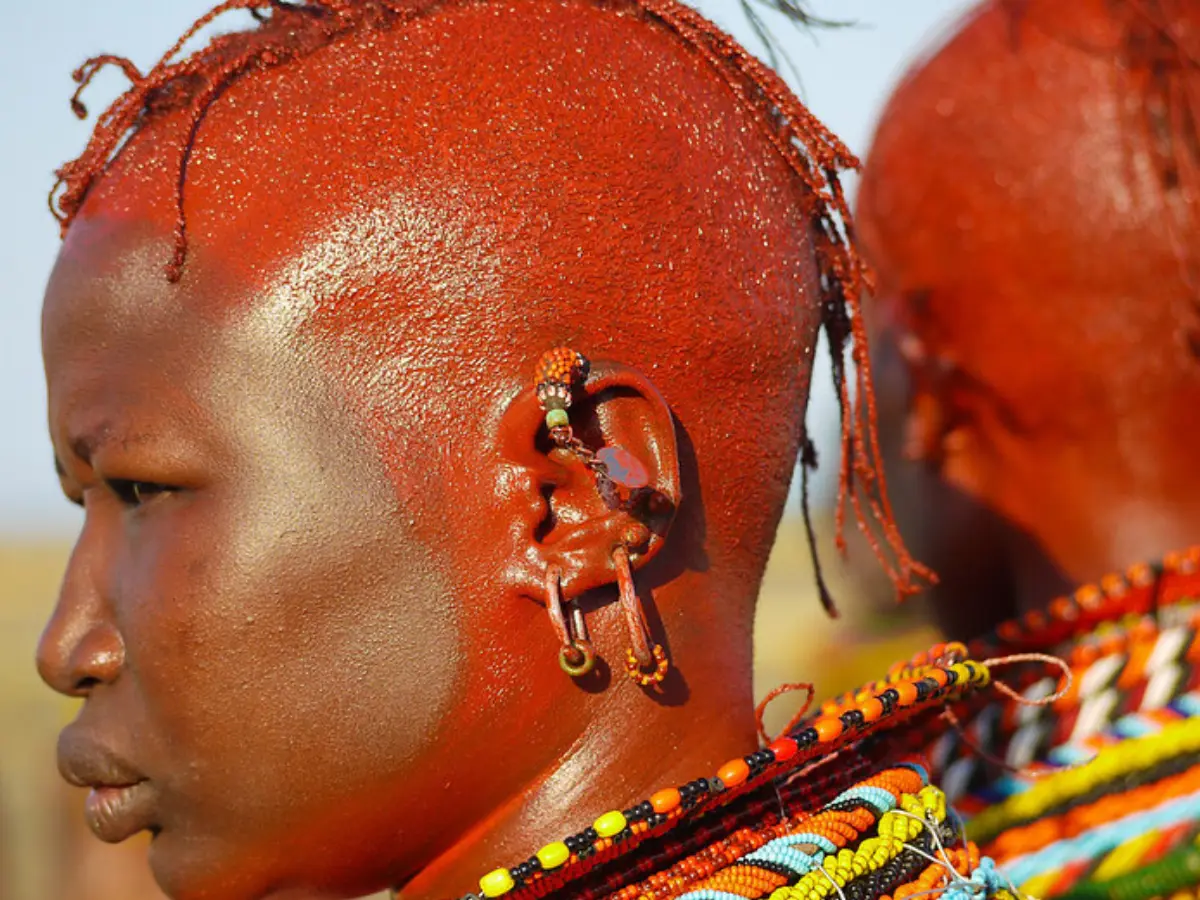
The Kenyan tribe of Turkana pastoralists can survive without water and only on a diet of milk, meat, and blood. Living in an extremely arid region where water is scarce, and temperatures can reach 50 degrees Celsius, this has been possible because of a mutation. Over thousands of years, their bodies have evolved to survive chronic dehydration. They eat a high-protein diet and almost no water; almost every other human would not be able to live healthily in this manner. But the Turkanas can. An international team of scientists has found that this has been possible because of evolutionary adaptations due to regional aridification that intensified 5,500 years ago. Their kidneys have changed so much that they can aggressively conserve water and process heavy loads of animal protein without causing any harm.
Also Read: World's longest evolution experiment started 37 years ago, but has already seen 80,000 generations
Evolution led Turkanas to remain healthy on less water and more meat

“If you and I went on a Turkana diet, primarily eating lots of meat, fat and protein, we’d probably get sick very fast,” study co-author Julien Ayroles said. "But this community has been eating these foods for many generations and is adapted," he added, saying that this is what the study tried to understand. What has simply happened is that their bodies have evolved to survive in a harsh climate with very little water. US and Kenyan researchers sequenced the genomes of 367 people and analysed over seven million genetic variants. Eight distinct DNA regions showed natural selection. One gene showed the strongest signal.
Also Read: 13,000 years ago, a tribe vanished, and mammoths died - When a cosmic explosion ripped Earth
This is STC1, which is activated in the kidneys during dehydration. When the body is deprived of water, the kidneys work to concentrate urine to prevent water loss. STC1 is allowing the Turkana to concentrate the urine, Ayroles explained. STC1 has also been linked to urea levels in the body and explains how the Turkanas can process milk, blood, and meat, which forms 70-80 per cent of their diet. The gene protects the kidneys from waste products, like urea and uric acid, created by the high-meat diet. This is why the Turkanas do not suffer from gout.
Trending Stories
)
US Supreme Court backs Trump administration's use of SAVE database to check voter citizenship
)
Outrage erupts after 3-year-old is married to 60-year-old man in Pakistan, link to her sister's murder being probed
)
Donald Trump shares image of Xi's arrival in Washington, carries signs of AI
)
‘Anti-social elements spreading false rumours’: LPU issues statement amid massive unrest over alleged rape
)
LPU students go on rampage, vandalise campus amid widespread protest: What's happening
)
OpenAI AI Agents hacked 4 websites before Hugging Face, researchers reveal
)
Pentagon quietly adds 37 wounded troops to Iran war tally without explaining when or how
&im=FitAndFill=(700,400))
New Friday OTT releases (September 25, 2026): Don’t Be Shy, Hunkkaar: The Roar, Mango Pachcha- 6 movies and TV shows on Netflix, Prime Video and more
)
Asian Games 2026: India face Afghanistan in quarterfinal on Sep 28; Pakistan clash with Hong Kong
)
‘Attack on Mecca a red line for Pakistan’: Shehbaz Sharif warns Houthis at UN
)
Nigeria Navy moves to boost oil security, tackle crude theft and infrastructure threats
)
'He's very much in our plans': Ravindra Jadeja ‘in mix’ for 2027 ODI World Cup, says batting coach
)
'Countries far from conflict are penalised': Jaishankar calls for Gulf peace, seafarer safety at UN
)
Bigg Boss 20: Salman Khan schools Rhiti Tiwari over Qazi Touqeer clash, compares her to Dolly Bindra
)
‘It is all possible’: Putin weighs next steps on Ukraine talks, rules out Europe conflict
)
Gaza's war turned environmental damage into second crisis
)
Nations League: Spain sink England at Wembley; Modric shines for Croatia
)
Trump-Xi summit wrap: Big pageantry, Iran talks, few major developments and more meetings planned
)
‘Could kill billions...’: Bill Gates backs calls to slow AI development amid fears of catastrophe
)
Bollywood x K-pop crossover! LE SSERAFIM’s Kazuha charms fans with Shah Rukh Khan’s ‘Chammak Challo’ steps
)
US-Iran war: Trump rejects Iran's Hormuz proposal, reports suggest talks expected next week
)
'What kind of confession is this?': Pakistan PM Shehbaz Sharif’s 'terrorists would be roaming New York' remark goes viral, raises alarm online. Watch
)
Sri Lankan Tamil migrant worker gets death sentence in Saudi Arabia, help sought from India
)
Myanmar training camp case: US national, 6 Ukrainians allowed to meet their families abroad
)
'FIRST LOOK from inside Noah’s Ark': Researchers share video from inside mysterious mound in Turkey
)
UNSC reform momentum grows: Russia, Portugal, Mauritius push for India's permanent seat bid
)
WATCH | As Shehbaz Sharif claims Pakistan’s ‘victory’ during 2025 conflict, Indian diplomat R Srinivas laughs at UN
)
Ceuta migrant crisis: Protesters take to streets as Spain grapples with migrant challenge
)
Jaishankar at UNGA: Goodwill and friendship can't coexist with terrorism
)
'A terrorist country is asking me that question?': Jaishankar hits back at Pakistani journalist at UN; flags attacks on commercial shipping
)
Russia will achieve Ukraine war aims; Europe doing everything to block peace talks: Lavrov at UN
)
‘Serial practitioner of terrorism’: Jaishankar calls out Pakistan’s ‘state-sponsored’ terror at UNGA
)
US court backs Pentagon's decision to exclude Anthropic over Claude AI restrictions
Natural selection kicked in among Turkanas
The changes in the community started occurring 5,000 to 8,000 years ago when northern Africa went dry. Natural selection led to genetic variants that led humans to survive in the harsh environment to take over, and slowly those with a mutated STC1 had more children, making it the dominant lineage. However, this adaptation had an adverse effect on the Turkanas who lived in cities because it did not match their conditions. Scientists noted that they were at a higher risk of developing diabetes, hypertension and kidney problems.