

&imwidth=800&imheight=600&format=webp&quality=medium "How are migration and urbanisation leaving millions of elderly parents without care")
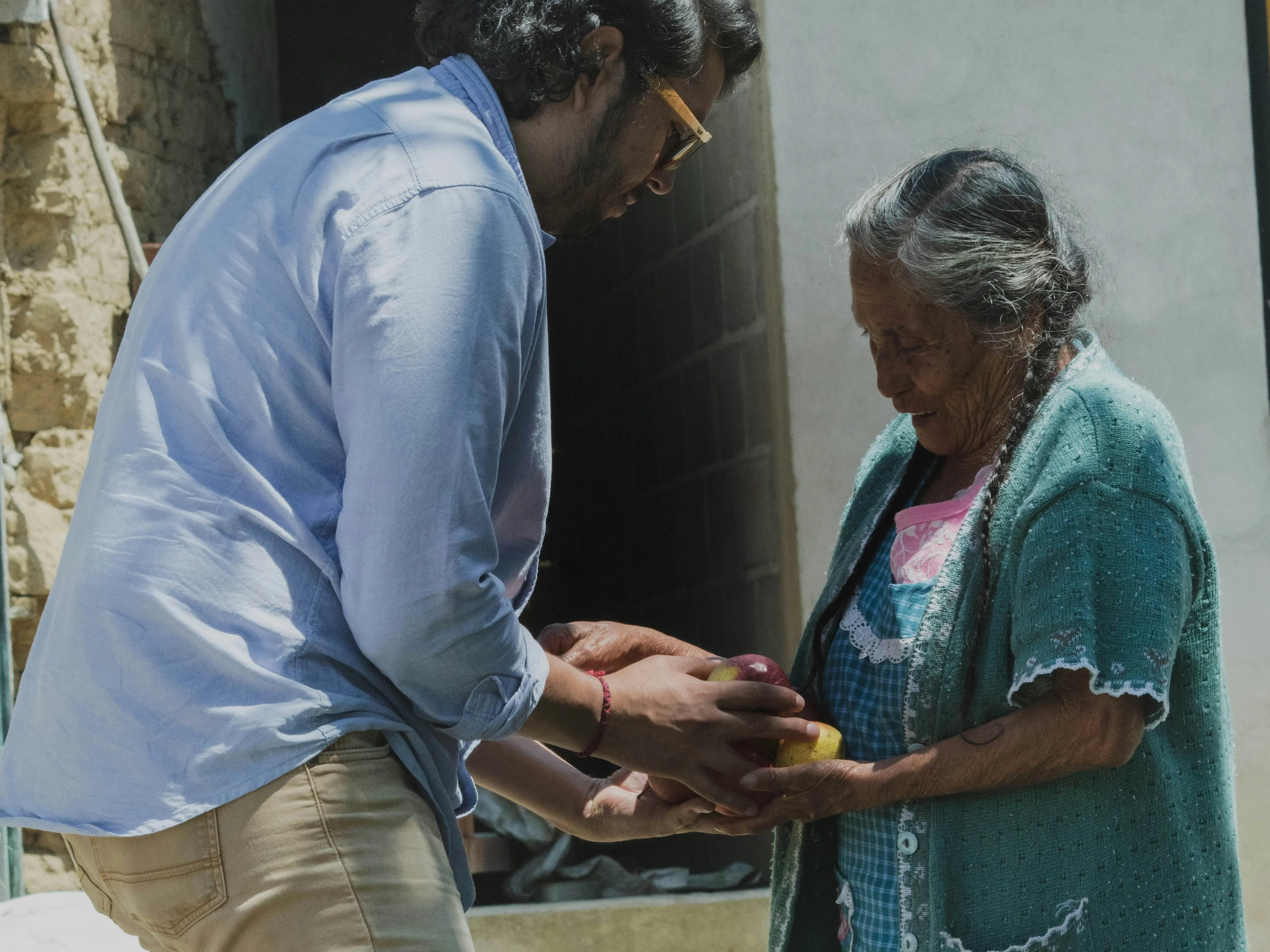
The increasing urbanisation and migration-driven economy of India are changing family structures. The development is prompting a growing number of elderly parents to live alone despite their children being financially stable and emotionally connected. The most important part to observe is that remittances from migrated children can improve their materialistic life, but they can't replace the rising physical and psychological toll of separation that leads to loneliness, creating a growing eldercare crisis when required during a chronic health care crisis.
In response, experts indicated that the rise of nuclear families, overseas migration and career-driven mobility has created a "care gap" that traditional family structures are no longer equipped to bridge. They argue that elder care must now be viewed as a public health priority, requiring professional support systems that address seniors' social, emotional, physical and medical needs alongside family involvement.
Highlighting the changing social and economic realities which altered the way families care for ageing parents, Neha Sinha, Dementia Specialist, Co-Founder and CEO of Epoch Elder Care, said, "Nuclear families are becoming the norm for a range of reasons - employment concentrated in metro hubs, opportunities abroad, increasing women in the workforce and evolving social values. In the past, in traditional joint families, someone was always present, offering comfort, care and companionship. But even that wasn't sufficient. Conditions like dementia demand specialised expertise that most families, however present, are simply not equipped to provide. And beyond physical care lies an equally urgent crisis: chronic loneliness. Research increasingly links social isolation to a significantly higher likelihood of developing neurocognitive conditions - making it not just an emotional concern, but a clinical one."
She underscored that the elder care ecosystem of India must evolve beyond the traditional expectation that families alone are responsible for looking after ageing parents. "The elder care ecosystem in India must evolve to address this in full - social, emotional, physical, and medical needs together, not in silos. Treating elder care as purely a family responsibility is no longer viable. It is, increasingly, a public health imperative that demands structured, professional, and compassionate intervention," she added.
Rising elderly population living alone
Trending Stories
&imwidth=180&imheight=135&format=webp&quality=medium)
Fauzi teaser out: Prabhas takes on the British Empire in patriotic avatar | Watch
&imwidth=180&imheight=135&format=webp&quality=medium)
Google Fitbit Air’s new health guardian feature tracks trends: How it works
&im=FitAndFill=(700,400)&imwidth=180&imheight=135&format=webp&quality=medium)
New Friday OTT releases (October 23, 2026): Gajab Raat, Dorothy, Chaar Yaar- Watch these 6 new movies and TV shows on Netflix, Prime Video and more
&imwidth=180&imheight=135&format=webp&quality=medium)
'You’re a horrible little reporter, aren’t you?': Trump snaps at NBC reporter questioning his support for Ramaswamy's campaign ad
&imwidth=180&imheight=135&format=webp&quality=medium)
Microsoft AI diagnoses complex medical cases more than twice as accurately as doctors, study finds
&imwidth=180&imheight=135&format=webp&quality=medium)
'Already tired of his 9-to-5': Baby born with a moustache becomes internet sensation, video goes viral | Watch
&imwidth=180&imheight=135&format=webp&quality=medium)
'My name has always been Ilhan Omar': Congresswoman hits back at Trump, calls him a 'creep'
&imwidth=180&imheight=135&format=webp&quality=medium)
Massive 7.2 magnitude quake off Vanuatu triggers tsunami warning for coasts within 300 km
&imwidth=180&imheight=135&format=webp&quality=medium)
Horrific video shows the moment 18-year-old fell to her death from Mexico amusement park ride
&imwidth=180&imheight=135&format=webp&quality=medium)
Jenna Ortega plans TV break after Wednesday: ‘I want to leave time for new things’
&imwidth=180&imheight=135&format=webp&quality=medium)
First Lady Melania Trump secures ceasefire between Russia, Ukraine in Oleshky: White House
&imwidth=180&imheight=135&format=webp&quality=medium)
Viral video shows cross falling on Colombia priest, no official confirmation | WATCH
&imwidth=180&imheight=135&format=webp&quality=medium)
Chemical warehouse explosion in Mexico: Several injured in multiple blasts, 1,000 evacuated in León
&im=FitAndFill=(700,400)&imwidth=180&imheight=135&format=webp&quality=medium)
Why do army tanks have different types of armour?
&imwidth=180&imheight=135&format=webp&quality=medium)
India-China face-off continues near Arunachal’s Taksing, reveals ITBP chief in first official confirmation of tensions
&imwidth=180&imheight=135&format=webp&quality=medium)
US charges two former FBI officials with lying to Congress about Hunter Biden probes. 'Politically motivated' Trump grievance or something else?
&imwidth=180&imheight=135&format=webp&quality=medium)
US midterms 2026: Trump revises Canada tariffs as Susan Collins faces tight re-election race in Maine
&imwidth=180&imheight=135&format=webp&quality=medium)
AI deepfakes are spreading online: Why is removing them so difficult?
&imwidth=180&imheight=135&format=webp&quality=medium)
Emmanuel Macron calls Paris suburb shooting a 'racist terrorist attack' after one killed, several injured
&imwidth=180&imheight=135&format=webp&quality=medium)
Iran targeting US diplomats? Intelligence warns of 'advanced' assassination plots: Report
&imwidth=180&imheight=135&format=webp&quality=medium)
IND vs NZ 2nd T20I: Shreyas Iyer on brink of breaking Rohit Sharma’s record
&imwidth=180&imheight=135&format=webp&quality=medium)
Will the US attack Iran this weekend? Trump's envoy says, 'absolutely'
&imwidth=180&imheight=135&format=webp&quality=medium)
Global cybersecurity alert: PHP flaws trigger website shutdowns as hack attempts surge into millions
&imwidth=180&imheight=135&format=webp&quality=medium)
Nairobi building collapse: Several feared trapped after 16-storey structure crumbles; rescue operation underway
&imwidth=180&imheight=135&format=webp&quality=medium)
US midterms 2026: Viral video claims Lindsey Graham paid underage men for sex; clip released weeks before his sister's Senate race
&imwidth=180&imheight=135&format=webp&quality=medium)
Five killed, several injured after explosion in Bihar's Siwan as firecrackers catch fire
&imwidth=180&imheight=135&format=webp&quality=medium)
US Navy, Marine Corps boards defy Trump's transgender military ban, vote to retain troops
&imwidth=180&imheight=135&format=webp&quality=medium)
Anthropic security chief issues grim cyberattack warning: ‘It’s going to get a lot worse’
&imwidth=180&imheight=135&format=webp&quality=medium)
Gravitas | US attack could trigger WW III: Russian planes in Tehran, Israeli jets, US warships in action
&imwidth=180&imheight=135&format=webp&quality=medium)
IND-W vs ZIM-W, 1st ODI: Rawal, Charani star in India’s nine-wicket win over Zimbabwe
&imwidth=180&imheight=135&format=webp&quality=medium)
Pakistan airline PIA unveils new crew uniforms, faces online criticism
&imwidth=180&imheight=135&format=webp&quality=medium)
China's dancing robot turns violent bodyguard, lifts cars and fights intruders - Watch
&imwidth=180&imheight=135&format=webp&quality=medium)
'This is humiliation': Vijay Deverakonda under fire over controversial marriage proposal remark on Koffee With Karan 9
&imwidth=180&imheight=135&format=webp&quality=medium)
Scientists make digital nose that can sniff and send scents over the internet
&imwidth=180&imheight=135&format=webp&quality=medium)
Tu Hai Meri Kiran film review: Sonakshi Sinha and Zaheer Iqbal's thriller gets tangled in its own twists
&imwidth=180&imheight=135&format=webp&quality=medium)
Did Neha Bora call for Bangladesh-like GenZ protest, 'anarchy' in India? WION Fact-checks viral claim
Highlighting similar concerns, Shreya Anand, Director at Vedaanta Senior Living, noted that the rising number of elderly people living alone should not be mistaken for a sign that families have become indifferent.
"A- One of the biggest misconceptions is that elderly parents living alone means families have stopped caring. In reality, the opposite is often true. Children are moving away for education, careers and better opportunities, often with the encouragement of their parents. The emotional bond remains intact, but physical distance creates new challenges," she said.
She noted that while technology helps families stay connected, it cannot replace the reassurance and support that come from physical presence. "We've entered an era where love is no longer measured by proximity. A phone call can provide reassurance, but it cannot replace companionship, immediate support during emergencies or the confidence of knowing someone is around," she added.
WATCH:
According to Anand, professional senior living communities can complement family support by providing a secure and socially engaging environment for older adults while allowing younger generations to pursue educational and professional opportunities.
"This is where the conversation around elder care needs to evolve. Families shouldn't have to choose between pursuing opportunities and ensuring their parents are cared for. Professional senior living communities can bridge that gap by creating an ecosystem where seniors remain socially active, secure and independent, while families enjoy peace of mind. At Vedaanta Senior Living, we've always believed that the best care doesn't take seniors away from their families; it extends the family's support system. As migration continues to reshape Indian households, the need isn't just for better elder care, it's for communities where seniors can continue living life on their own terms," she further said.

