600 years ago, a scholar proved that someone faked the Shroud of Turin. 'I do not need to believe...'

&imwidth=600&imheight=450&format=webp&quality=medium "600 years ago, a scholar proved that someone faked the Shroud of Turin. 'I do not need to believe...'")
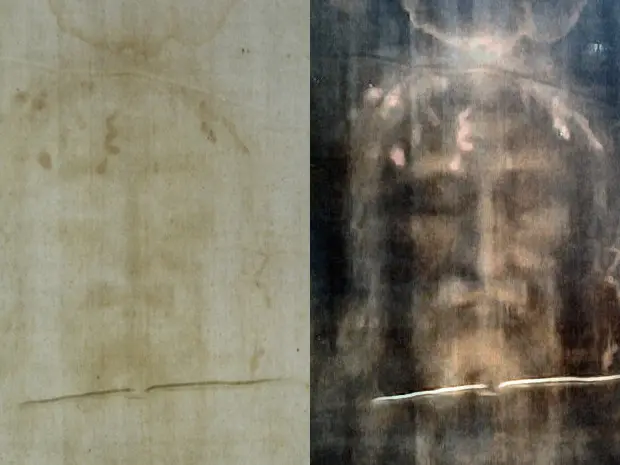
Shroud of Turin is still debated, while a scholar dismissed it as a fake, offering proof. Photograph: (Wikimedia Commons)
The Shroud of Turin is fake, an esteemed scholar said this in the 14th century. The world is still debating its authenticity today, but apparently, it was outrightly dismissed nearly 600 years ago. The Shroud of Turin is a cloth in which Christ's body is said to have been wrapped.
The Shroud of Turin, the religious linen which is believed to have been wrapped around Jesus Christ's body, was faked by some clergymen, a study has revealed. In fact, people first came to know that it was fake in the 1300s, while followers and critics continue to debate it in the 21st century. Several scientific analyses have also shown that the Shroud is inauthentic. The study published in the Journal of Medieval History states that the famed Shroud of Turin was dismissed in the treatise written by the theologian Nicole Oresme. The authors wrote that French theologian Nicole Oresme asserted that this piece of cloth with a man's face on it was “a fraud" committed by some people, Popular Mechanics reported. Oresme was a great scholar of the 14th century, and his contributions to mathematics, astrology, and psychology have accorded him a high status as an ancient academician. He also ascended to the role of Bishop of Lisieux under Charles V of France.
Study’s lead author, Dr Nicolas Sarzeaud of the Université Catholique of Louvain, said, "What has been uncovered is a significant dismissal of the Shroud." The treatise was written sometime between 1355 and 1382, with researchers pegging the time to the 1370s, although they are not fully sure. The finding means that it is now the earliest dismissal of the Shroud of Turin, knocking off the previous earliest rejection by Pierre d’Arcis, the Bishop of Troyes, in 1389. Sarzeaud said that Oresme’s writing stands out because he tries to offer "rational explanations for unexplained phenomena" and does not "interpret them as divine or demonic."
Oresme on Shroud of Turin
He added, "The philosopher even rated witnesses according to factors such as their reliability, and also cautioned against rumour." Oresme’s Shroud of Turin rejection is based on the argument that "simply because ‘good people’, including clergy, claim certain events to have happened does not make them true." The scholar declared in the treatise, "I do not need to believe anyone who claims: ‘Someone performed such miracle for me’, because many clergymen thus deceive others, in order to elicit offerings for their churches." Sarzeaud noted, "Oresme chose the claim of the Champenoise (Lirey) shrine to possess the Shroud as a striking example of lies fabricated by the clergy."
Trending Stories
&imwidth=280&imheight=210&format=webp&quality=medium)
&imwidth=280&imheight=210&format=webp&quality=medium)
&imwidth=280&imheight=210&format=webp&quality=medium)
&imwidth=280&imheight=210&format=webp&quality=medium)
&imwidth=280&imheight=210&format=webp&quality=medium)
&imwidth=280&imheight=210&format=webp&quality=medium)
&imwidth=280&imheight=210&format=webp&quality=medium)
&imwidth=280&imheight=210&format=webp&quality=medium)
&imwidth=280&imheight=210&format=webp&quality=medium)
&imwidth=280&imheight=210&format=webp&quality=medium)
&imwidth=280&imheight=210&format=webp&quality=medium)
&imwidth=280&imheight=210&format=webp&quality=medium)
&imwidth=280&imheight=210&format=webp&quality=medium)
&imwidth=280&imheight=210&format=webp&quality=medium)
&imwidth=280&imheight=210&format=webp&quality=medium)
&imwidth=280&imheight=210&format=webp&quality=medium)
&imwidth=280&imheight=210&format=webp&quality=medium)
&imwidth=280&imheight=210&format=webp&quality=medium)
&imwidth=280&imheight=210&format=webp&quality=medium)
&imwidth=280&imheight=210&format=webp&quality=medium)
&imwidth=280&imheight=210&format=webp&quality=medium)
&imwidth=280&imheight=210&format=webp&quality=medium)
&imwidth=280&imheight=210&format=webp&quality=medium)
&imwidth=280&imheight=210&format=webp&quality=medium)
&imwidth=280&imheight=210&format=webp&quality=medium)
&imwidth=280&imheight=210&format=webp&quality=medium)
&imwidth=280&imheight=210&format=webp&quality=medium)
&imwidth=280&imheight=210&format=webp&quality=medium)
&imwidth=280&imheight=210&format=webp&quality=medium)
&im=FitAndFill=(700,400)&imwidth=280&imheight=210&format=webp&quality=medium)
&imwidth=280&imheight=210&format=webp&quality=medium)
&imwidth=280&imheight=210&format=webp&quality=medium)
&imwidth=280&imheight=210&format=webp&quality=medium)
&imwidth=280&imheight=210&format=webp&quality=medium)
&imwidth=280&imheight=210&format=webp&quality=medium)
&imwidth=280&imheight=210&format=webp&quality=medium)
&imwidth=280&imheight=210&format=webp&quality=medium)
&imwidth=280&imheight=210&format=webp&quality=medium)
Documented rejection of Shroud of Turin is a big deal
The study authors say that this rejection assumes major significance because, in those times, the potential for superstitious devotion in such topics was restricted to satire. Now there are "concrete accusations of fraud against a clerical institution", something that was very rarely put on paper.
More recently, radiocarbon dating showed that the Turin dated back to only the 13th or 14th century. Another study stated that a human face couldn't make such an impression on a piece of cloth.

